

Anochetus isolatus
- Scientific Name
- Anochetus isolatus
- Tribe
- Ponerini
- Subfamily
- Ponerinae
- Author
- Mann, 1919
- Distribution
- Found in 3 countries
Anochetus isolatus Overview
Anochetus isolatus is an ant species of the genus Anochetus. It is primarily documented in 3 countries , including Australia, Papua New Guinea, Solomon Islands. Detailed taxonomic data and occurrence records can be further explored via authoritative databases such as AntWeb or the Global Biodiversity Information Facility (GBIF).
Anochetus isolatus
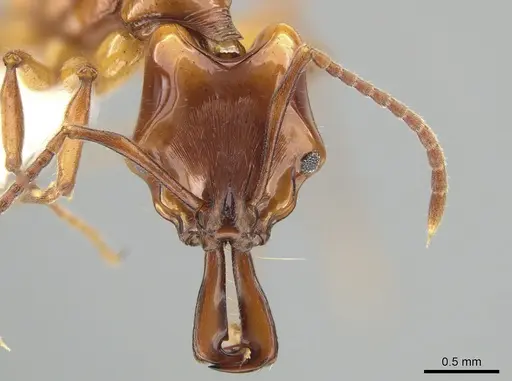
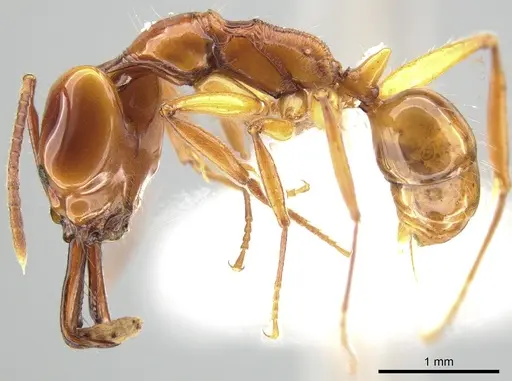
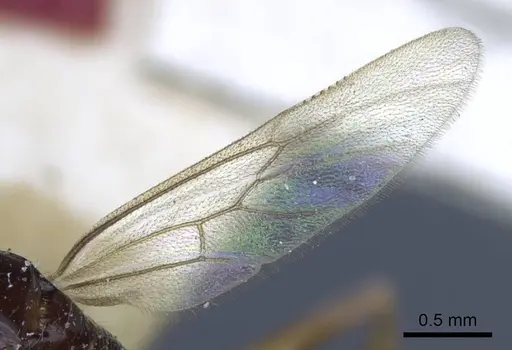
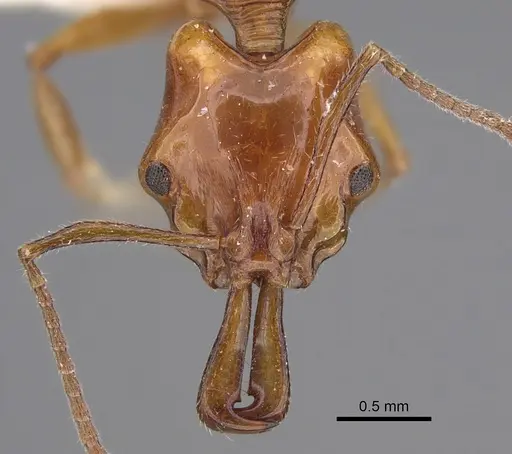
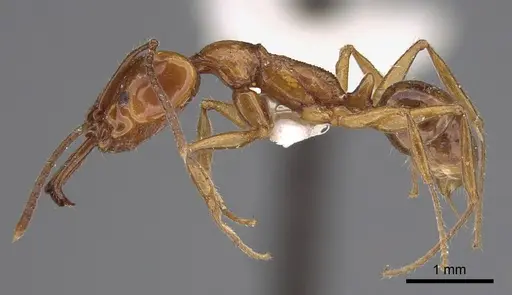
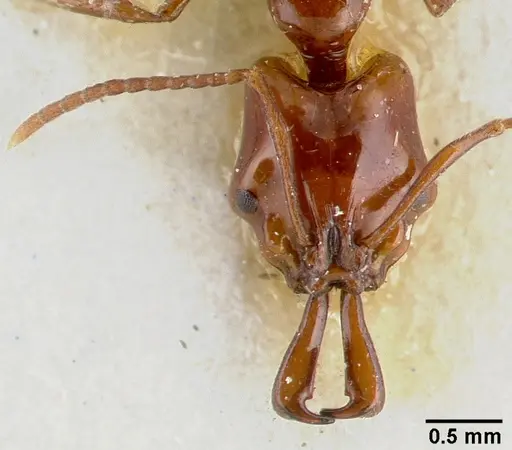
Anochetus isolatus is a trap-jaw ant with a distinctive waist segment that sticks upward in a narrow, blunt point [1]. Workers grow over 6 mm long and show a striking color pattern: dark brown on the head and thorax, with bright yellow to yellow-red legs, gaster, and waist [1][2]. They live in rainforests stretching from the Philippines through the Solomon Islands and Papua New Guinea down to Cape York Peninsula in Queensland, Australia [1][3], where they nest inside rotting wood [1].
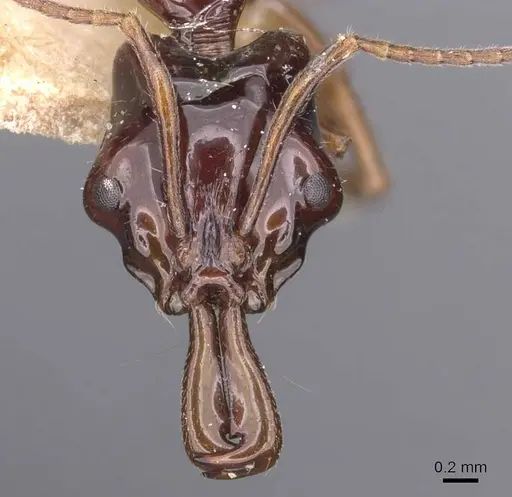
These ants are famous for their spring-loaded trap-jaws that snap shut at incredible speed to catch prey [4]. When threatened, they can snap their jaws against the ground to launch themselves backward several centimeters, an escape trick that makes keeping them securely housed a special challenge.
Quick Summary
- Difficulty: Medium
- Origin & Habitat: Rainforests of the Philippines, Solomon Islands, Papua New Guinea, and Queensland, Australia [1][3]
- Colony Type: Likely single-queen (monogyne), though specific colony structure studies are lacking
- Size & Growth:
- Queen: Unknown, likely 7-9 mm based on worker proportions
- Worker: Over 6 mm total length [2], head length 1.39-1.72 mm [1]
- Colony: Unknown, likely under 500 workers based on typical Anochetus patterns
- Growth: Moderate
- Development: Unknown, estimated 6-10 weeks at 25-28°C based on related Anochetus species (Timeline is inferred from genus patterns, actual development may vary based on temperature and feeding)
- Antkeeping:
- Temperature: 24-28°C, inferred from tropical rainforest habitat [1]
- Humidity: High,70-80%, maintain damp substrate based on rainforest nesting [1]
- Diapause: No, tropical species that remains active year-round
- Nesting: Rotten wood in nature, use Y-tong (aerated concrete), plaster nests, or naturalistic setups with wood pieces in captivity [1]
- Behavior: Trap-jaw hunters that use lightning-fast mandible strikes to catch prey and can launch themselves backward when disturbed [4]. They can sting but are not aggressive toward humans. Workers are solitary hunters and moderately active.
- Common Issues: escape risk from jaw-propelled jumping, they can launch themselves several centimeters when startled., require live prey and may not accept dead insects, making feeding more demanding than generalist species., need consistent high humidity without waterlogging, balance ventilation and moisture carefully., slow growth if protein intake is insufficient, colonies may stall without adequate live prey.
Nest Preferences
In nature, Anochetus isolatus nests in rotten wood in rainforests [1]. This means they prefer tight, enclosed spaces with moist but not soggy conditions. In captivity, a Y-tong (aerated concrete) nest or plaster nest works well. Provide narrow chambers and tunnels that mimic their natural wood tunnels. You can add pieces of rotting wood or bark to make them feel at home. Keep the nest material damp but not wet, think forest floor after rain, not swamp. Ensure the setup has some ventilation to prevent mold while maintaining humidity.
Feeding and Diet
As trap-jaw ants, they are specialized predators with spring-loaded mandibles designed for hunting [4]. You will need to provide live prey such as fruit flies, small crickets, or springtails. They may not recognize dead food because their hunting strategy relies on movement triggers. You can also offer sugar water or honey for energy, but protein is essential for the colony to grow. Feed small amounts frequently rather than large dumps of food that could mold. Remove uneaten prey within 24 hours to keep the nest clean.
Temperature and Humidity
Coming from tropical rainforests, these ants need warmth and moisture [1]. Keep them at 24-28°C with a heating cable on one side of the nest to create a gentle gradient. Humidity should stay high at 70-80%. Use a water tower or moisten the substrate regularly, but ensure good ventilation to prevent mold. They do not need hibernation, keep them warm year-round. If temperatures drop below 20°C, the colony may slow down or stop developing brood.
Behavior and Temperament
These ants are moderately active hunters. Their trap-jaw mechanism serves both for catching prey and defense [4]. When disturbed, they can snap their jaws against the ground to launch themselves several centimeters backward, this means you need excellent escape prevention including tight-fitting lids and barriers. They can sting but are not particularly aggressive toward humans. Workers are solitary hunters that do not rely heavily on chemical trails. They are fascinating to watch when hunting due to the speed of their mandible strikes.
Colony Founding
Founding behavior is unconfirmed for this species, but related Anochetus queens are typically claustral, meaning the queen seals herself in a chamber and lives off stored body fat until her first workers hatch. If you have a queen, provide her with a small, dark test tube setup with a water reservoir blocked with cotton. Keep her at 25-28°C and do not disturb her for several weeks. Do not attempt to feed the queen during founding if she is claustral, she will not forage and disturbance may cause her to abandon her brood.
Frequently Asked Questions
Can I keep Anochetus isolatus in a test tube?
Yes, test tubes work well for founding queens. Provide a water reservoir blocked with cotton and keep the tube in a dark, warm place at 25-28°C.
How long until Anochetus isolatus gets its first workers?
The timeline is unconfirmed, but based on related trap-jaw ants, expect roughly 6-10 weeks at 25-28°C.
Can I keep multiple Anochetus isolatus queens together?
Not recommended. This species is likely monogyne (single-queen), and unrelated queens will likely fight.
What do Anochetus isolatus eat?
They need live prey such as fruit flies, small crickets, or springtails. Their trap-jaws are designed for hunting live food and they may not accept dead insects.
Do Anochetus isolatus need hibernation?
No, they are a tropical species and should be kept warm year-round.
What is the best nest type for Anochetus isolatus?
Y-tong or plaster nests that mimic rotten wood work best. Add actual wood pieces for them to tunnel in, and keep the substrate moist [1].
Are Anochetus isolatus good for beginners?
They are medium difficulty. While they are not aggressive, they require live food, careful humidity management, and excellent escape prevention due to their jumping behavior.
Why are my Anochetus isolatus dying?
Common causes include: too dry conditions (they need tropical humidity), lack of live prey, or injuries from escape attempts. Check that your water reservoir is not flooding the nest and that you are removing uneaten food promptly.
References

This caresheet is licensed under CC BY-SA 4.0 .
CASENT0281879
View on AntWeb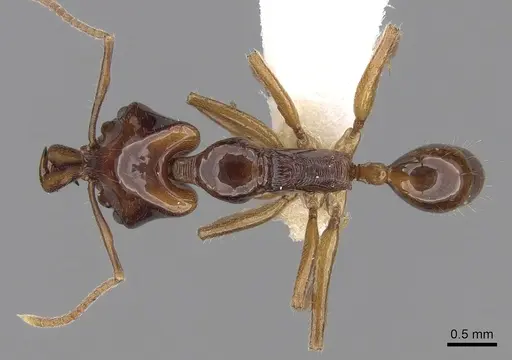
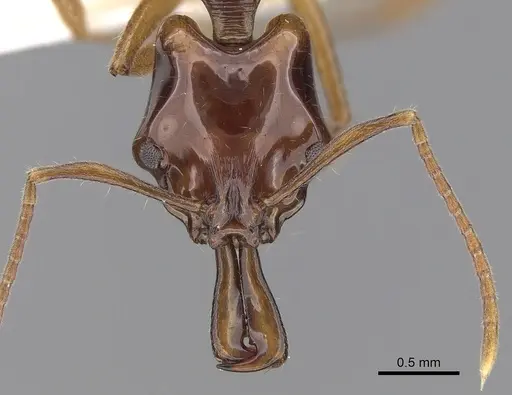
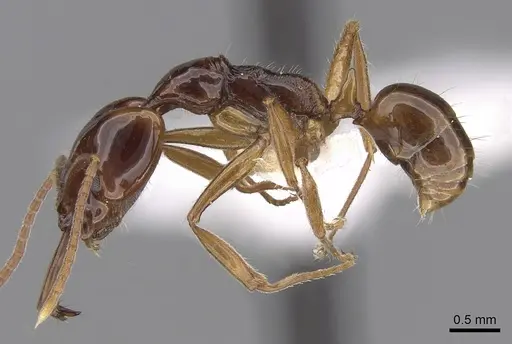
CASENT0650204
View on AntWeb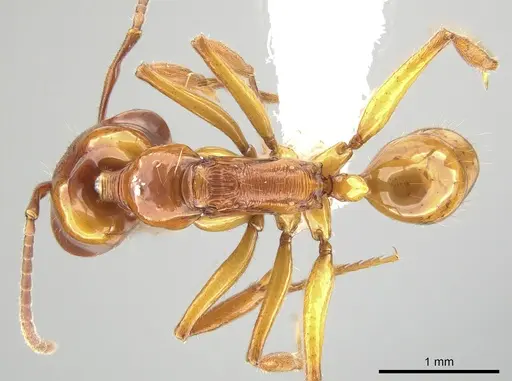
CASENT0907404
View on AntWeb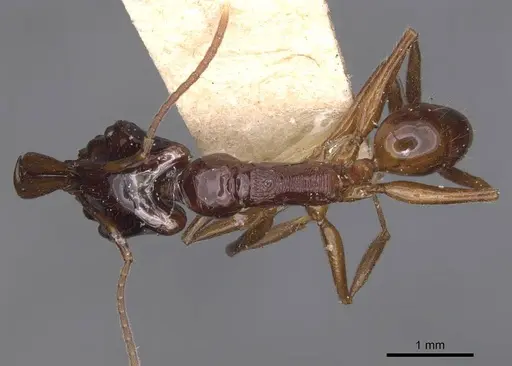
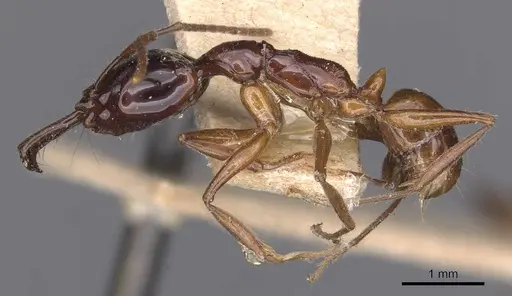
CASENT0916848
View on AntWeb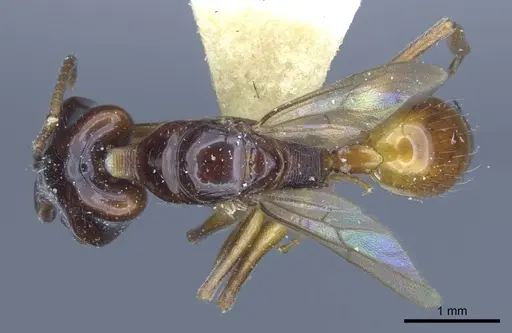
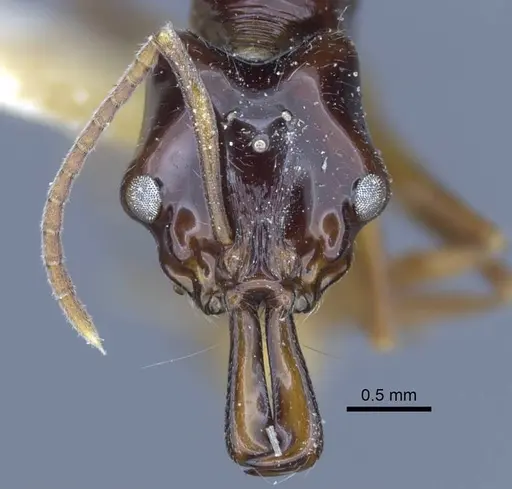
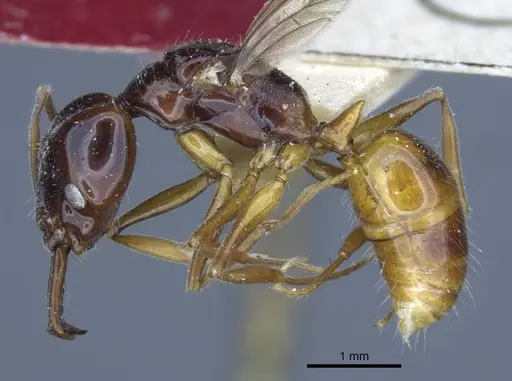
CASENT0923410
View on AntWeb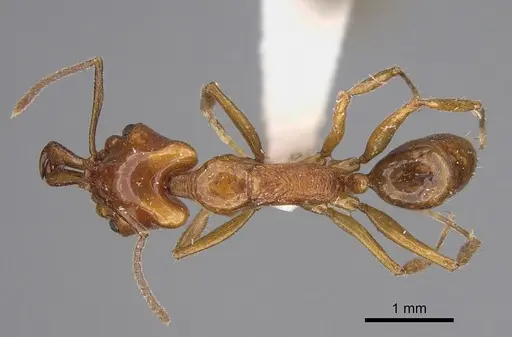
CASTYPE06977-01
View on AntWeb

Literature
Loading...Loading products...