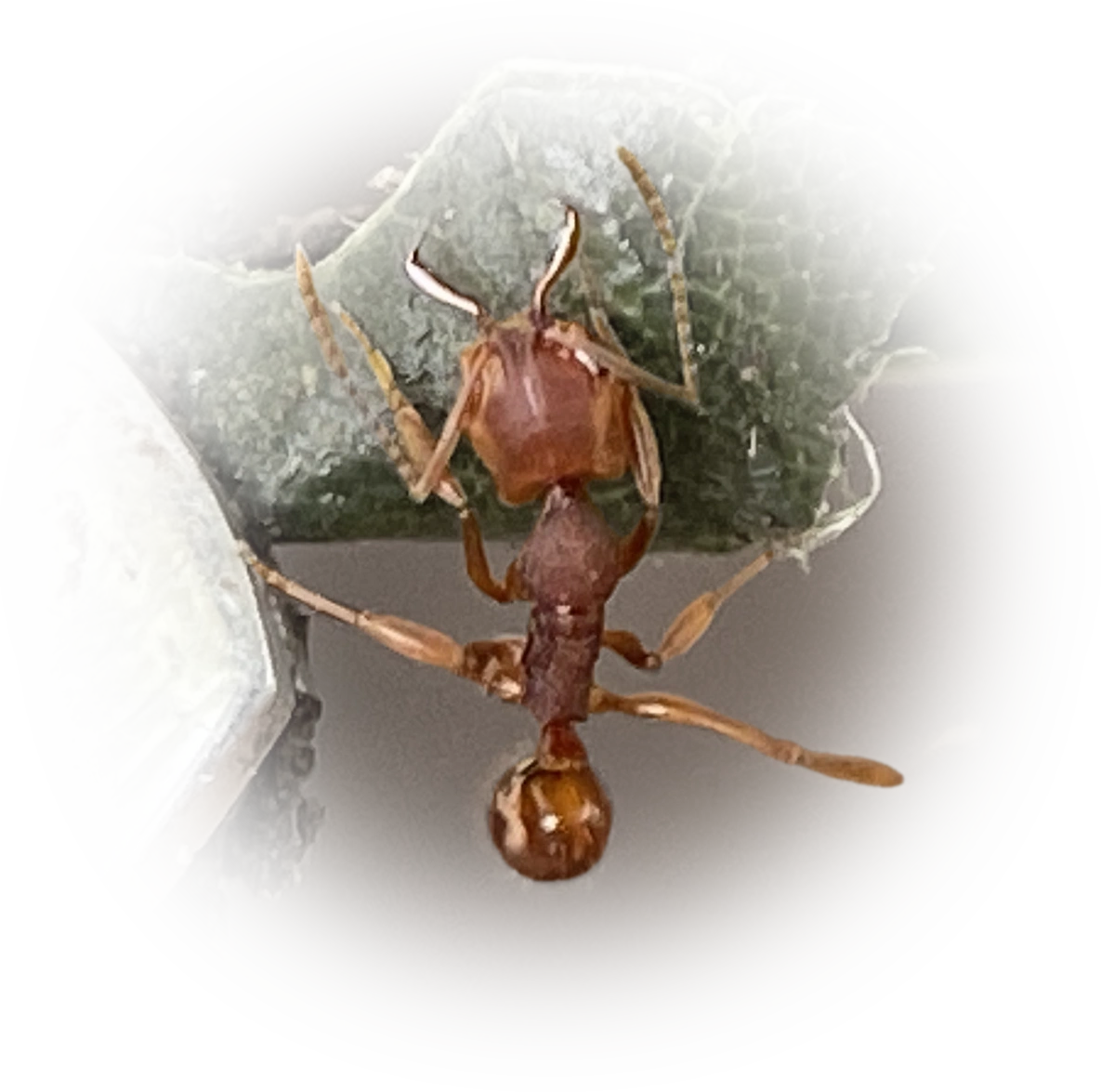

Anochetus inermis
- Scientific Name
- Anochetus inermis
- Tribe
- Ponerini
- Subfamily
- Ponerinae
- Author
- André, 1889
- Common Name
- Delicate trap-jaw ant
- Distribution
- Found in 11 countries
Anochetus inermis Overview
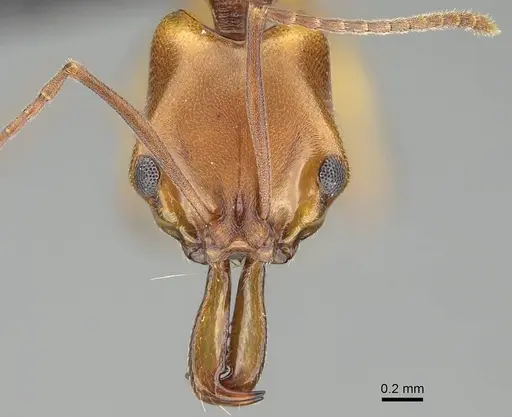
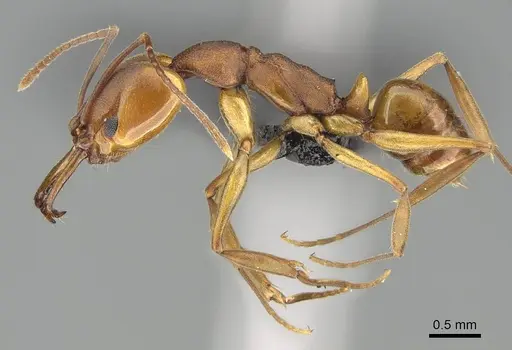
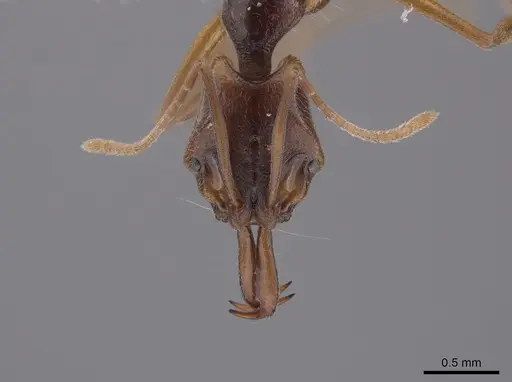
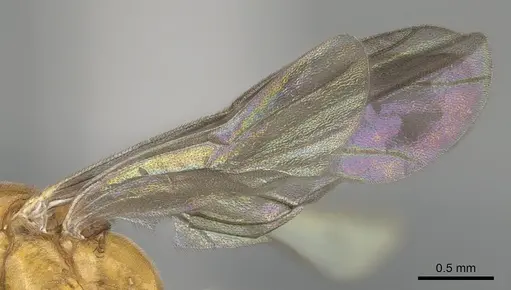
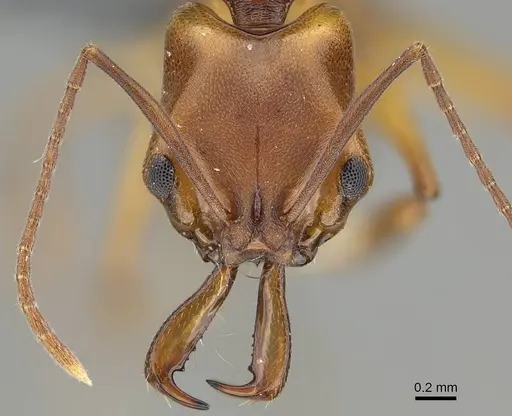
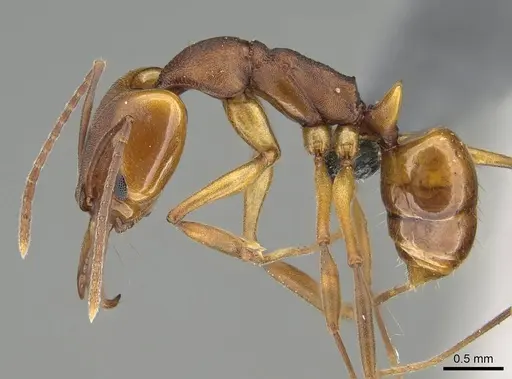
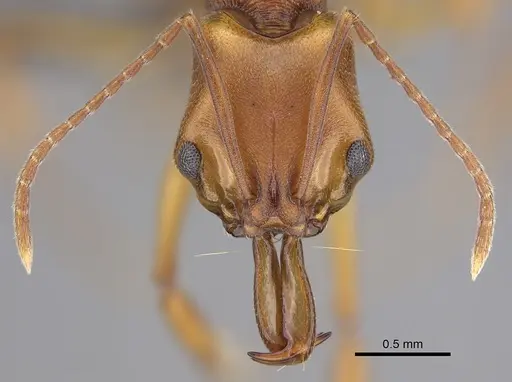
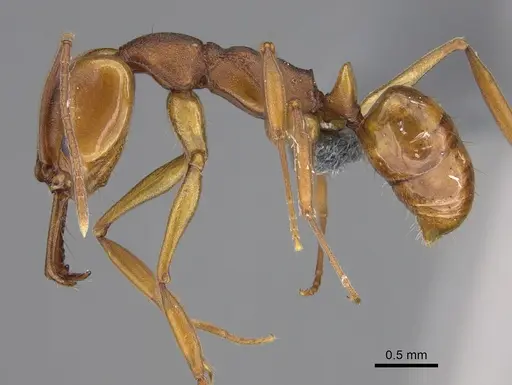
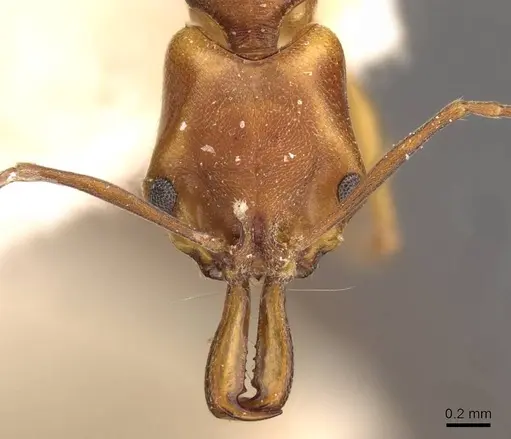
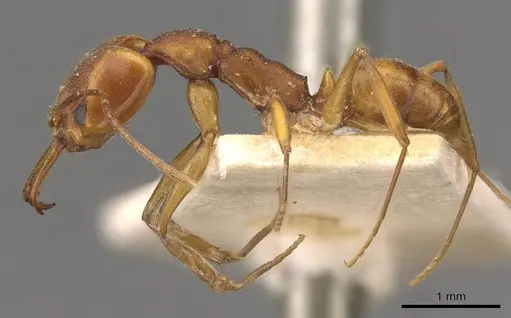
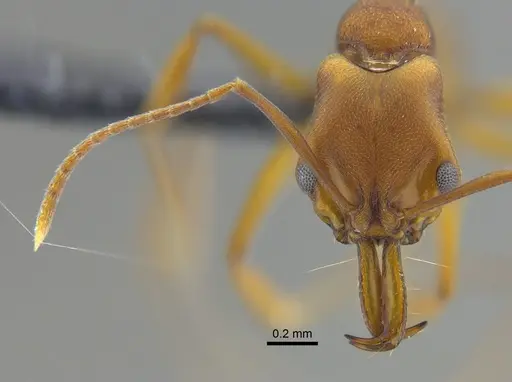
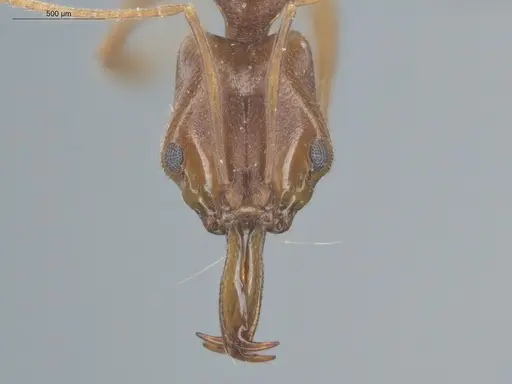
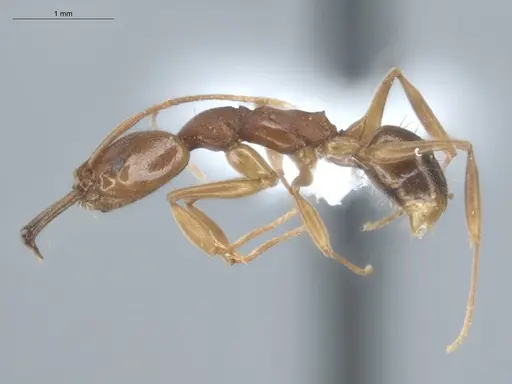
Anochetus inermis (commonly known as the Delicate trap-jaw ant) is an ant species of the genus Anochetus. It is primarily documented in 11 countries , including Barbados, Colombia, Grenada. Detailed taxonomic data and occurrence records can be further explored via authoritative databases such as AntWeb or the Global Biodiversity Information Facility (GBIF).
Anochetus inermis - "Delicate trap-jaw ant"
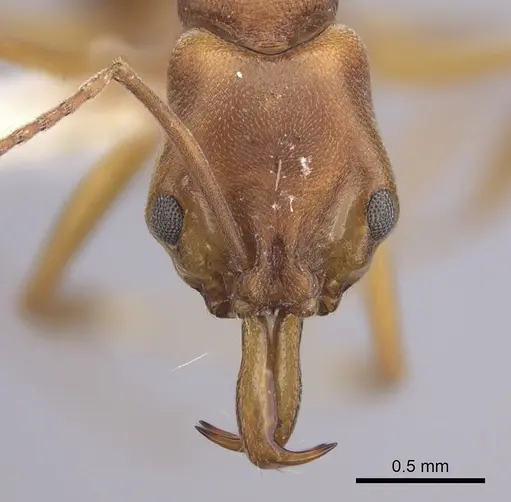
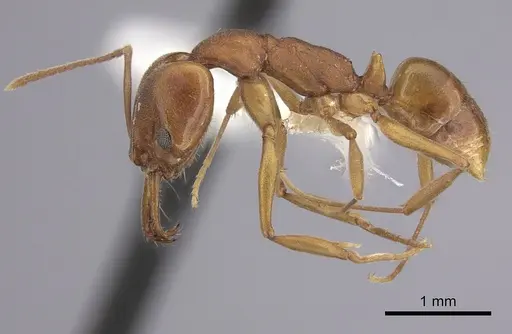
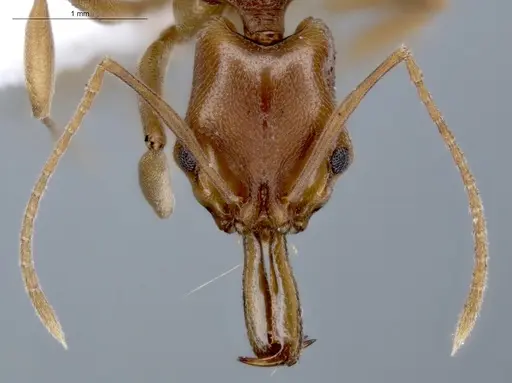
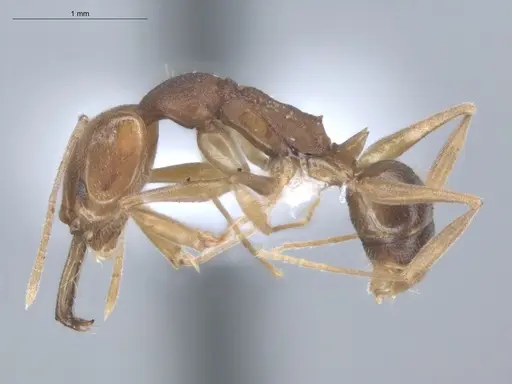
Anochetus inermis is a tiny trap-jaw ant with workers showing tawny to yellow coloration and a middle body section (alitrunk) measuring less than 1.2 mm [1][2]. These miniature hunters occur across the Caribbean islands and northern South America, including Trinidad and Tobago, Colombia, Venezuela, and the Lesser Antilles [3][4].
In the wild, they live in the leaf-litter layer of tropical forests, showing up in both pristine rainforest and highly disturbed habitats [5][6][3]. They use their spring-loaded mandibles to capture small prey, and laboratory colonies have been successfully maintained on flour beetle larvae [7]. They pose little threat to humans, delivering a mild sting rated at just 1.5 on the Schmidt pain index [8].
Quick Summary
- Difficulty: Expert
- Origin & Habitat: Neotropical leaf-litter forests of the Caribbean and northern South America, including Trinidad, Colombia, Venezuela, and the Lesser Antilles [3][4]
- Colony Type: Unconfirmed
- Size & Growth:
- Queen: Unknown (estimated 4-5 mm based on genus patterns)
- Worker: Under 1.2 mm (alitrunk), approximately 2-3 mm total body length [1]
- Colony: Unknown (likely small, estimated under 100 workers based on leaf-litter ant patterns)
- Growth: Unknown (likely slow)
- Development: Unknown (estimated 8-12 weeks at 25°C based on related tropical species) (Timeline inferred from similar small tropical ants, actual development unconfirmed for this species)
- Antkeeping:
- Temperature: 24-26°C (warm tropical conditions inferred from Caribbean/Amazonian distribution) [3][4]
- Humidity: High humidity 70-80% with moist substrate to simulate leaf-litter conditions [5][6]
- Diapause: No (tropical species does not require winter rest)
- Nesting: Small naturalistic setups with leaf litter, tight chambers, and minimal open space due to tiny size
- Behavior: Trap-jaw hunters that use spring-loaded mandibles to strike prey, generally timid with a mild sting (pain rating 1.5) [8]. Extreme escape risk due to workers being under 3 mm in length.
- Common Issues: extreme escape risk due to tiny size (workers under 3 mm can squeeze through the smallest gaps)., require very small live prey such as springtails or tiny insect larvae (Tribolium castaneum) [7]., sensitive to desiccation and need consistently moist substrate., slow growth rate means colonies develop gradually and require patience.
Nest Preferences
In nature, Anochetus inermis inhabits the leaf-litter layer of tropical forests, showing presence in both pristine rainforest and disturbed areas [5][6][3]. They have been collected from liana forests and plateau forests in French Guiana, indicating a preference for humid, shaded ground cover [6].
For captive care, you should provide a naturalistic setup with actual leaf litter or decaying plant matter as substrate. Use small, tight-fitting chambers with narrow passages scaled to their tiny size (under 3 mm workers). Avoid tall, open spaces where they may feel exposed. The nest area must stay consistently moist but not waterlogged, mimicking the damp microhabitat of tropical forest floors. A test tube setup can work for founding, but ensure the cotton is pressed tightly to prevent escapes.
Feeding and Diet
Anochetus inermis is a predatory species that hunts small prey using its trap-jaw mandibles. Laboratory observations report colonies accepting Tribolium castaneum larvae (flour beetle larvae) as food [7][9].
In captivity, you should offer small live prey such as springtails, tiny fruit flies, or freshly hatched pinhead crickets. Prey items should be small enough for the workers to handle given their diminutive size (under 3 mm). While they may accept some sugar sources like honey water, protein should form the bulk of their diet. Remove uneaten prey quickly to prevent mold in the humid conditions they require.
Temperature and Care
As a tropical species native to the Caribbean and northern South America, Anochetus inermis requires warm, stable temperatures year-round [3][4]. You should keep them at approximately 24-26°C with minimal fluctuation.
You do not need to hibernate this species. Maintain high humidity (70-80%) by keeping the substrate damp and providing a water source. Use a heating cable or mat on one side of the nest to create a gentle gradient, but monitor closely to prevent the substrate from drying out. Because they come from humid leaf-litter environments, they are sensitive to desiccation and will die quickly if allowed to dry out.
Behavior and Temperament
Anochetus inermis possesses the characteristic trap-jaw mechanism of its genus, using spring-loaded mandibles to strike prey items rapidly. Despite being a stinging ant, they pose minimal danger to humans. Their sting rates at only 1.5 on the Schmidt pain index (mild, similar to a minor pinch) and they have medium venom lethality [8].
These ants are generally timid and will likely retreat into their nest when disturbed rather than attack. However, their extremely small size (workers under 3 mm) makes them expert escape artists. You must use excellent escape prevention including fine mesh screens, tight-fitting lids, and barriers like Fluon or talcum powder on all ventilation openings.
Colony Founding
The founding behavior of Anochetus inermis has not been directly documented in scientific studies. Based on typical patterns within the Anochetus genus, queens are likely semi-claustral, meaning the queen may need to leave the nest to forage during the founding stage rather than sealing herself in completely. However, this remains unconfirmed for this specific species.
If you attempt to found a colony, provide a small test tube or founding chamber with a moist cotton plug, but ensure access to a small foraging area where the queen can hunt if needed. Offer tiny prey items like springtails from the start. Be prepared for slow development, as small tropical species often take 8-12 weeks or longer to raise their first workers.
Frequently Asked Questions
Can I keep Anochetus inermis in a test tube?
Yes, but you must take extreme precautions against escapes. Workers are under 3 mm long and can squeeze through the tiniest gaps in cotton or around lids. Use tight-fitting cotton and consider adding a fine mesh barrier.
How long until Anochetus inermis gets its first workers?
The exact timeline is unknown. Based on similar small tropical ants, expect approximately 8-12 weeks at 25°C, but this is an estimate. Development may be slower if temperatures are lower or if the queen is stressed.
What do Anochetus inermis eat?
They are predators that hunt small prey. Laboratory colonies have been fed Tribolium castaneum (flour beetle) larvae [7]. In captivity, offer small live prey like springtails, tiny fruit flies, or pinhead crickets.
Do Anochetus inermis need hibernation?
No. They are a tropical species from the Caribbean and South America and do not require a winter rest period. Keep them warm (24-26°C) year-round [3].
How big do Anochetus inermis colonies get?
The maximum colony size is unknown. Based on their small size and leaf-litter ecology, they likely remain relatively small, possibly under 100 workers, but this is an estimate.
Can I keep multiple Anochetus inermis queens together?
This is not recommended. The colony structure (monogyne vs polygyne) is unconfirmed for this species, and combining unrelated queens risks fighting and cannibalism.
Are Anochetus inermis good for beginners?
No. Their extremely small size, requirement for tiny live prey, high humidity needs, and extreme escape risk make them suitable only for experienced antkeepers.
References

This caresheet is licensed under CC BY-SA 4.0 .
CASENT0217507
View on AntWeb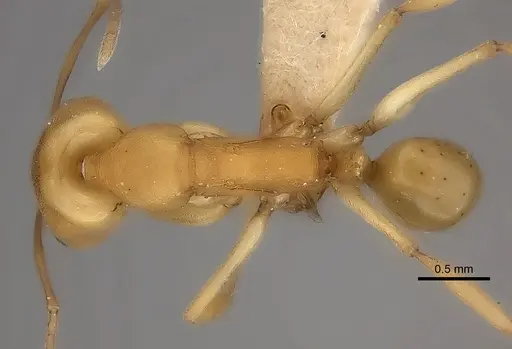
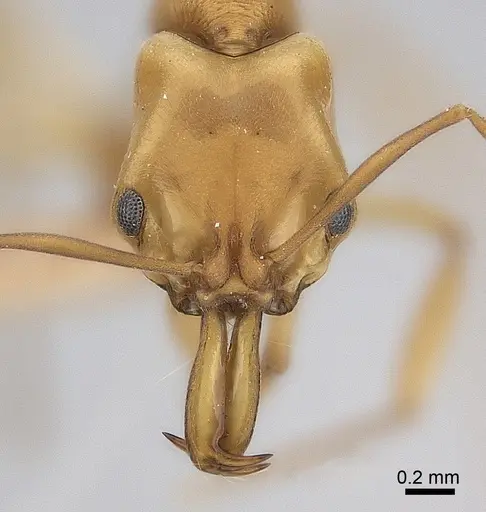
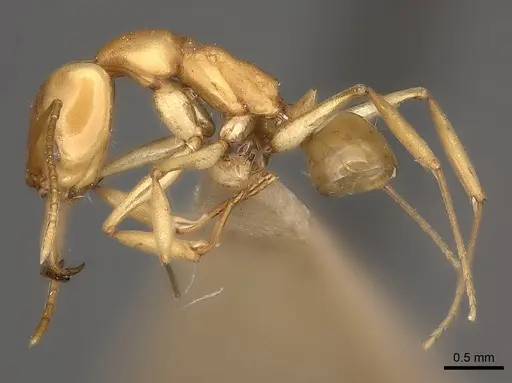
CASENT0260496
View on AntWeb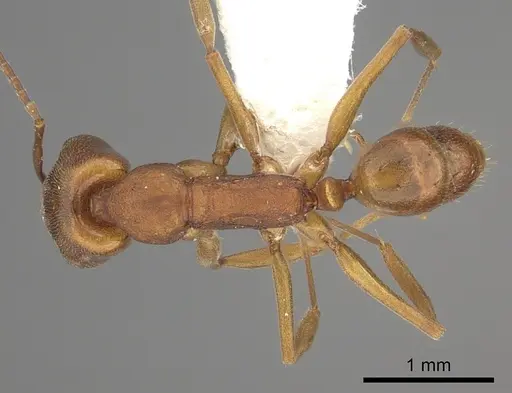
CASENT0318458
View on AntWeb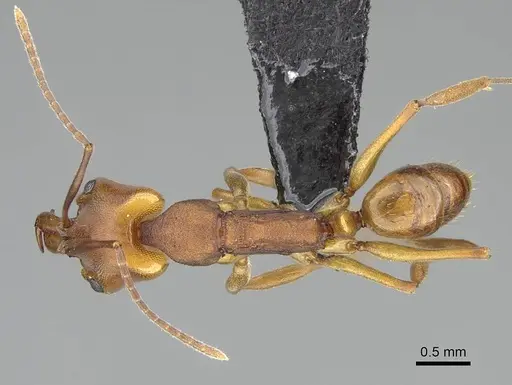
CASENT0658777
View on AntWeb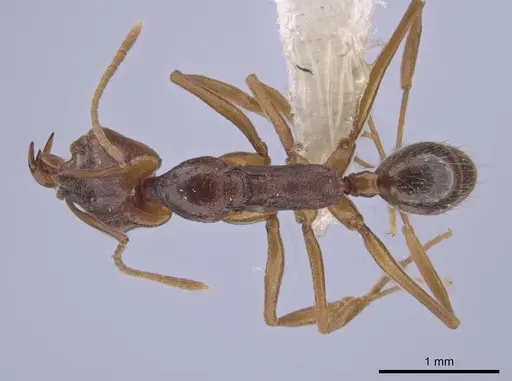
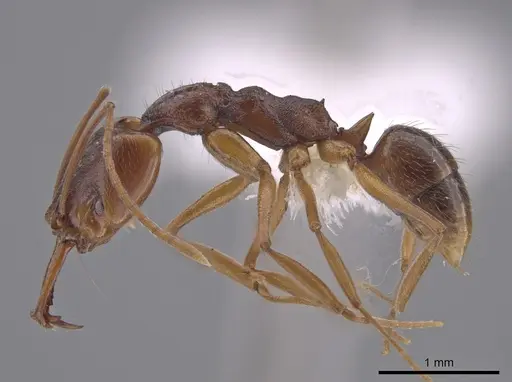
CASENT0729643
View on AntWeb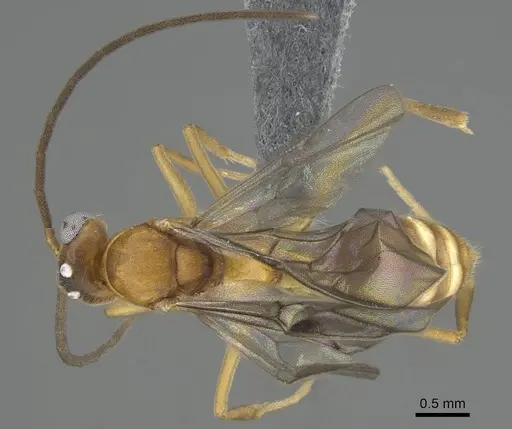
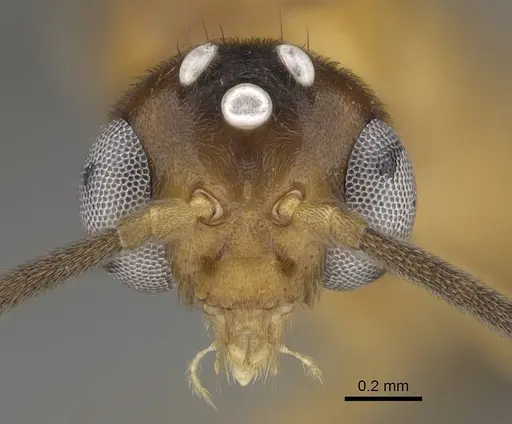
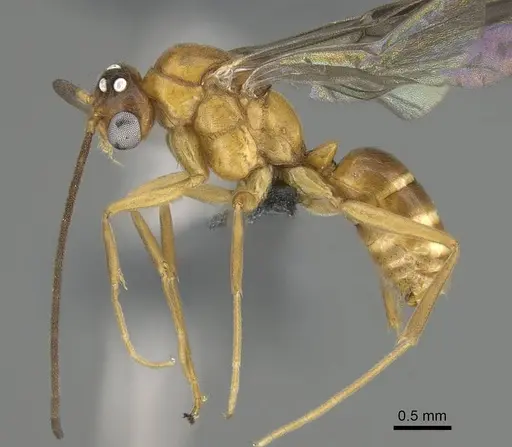
CASENT0768053
View on AntWeb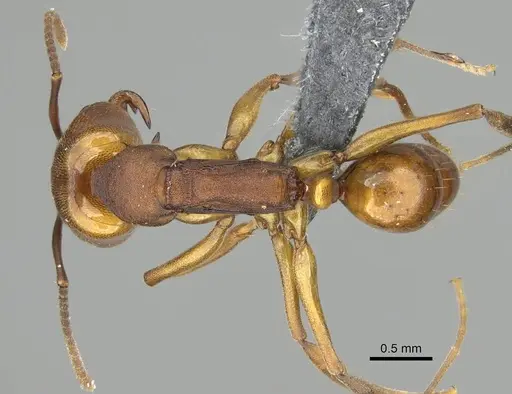
CASENT0768091
View on AntWeb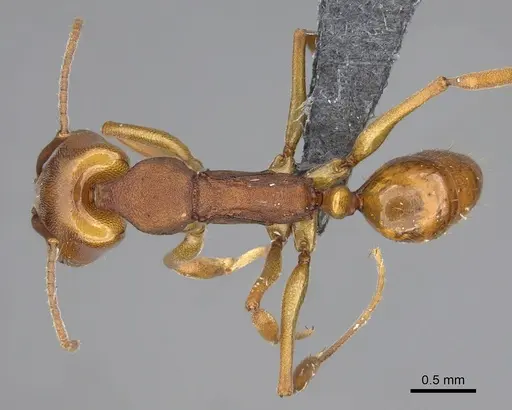
CASENT0907419
View on AntWeb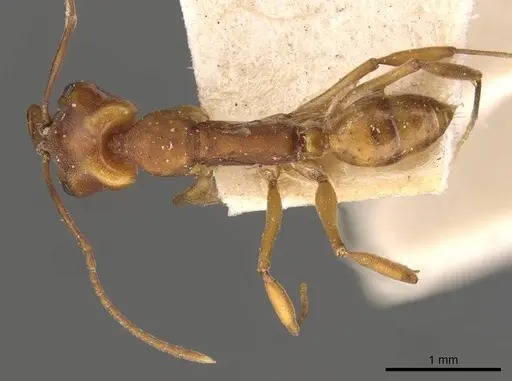
CBUMAGENT41677
View on AntWeb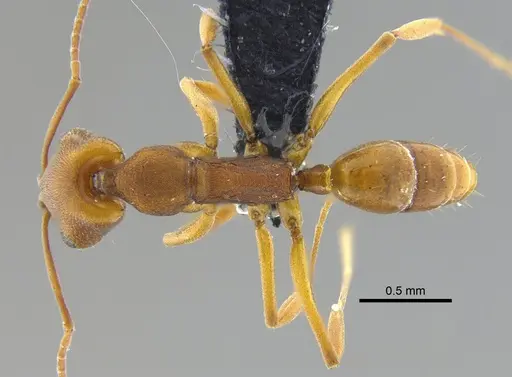
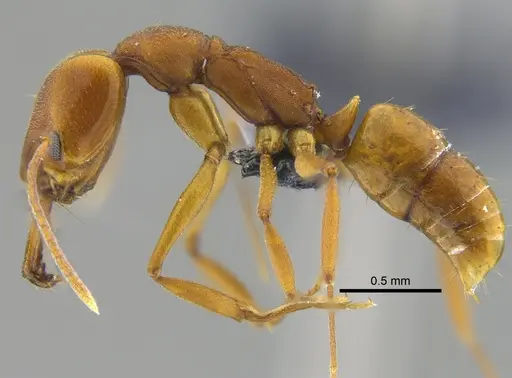
ECOFOG-CSG15-0265-04
View on AntWeb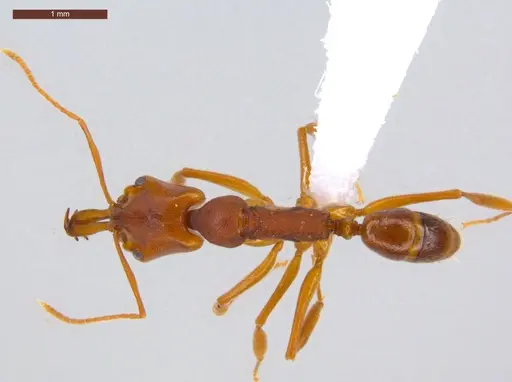
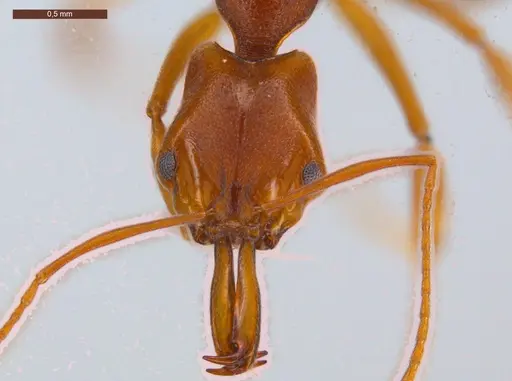
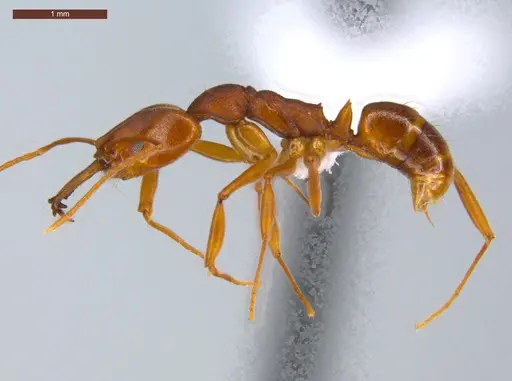
ECOFOG-IT14-0145-17
View on AntWeb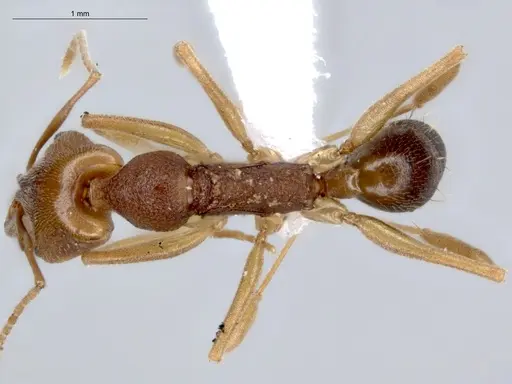
ECOFOG-SL13-0003-21
View on AntWeb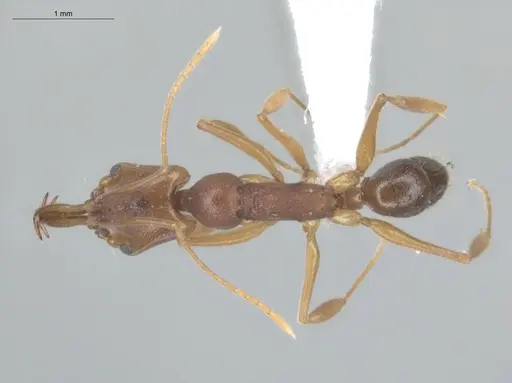
Literature
Loading...Loading products...