

Anochetus inca
- Scientific Name
- Anochetus inca
- Tribe
- Ponerini
- Subfamily
- Ponerinae
- Author
- Wheeler, 1925
- Distribution
- Found in 1 countries
Anochetus inca Overview
Anochetus inca is an ant species of the genus Anochetus. It is primarily documented in 1 countries , including Ecuador. Detailed taxonomic data and occurrence records can be further explored via authoritative databases such as AntWeb or the Global Biodiversity Information Facility (GBIF).
Anochetus inca
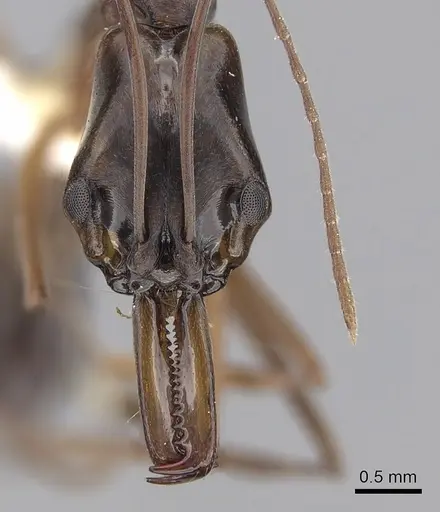
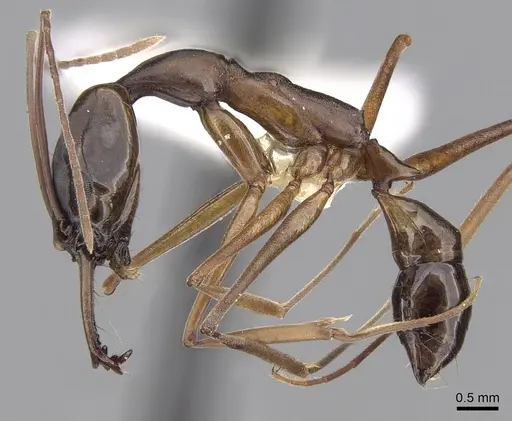
Anochetus inca is a trap-jaw ant native to the mountains and river valleys of Peru and Colombia [1][2]. Workers are noticeably large for the genus, with a low petiole and short, blunt propodeal spines that distinguish them from similar species [1]. They were first collected in 1911 from Rio Charape, Peru, at approximately 5000 feet elevation [3]. Despite their striking trap-jaw morphology, almost nothing is documented about their colony size, founding behavior, or development timeline, making them a challenging species for even experienced keepers.
Quick Summary
- Difficulty: Expert
- Origin & Habitat: Peru (Rio Charape, Valle Marañón) and Colombia (Cauca, Piamonte) at moderate elevations around 1500m [1][2][4]. They likely inhabit leaf litter and soil in montane tropical forests.
- Colony Type: Unknown, likely single-queen based on typical Anochetus patterns, but unconfirmed for this species.
- Size & Growth:
- Queen: Unknown, not described in available literature.
- Worker: Estimated 5-7mm, described as 'very large' for the genus Anochetus [1].
- Colony: Likely small, estimated under 100 workers, inferred from typical Anochetus colony structure.
- Growth: Slow
- Development: Unknown, estimated 8-12 weeks at 25°C based on related trap-jaw ants in subfamily Ponerinae. (Development time is unconfirmed. Tropical Ponerinae typically develop slower than formicine ants.)
- Antkeeping:
- Temperature: Likely 22-26°C, inferred from collection at 1500m elevation in tropical regions. Provide a gentle gradient with a warm side.
- Humidity: Moderate to high humidity. Keep nest substrate damp but not waterlogged, with good ventilation to prevent mold.
- Diapause: No, tropical species from equatorial regions do not require hibernation.
- Nesting: Naturalistic setup with leaf litter and soil substrate preferred. They likely nest in soil or rotting wood in nature.
- Behavior: Trap-jaw predatory ants with specialized spring-loaded mandibles for hunting small prey. Likely nocturnal and relatively slow-moving. Moderate escape risk, while larger than some Anochetus, workers are still small enough to squeeze through tiny gaps.
- Common Issues: lack of documented care requirements means you must observe carefully and adjust conditions based on colony response rather than following a guide., trap-jaw ants often refuse dead prey and require small live insects, which can be difficult to source consistently., small colony size means the nest can be quickly fouled by overfeeding or leaving prey too long., wild-caught colonies may carry mites or parasites that overwhelm the small colony in captivity.
Nest Preferences and Setup
In nature, Anochetus inca likely nests in soil or leaf litter in montane forests [1]. For captivity, a naturalistic setup works best, use a container with a mix of soil, leaf litter, and small pieces of rotting wood to create humid microhabitats. If using a formicarium, choose one with small chambers and tight tunnels scaled to their size. Because they come from moderate elevations (around 5000 feet), they need humidity but also appreciate some air circulation. Avoid completely sealed setups, instead, provide ventilation while maintaining damp substrate. A test tube setup can work for small colonies, but add soil or sand to give them something to grip and arrange.
Feeding and Diet
As trap-jaw ants, Anochetus inca are specialized predators. They hunt small live prey using their spring-loaded mandibles. In captivity, offer tiny live insects such as springtails, fruit flies, or very small crickets. They may not accept dead prey or commercial ant food. Feed small amounts frequently rather than large meals that could rot in the humid nest. If the colony is small (under 20 workers), remove uneaten prey within 24 hours to prevent mold. Sugar sources like honey or sugar water may be accepted, but protein from live prey is essential for brood development.
Temperature and Seasonal Care
Collected from 1500m elevation in tropical Peru and Colombia, these ants likely prefer moderate warmth rather than extreme heat [1][3]. Aim for 22-26°C with a slight gradient across the nest. You can achieve this with a heating cable on one side of the enclosure. Because they are tropical, they do not need hibernation (diapause) and should be kept active year-round. Avoid letting temperatures drop below 20°C for extended periods. Stable conditions are more important than exact numbers, watch the colony, if workers cluster near the heat source, increase warmth slightly.
Behavior and Trap-Jaw Mechanics
Anochetus inca possesses the characteristic trap-jaw mechanism seen in all Anochetus species. Their mandibles can snap shut at incredible speeds when triggered by sensory hairs, stunning or killing prey. This makes them fascinating to observe but also means they need appropriate prey, items too large cannot be properly struck. They are generally shy ants that prefer to stay hidden in substrate. They are not aggressive toward keepers but can bite if threatened. Their sting is present but small, unlikely to cause significant pain to humans.
Colony Founding
Founding behavior for Anochetus inca has not been documented in scientific studies. Based on patterns from other Anochetus species, queens are likely semi-claustral, meaning the queen must leave the nest to forage for food during the founding stage rather than sealing herself in and living off stored fat. If you obtain a queen, offer her small amounts of live prey in addition to standard founding setup. However, this is speculative, observe your queen's behavior closely. If she refuses food or attempts to seal herself in a chamber, respect those cues and minimize disturbance.
Frequently Asked Questions
Can I keep Anochetus inca in a test tube?
Yes, for founding or small colonies, but add soil or sand to the test tube. Pure water test tubes may be too sterile for these soil-nesting ants. Provide a dark, humid environment with small prey items.
How long until Anochetus inca gets their first workers?
The egg-to-worker timeline is unknown for this species. Based on related trap-jaw ants in the subfamily Ponerinae, expect roughly 8-12 weeks at 25°C, though this could vary significantly.
Can I keep multiple Anochetus inca queens together?
Not recommended. While the exact colony structure is unconfirmed, most Anochetus species are single-queen (monogyne). Combining unrelated queens will likely result in fighting.
Are Anochetus inca good for beginners?
No. They are expert-level ants due to the complete lack of documented care information, likely need for live prey, and probable slow growth rate. Beginners should start with better-studied species like Lasius or Camponotus.
Do Anochetus inca need hibernation?
No. They come from tropical Peru and Colombia and remain active year-round. Keep them at stable room temperature or slightly warmed throughout the year.
What do Anochetus inca eat?
Small live insects such as springtails, fruit flies, and tiny crickets. They are specialized predators and may not accept dead prey or commercial ant food.
How big do Anochetus inca colonies get?
Unknown, but likely small. Most Anochetus species maintain colonies of fewer than 100 workers. Do not expect large, booming colonies.
References

This caresheet is licensed under CC BY-SA 4.0 .
CASENT0281875
View on AntWeb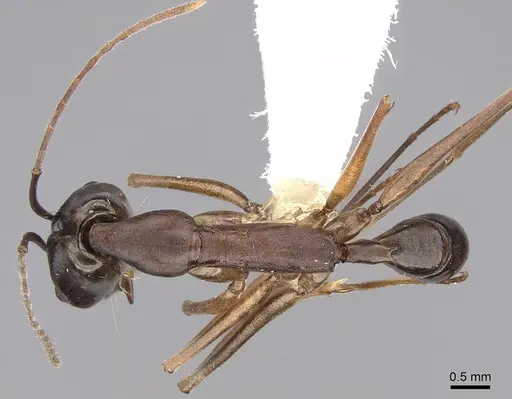
Literature
Loading...Loading products...