

Anochetus diegensis
- Scientific Name
- Anochetus diegensis
- Tribe
- Ponerini
- Subfamily
- Ponerinae
- Author
- Forel, 1912
- Distribution
- Found in 9 countries
Anochetus diegensis Overview
Anochetus diegensis is an ant species of the genus Anochetus. It is primarily documented in 9 countries , including Brazil, Colombia, Costa Rica. Detailed taxonomic data and occurrence records can be further explored via authoritative databases such as AntWeb or the Global Biodiversity Information Facility (GBIF).
Anochetus diegensis
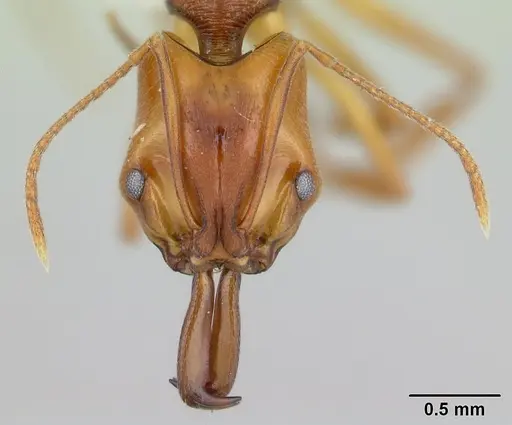
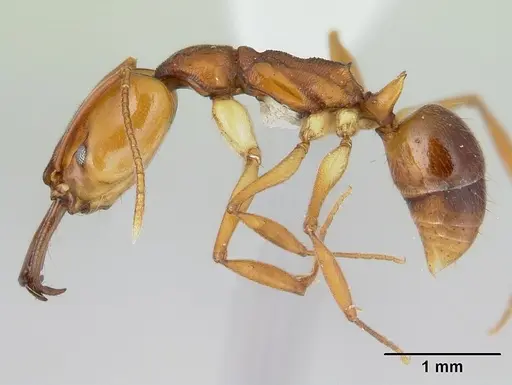
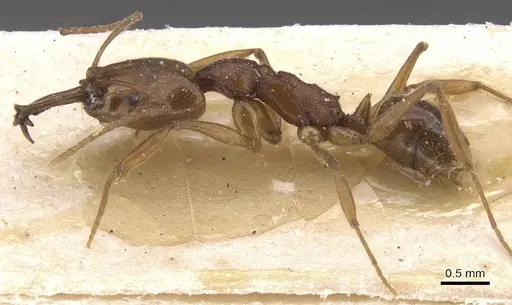
Anochetus diegensis is a tiny trap-jaw ant native to the Neotropical region. You will find them from Costa Rica south to Argentina, including throughout the Amazon basin and Atlantic forests [1]. Workers are minute, with head capsules under 1.20 millimeters wide and combined head-plus-mandible lengths of only 1.75 to 2.2 millimeters [2]. These cryptic ants live in the leaf-litter layer of tropical rainforests [3][4], where they hunt small soil arthropods as generalist predators [5].
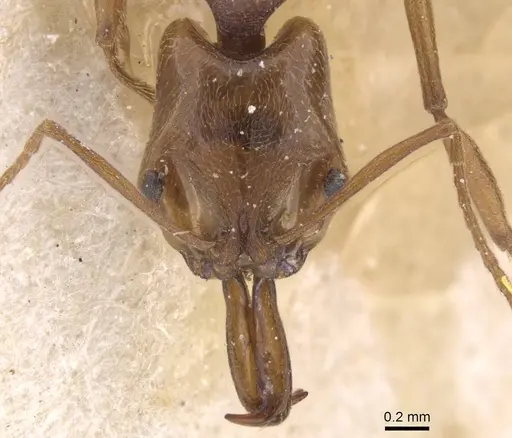
They possess the spring-loaded trap-jaw mandibles typical of their genus [6]. Researchers usually collect them using Winkler extractors from forest floor samples [4][7], though they also survive in urban green spaces and agricultural areas [7][8].
Quick Summary
- Difficulty: Medium
- Origin & Habitat: Neotropical region from Costa Rica to Argentina [1], found in tropical rainforest leaf-litter and humid forests from sea level to 1000 meters elevation [3][9].
- Colony Type: Unconfirmed, likely single-queen (monogyne) based on typical Anochetus patterns.
- Size & Growth:
- Queen: Unknown, approximately 3-4mm based on genus patterns.
- Worker: Head capsule under 1.20mm wide, with head plus mandible length of 1.75-2.2mm [2].
- Colony: Unknown, likely under 100 workers based on leaf-litter predator ecology.
- Growth: Moderate.
- Development: Estimated 8-12 weeks at 25-27°C. (Timeline is not directly studied, estimate based on related tropical Ponerinae species.)
- Antkeeping:
- Temperature: Keep at 24-28°C (75-82°F), you must provide stable tropical warmth year-round.
- Humidity: Keep nest material consistently moist, similar to damp rainforest leaf-litter [3][4].
- Diapause: Not required, this is a tropical species.
- Nesting: Use small naturalistic setups with leaf-litter layers, or artificial nests with tiny chambers and excellent sealing to prevent escapes.
- Behavior: Cryptic leaf-litter predator with trap-jaw mandibles for hunting small prey [5], slow-moving and secretive, escape risk is extreme due to minute size [2].
- Common Issues: escape prevention is critical, workers are minute and squeeze through the tiniest gaps in standard formicarium joints [2]., colonies die if the nest dries out, you must maintain moisture similar to tropical leaf-litter [3]., prey must be appropriately sized, they hunt tiny soil arthropods and may ignore large insects [5]., wild-caught colonies may carry mites or parasites that spread in captive conditions.
Nest Preferences and Habitat
You will find Anochetus diegensis in the leaf-litter of tropical rainforests across the Neotropics [3][4]. They occur in various forest types including liana forests, plateau forests, and transition forests [10], from sea level up to 1000 meters elevation [3][9]. They prefer humid conditions and are frequently collected from decaying leaf matter using Winkler extractors [4][7].
In captivity, you should replicate these conditions with a naturalistic setup containing moist leaf-litter and small hiding places. You can also use artificial nests with very small chambers, but you must ensure all gaps are sealed because these ants are extremely small [2]. A heating cable on one side of the nest helps create a temperature gradient, but place it on top to avoid drying out the nest material.
Feeding and Diet
These ants are generalist predators of soil and litter arthropods [5][11]. In nature, they hunt small prey in the leaf-litter layer using their trap-jaw mandibles to strike and capture food [6].
You should feed your colony tiny live prey such as springtails, fruit flies, or very small insect pieces. Avoid large prey items that they cannot handle. While they may accept sugar water or honey, protein is essential for this predatory species. Offer food every 2-3 days, removing any uneaten items to prevent mold in the humid conditions they require.
Temperature and Humidity Requirements
Anochetus diegensis comes from tropical habitats where temperatures stay warm year-round [3]. You should keep your colony at 24-28°C with a stable heat source. Avoid temperature drops below 20°C, as these tropical ants lack cold tolerance.
High humidity is critical for survival. Keep the nest material damp but not waterlogged, similar to the moist leaf-litter of their rainforest home [3][4]. You can achieve this by regularly misting naturalistic setups or using a water reservoir in artificial nests. Watch for condensation on the glass, which indicates adequate moisture levels.
Behavior and Temperament
These ants are cryptic and secretive, spending most of their time hidden in leaf-litter or small crevices [4]. They possess trap-jaw mandibles that snap shut to capture prey, a characteristic of the genus Anochetus [6]. They are not aggressive toward humans and move slowly, but their minute size makes them expert escape artists [2].
You must use fine mesh (smaller than standard screen) or Fluon barriers on all vents and lids. Check seals regularly, as their tiny bodies can squeeze through gaps that would stop larger ants.
Size and Morphology
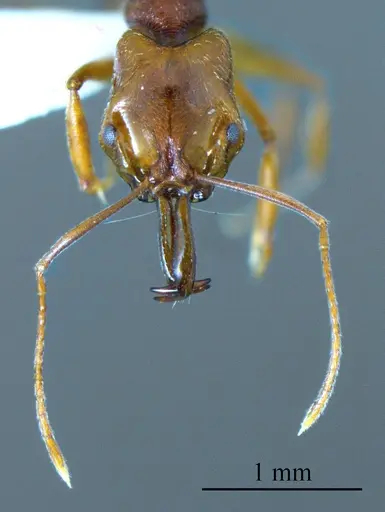
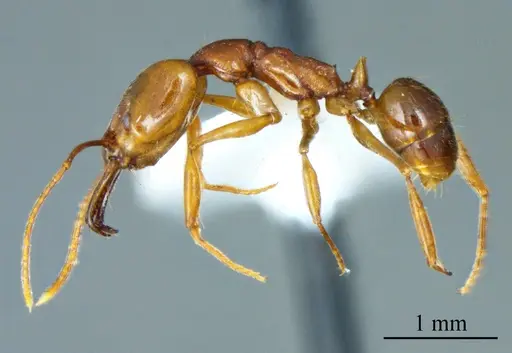
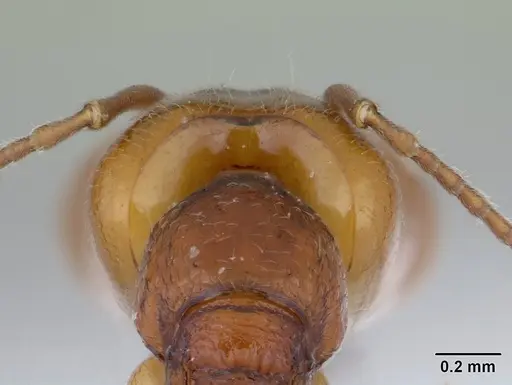
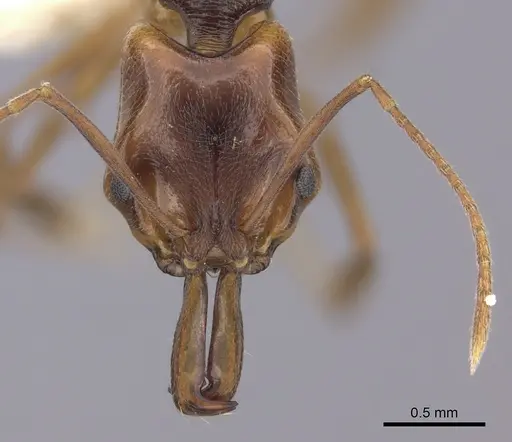
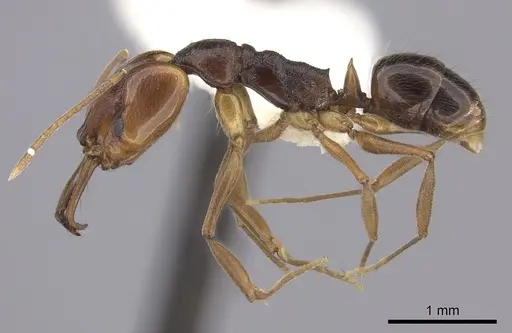
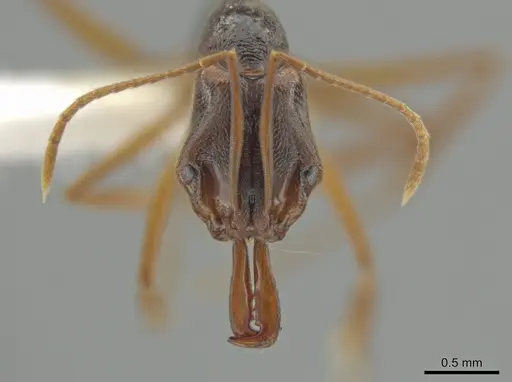
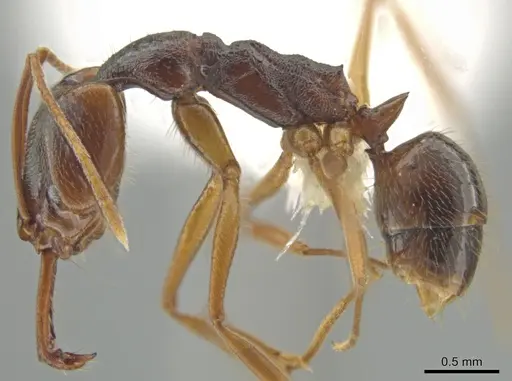
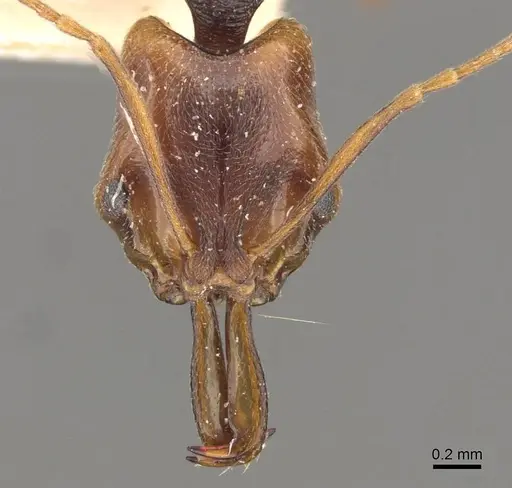
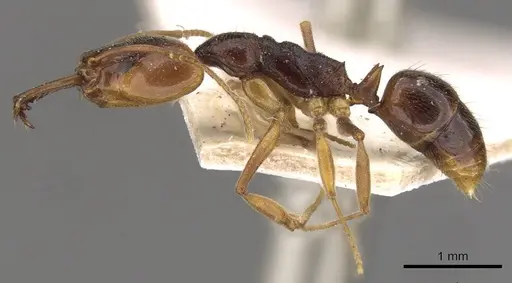
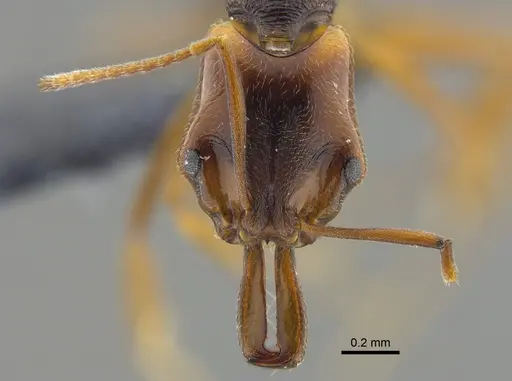
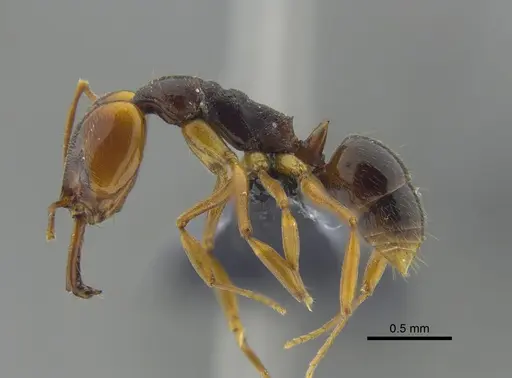
Workers are among the smallest ants in their genus, with head capsules under 1.20mm wide and combined head-plus-mandible lengths of only 1.75-2.2mm [2]. Their eyes are relatively large for their size, exceeding 0.08mm in diameter [2]. The mandibles widen toward the tips and bear small teeth or denticles [2].
This minute size means you must take extra care with ventilation mesh and formicarium seals. Standard fruit fly mesh may be too large, you should use fine steel mesh or fabric screen instead.
Frequently Asked Questions
Can I keep Anochetus diegensis in a test tube?
Yes, you can start small colonies in test tubes, but you must use very small tubes and ensure the cotton plug is tight. Their tiny size means they can squeeze through gaps in standard cotton plugs [2].
When should I move my Anochetus diegensis colony to a formicarium?
Move them when they outgrow the test tube, typically when you have 10-20 workers. Use a formicarium with very small chambers and excellent escape prevention.
How long does Anochetus diegensis take from egg to worker?
The exact timeline is unknown. Based on related tropical Ponerinae species, you can expect approximately 8-12 weeks at 25-27°C.
Can I keep multiple Anochetus diegensis queens together?
Not recommended. While the exact colony structure is unconfirmed, most Anochetus species are single-queen (monogyne). Combining queens likely leads to fighting.
Are Anochetus diegensis good for beginners?
No. Their extremely small size makes escape prevention difficult, and they require consistent tropical humidity. They are better suited for keepers with experience handling tiny species.
Do Anochetus diegensis need hibernation?
No. They come from tropical regions and remain active year-round. You should keep them warm consistently.
What do Anochetus diegensis eat?
They are generalist predators that hunt small soil arthropods. You should offer springtails, fruit flies, or other tiny live insects [5].
Why are my Anochetus diegensis dying?
Check for three common problems: the nest is too dry (maintain moisture) [3], they are escaping (check seals) [2], or prey is too large (offer smaller food) [5].
How big do Anochetus diegensis colonies get?
The maximum colony size is unknown, but leaf-litter predators typically stay small, likely under 100 workers.
References

This caresheet is licensed under CC BY-SA 4.0 .
ANTWEB1041403
View on AntWeb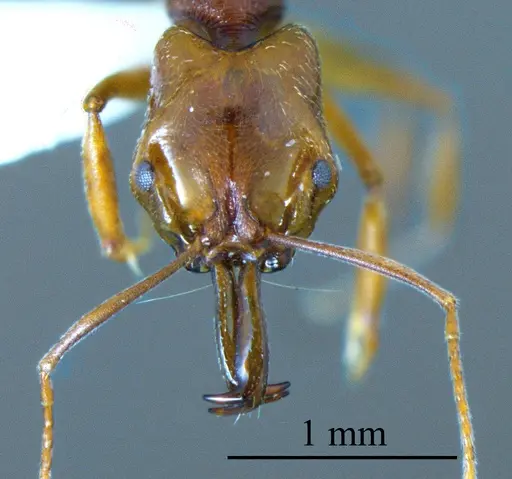
CASENT0178673
View on AntWeb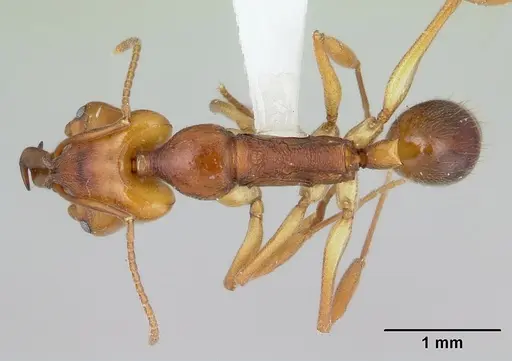
CASENT0260492
View on AntWeb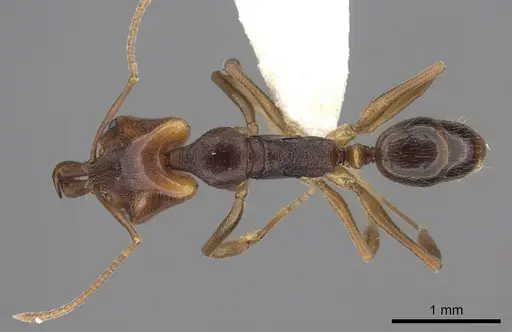
CASENT0646183
View on AntWeb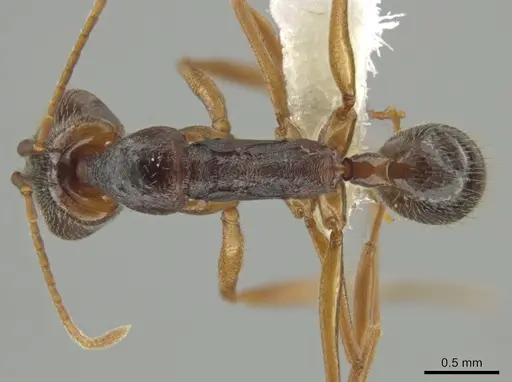
CASENT0907418
View on AntWeb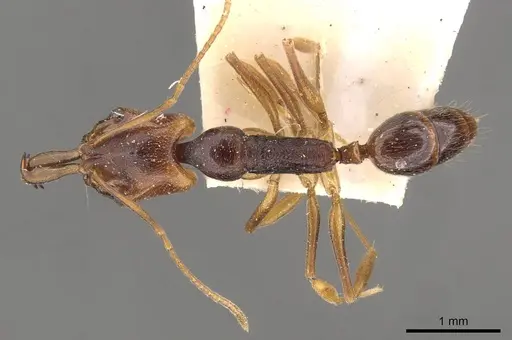
CASENT0915155
View on AntWeb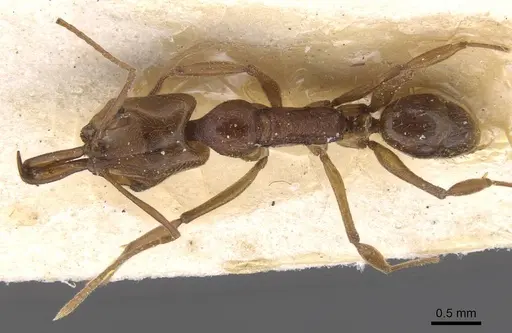
CBUMAGENT41676
View on AntWeb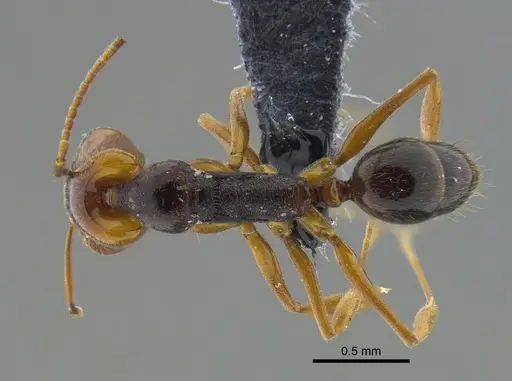
Literature
Loading...Loading products...