

Anochetus cato
- Scientific Name
- Anochetus cato
- Tribe
- Ponerini
- Subfamily
- Ponerinae
- Author
- Forel, 1901
- Distribution
- Found in 3 countries
Anochetus cato Overview
Anochetus cato is an ant species of the genus Anochetus. It is primarily documented in 3 countries , including Indonesia, Papua New Guinea, Solomon Islands. Detailed taxonomic data and occurrence records can be further explored via authoritative databases such as AntWeb or the Global Biodiversity Information Facility (GBIF).
Anochetus cato
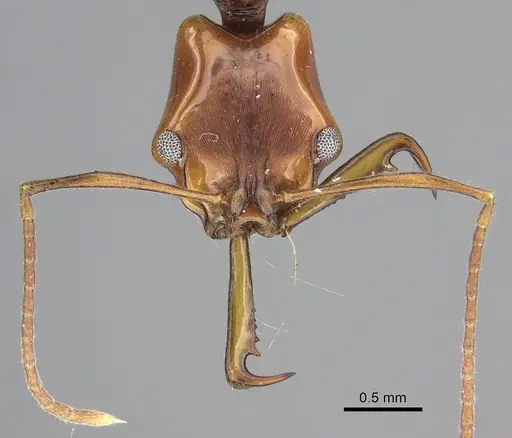
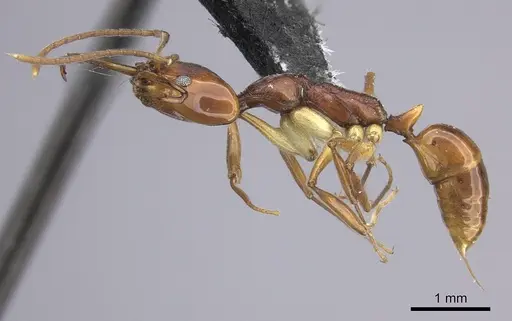
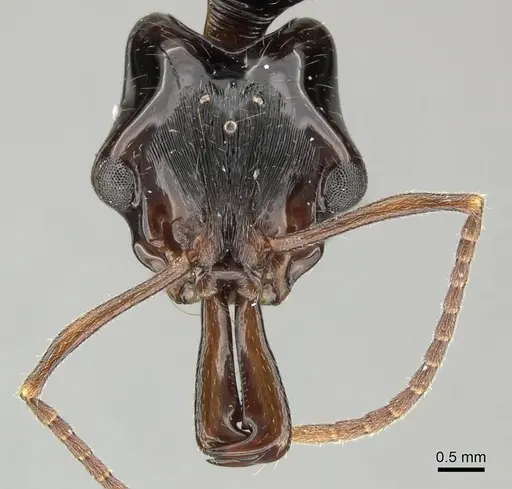
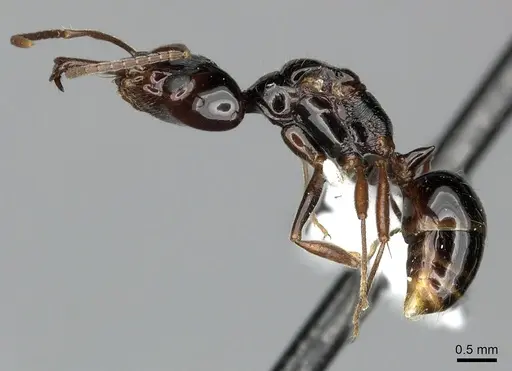
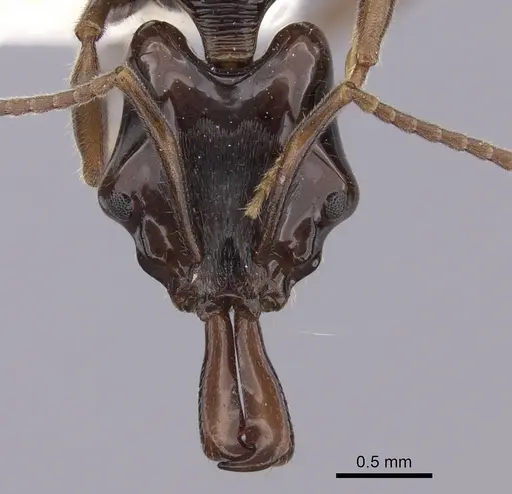
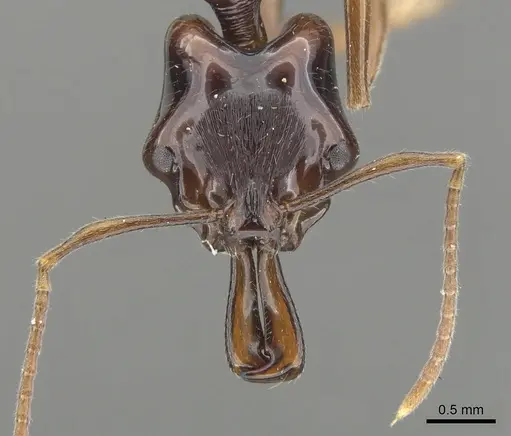
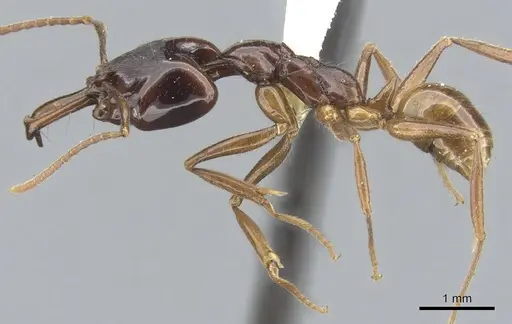
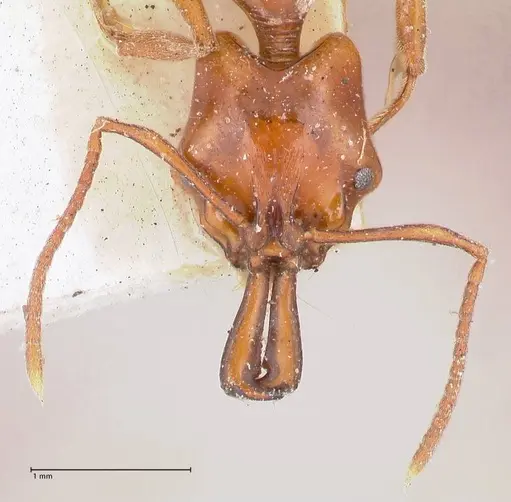
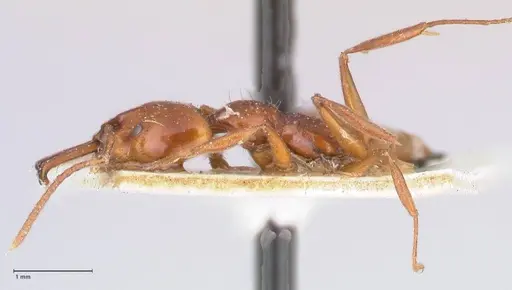
Anochetus cato is a trap-jaw ant from the rainforests of Melanesia. Workers have the characteristic long, spring-loaded mandibles that snap shut with incredible speed to catch small prey. They live across New Guinea (including Irian Jaya), the Solomon Islands, and New Britain in the Bismarck Archipelago [1][2][3].
These ants belong to the cato species group, an ancient lineage that appeared back in the Upper Miocene [4][5]. Research places them among the more primitive branches of the Anochetus genus [6], which means they may retain ancestral behaviors compared to more derived trap-jaw ants. Their natural history remains poorly documented, making them a challenging species for captive keeping.
Quick Summary
- Difficulty: Expert
- Origin & Habitat: Melanesia, native to New Guinea, the Solomon Islands (Makira, Guadalcanal, Malaita, Rendova), and the Bismarck Archipelago [1][2][3]. They inhabit tropical rainforest floor litter and rotting wood.
- Colony Type: Likely single-queen colonies, though specific colony structure is unconfirmed for this species.
- Size & Growth:
- Queen: Unknown, likely 5-7mm based on typical Anochetus patterns [3].
- Worker: Unknown, likely 3-5mm based on typical Anochetus patterns [3].
- Colony: Unknown, likely under 200 workers based on related Anochetus species.
- Growth: Moderate to slow
- Development: Unknown, likely 6-10 weeks at 25-27°C based on tropical Anochetus patterns. (First workers (nanitics) may emerge slightly faster but smaller than subsequent workers.)
- Antkeeping:
- Temperature: Warm and stable, roughly 24-28°C (inferred from tropical distribution). Use a heating cable on one side of the nest to create a gradient.
- Humidity: High humidity required, keep nest material damp like a forest floor, with some slightly drier areas available.
- Diapause: No, tropical species do not require winter rest [3].
- Nesting: Small chambers in soil or rotting wood in nature, in captivity use small formicaria or naturalistic setups with tight-fitting lids.
- Behavior: Predatory trap-jaw hunters that stalk small prey and strike with lightning-fast mandibles. They are generally shy and cryptic. Their small size means excellent escape prevention is essential.
- Common Issues: tiny size allows escape through the smallest gaps, use fine mesh and Fluon barriers., require live prey which can be difficult to source consistently., sensitive to environmental fluctuations due to tropical origins., slow growth means long waits between colony milestones.
Trap-Jaw Hunting and Feeding
Anochetus cato hunts using their specialized mandibles that can snap shut in milliseconds to impale or stun small prey. In captivity, they require live prey items small enough for them to handle. Springtails, fruit flies, and tiny cricket nymphs work well. They may also accept small pieces of fresh insect prey, but live food triggers their natural hunting response best.
Unlike many ants that rely heavily on sugar sources, trap-jaw ants are primarily predators. You can offer honey or sugar water occasionally, but protein should form the bulk of their diet. Feed small amounts frequently rather than large dumps of food that could rot in the humid conditions they prefer.
Because they hunt by striking with their mandibles, they need open foraging space where they can maneuver and target prey. Crowded conditions or overly complex foraging areas may limit their ability to feed effectively. [3]
Nest Preferences and Housing
In nature, Anochetus cato nests in small chambers in rotting wood or soil on the forest floor [3]. For captive colonies, choose a nest that mimics these small, enclosed spaces. Small Y-tong (AAC) nests, plaster nests, or naturalistic setups with rotting wood pieces work well.
The nest must have excellent escape prevention. These are small ants that can squeeze through tiny gaps. Use fine mesh (under 0.5mm) for ventilation, and apply Fluon or PTFE barrier to the upper edges of any outworld. Check that lids seal tightly and that any tubing connections are secure.
Keep the nest material damp but not waterlogged. You want the consistency of a wrung-out sponge. Provide a slight gradient with one area slightly drier so the ants can choose their preferred humidity level.
Temperature and Environmental Needs
Coming from tropical Melanesia, Anochetus cato needs warm, stable temperatures. Aim for roughly 24-28°C in the nest area. You can achieve this with a heating cable or heat mat placed on one side of the nest, creating a thermal gradient that lets the ants regulate their temperature.
Avoid temperature swings. These ants are sensitive to cold drafts or sudden drops. Room temperature (20-22°C) may be too cool for optimal brood development, though they might survive it. If your room runs cool, supplemental heating is necessary.
Humidity should remain high. Mist the foraging area occasionally or provide a water source, but ensure the nest itself has damp substrate. Stagnant air causes mold, so balance humidity with adequate ventilation, use small ventilation holes covered with fine mesh to allow air exchange without creating drafts. [1][3]
Colony Founding and Growth
The founding behavior of Anochetus cato has not been directly observed. Based on patterns from other Anochetus species, queens are likely semi-claustral, meaning they may need to forage during the founding stage rather than sealing themselves in completely. However, this remains unconfirmed.
If you obtain a founding queen, provide her with a small, secure chamber and offer tiny live prey regularly. Do not assume she will survive entirely on her body reserves. Small springtails or fruit flies are appropriate for a lone queen.
Colony growth is likely slow to moderate. These are not fast-growing ants like some tropical species. Expect months between major growth milestones. The colony probably remains small even when mature, perhaps a few dozen to a couple hundred workers, though exact numbers are unknown for this species. [3]
Frequently Asked Questions
Can I keep Anochetus cato in a test tube?
Test tubes can work for founding queens, but ensure the water reservoir is small to prevent flooding. However, these ants prefer small chambers with substrate rather than bare glass. Once workers arrive, move them to a small formicarium or naturalistic setup with soil or rotting wood.
How long until first workers for Anochetus cato?
The exact timeline is unknown. Based on related tropical Anochetus species, expect roughly 6-10 weeks at 25-27°C, though this varies with temperature and individual queen condition.
What do Anochetus cato eat?
They are predatory trap-jaw ants that hunt live prey. Feed them small live insects like springtails, fruit flies, and tiny cricket nymphs. They may accept sugar water or honey occasionally, but protein should be their main food source.
Are Anochetus cato good for beginners?
No, these are expert-level ants. They require live prey, specific humidity and temperature conditions, excellent escape prevention due to their small size, and have slow growth rates. Their biology is also poorly documented, making them unpredictable for novice keepers.
Do Anochetus cato need hibernation?
No, they are tropical ants from Melanesia and do not require diapause or winter rest. Keep them warm year-round.
How big do Anochetus cato colonies get?
Exact maximum size is unknown. Based on related Anochetus species, colonies likely remain relatively small, probably under 200 workers even when mature.
Can I keep multiple Anochetus cato queens together?
Not recommended. Combining unrelated queens has not been documented for this species, and most Anochetus are likely monogyne (single-queen). Attempting multi-queen setups will likely result in fighting and death.
Why are my Anochetus cato dying?
Common causes include: too cool temperatures (they need 24-28°C), lack of live prey (they often refuse dead food), dehydration (maintain high humidity), or escapes (check ventilation mesh size). They are sensitive ants that require consistent conditions.
How do I prevent Anochetus cato from escaping?
Use fine mesh under 0.5mm for ventilation holes. Apply Fluon or PTFE barrier to the upper inch of the outworld walls. Ensure all lids seal tightly and check that tubing fits snugly without gaps. Their tiny size means standard setups may need modification.
References

This caresheet is licensed under CC BY-SA 4.0 .
CASENT0199868
View on AntWeb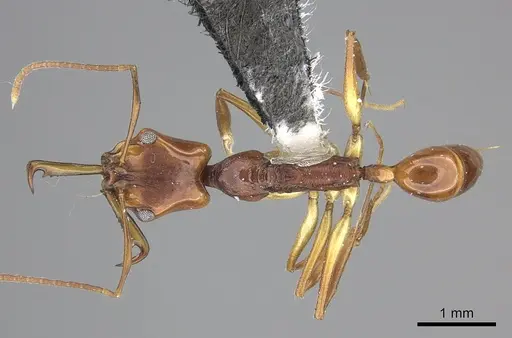
CASENT0199873
View on AntWeb
CASENT0260490
View on AntWeb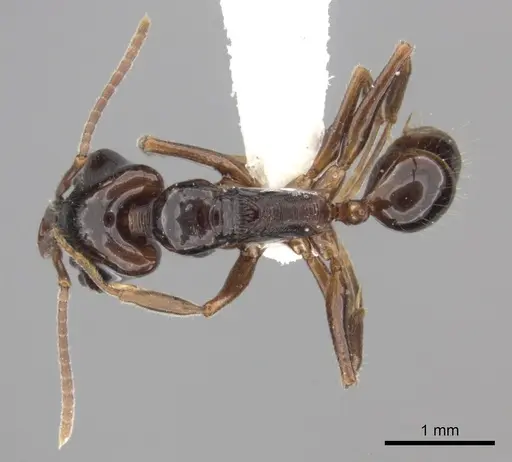
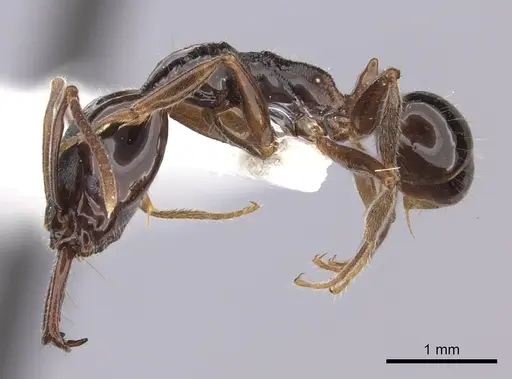
CASENT0902441
View on AntWeb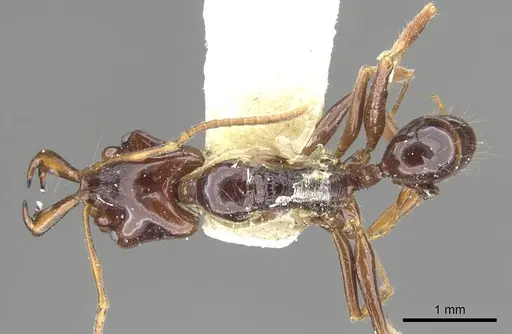
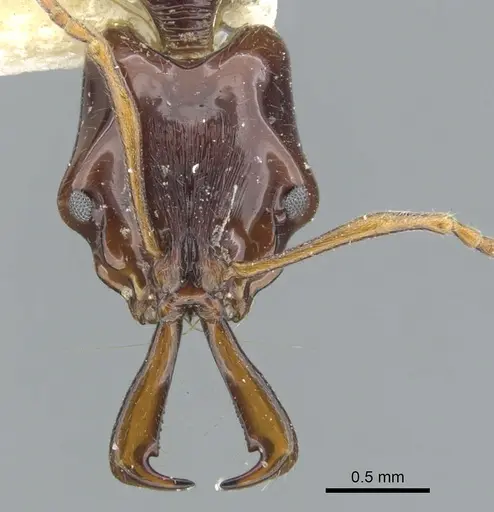
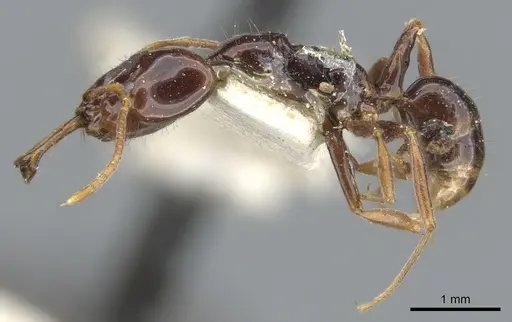
CASENT0902442
View on AntWeb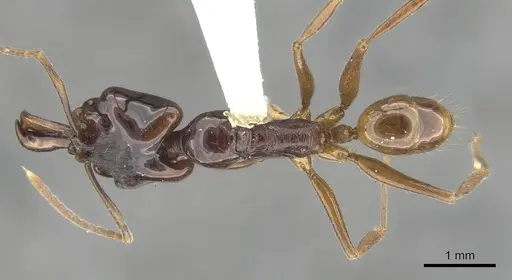
CASENT0923409
View on AntWeb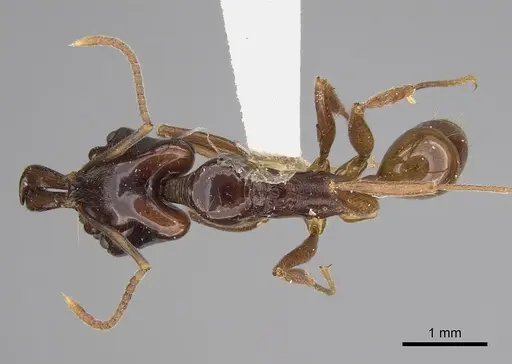
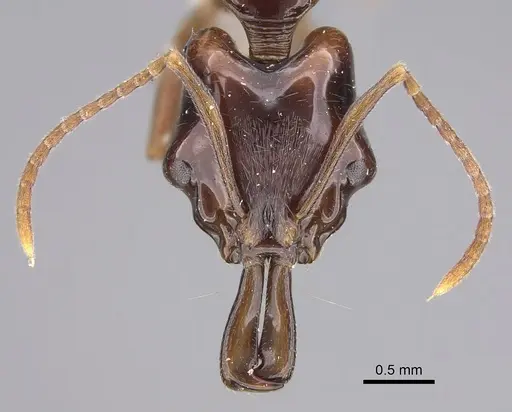
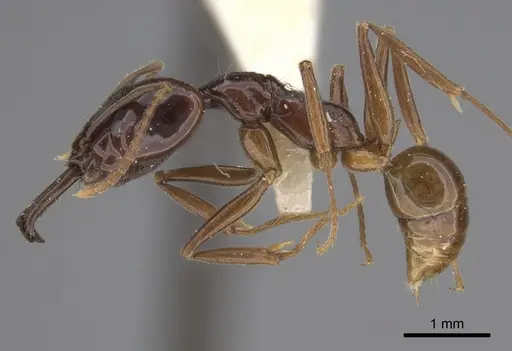
CASTYPE06926-01
View on AntWeb


CASTYPE06926-02
View on AntWeb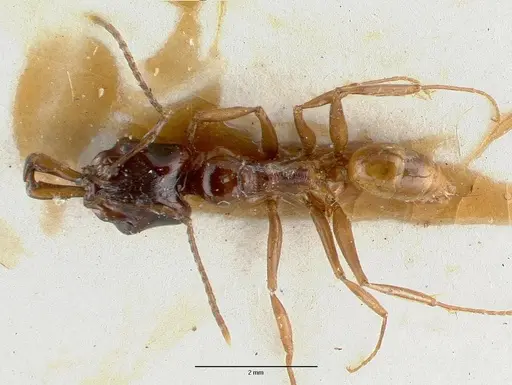


CASTYPE06977-02
View on AntWeb


FOCOL1041
View on AntWeb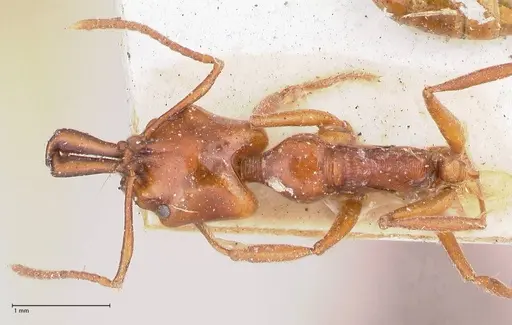
Literature
Loading...Loading products...