

Anochetus boltoni
- Scientific Name
- Anochetus boltoni
- Tribe
- Ponerini
- Subfamily
- Ponerinae
- Author
- Fisher, 2008
- Distribution
- Found in 1 countries
Anochetus boltoni Overview
Anochetus boltoni is an ant species of the genus Anochetus. It is primarily documented in 1 countries , including Madagascar. Detailed taxonomic data and occurrence records can be further explored via authoritative databases such as AntWeb or the Global Biodiversity Information Facility (GBIF).
Anochetus boltoni
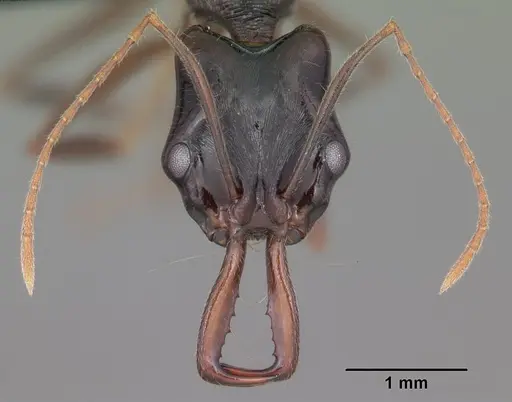
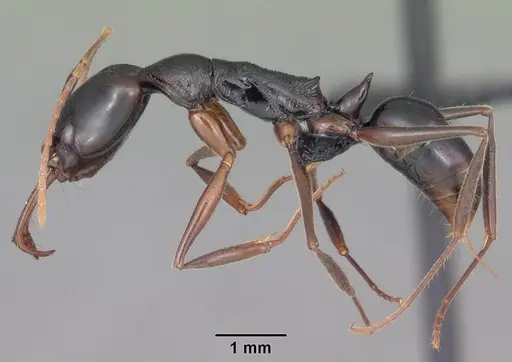
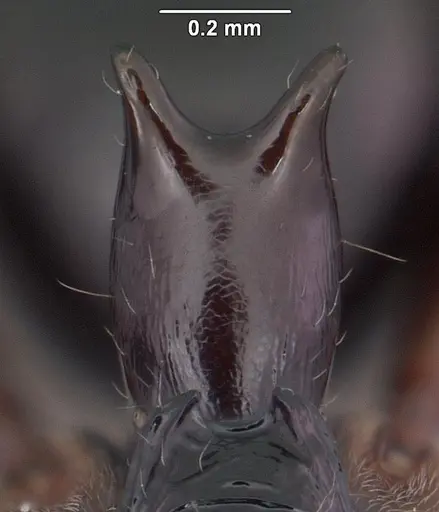
Anochetus boltoni is a small trap-jaw ant found only in the rainforests of northeastern Madagascar. Workers measure roughly 4-5mm in total length, with distinctive long spines projecting from the petiole node and powerful trap-jaw mandibles armed with five teeth and denticles along the blade [1]. The species inhabits montane rainforest between 240-750m elevation, where workers have been collected from rotten logs and leaf litter samples [1].
What makes this species particularly challenging for antkeepers is that queens have never been collected despite repeated sampling efforts [1]. Based on similarities to related species like Anochetus goodmani, researchers suspect that Anochetus boltoni colonies reproduce exclusively by fission, where mature colonies split to form new nests rather than producing winged queens for traditional mating flights [1]. This means captive colonies would need to be collected as complete units from the wild, making this an expert-only species.
Quick Summary
- Difficulty: Expert
- Origin & Habitat: Madagascar rainforest (Parc National de Marojejy and Ambanitaza region),240-750m elevation [1]
- Colony Type: Unknown, likely reproduces only by colony fission, queens never observed [1]
- Size & Growth:
- Queen: Unknown, queens have never been collected [1]
- Worker: Approximately 4-5mm total length (head length 1.80-2.08mm, head width 1.61-1.89mm) [1]
- Colony: Unknown
- Growth: Unknown
- Development: Unknown, reproduction likely occurs through colony fission rather than traditional queen founding [1] (No data exists on development timelines. Colonies likely expand through fission (splitting) rather than new queen establishment.)
- Antkeeping:
- Temperature: Tropical rainforest conditions, maintain roughly 22-26°C based on collection elevation and habitat [1]
- Humidity: High humidity required, maintain damp substrate similar to rainforest floor conditions, never allow complete drying [1]
- Diapause: Unknown, likely not required for tropical rainforest species
- Nesting: Naturalistic setups with layers of leaf litter and rotten wood pieces, tight-fitting chambers preferred [1]
- Behavior: Trap-jaw predators that use spring-loaded mandibles to strike prey, likely hunt small soil arthropods. Small size requires excellent escape prevention [1]
- Common Issues: queens have never been collected, making traditional captive founding impossible., colonies likely only obtainable through collection of wild colonies or fission events., tiny size means escapes are likely without fine mesh barriers and perfect sealing., virtually no captive care information exists, you will be pioneering their care., wild-caught colonies may carry parasites or pathogens that kill them in captivity.
Natural History and Distribution
Anochetus boltoni lives only in the montane rainforests of northeastern Madagascar. Collections come from two main areas: Parc National de Marojejy at elevations between 450-750m, and the Ambanitaza region near Antalaha at 240m elevation [1]. These locations represent humid, shaded rainforest habitat with abundant leaf litter and decaying wood.
Interestingly, researchers have identified two genetically distinct populations separated by only 40km. The Ambanitaza population differs from the Marojejy specimens by 34 base pairs in the CO1 gene and shows differences in spine shape [1]. This deep genetic divergence (up to 8%) suggests these populations have been isolated for a significant time, though both occupy similar microhabitats.
Nest Preferences
In nature, Anochetus boltoni nests in rotten logs and deep leaf litter layers. Of the known collections, three came from rotten logs and one from a sifted leaf litter sample [1]. This suggests they prefer humid, decaying wood with tight spaces rather than open soil nests.
For captive housing, you should recreate this microhabitat. Use a naturalistic setup with a base of sandy soil mixed with leaf litter, topped with pieces of soft, decaying wood that can be kept moist. The nest should offer small cavities and tight spaces between wood pieces. Avoid tall, open chambers, these ants likely prefer confined spaces similar to the crevices in rotting logs.
Feeding and Diet
As a trap-jaw ant, Anochetus boltoni possesses spring-loaded mandibles that snap shut at incredible speeds to capture prey. While specific dietary studies do not exist for this species, related Anochetus species are generalist predators of small soil arthropods.
You should offer small live prey appropriate for their size. Springtails, tiny soil mites, and very small insect nymphs are likely appropriate. The trap-jaw mechanism requires live prey to trigger the strike reflex. You can also try offering small pieces of fresh insect prey, though they may prefer live food. Sugar sources like honey water may be accepted but should not be relied upon as the primary food source. [1]
Reproduction and Colony Founding
This is where Anochetus boltoni becomes extremely challenging for antkeepers. Queens have never been collected despite extensive sampling using multiple methods including malaise traps [1]. This absence strongly suggests that this species does not produce winged queens for mating flights.
Instead, Anochetus boltoni likely reproduces through colony fission, also called budding. In this system, a portion of the colony (including workers and brood) simply walks away to establish a new nest, while the original colony continues. Some related Anochetus species have wingless reproductive females that look like workers, but even these have not been found in Anochetus boltoni.
For you as an antkeeper, this means you cannot start a colony from a single queen. You would need to collect an entire wild colony, which carries risks of parasites and makes the species suitable only for expert keepers willing to attempt pioneering care methods.
Temperature and Humidity
Anochetus boltoni comes from tropical rainforest environments at moderate elevations. Based on this habitat, you should maintain temperatures roughly between 22-26°C. Avoid temperatures below 20°C for extended periods, as these are warmth-loving tropical ants.
Humidity is critical. The rainforest floor where they live remains consistently moist but not waterlogged. Keep the substrate damp to the touch throughout the nest area, with some slightly drier areas available for the ants to choose. You will likely need to mist or water the setup regularly to maintain these conditions, but ensure good ventilation to prevent mold growth in the leaf litter. [1]
Behavior and Temperament
Like other trap-jaw ants, Anochetus boltoni likely spends much of its time hidden in leaf litter or wood crevices, emerging to hunt small prey. When disturbed, trap-jaw ants typically snap their mandibles shut with an audible click, this is a defensive reaction but can also be used to launch themselves away from danger.
Because of their small size (roughly 4-5mm), these ants can escape through incredibly small gaps. You must use excellent escape prevention including fine mesh screens (test the mesh size against the head width of 1.6-1.9mm), tight-fitting lids, and barriers like Fluon on vertical surfaces. Even a tiny gap in the seal will result in escaped workers. [1]
Frequently Asked Questions
Can I start an Anochetus boltoni colony from a single queen?
No. Queens of Anochetus boltoni have never been collected, and the species likely reproduces only by colony fission. You would need to collect an entire wild colony to keep this species.
How do Anochetus boltoni reproduce if they don't have queens?
They likely reproduce through colony fission, where a group of workers and brood splits off from the main colony to start a new nest. This is common in some trap-jaw ant lineages where winged queens are absent.
What do Anochetus boltoni eat?
As trap-jaw ants, they are predators that likely hunt small soil arthropods like springtails and mites. Offer small live prey that can trigger their trap-jaw hunting response.
How big are Anochetus boltoni workers?
Workers are small, measuring roughly 4-5mm in total body length with heads about 1.8-2.1mm long.
Where do Anochetus boltoni live in the wild?
They live only in the rainforests of northeastern Madagascar, specifically in Parc National de Marojejy and the Ambanitaza region, at elevations between 240-750m.
Can I keep Anochetus boltoni in a test tube setup?
Probably not. Their natural nesting in rotten logs and leaf litter suggests they need a more complex, naturalistic setup with wood and soil, not a bare test tube.
Are Anochetus boltoni good for beginners?
No. This is an expert-only species due to the lack of queens for founding, the need to collect wild colonies, and the complete absence of established captive care information.
Do Anochetus boltoni need hibernation?
Probably not. As a tropical rainforest species from Madagascar, they likely remain active year-round and do not require a winter rest period.
How long until Anochetus boltoni colonies get their first workers?
This is unknown. Since colonies likely reproduce by fission rather than new queens founding, there is no traditional egg-to-worker timeline. New colonies probably start with workers already present.
References

This caresheet is licensed under CC BY-SA 4.0 .
CASENT0063847
View on AntWeb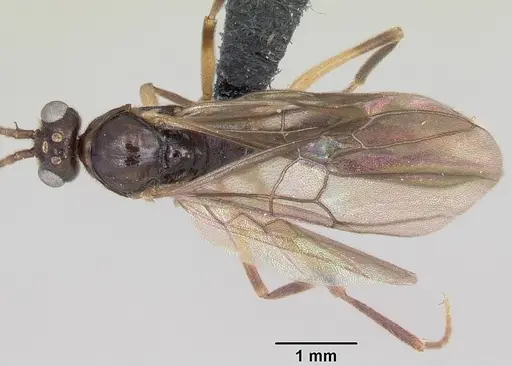
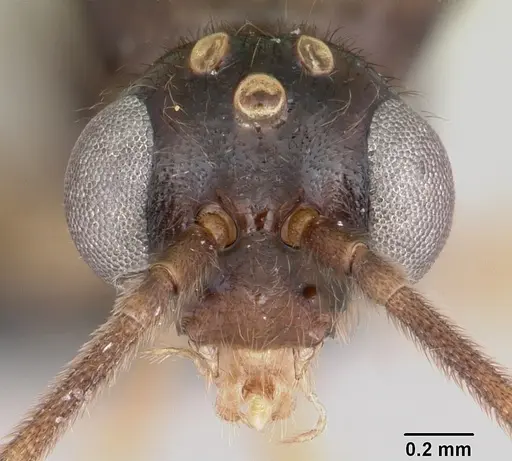
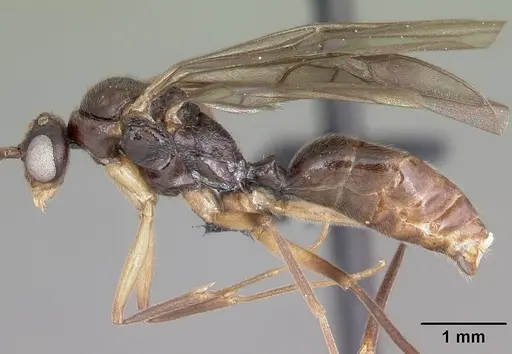
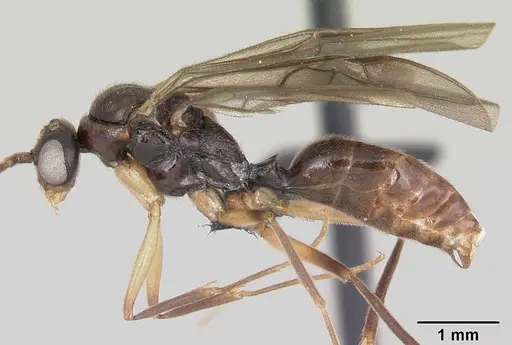
CASENT0104542
View on AntWeb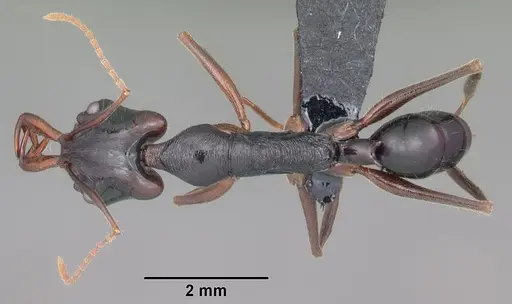
Literature
Loading...Loading products...