

Anochetus altisquamis
- Scientific Name
- Anochetus altisquamis
- Tribe
- Ponerini
- Subfamily
- Ponerinae
- Author
- Mayr, 1887
- Distribution
- Found in 2 countries
Anochetus altisquamis Overview
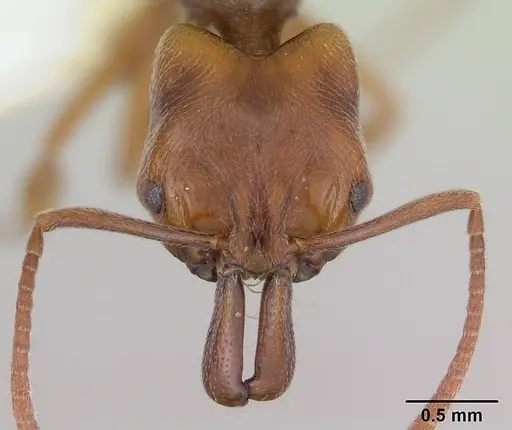
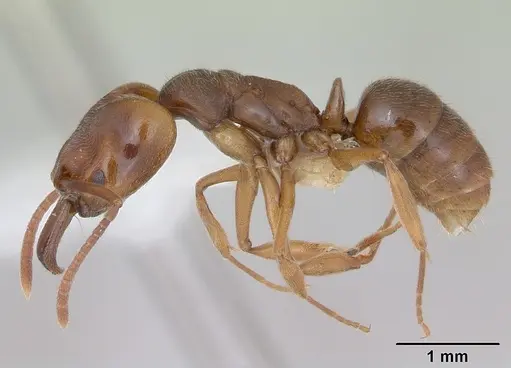
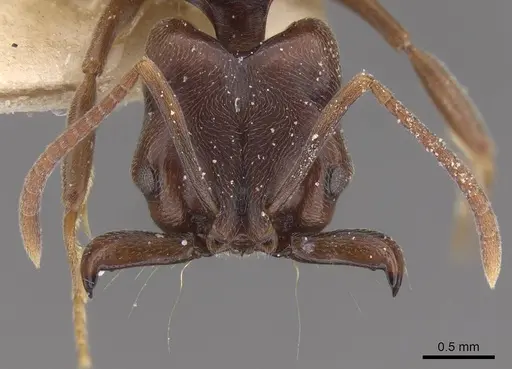
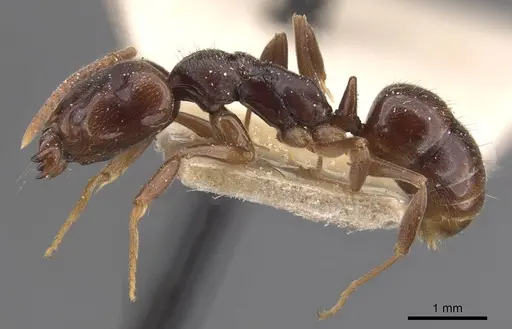
Anochetus altisquamis is an ant species of the genus Anochetus. It is primarily documented in 2 countries , including Argentina, Brazil. Detailed taxonomic data and occurrence records can be further explored via authoritative databases such as AntWeb or the Global Biodiversity Information Facility (GBIF).
Anochetus altisquamis
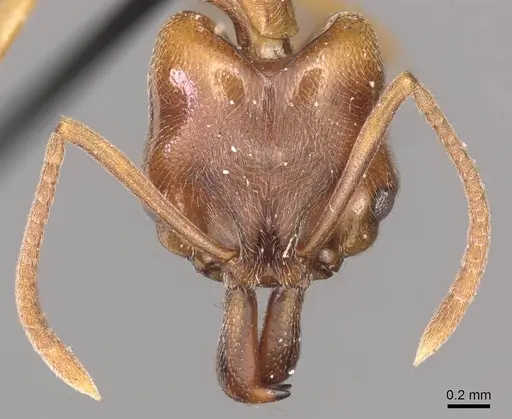
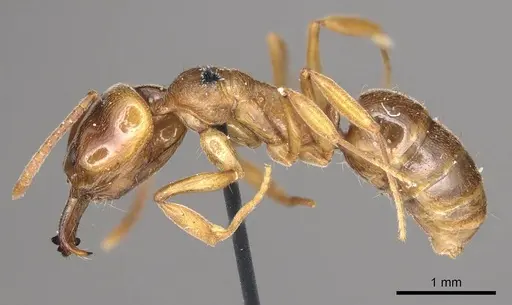
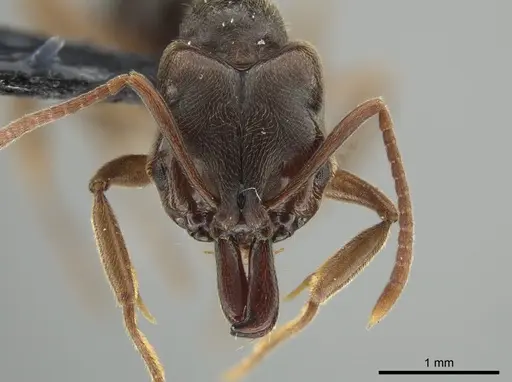
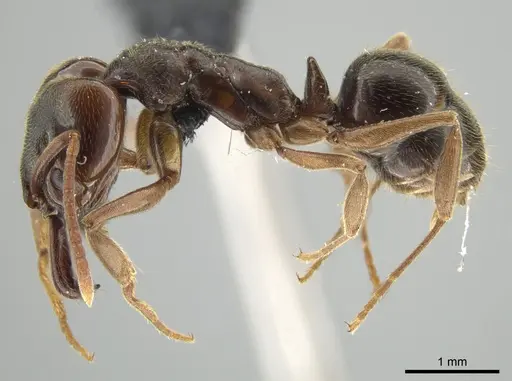
Anochetus altisquamis is a small, robust trap-jaw ant that lives in the leaf litter of South America's Atlantic Forest [1][2]. You can find them from southern Brazil through Paraguay, Uruguay, and into Argentina [2][3]. They are a cryptic species, meaning they hide well in forest debris and are rarely seen unless you specifically search the forest floor [4]. These ants prefer undisturbed native forest and do not tolerate altered microclimates, they disappear from pine plantations and heavily disturbed areas [5]. Like all trap-jaw ants, they have lightning-fast mandibles that snap shut to catch prey, making them specialist hunters that are challenging to maintain in captivity [6][1].
Quick Summary
- Difficulty: Hard
- Origin & Habitat: Atlantic Forest of Brazil, Argentina, Paraguay, and Uruguay, leaf litter and forest floor in tropical monsoon climates [2][1][7]
- Colony Type: Unknown, queen number and social structure not documented in research
- Size & Growth:
- Queen: Approximately 5-6 mm (estimated based on typical Anochetus patterns) [8]
- Worker: Approximately 3-4 mm (estimated, described as relatively small and robust) [8]
- Colony: Likely under 200 workers (estimated based on typical Anochetus colony sizes)
- Growth: Slow to moderate (estimated)
- Development: Unknown, likely 6-10 weeks at 25-27°C based on related tropical leaf litter ants, but unconfirmed for this species (Development time is inferred from similar tropical Ponerinae, actual timing may vary significantly)
- Antkeeping:
- Temperature: Keep warm and stable around 24-28°C based on tropical monsoon habitat origin, avoid fluctuations which may stress this sensitive forest species [7][5]
- Humidity: High humidity required, keep nest material damp like forest floor leaf litter, with moisture gradient from wet to slightly damp [7][4]
- Diapause: No, tropical species that remains active year-round [7]
- Nesting: Small chambers in damp leaf litter or soil cavities, they need dark, tight spaces with minimal disturbance [1][7]
- Behavior: Cryptic and secretive, spending most time hidden in substrate [4]. Specialist predator that hunts small live prey using trap-jaw mandibles [6]. Sensitive to disturbance and captive stress due to forest specialization [5]. Small size means escape prevention must be excellent.
- Common Issues: sensitive to disturbance and captive stress, they are specialized forest dwellers that do not tolerate altered conditions well [5], require live prey as specialist hunters, they may not accept dead insects or sugar sources readily [6], cryptic behavior makes colony health hard to assess, they hide constantly and may appear inactive or dying when healthy [4], small size requires excellent escape prevention, they can squeeze through tiny gaps in standard setups, rare in collections, wild colonies may carry parasites or fail to adapt to captivity
Natural Habitat and Distribution
Anochetus altisquamis lives in the Atlantic Forest stretching across southern Brazil, Paraguay, Uruguay, and Argentina [2][1]. They are strictly forest floor dwellers, nesting in leaf litter and soil cavities within undisturbed native forest [1][7]. Research shows they are sensitive habitat specialists, they occur exclusively in secondary Atlantic Forest and disappear from pine plantations or heavily altered areas [5]. Their native climate is tropical monsoon (Köppen classification Am), meaning warm temperatures year-round with distinct wet seasons [7]. You will not find them in open grasslands or urban areas, though they occasionally appear in forest fragments near cities [9].
Trap-Jaw Hunting and Feeding
These ants are specialist hunters that rely on their trap-jaw mandibles to capture prey [6]. In captivity, you must provide small live prey such as springtails, fruit flies, or tiny crickets. They may not accept dead prey or sugar water readily, as they are adapted for active hunting rather than scavenging or nectar feeding. The trap-jaw mechanism allows them to strike with incredible speed, but this also means they need space to hunt and may injure themselves in small containers. Feed small amounts frequently rather than large prey items that could overwhelm the colony.
Nesting and Housing
In nature, Anochetus altisquamis nests in leaf litter and forest floor debris [1][7]. In captivity, simulate this with a naturalistic setup using a soil or coco fiber substrate mixed with leaf litter. They need small, tight chambers rather than large open spaces, think burrows in compact soil, not tall test tubes. Keep the substrate consistently damp but not waterlogged, it should feel like a forest floor after rain [4]. Provide dark conditions and minimal disturbance, as these cryptic ants stress easily when exposed to light or frequent handling [5].
Temperature and Climate Care
Keep your colony warm and stable, around 24-28°C, based on their origin in tropical monsoon forests [7]. Unlike temperate ants, they do not need hibernation and remain active year-round [7]. Stability is crucial, these forest specialists do not tolerate temperature fluctuations or dry conditions well [5]. Use a heating cable on one side of the nest to create a gentle gradient, but ensure the nest material does not dry out. If the colony clusters away from the heat, reduce the temperature slightly.
Colony Founding and Development
The founding behavior of Anochetus altisquamis has not been documented in scientific studies. Based on patterns seen in other Anochetus species, queens are likely semi-claustral, meaning the queen must leave the nest to forage during the founding stage rather than sealing herself in. However, this remains unconfirmed for this specific species. If attempting to found a colony, provide the queen with a small, secure chamber with damp substrate and offer tiny live prey regularly. Do not assume she can survive on stored body fat alone. Development time from egg to worker is unknown, but related tropical leaf litter ants typically take 6-10 weeks at 25-27°C. [1]
Frequently Asked Questions
Can I keep Anochetus altisquamis in a test tube?
Test tubes are not ideal for these cryptic leaf litter dwellers. They need damp substrate to burrow in and feel secure. If you must use a test tube initially, provide a dark, humid environment with soil or coco fiber added, and move them to a naturalistic setup as soon as possible.
What do Anochetus altisquamis eat?
They are specialist hunters that require small live prey. Offer springtails, fruit flies, or tiny crickets. They may not accept dead insects or sugar water, as they are adapted for active hunting with their trap-jaw mandibles [6].
How long until Anochetus altisquamis get their first workers?
The egg-to-worker timeline is unknown for this species. Based on related tropical leaf litter ants, expect roughly 6-10 weeks at 25-27°C, but this is an estimate. Tropical temperatures speed development, but their specialized biology may slow it compared to generalist species.
Do Anochetus altisquamis need hibernation?
No. They come from tropical monsoon climates and remain active year-round. Keep them warm consistently throughout the year [7].
Are Anochetus altisquamis good for beginners?
No. They are difficult to keep due to their specialized diet requiring live prey, sensitivity to disturbance, cryptic behavior that makes health monitoring difficult, and specific humidity requirements. They are best suited for experienced keepers [5][6].
Can I keep multiple Anochetus altisquamis queens together?
This has not been documented for this species. Combining multiple queens is not recommended unless you have specific evidence for this particular species, as most ponerine ants are monogyne (single queen) and will fight.
Why are my Anochetus altisquamis dying?
Common causes include disturbance stress (they are sensitive forest specialists) [5], incorrect diet (they need live prey, not dead insects or sugar) [6], or improper humidity (they need damp leaf litter conditions, not dry setups) [4]. They also may fail to adapt to captivity if collected from the wild.
How do I prevent Anochetus altisquamis from escaping?
Their small size (workers approximately 3-4 mm) means they can squeeze through tiny gaps. Use fine mesh ventilation, tight-fitting lids, and Fluon or talcum powder barriers on all container edges. Check for gaps in tubing connections regularly.
References

This caresheet is licensed under CC BY-SA 4.0 .
CASENT0173533
View on AntWeb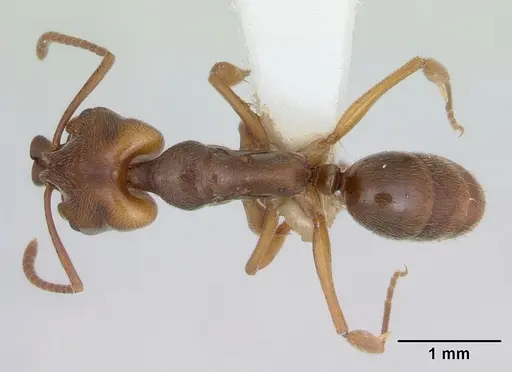
CASENT0260487
View on AntWeb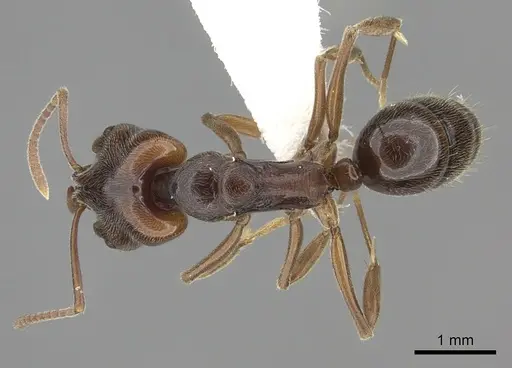
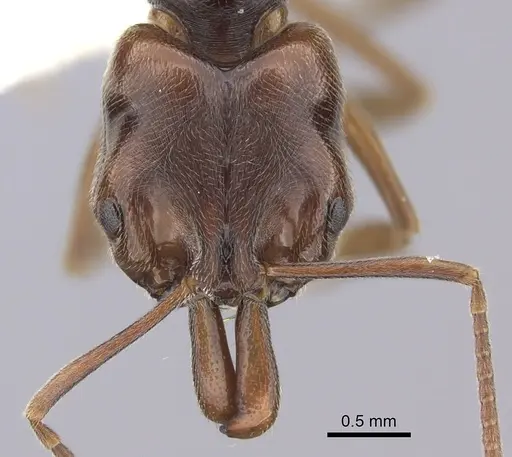
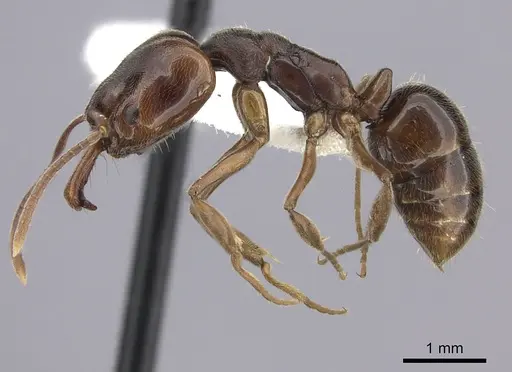
CASENT0381057
View on AntWeb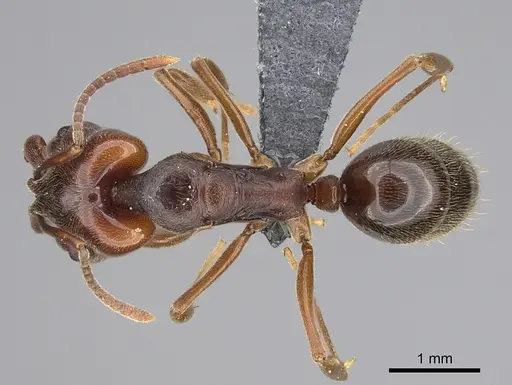
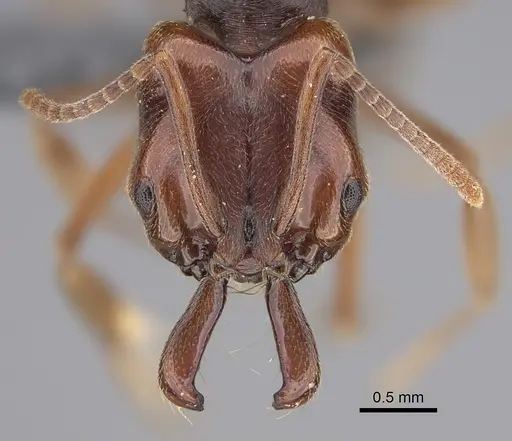
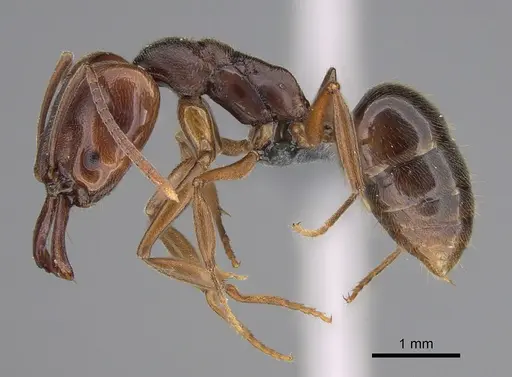
CASENT0902433
View on AntWeb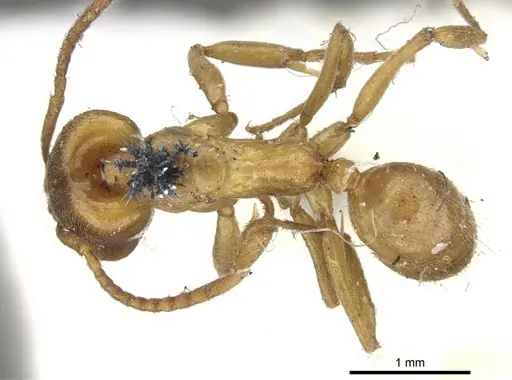
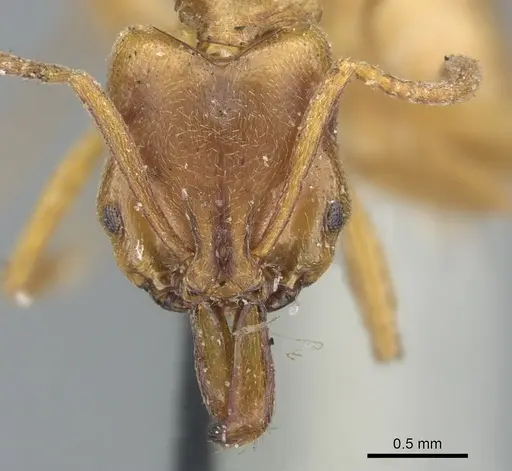
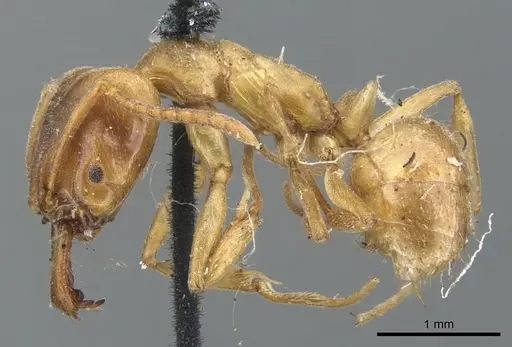
CASENT0915154
View on AntWeb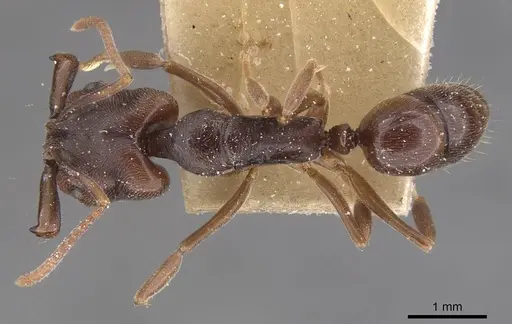
CASENT0915885
View on AntWeb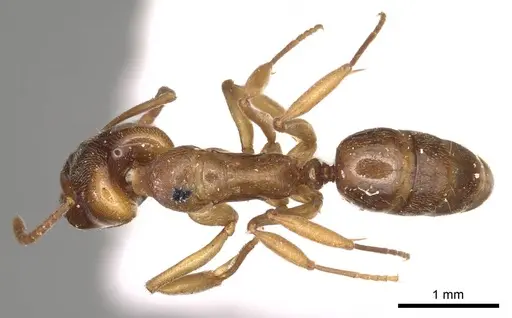
DZUP549114
View on AntWeb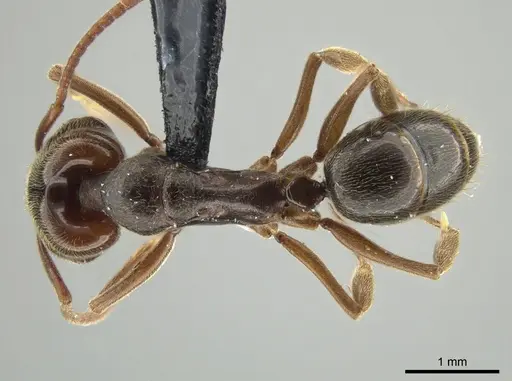
Literature
Loading...Loading products...