

Anillidris bruchi
- Scientific Name
- Anillidris bruchi
- Tribe
- Leptomyrmecini
- Subfamily
- Dolichoderinae
- Author
- Santschi, 1936
- Distribution
- Found in 2 countries
Anillidris bruchi Overview
Anillidris bruchi is an ant species of the genus Anillidris. It is primarily documented in 2 countries , including Argentina, Brazil. Detailed taxonomic data and occurrence records can be further explored via authoritative databases such as AntWeb or the Global Biodiversity Information Facility (GBIF).
Anillidris bruchi
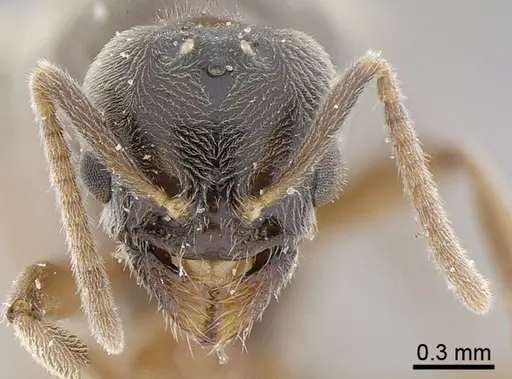
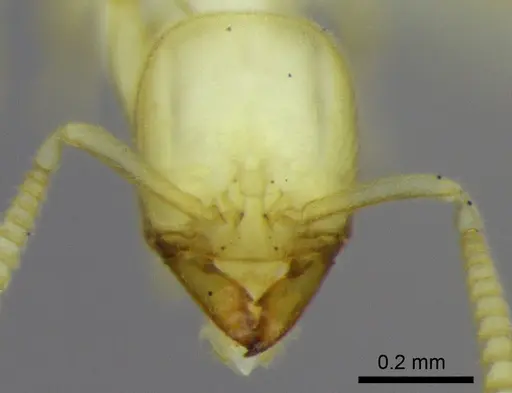
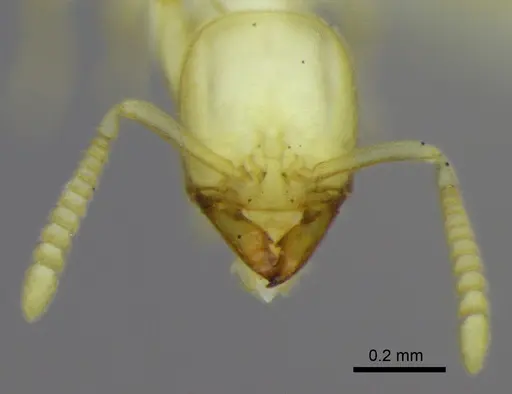
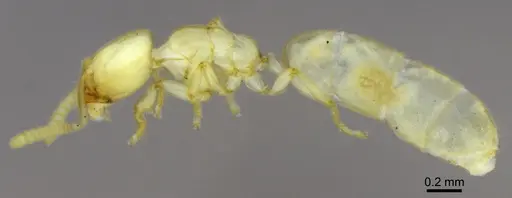
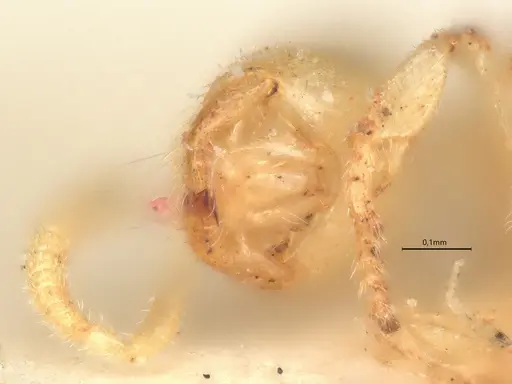
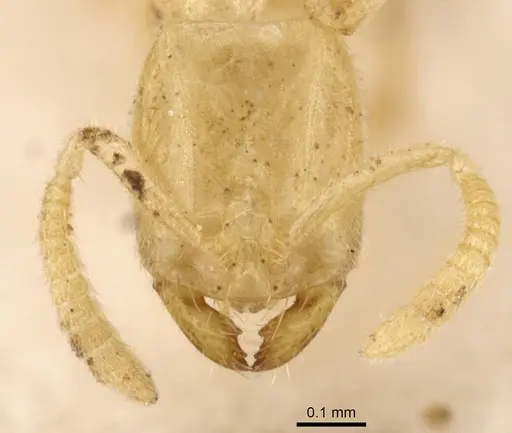
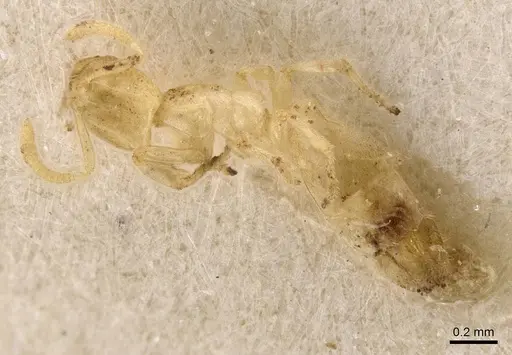
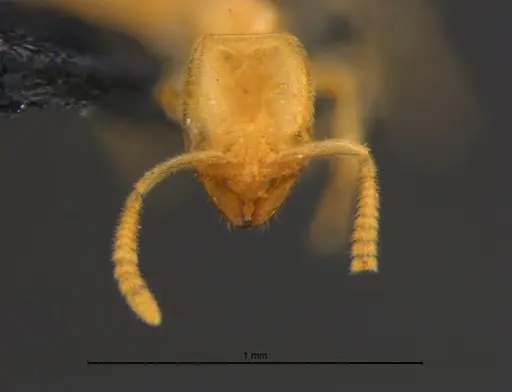
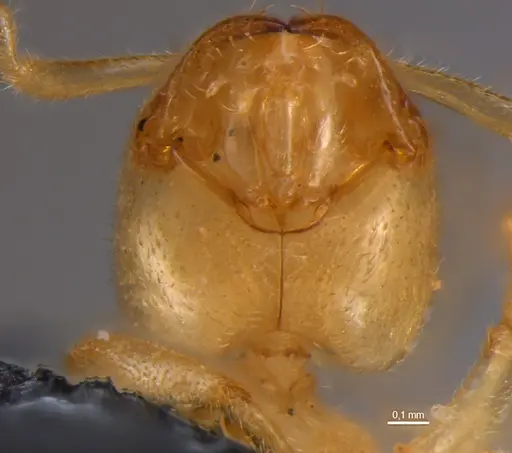
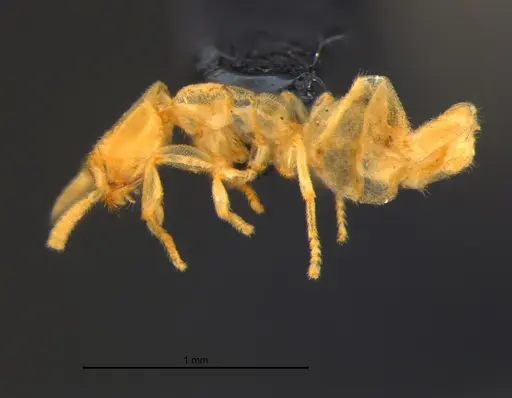
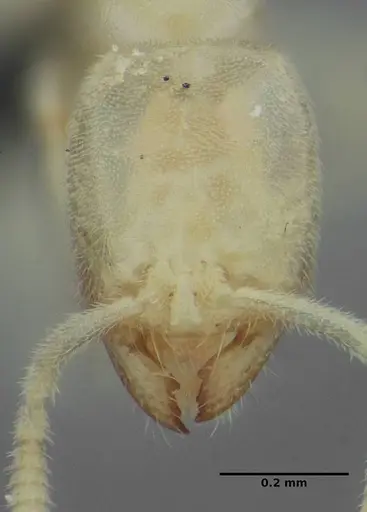
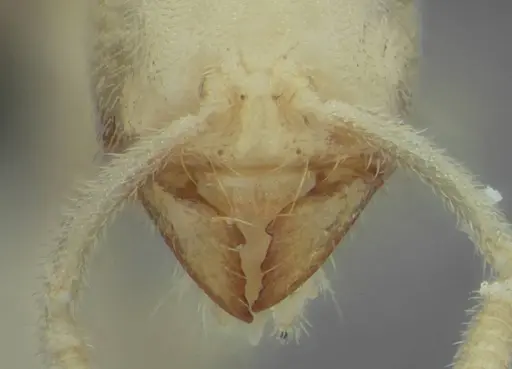
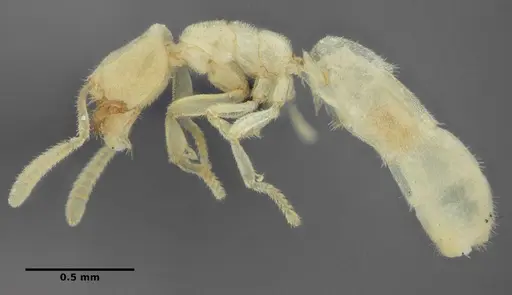
Anillidris bruchi is a rare, eyeless ant from the seasonal rainforests of Brazil and Argentina. Workers are small and pale with short legs, completely lacking compound eyes, and live their entire lives underground in moist soil [1][2]. These ants represent one of the greatest mysteries in ant keeping, they have only been found a handful of times in nearly a century, with the largest collection yielding just 17 workers from a pitfall trap buried 50 cm deep [1]. They likely lead a secretive lifestyle (lestobiotic), possibly associated with an unknown host species, making them one of the most challenging and poorly understood ants in the world [1].
Quick Summary
- Difficulty: Expert
- Origin & Habitat: Seasonal semideciduous rainforests in the Paranaense region of Brazil and Argentina, at elevations of 100-750m [1]
- Colony Type: Unknown/Unconfirmed, colony structure has not been documented in the wild
- Size & Growth:
- Antkeeping:
- Temperature: Moderate tropical, roughly 22-26°C, inferred from their occurrence in seasonal rainforests [1]
- Humidity: High, keep nest soil consistently damp to mimic their subterranean habitat 50cm below ground [1]
- Diapause: Unknown
- Nesting: Deep subterranean setup required, they live underground and cannot be kept in standard test tubes [1]
- Behavior: Secretive and subterranean, they avoid light and surface activity entirely. Escape risk is unknown but likely low due to specialized habitat needs [1].
- Common Issues: extreme rarity makes obtaining colonies ethically and legally questionable, wild populations should not be disturbed., subterranean lifestyle requires specialized deep-soil setups that are difficult to maintain in captivity., dietary requirements are completely unknown, no feeding studies exist., no documented captive breeding success, founding behavior remains unconfirmed.
Rarity and Conservation Status
Anillidris bruchi ranks among the rarest ants in the world. Since its description in 1936,researchers have recorded it fewer than ten times across Brazil and Argentina [1]. The 2013 discovery of 17 workers in Minas Gerais extended the known range by 1,500-2,000 km, yet confirmed how elusive these ants remain [1]. You should not attempt to collect wild colonies. Their extreme rarity means removing even small colonies could impact local populations, and Brazilian and Argentine laws likely protect them. Additionally, no ant trader legally sells this species, and any specimens offered would almost certainly represent illegal collection or misidentification.
Subterranean Lifestyle and Housing
These ants live their entire lives underground (hypogaeic), with confirmed records from 50 cm deep in moist soil [1]. Standard ant keeping setups like test tubes or acrylic nests will not work. If you somehow obtained a colony, you would need a deep, naturalistic setup with at least 30-50 cm of soil depth, kept in complete darkness. The soil must remain consistently damp but not waterlogged, mimicking the moist subterranean chambers where they naturally occur [1]. Ventilation should be minimal to maintain humidity, but some airflow is needed to prevent mold. You would never see the ants except during maintenance, as they lack eyes and avoid any light.
Morphological Adaptations
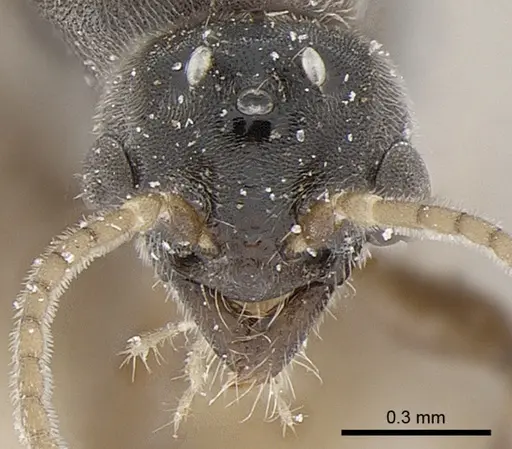
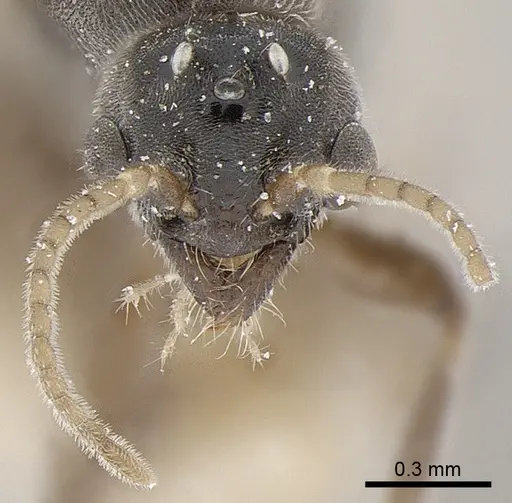
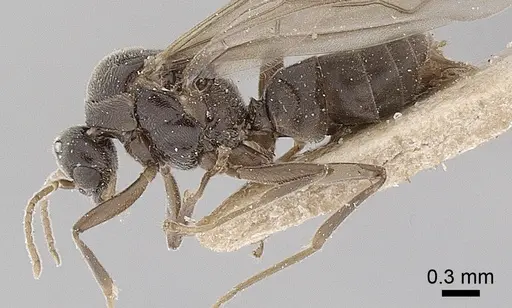
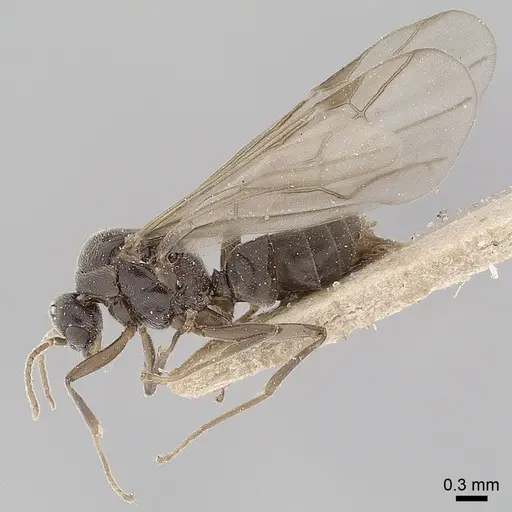
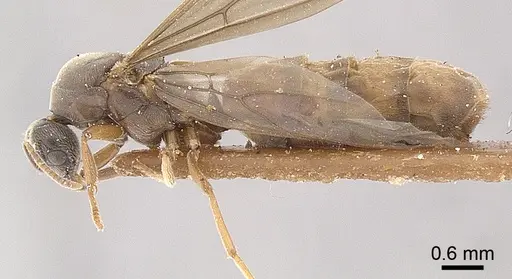
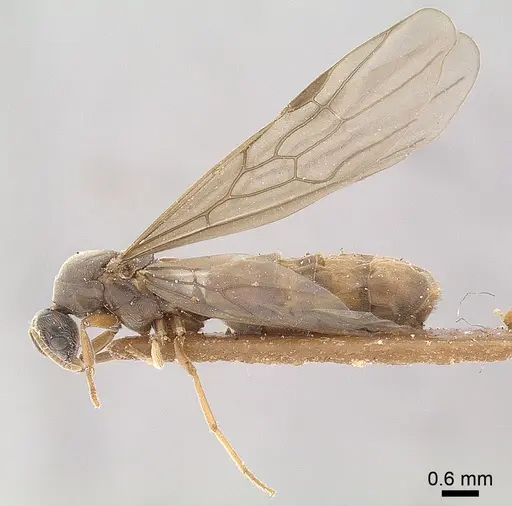
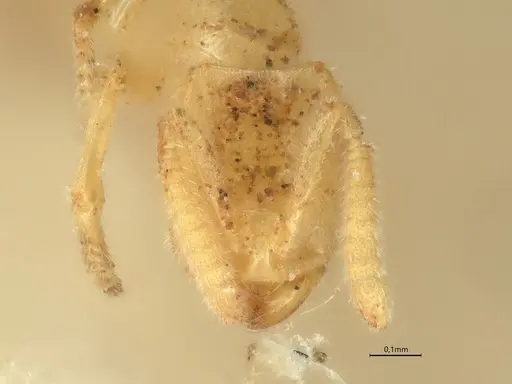
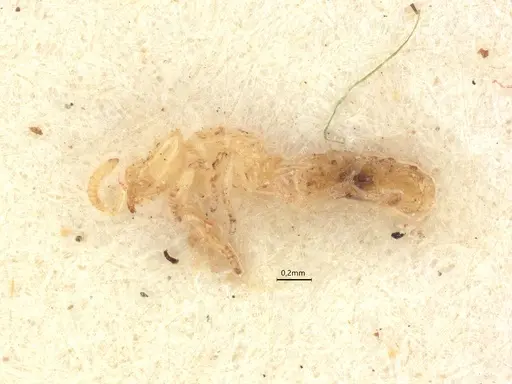
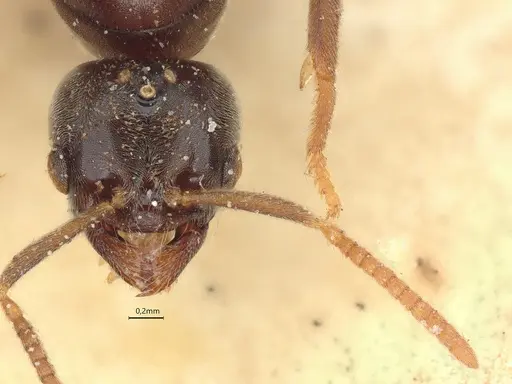
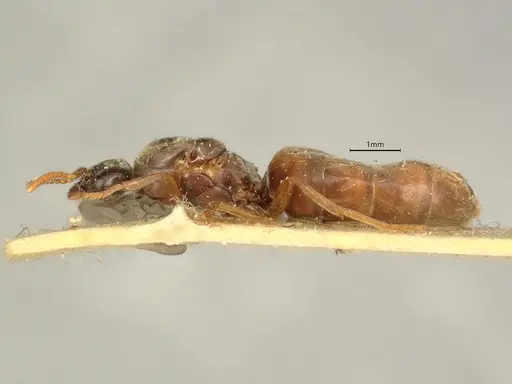
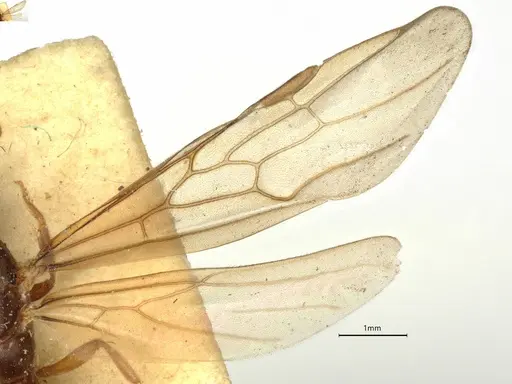
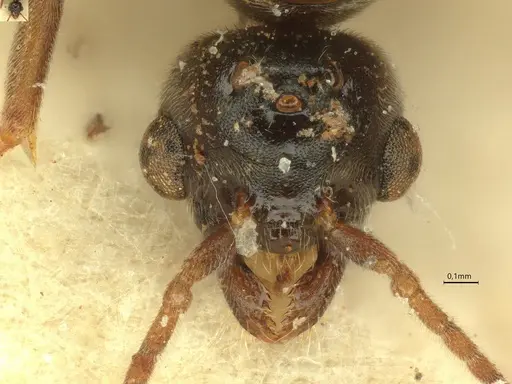
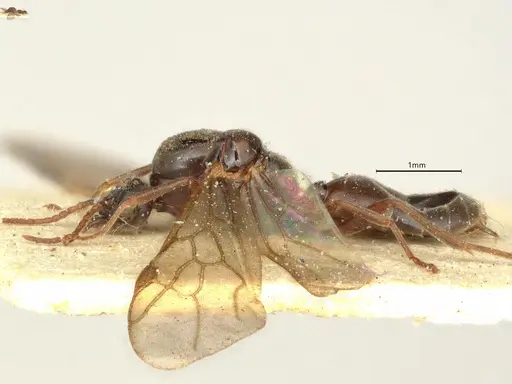
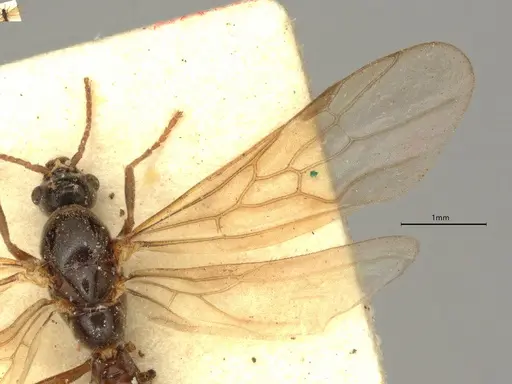
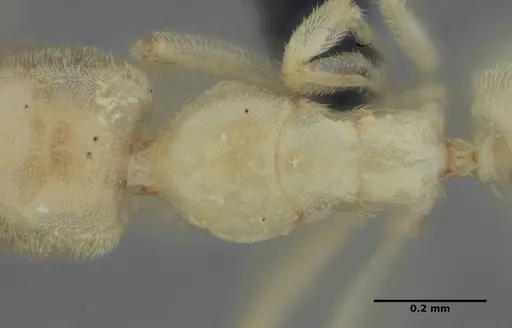
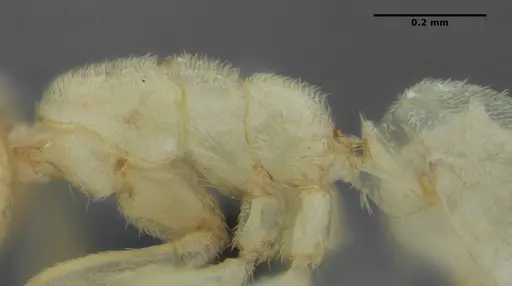
Workers show extreme adaptations for underground life. They completely lack compound eyes and ocelli, have very short legs, and possess small bodies covered in dense, short hairs [1][3]. Queens measure approximately 7.5 mm in length with well-developed eyes, suggesting they may engage in mating flights above ground before establishing subterranean nests [3]. Males are smaller at 4.3 mm and possess complete wing venation unusual for the subfamily [3]. Workers resemble the formicine genus Acropyga in appearance, but this similarity represents convergent evolution due to shared underground habits rather than close relation [2].
Temperature and Humidity
Research has not determined specific temperature requirements. Based on their occurrence in seasonal semideciduous rainforests at 100-750m elevation in southeastern Brazil and northern Argentina, you should maintain moderate tropical temperatures around 22-26°C [1]. Avoid high heat as they live deep in moist soil where temperatures remain stable. Humidity must stay high, the soil should feel damp to the touch at all times, replicating the moist conditions 50 cm below ground where they were collected [1]. You should monitor for condensation in deep soil setups, as stagnant wet conditions can promote fungal growth while these ants likely experience some air movement through soil pores in nature.
Feeding and Diet
Scientists have never observed Anillidris bruchi feeding, and their diet remains completely unknown [1]. As members of the subfamily Dolichoderinae, they likely accept sugar sources like honeydew or sugar water, but this is speculation. They may prey on small soil arthropods or rely on root exudates and underground honeydew sources. If maintaining a colony, you would need to experiment with tiny prey items like springtails, soil mites, or diluted sugar water placed directly in the soil chambers. Remove uneaten food promptly to prevent mold in the humid environment they require.
Colony Founding and Reproduction
Founding behavior is unconfirmed. Researchers have collected only one queen specimen (from Cotia, São Paulo in 1961) and no information exists on how queens establish colonies [1]. They might be claustral (sealing themselves in to raise first workers on stored fat) or dependent on host species given suggestions of lestobiotic habits [1]. Nuptial flight timing is unknown, though the August collection date of the single queen suggests late winter or early spring flights in the southern hemisphere [1][3]. You cannot purchase queens, and attempting to found colonies from wild-caught queens would be purely experimental with a high risk of failure.
Frequently Asked Questions
Can I buy Anillidris bruchi colonies or queens?
No. This species is extremely rare and not available in the ant trade. Any specimens offered would likely be illegal or misidentified. You should not purchase or collect them due to conservation concerns [1].
Can I keep Anillidris bruchi in a test tube?
No. These ants live 50 cm deep in soil and require specialized subterranean setups. Test tubes cannot accommodate their natural behavior and environmental needs [1].
How long does Anillidris bruchi take to develop from egg to worker?
Unknown. No research has documented their development timeline. As a Dolichoderine ant, they might develop in 6-10 weeks at warm temperatures, but this is purely speculative [1].
What do Anillidris bruchi eat?
Their diet is unknown. They likely accept sugar sources and possibly tiny soil prey, but you would need to experiment. Do not attempt to keep them without understanding their nutritional needs [1].
Do Anillidris bruchi need light?
No. Workers completely lack eyes and live underground. They require darkness and will likely die if exposed to light [1][3].
Do Anillidris bruchi need hibernation?
Unknown. They inhabit seasonal rainforests, so they may experience a dry or cool season slowdown, but no data confirms diapause requirements [1].
Are Anillidris bruchi dangerous?
No. They are tiny, eyeless, subterranean ants with no known stinging ability. They pose no threat to humans [2].
Why are my Anillidris bruchi dying?
If you somehow obtained these ants, mortality likely stems from inappropriate housing (they need deep soil, not test tubes), incorrect humidity (they need damp subterranean conditions), unknown dietary needs, or stress from light exposure. No captive care protocols exist because they have never been successfully kept [1].
References

This caresheet is licensed under CC BY-SA 4.0 .
ANTWEB1008095
View on AntWeb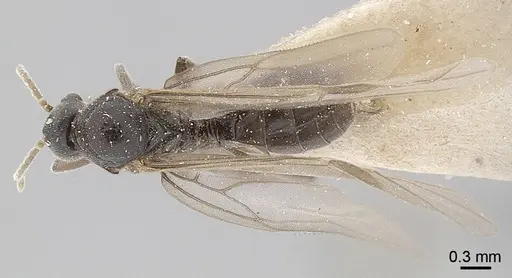
ANTWEB1008096
View on AntWeb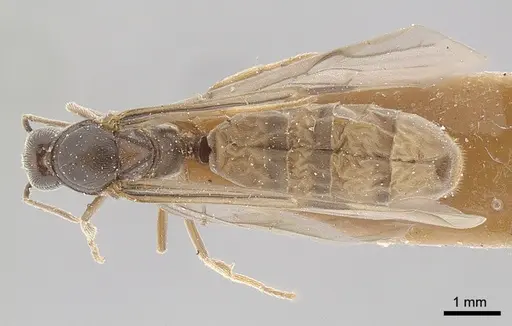
ANTWEB1008097
View on AntWeb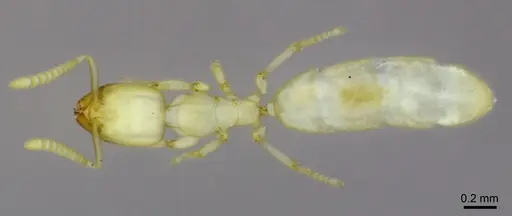
CASENT0731227
View on AntWeb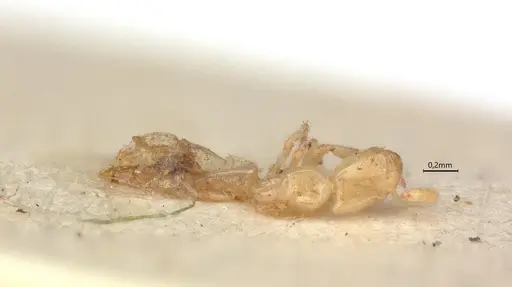
CASENT0731228
View on AntWeb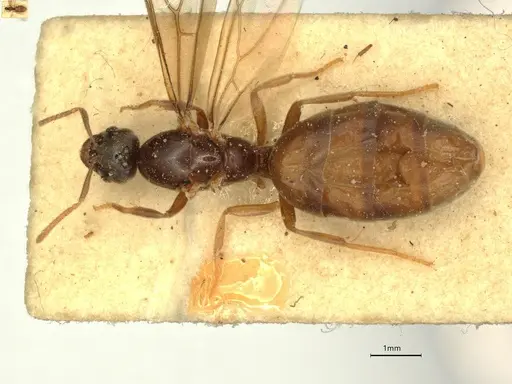
CASENT0731229
View on AntWeb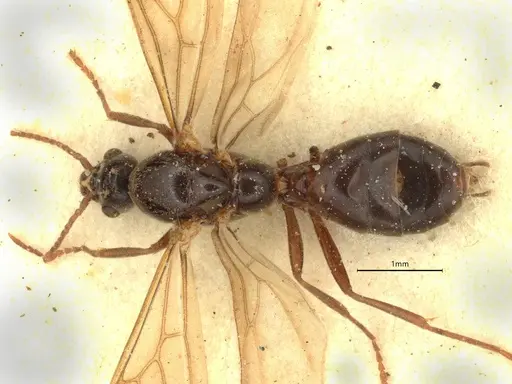
CASENT0911457
View on AntWeb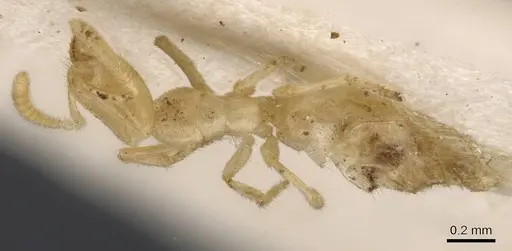
MZSPHYM0144335
View on AntWeb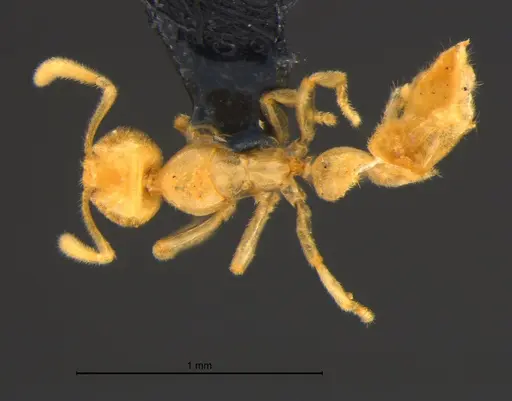
UFV-LABECOL-004260
View on AntWeb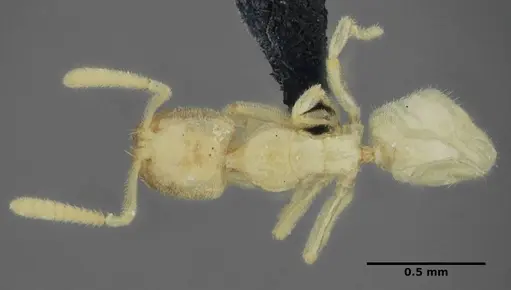
Literature
Loading...Loading products...