

Aneuretus simoni
- Scientific Name
- Aneuretus simoni
- Tribe
- Aneuretini
- Subfamily
- Aneuretinae
- Author
- Emery, 1893
- Common Name
- Sri Lankan Relict Ant
- Distribution
- Found in 1 countries
Aneuretus simoni Overview
Aneuretus simoni (commonly known as the Sri Lankan Relict Ant) is an ant species of the genus Aneuretus. It is primarily documented in 1 countries , including Sri Lanka. Detailed taxonomic data and occurrence records can be further explored via authoritative databases such as AntWeb or the Global Biodiversity Information Facility (GBIF).
Aneuretus simoni - "Sri Lankan Relict Ant"
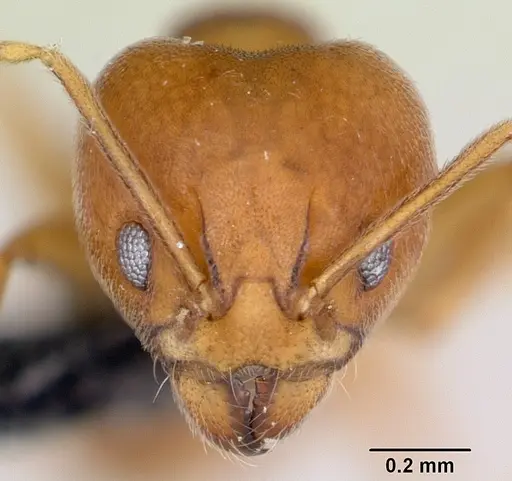
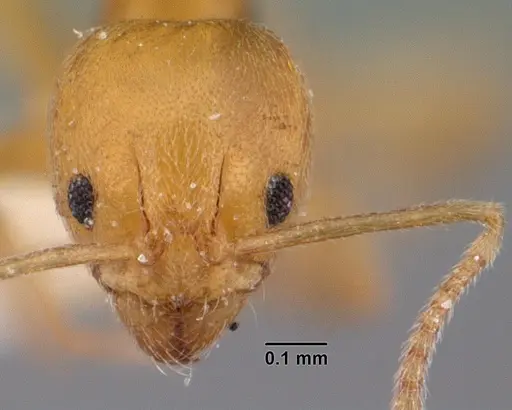
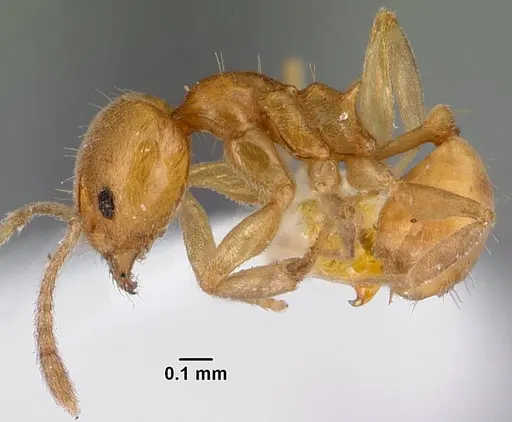
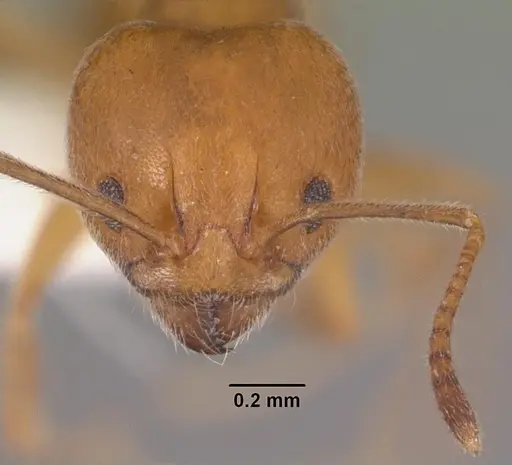
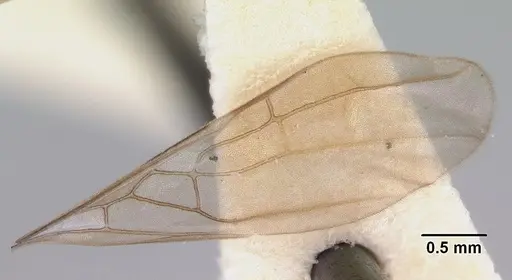
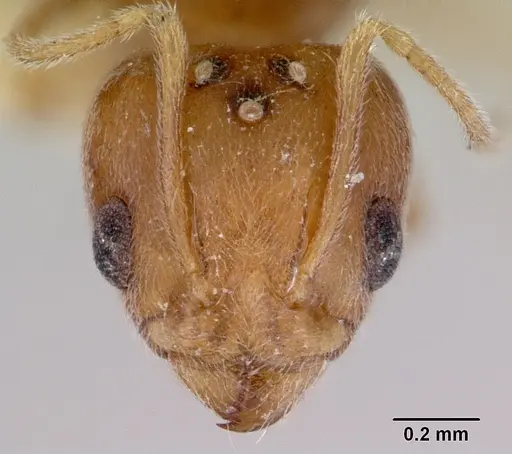
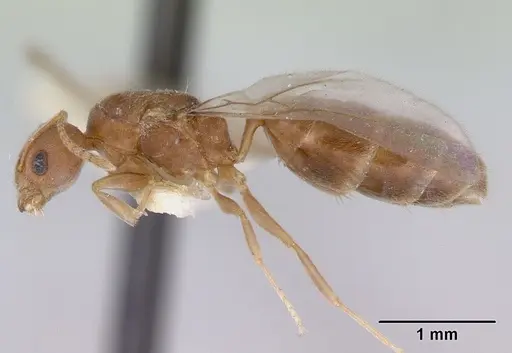
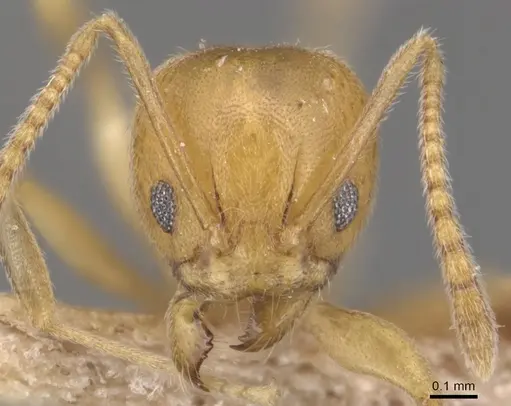
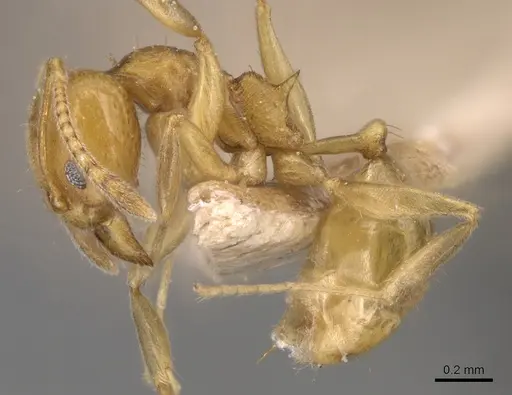
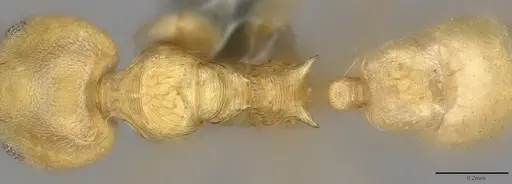
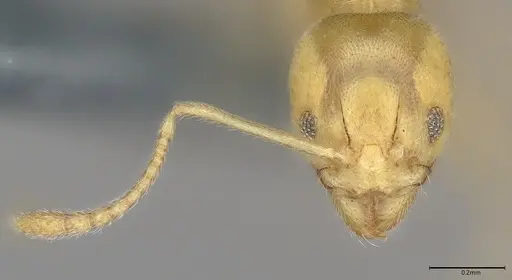
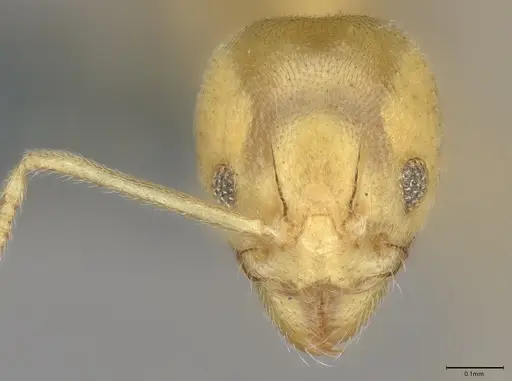
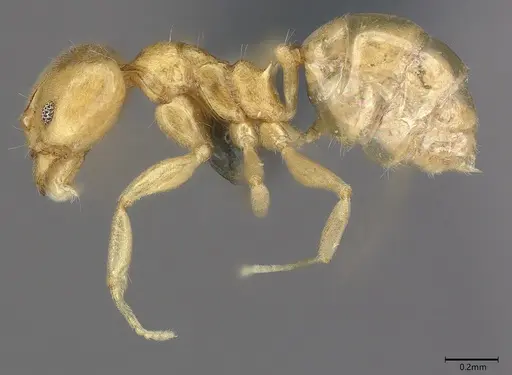
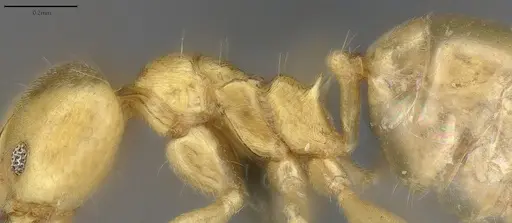
Aneuretus simoni is a small, yellowish-orange ant with a distinctive long, narrow petiole that gives it a stretched, delicate appearance. Minor workers measure about 4-5 mm, while major workers have noticeably larger heads and shorter propodeal spines [1][2]. This species is the only living member of the subfamily Aneuretinae, making it a living fossil and the closest living relative to the Dolichoderinae [3][4]. Found exclusively in the wet rainforests of Sri Lanka, these ants nest in rotting wood and leaf litter, forming small colonies that can contain multiple queens [1][5].
Colonies are naturally polygynous, meaning they can have several reproductive queens working together, and polydomous, meaning they spread across multiple connected nest sites [1][2]. Major workers make up only 2-3% of the colony and do not participate in brood care or defense, instead, they help during nest moves and may store food [1][6]. Minor workers handle all foraging, defense, and brood care [1]. The species is listed as Critically Endangered on the IUCN Red List and should never be collected from the wild [7][8].
Quick Summary
- Difficulty: Expert
- Origin & Habitat: Wet evergreen rainforests of Sri Lanka, including Gilimale Forest Reserve, Sinharaja Forest Reserve, and Kirikanda Forest, at elevations from 57m to 450m [7][9][10].
- Colony Type: Polygyne (multiple queens) and polydomous (multiple connected nest sites) [11][1].
- Colony: Optionally polygyne
- Size & Growth:
- Queen: Larger than workers, exact size unconfirmed [2].
- Worker: Minor workers 4-5 mm, major workers larger with head width 0.61-0.86 mm vs 0.44-0.51 mm for minors [12][1].
- Colony: Approximately 65 minor workers and 2-3 major workers per colony [1].
- Growth: Slow
- Development: Unknown, no documented development times. (Likely slow development typical of small, specialized rainforest species.)
- Antkeeping:
- Temperature: Soil temperature 24-26°C is preferred based on field observations [13]. Air temperature 21-29°C in their natural habitat [9]. Start around 24-26°C and adjust based on activity levels.
- Humidity: High humidity required. Soil moisture 23-37% in natural nests [9]. Keep nest substrate consistently damp but not waterlogged, similar to wet forest floor conditions.
- Diapause: Unknown, likely not required as they inhabit tropical wet forests with stable temperatures year-round.
- Nesting: Naturalistic setups with rotting wood, hollow twigs, or flat stones covered with leaf litter. They prefer tight cavities in decaying wood or soil chambers [5][14][2].
- Behavior: Timid but capable of aggressive defense. Minor workers swarm out when disturbed but retreat quickly, leaving brood exposed temporarily [2]. They avoid contact with other ant genera but fight aggressively with non-nestmate conspecifics for hours [2]. Use chemical trails for recruitment [6]. Forage diurnally, preferring morning and late afternoon [2]. Because of their small size (4-5 mm), escape prevention must be excellent with fine mesh barriers [2].
- Common Issues: critically endangered status means collecting from the wild is illegal and unethical, this species should not be kept except by authorized conservation researchers., tiny worker size means they can escape through the smallest gaps in standard formicarium setups., high humidity requirements can lead to mold growth if ventilation is inadequate., polydomous nature means colonies may split into multiple satellite nests in captivity, requiring connected nest spaces., slow growth and small colony size means they are easily overfed or stressed by excessive disturbance.
Nest Preferences and Polydomy
In nature, Aneuretus simoni nests in pieces of rotting wood on the ground, hollow cores of small twigs (as narrow as 0.3 mm diameter), under bark of rotting logs, in superficial soil layers, and under flat rocks covered with leaf litter [5][14][2]. Colonies are polydomous, meaning a single colony occupies multiple connected nest sites. In the field, mature colonies typically divide into two or three neighboring groups, with workers traveling on the surface between subnests and even transferring brood and queens between sites [2]. In captivity, this means you should provide multiple small nesting chambers connected by tubing or a large naturalistic setup with various rotting wood pieces and flat stones, rather than a single large chamber. They prefer tight, secure spaces that mimic their natural microhabitats in the damp forest floor [1].
Feeding and Diet
Aneuretus simoni are omnivorous scavengers and opportunistic predators. Workers feed on nectar from fallen fruits and flowers, honeydew from coccids found in their nests, and small insects [2][15]. They use their well-developed sting to paralyze prey, which includes small insects like springtails (Collembola) and beetle larvae found in leaf litter [2][1]. In captivity, offer small live prey such as springtails, fruit flies, or tiny beetle larvae, along with sugar sources like honey water or sugar water. They also accept protein from dead insects [2]. Major workers may store food and engage in trophallaxis (food sharing) with minors, but do not forage themselves [1].
Temperature and Humidity Requirements
These ants inhabit extremely humid, wet evergreen rainforests. Field studies show they prefer soil temperatures of 24-26°C and are absent from dry zone forests where soil temperatures reach 30-31°C [13]. Air temperatures in their habitat range from 21-29°C [9]. Soil moisture content in their nests ranges from 23-37% [9]. In captivity, maintain the nest area around 24-26°C with a heating cable on one side to create a gradient. Keep humidity high by maintaining damp substrate, the nest material should feel moist to the touch but not soggy. Provide ventilation to prevent mold while retaining moisture, as stagnant air can cause fungal problems in their preferred damp conditions.
Worker Caste System and Division of Labor
Aneuretus simoni has a dimorphic worker caste with distinct minor and major workers [1][11]. Minor workers (head width 0.44-0.51 mm) handle all brood care, foraging, nest defense, and queen attendance [1]. Major workers (head width 0.61-0.86 mm) comprise only 2-3% of the colony and do not participate in brood care or colony defense [1]. Instead, majors play a role in food storage, show high rates of trophallaxis with minors, and are particularly active during nest emigrations where they help transport brood and lay trails [1][6]. This division of labor is unusual among more primitive ants and shows sophisticated social organization [15].
Conservation and Legal Status
Aneuretus simoni is listed as Critically Endangered on the IUCN Red List [7][8][16]. It is endemic to Sri Lanka and known from only a few forest sites [7]. The species is considered a living fossil and is the sole surviving member of the subfamily Aneuretinae [3][4]. Due to its endangered status and extremely limited range, collecting this species from the wild is illegal and unethical. This caresheet is provided for educational purposes and for the hypothetical care of legally obtained research colonies only. Captive breeding programs, if any, should be conducted under strict conservation guidelines with proper permits.
Behavior and Communication
These ants communicate using chemical trails laid from Pavan's gland to recruit nestmates to food sources [6][2]. When disturbed, minor workers swarm out aggressively but quickly retreat to the undisturbed parts of the nest, leaving brood temporarily exposed [2]. They avoid contact with workers of other ant genera such as Pheidole and Tetramorium, but show intense aggression toward non-nestmate conspecifics, fighting for hours using their stings [2]. Workers forage solitarily or in small groups, preferring shaded areas and cooler parts of the day (morning and late afternoon) [2]. They exhibit age-related polyethism, with younger workers handling inside tasks and older workers foraging [15].
Frequently Asked Questions
Can I keep Aneuretus simoni as a pet?
No. Aneuretus simoni is listed as Critically Endangered on the IUCN Red List and is endemic to Sri Lanka. Collecting or keeping this species is illegal and unethical due to its extreme rarity and conservation status [7][8].
How big do Aneuretus simoni colonies get?
Colonies are small, typically containing approximately 65 minor workers and only 2-3 major workers, though they can have multiple queens [1].
Do Aneuretus simoni ants have a stinger?
Yes. Unlike their relatives in the Dolichoderinae, Aneuretus simoni possesses a well-developed, functional sting that they use to paralyze prey [2][1].
What is the best nest type for Aneuretus simoni?
Naturalistic setups with rotting wood, hollow twigs, flat stones, and leaf litter best mimic their wild nests. They are polydomous, meaning they prefer multiple connected small chambers rather than one large open space [5][2].
Can I keep multiple Aneuretus simoni queens together?
Yes, this species is naturally polygyne (multiple queens) in the wild, with colonies often containing several dealate queens [1][11]. However, queens from different colonies will fight aggressively [2].
What do Aneuretus simoni eat?
They are omnivorous scavengers feeding on nectar from fallen fruit, honeydew from coccids, and small insects like springtails and beetle larvae. They use their sting to subdue prey [2][15].
Do Aneuretus simoni need heating?
Yes, they prefer warm conditions around 24-26°C based on field measurements of soil temperatures where they are most abundant [13].
Are Aneuretus simoni good for beginners?
No. This species is extremely rare, endangered, and has specific humidity and nesting requirements. They are suitable only for expert keepers with experience in conservation research [7][1].
Do Aneuretus simoni need hibernation?
Unknown, but likely not required as they inhabit tropical wet forests with stable year-round temperatures. No diapause has been documented [2].
Why are my Aneuretus simoni workers dying?
Common issues include inadequate humidity (they need damp conditions), escape attempts leading to desiccation, or stress from excessive disturbance. Their small colony size makes them vulnerable to overfeeding and environmental fluctuations [1][2].
References

This caresheet is licensed under CC BY-SA 4.0 .
ANTWEB1008503
View on AntWeb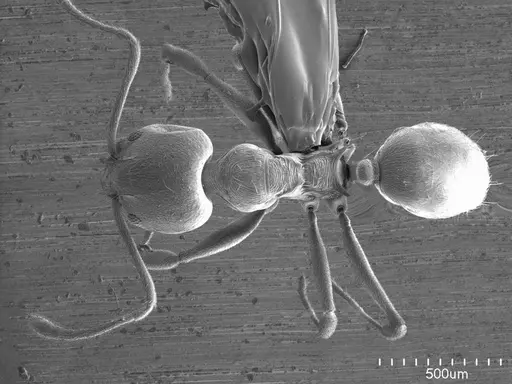
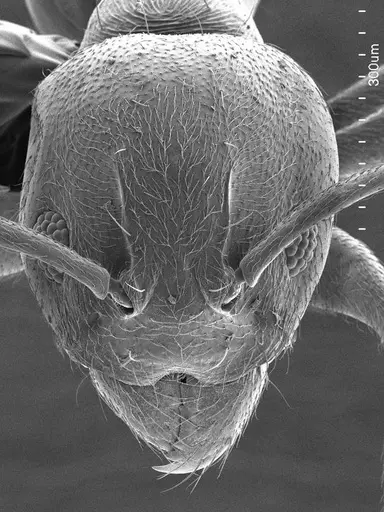
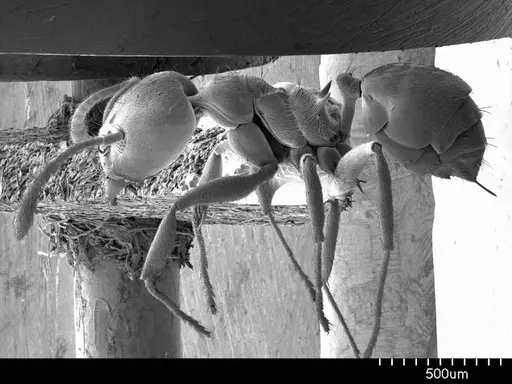
CASENT0007014
View on AntWeb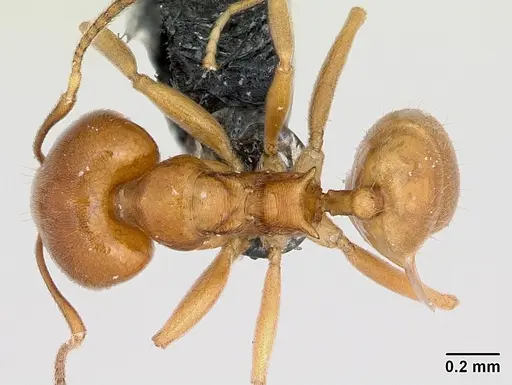
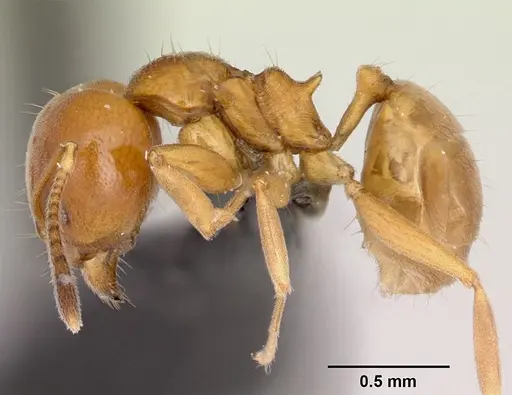
CASENT0010853
View on AntWeb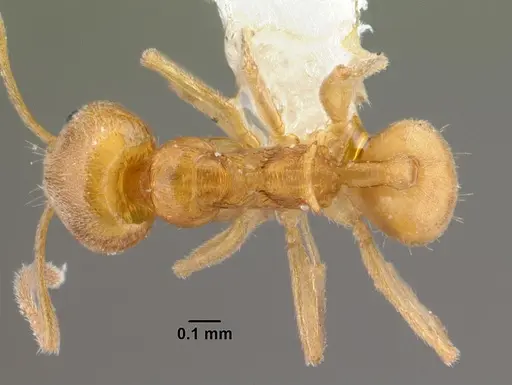
CASENT0102369
View on AntWeb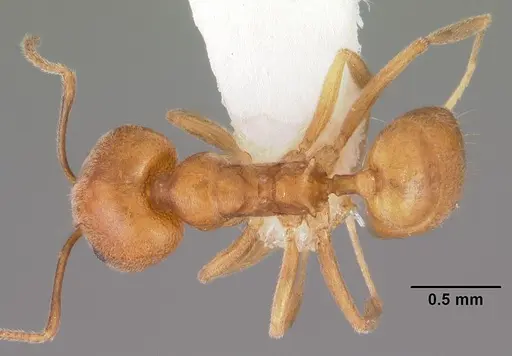
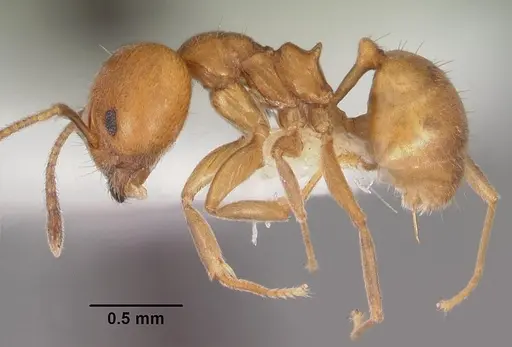
CASENT0102370
View on AntWeb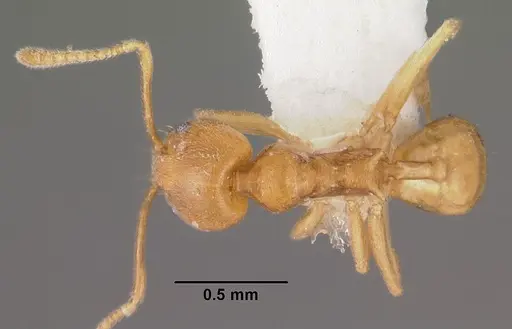
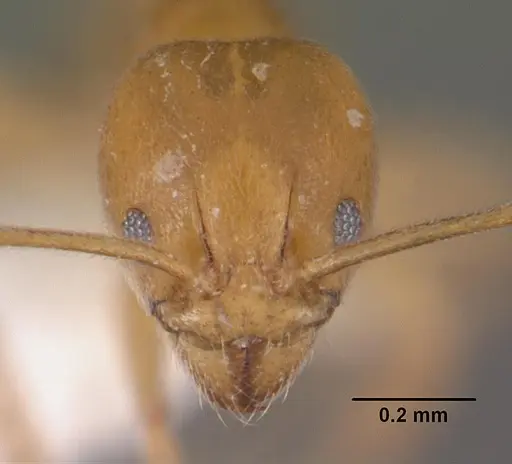
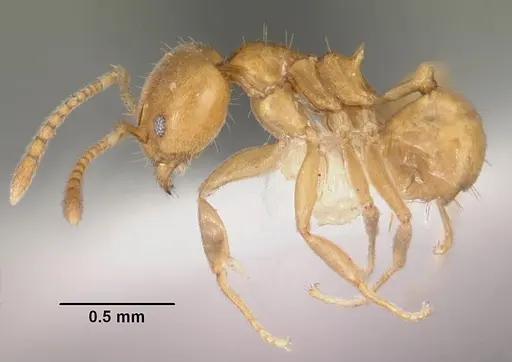
CASENT0172258
View on AntWeb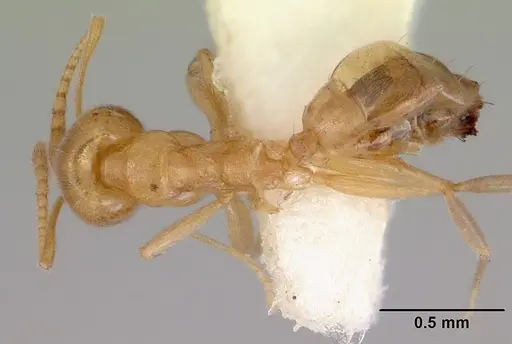
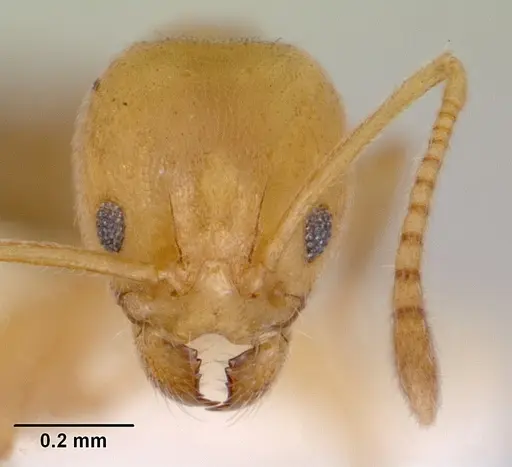
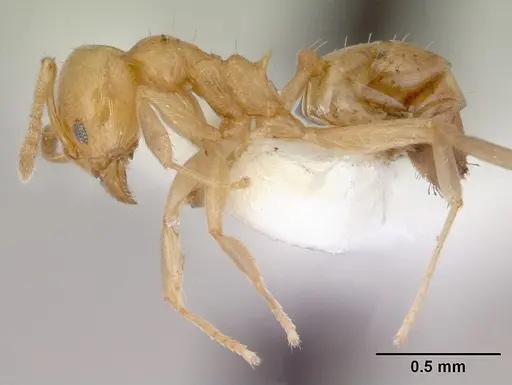
CASENT0172259
View on AntWeb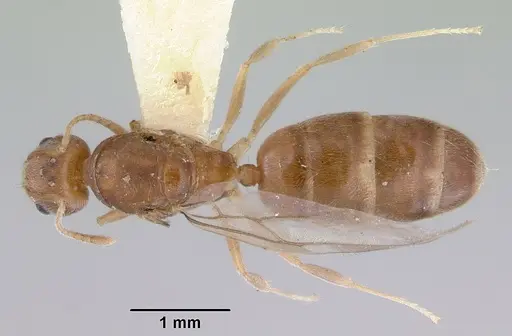
CASENT0905041
View on AntWeb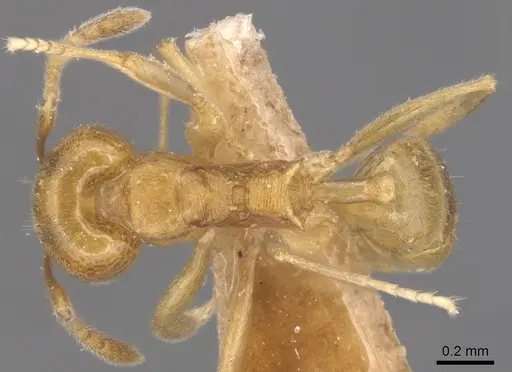
CASENT4036280
View on AntWeb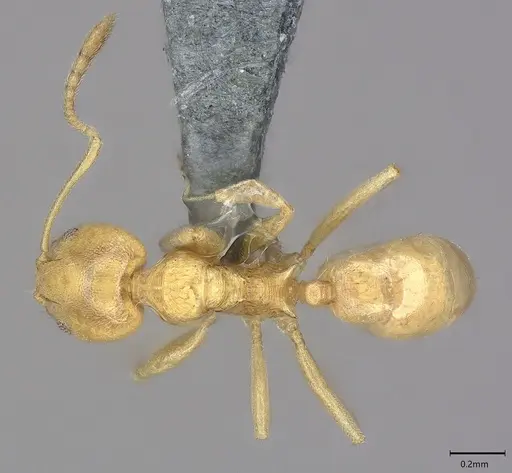
FOCOL2919
View on AntWeb
Literature
Loading...Loading products...