

Amoimyrmex striatus
- Scientific Name
- Amoimyrmex striatus
- Tribe
- Attini
- Subfamily
- Myrmicinae
- Author
- Roger, 1863
- Distribution
- Found in 3 countries
Amoimyrmex striatus Overview
Amoimyrmex striatus is an ant species of the genus Amoimyrmex. It is primarily documented in 3 countries , including Argentina, Brazil, Uruguay. Detailed taxonomic data and occurrence records can be further explored via authoritative databases such as AntWeb or the Global Biodiversity Information Facility (GBIF).
Amoimyrmex striatus
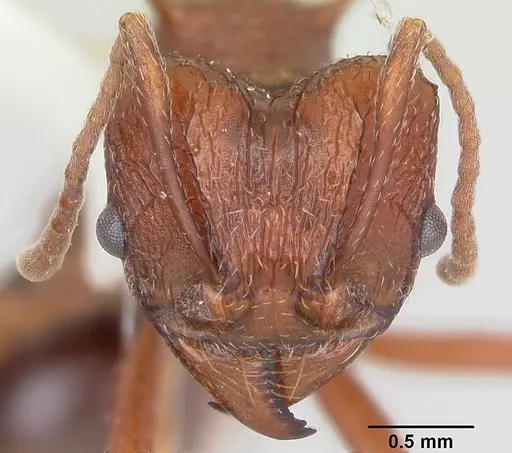
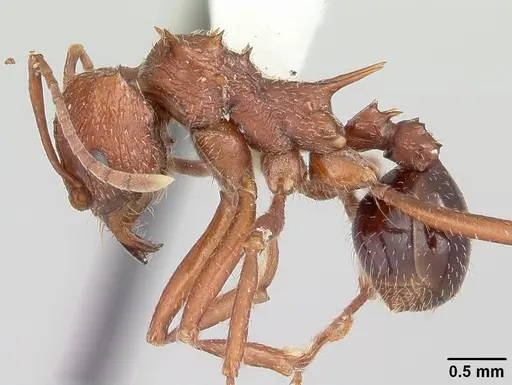
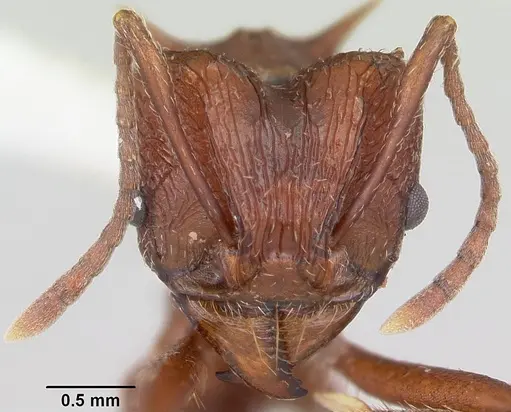
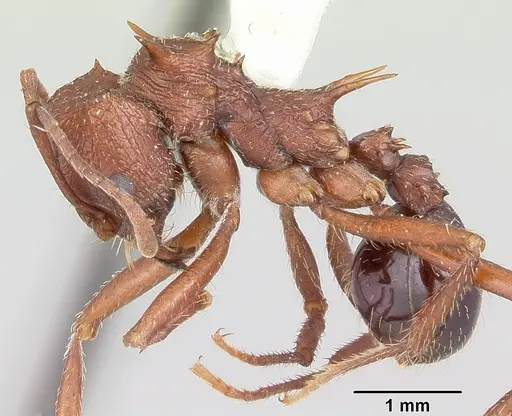
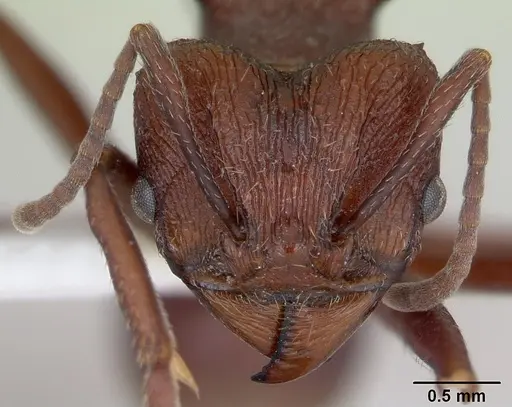
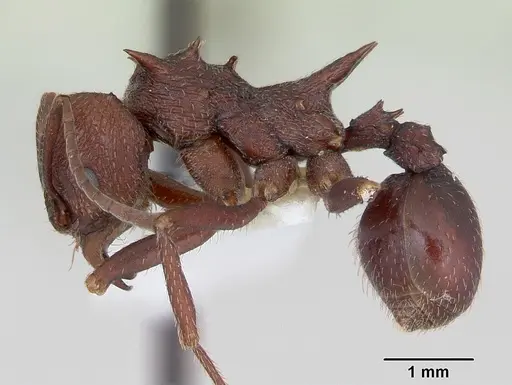
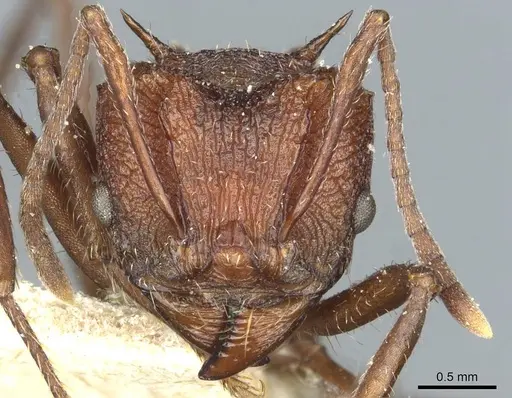
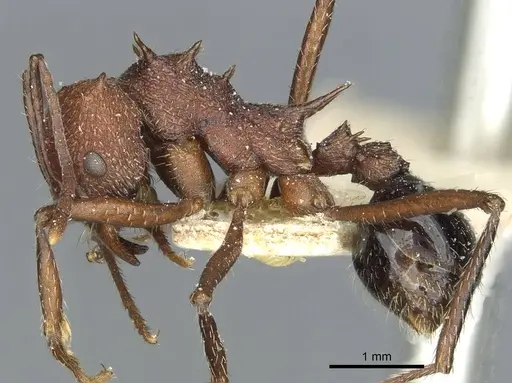
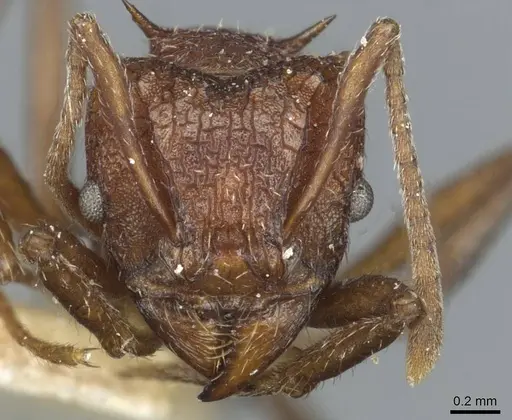
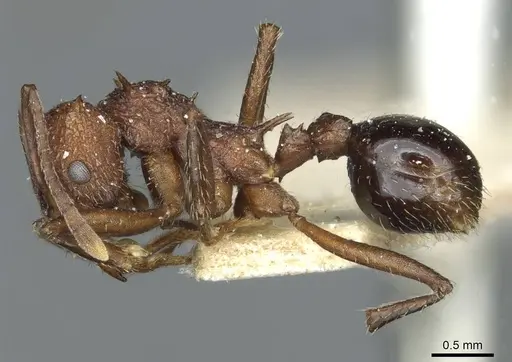
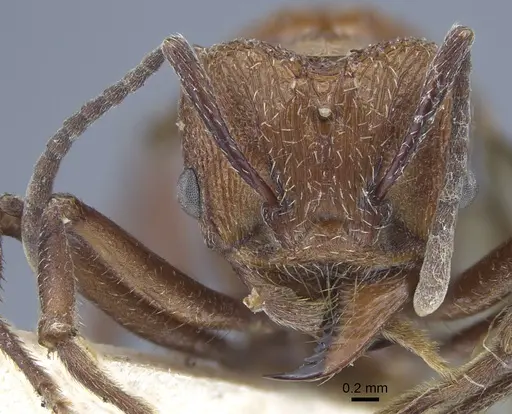
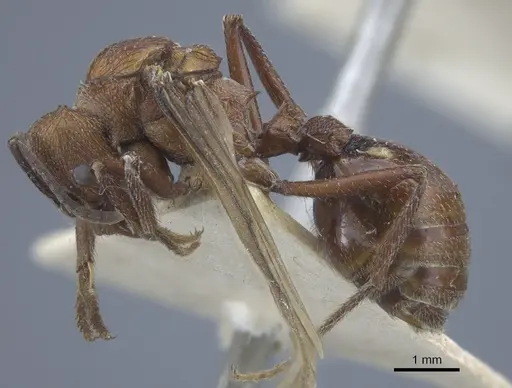
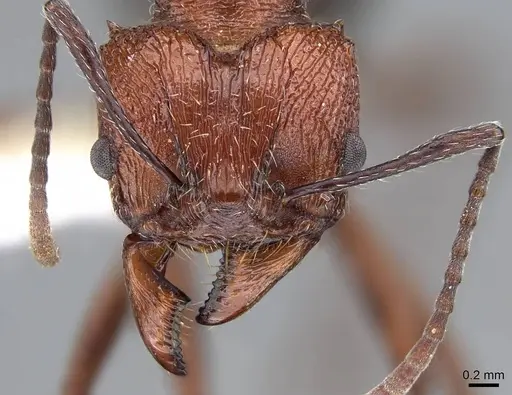
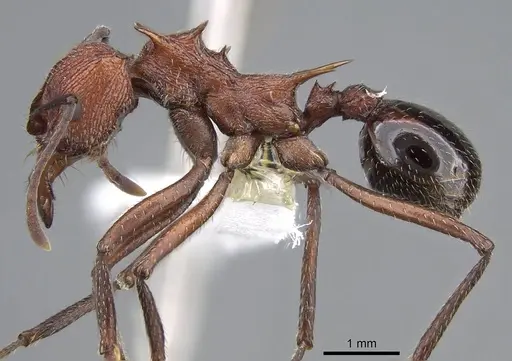
Amoimyrmex striatus is a medium-sized leaf-cutting ant with a distinctive appearance: workers are yellowish-brown to reddish-brown with a dark brown or black gaster, covered in parallel irregular striations that give them a ridged look [1]. They range from 3.4mm to 8.8mm in length and show clear worker polymorphism with three distinct size classes [2]. Native to the temperate grasslands and coastal sand plains of southern South America, they are found in Argentina, Brazil (Santa Catarina and Rio Grande do Sul), Uruguay, and Paraguay [3]. Unlike many leaf-cutters, they are considered the most basal lineage of leaf-cutting ants and cultivate a Clade-B fungus rather than the typical Leucoagaricus gongylophorus used by most other species [4]. They are unique among higher attines for their obligatory semi-claustral founding behavior, where queens must leave the nest to forage during colony establishment [5], and they display remarkable social flexibility, with colonies being either single-queen or multi-queen depending on circumstances [6].
Quick Summary
- Difficulty: Expert
- Origin & Habitat: Southern South America (Argentina, Brazil, Uruguay, Paraguay), inhabiting grasslands, coastal sand dunes (restinga), and the Pampas region in sandy, well-drained soils [1][3].
- Colony Type: Facultatively polygynous, colonies can function with a single queen or multiple queens, and primary polygyny has been observed under laboratory conditions [6].
- Colony: Optionally polygyne
- Founding: Semi-claustral, Pleometrosis
- Size & Growth:
- Queen: 9.5-10.7 mm total length [1].
- Worker: 3.4-8.8 mm total length, polymorphic with three size classes [1][2].
- Colony: Moderate, nests are relatively small compared to Atta species, likely reaching several thousand workers rather than hundreds of thousands [1].
- Growth: Moderate, fungus-growing colonies develop slowly initially.
- Development: Unknown, estimated 8-12 weeks based on related higher attine species, but not directly documented. (Development time likely depends heavily on temperature and fungus garden health.)
- Antkeeping:
- Temperature: Active foraging above 20°C, optimal soil temperatures 27-45°C [7][1]. Keep at 20-28°C during active season with a heat gradient available.
- Humidity: High humidity required in nest chambers for fungus cultivation (80-90%), but substrate must be well-drained and airy to prevent mold [1].
- Diapause: Yes, colonies cease external activity during winter months and require a cool diapause period at 10-15°C [1].
- Nesting: Subterranean nests with multiple small chambers, in captivity use a deep, well-ventilated formicarium with sandy, well-drained substrate and space for fungus gardens [1].
- Behavior: Diurnal foragers with bimodal activity patterns in warm months (morning and afternoon peaks, avoiding midday heat) and unimodal patterns in autumn [1]. They forage exclusively on the ground within 10-15 meters of the nest, cutting grasses and herbaceous vegetation [8][7]. Workers maintain clean nest surroundings by removing all vegetation and debris from the soil surface around entrances [1]. They dispose of waste in external middens [9] and will carry contaminated or dead workers away from the nest to prevent fungus garden infection [8].
- Common Issues: fungus garden failure due to mold or incorrect substrate, requires sterile, well-drained material and fresh plant matter constantly., semi-claustral founding means single queens must be fed during founding or they will starve before workers hatch [5]., winter diapause is mandatory, colonies will die if kept warm year-round without a cool rest period [1]., small workers (down to 3.4mm) can escape through tiny gaps, requires fine mesh barriers and excellent sealant., requires constant supply of fresh plant material (grasses preferred), colony will decline if fed only protein or sugar water.
Nest Preferences and Setup
In nature, Amoimyrmex striatus builds subterranean nests in open, well-drained sandy soils with low organic matter [1]. The nest features multiple entrances (up to five) opening into bare, cleaned patches of soil without mounds or craters [1]. Chambers are small (10-12 cm long,3-5 cm high) and located up to 60 cm deep, with fungus gardens suspended from chamber roofs or resting on the floor [1]. For captive keeping, replicate these conditions with a deep, well-ventilated formicarium using a sandy-loam substrate that drains well but holds humidity. Provide multiple small chambers rather than large open spaces, and ensure excellent ventilation to prevent stagnant air while maintaining high humidity for the fungus garden. A heating cable on one side of the nest creates a beneficial temperature gradient.
Feeding and Fungus Cultivation
As fungus-farmers, these ants require a constant supply of fresh plant material to cultivate their symbiotic fungus (Clade-B type, distinct from most other leaf-cutters) [4]. They specialize in cutting grasses and monocots but are opportunistic generalists, also accepting dicot leaves, dried plant material, and even caterpillar feces [2][7]. In captivity, offer fresh grasses, oat flakes, or rose petals, avoiding plants with high defensive compounds. They do not eat the plants directly, the leaves are used to grow fungus, which feeds the colony. Protein sources like insects are not required for the fungus but may be accepted by workers. Remove any moldy or contaminated plant material immediately, as workers will attempt to remove contaminated food from the nest to protect the fungus [10].
Temperature and Seasonal Care
Amoimyrmex striatus is a temperate species requiring distinct seasonal cycles. During the active season (spring/summer), maintain temperatures between 20-28°C with a gradient allowing ants to thermoregulate [7][1]. They are heat-loving foragers, with optimal activity at soil temperatures of 27-45°C, showing bimodal foraging patterns that avoid the hottest midday periods in summer [1]. During autumn and winter, colonies naturally cease external activity and enter diapause [1]. You must provide a cool period of 2-3 months at 10-15°C with reduced light to simulate winter, or the colony will decline. Do not hibernate them too wet, reduce watering but ensure the fungus garden does not dry out completely.
Colony Founding
Founding is obligatorily semi-claustral, meaning queens cannot seal themselves in and survive on fat reserves alone, they must leave the nest to forage for plant material to start their fungus garden [5]. Single foundresses are vulnerable and must hunt/forage during founding. However, pleometrosis (multiple queens founding together) occurs, and groups of foundresses can sometimes establish nests without foraging by sharing resources [11][12]. In captivity, founding queens require a small, secure chamber with access to an outworld where they can forage for plant material. Feed founding queens regularly with small pieces of fresh grass or oat flakes, and maintain high humidity while providing a dry foraging area. First workers will be small nanitics that require immediate access to fresh plant material.
Behavior and Temperament
These ants are ground-dwelling foragers that stay close to home, rarely venturing more than 10-15 meters from the nest [8][7]. They are diurnal with activity patterns shifting seasonally, bimodal in hot months (morning and afternoon) and unimodal in cooler periods [1]. A distinctive behavior is their nest maintenance: workers actively clear all vegetation and debris from the soil surface around nest entrances, creating bare circular patches [1]. They also practice external waste disposal, creating refuse piles away from the nest [9]. While not particularly aggressive toward humans, they possess strong mandibles for cutting vegetation and can deliver a pinch. They are not escape artists in the traditional sense, but their small size (down to 3.4mm) means standard barriers may be insufficient.
Frequently Asked Questions
Can I keep Amoimyrmex striatus in a test tube setup?
No. As fungus-farming ants with semi-claustral founding, they require space for a fungus garden and access to forage for plant material during founding. Test tubes cannot accommodate the fungus substrate or provide the foraging access queens need to survive.
How do I care for a semi-claustral founding queen?
Provide a small founding chamber connected to an outworld. Offer fresh plant material (grasses, oat flakes) every few days, as she cannot survive on body reserves alone and must forage to start her fungus garden. Maintain high humidity in the chamber but allow a dry foraging area.
What plants should I feed my Amoimyrmex striatus colony?
They prefer grasses and monocots but accept a wide variety of fresh plant material including dicot leaves, dried vegetation, and even caterpillar feces. Good options include oat flakes, fresh grass clippings, blackberry leaves, and rose petals. Avoid plants with strong chemical defenses like eucalyptus or citrus.
Do Amoimyrmex striatus colonies need hibernation?
Yes. As a temperate species from southern South America, they require a winter diapause period of 2-3 months at 10-15°C with reduced activity. Colonies cease foraging naturally in winter and will decline if kept warm year-round.
Can I keep multiple queens together in one colony?
Yes, this species is facultatively polygynous and can accept multiple queens, especially during founding (pleometrosis). However, ensure they are compatible, unrelated queens may fight, while queens that founded together or are from the same colony may coexist peacefully.
How big do Amoimyrmex striatus colonies get?
They remain relatively small compared to Atta leaf-cutters, likely reaching several thousand workers rather than hundreds of thousands. Their nests are described as small subterranean systems with limited chamber numbers.
How long does it take for Amoimyrmex striatus eggs to develop into workers?
The exact timeline is not documented in research, but based on related fungus-growing ants, expect approximately 8-12 weeks from egg to worker at optimal temperatures (25-28°C). First workers (nanitics) may emerge slightly faster but will be smaller than subsequent workers.
Why is my fungus garden dying?
Fungus gardens fail most commonly from mold contamination, incorrect substrate, or lack of fresh plant material. Ensure you use sterile, well-drained substrate (not too wet), remove moldy plant pieces immediately, and provide fresh vegetation constantly. Poor ventilation causing stagnant air can also kill the fungus.
References

This caresheet is licensed under CC BY-SA 4.0 .
CASENT0104326
View on AntWeb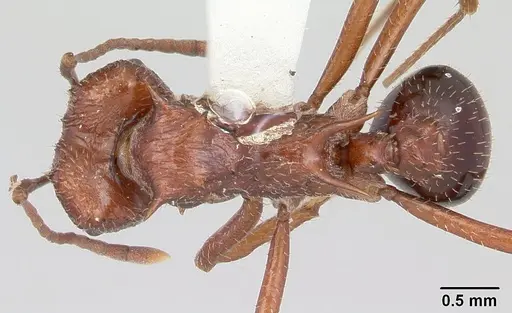
CASENT0104327
View on AntWeb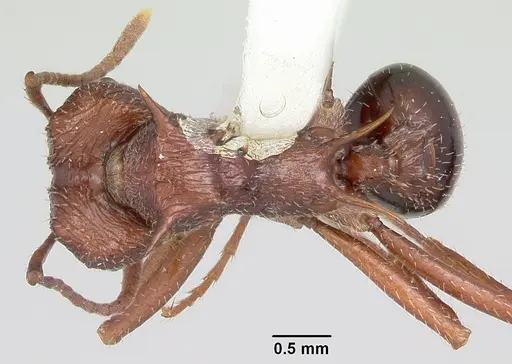
CASENT0173803
View on AntWeb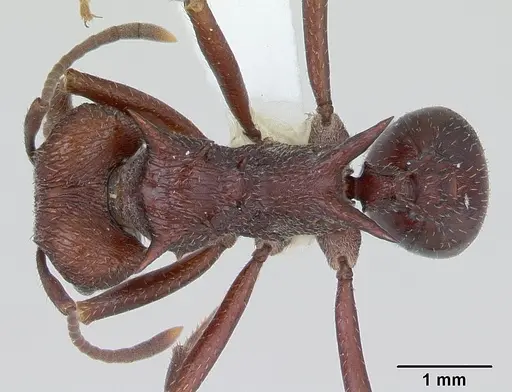
CASENT0912483
View on AntWeb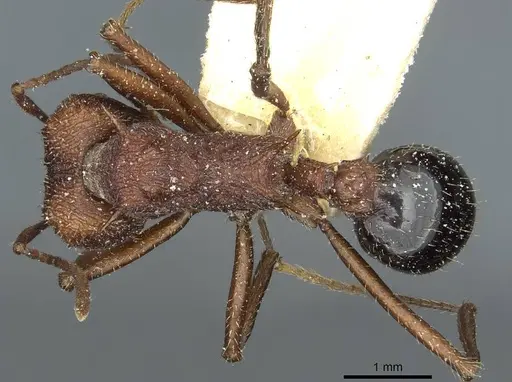
CASENT0912484
View on AntWeb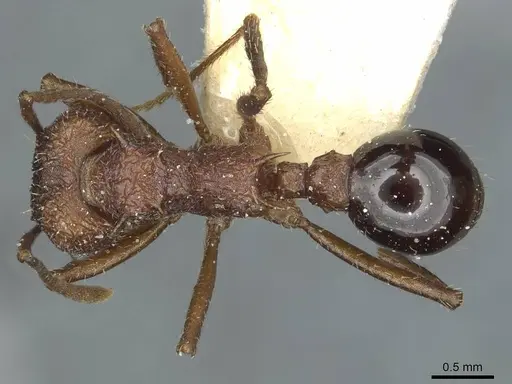
CASENT0916968
View on AntWeb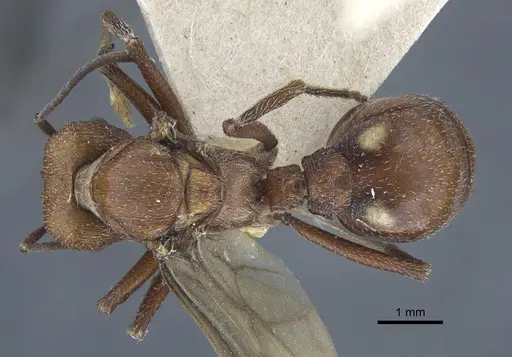
CASENT0922030
View on AntWeb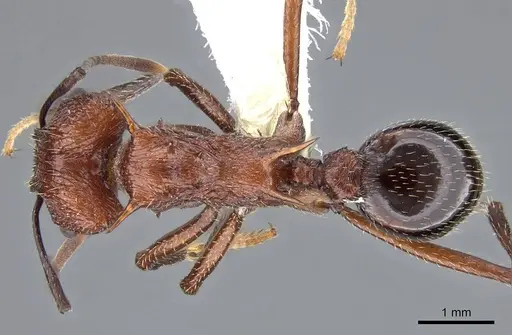
Literature
Loading...Loading products...