

Amblyopone ferruginea
- Scientific Name
- Amblyopone ferruginea
- Tribe
- Amblyoponini
- Subfamily
- Amblyoponinae
- Author
- Smith, 1858
- Distribution
- Found in 1 countries
Amblyopone ferruginea Overview
Amblyopone ferruginea is an ant species of the genus Amblyopone. It is primarily documented in 1 countries , including Australia. Detailed taxonomic data and occurrence records can be further explored via authoritative databases such as AntWeb or the Global Biodiversity Information Facility (GBIF).
Amblyopone ferruginea
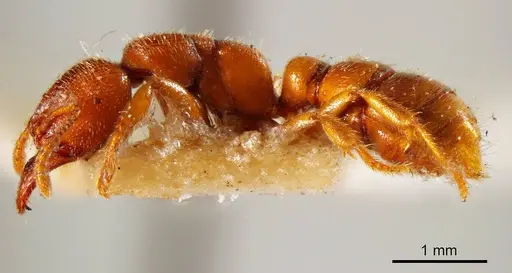
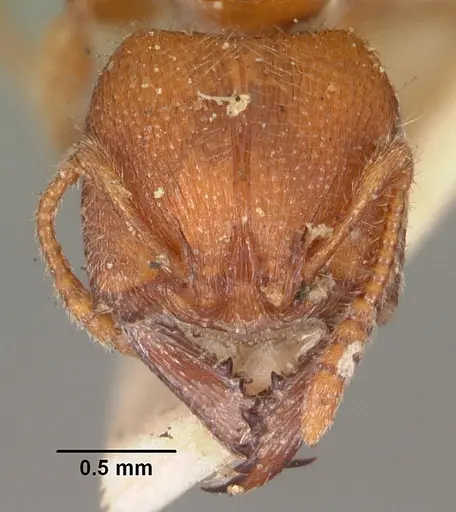
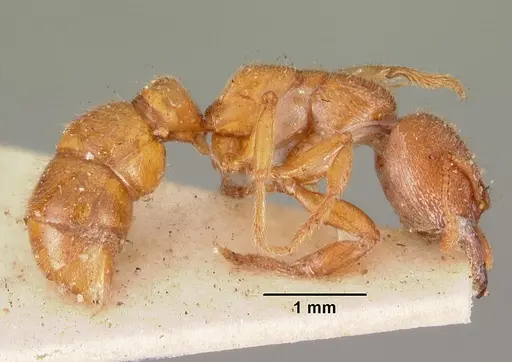
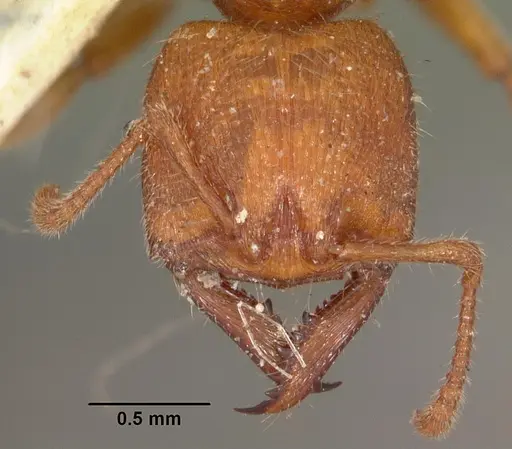
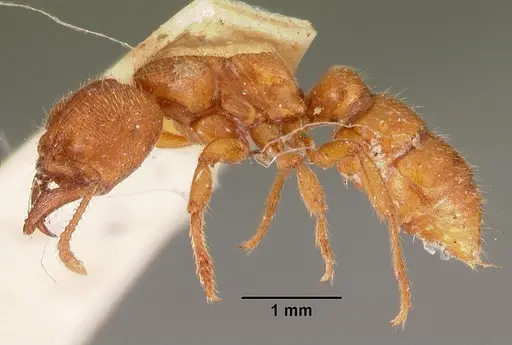
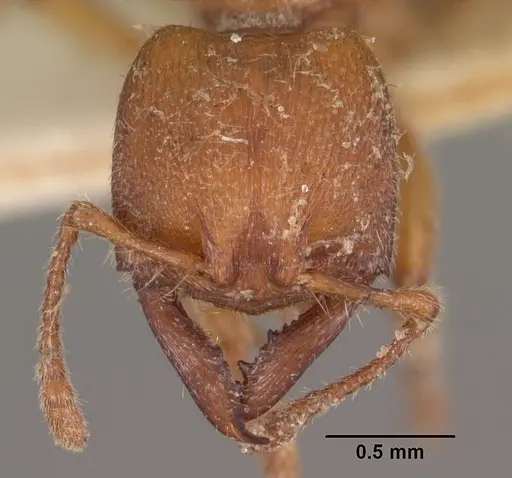
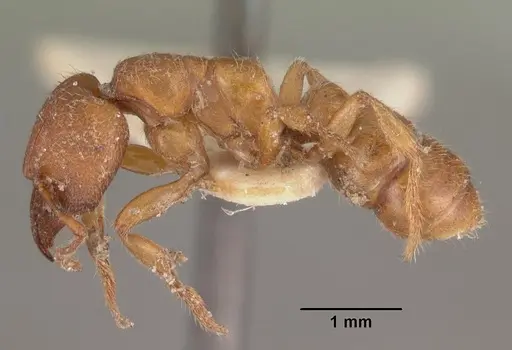
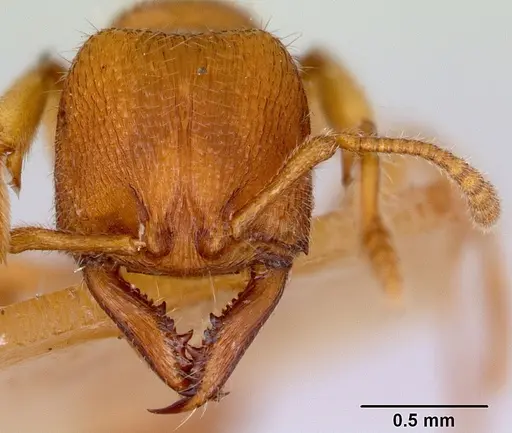
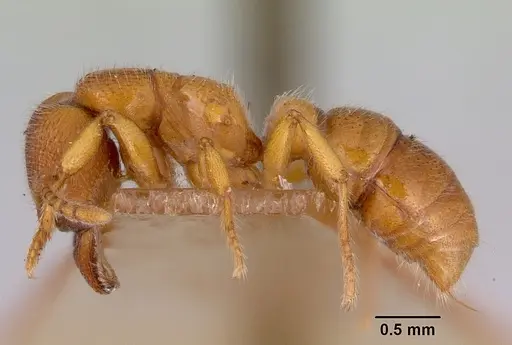
Amblyopone ferruginea is a small reddish-brown ant native to the Melbourne region of Victoria, Australia [1][2][3]. Workers measure roughly 4 mm in length based on the original 1858 description noting them as "2 lines" long [1]. The species name refers to their rusty iron coloration. Until 2016,these ants were classified under the genus Stigmatomma, but careful examination of their head structure, specifically the clypeus (the plate above the jaws), mandible teeth, and frontal lobes, showed they belong in Amblyopone [4][5]. Despite being described over 150 years ago, they remain one of the most obscure Australian ants, with almost no published biological data and virtually no captive breeding records.
Quick Summary
- Difficulty: Expert
- Origin & Habitat: Australia (Victoria, Melbourne region), likely forest floor and rotting wood based on collection locality [1][2][3]
- Colony Type: Unknown, likely single-queen (monogyne) based on typical Amblyopone patterns
- Size & Growth:
- Queen: Unknown, likely 5-6 mm based on typical Amblyopone patterns
- Worker: ~4 mm [1]
- Colony: Unknown, likely under 100 workers based on related species
- Growth: Slow (estimated)
- Development: 8-12 weeks at 20-22°C (estimated based on Amblyopone patterns, unconfirmed) (Development time is inferred from related temperate Amblyopone species, actual timing may vary significantly)
- Antkeeping:
- Temperature: 18-24°C, start around 20-22°C with a gentle gradient (temperate species from Melbourne area, specific requirements unconfirmed)
- Humidity: Moderate to high, keep soil damp like forest leaf litter with some slightly drier areas available
- Diapause: Likely required (temperate climate), but unconfirmed
- Nesting: Naturalistic setup with soil, leaf litter, and rotting wood, small cavities and tight spaces preferred
- Behavior: Specialized predators with elongated mandibles for hunting soil arthropods. Non-aggressive toward humans. Moderate escape risk due to small size.
- Common Issues: extremely limited biological data makes captive care experimental and high-risk., specialized predatory diet likely requires live prey such as small centipedes or springtails., if semi-claustral (likely based on genus patterns), founding queens need regular feeding access rather than being left alone., slow growth means colonies remain small and vulnerable for extended periods.
Taxonomy and Identification
Frederick Smith first described this species in 1858 from specimens collected at Merry Merry Creek in Melbourne [1][3]. For over 150 years, these ants were shuffled between genera, most recently residing in Stigmatomma before being moved back to Amblyopone in 2016. Researchers made this change after studying the shape of the clypeus (the shield-like plate above the mouth), the pattern of teeth on the mandibles, and the structure of the frontal lobes [4][5]. Workers are small, around 4 mm, with a rusty-brown coloration that gives them their name (ferruginea means "rusty" or "iron-colored"). They possess the long, slender mandibles typical of the Dracula ant group.
Distribution and Habitat
This species is known only from the Melbourne area of Victoria, Australia, with the type locality specifically at Merry Merry Creek [3]. Historical records also mention Adelaide, though these may represent different populations [3]. Melbourne has a temperate oceanic climate with cool winters and warm summers. While specific nesting habits are unrecorded for this species, related Amblyopone typically inhabit the forest floor, nesting in soil, leaf litter, and rotting wood. You should replicate these damp, shaded conditions in captivity.
Colony Founding and Development
Founding behavior is completely unconfirmed for Amblyopone ferruginea. Based on typical Amblyopone patterns, queens are likely semi-claustral, meaning they do not seal themselves in a chamber and live off stored fat. Instead, they probably need to leave the nest to hunt for food during the founding stage. This means you cannot simply seal a queen in a test tube and check back in two months. You will need to provide a small foraging area or offer food directly to the queen regularly. Development time from egg to first worker is unknown, but related temperate species take roughly 8-12 weeks at 20-22°C. First workers (nanitics) are typically smaller than subsequent generations.
Feeding and Diet
As members of the Amblyoponinae (Dracula ants), these are specialized predators, not generalist scavengers. In nature they likely hunt small soil arthropods such as centipedes, beetle larvae, and springtails. They use their long mandibles to capture and subdue prey. In captivity, offer small live prey such as fruit flies, springtails, and tiny crickets. They may not accept dead insects or processed foods like cooked chicken. Sugar sources such as honey or sugar water may be ignored entirely, as many Amblyopone rely almost exclusively on protein.
Temperature and Seasonal Care
Being from temperate Victoria, these ants likely prefer moderate temperatures between 18-24°C. Start with a setup around 20-22°C and observe activity levels. Provide a heat gradient so the colony can self-regulate. A winter diapause (rest period) is likely necessary given their Melbourne origins, though this is unconfirmed. If the colony slows down significantly in winter, gradually cool them to 10-15°C for 2-3 months, keeping the nest slightly drier but not completely dry. Return them to room temperature gradually in spring.
Frequently Asked Questions
Can I keep Amblyopone ferruginea in a test tube?
You can house a queen in a test tube, but if they are semi-claustral like other Amblyopone (unconfirmed), she will need a foraging area or regular feeding access during founding. Connect a small outworld to the test tube so she can hunt, or offer tiny prey items directly to the tube entrance every few days.
How long until Amblyopone ferruginea gets its first workers?
Unknown. Based on related temperate Amblyopone species, expect roughly 8-12 weeks at 20-22°C, but this is an estimate. Development may be slower at cooler temperatures or if the queen is not receiving adequate nutrition during the founding phase.
What do Amblyopone ferruginea eat?
They are specialized predators likely hunting small soil arthropods like centipedes, springtails, and insect larvae. In captivity, offer small live prey such as fruit flies or springtails. Acceptance of standard feeder insects is unconfirmed, and they may not accept sugar water or honey.
Do Amblyopone ferruginea need hibernation?
Likely yes, as they come from temperate Victoria with distinct winters, but this is unconfirmed. Provide a cooling period of 2-3 months at 10-15°C if the colony slows down in winter, mimicking their natural seasonal cycle.
Are Amblyopone ferruginea good for beginners?
No. They are suitable for expert keepers only due to the complete lack of specific care data, likely specialized dietary needs requiring live prey, and probable semi-claustral founding which complicates care compared to standard claustral species.
Do Amblyopone ferruginea ants sting?
They possess a sting like other Amblyoponinae, but they are small and not dangerous to humans. Their primary defense is their long mandibles used for capturing prey.
How big do Amblyopone ferruginea colonies get?
Unknown. Based on related Amblyopone species, colonies likely remain small, possibly under 100 workers, and grow slowly over several years.
Can I keep multiple Amblyopone ferruginea queens together?
Not recommended. They are likely monogyne (single queen) based on genus patterns, and unrelated queens would probably fight. Combining queens has not been documented for this species.
What temperature do Amblyopone ferruginea need?
Start around 20-22°C with a gentle gradient from 18-24°C. Being from temperate Melbourne, they likely prefer cooler conditions than tropical species and may overheat if kept above 25-26°C constantly.
Why are my Amblyopone ferruginea dying?
Most captive failures stem from inappropriate diet (they need live prey, not just sugar water), lack of hibernation if required, or disturbance during the likely semi-claustral founding phase. The species is poorly understood, so mortality is unfortunately common. Ensure the queen has access to food during founding and maintain high humidity with good ventilation.
References

This caresheet is licensed under CC BY-SA 4.0 .
ANTWEB1008136
View on AntWeb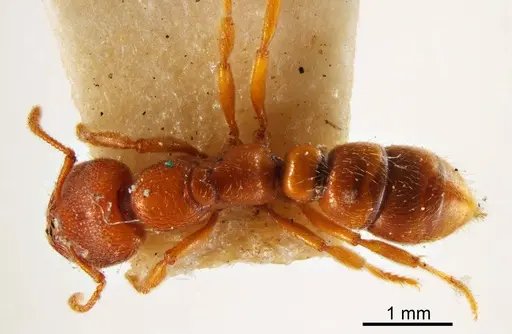
CASENT0102191
View on AntWeb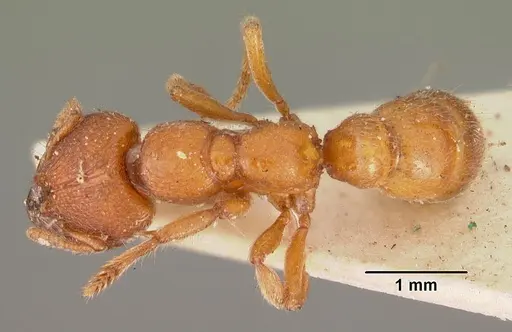
CASENT0102192
View on AntWeb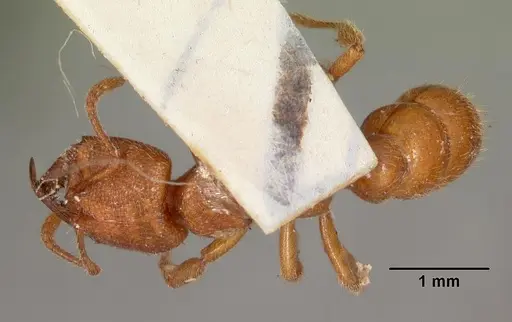
CASENT0102522
View on AntWeb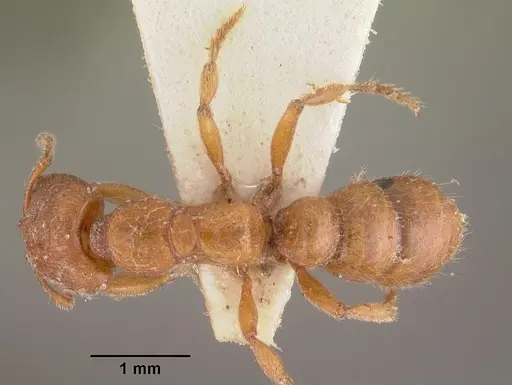
CASENT0172197
View on AntWeb
Literature
Loading...Loading products...