

Amblyopone aberrans
- Scientific Name
- Amblyopone aberrans
- Tribe
- Amblyoponini
- Subfamily
- Amblyoponinae
- Author
- Wheeler, 1927
- Distribution
- Found in 1 countries
Amblyopone aberrans Overview
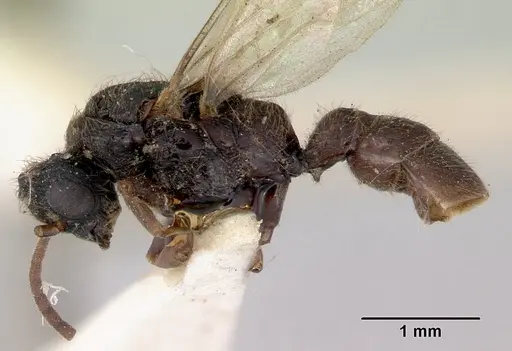
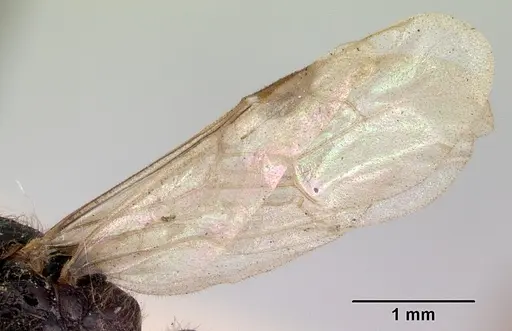
Amblyopone aberrans is an ant species of the genus Amblyopone. It is primarily documented in 1 countries , including Australia. Detailed taxonomic data and occurrence records can be further explored via authoritative databases such as AntWeb or the Global Biodiversity Information Facility (GBIF).
Amblyopone aberrans
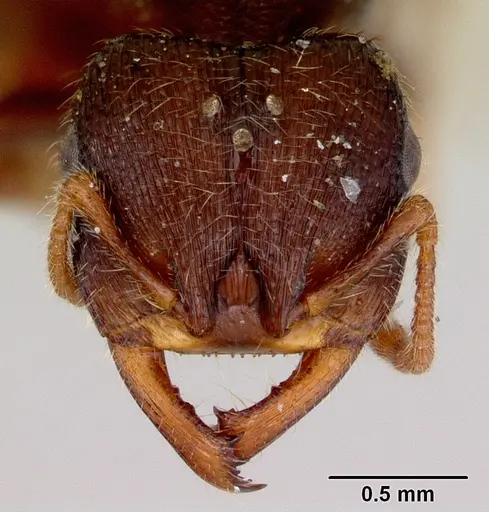
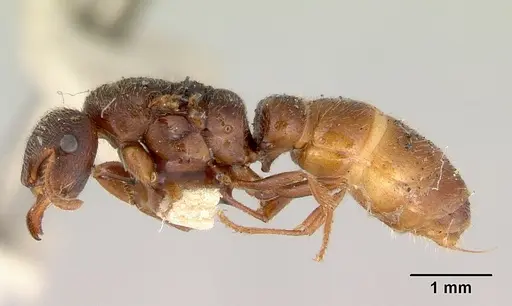
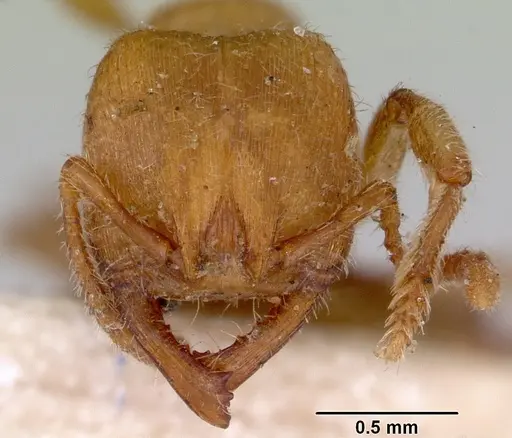
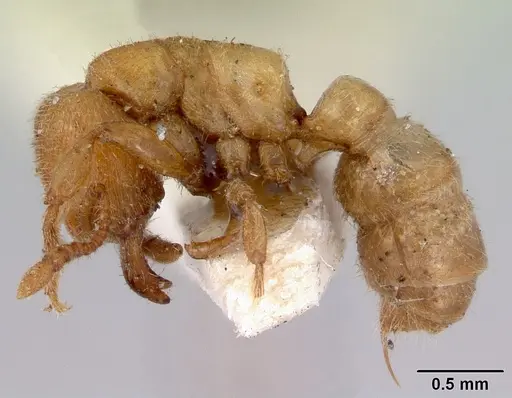
Amblyopone aberrans is a small, cryptic ant from the primitive Amblyopone genus, often called Dracula ants for their unusual habit of feeding their larvae with regurgitated blood from their own bodies or prey. They have distinctive mandibles with teeth concentrated at the tip rather than spread along the inner edge [1]. This species was first described from Mundaring, just east of Perth in Western Australia, but appears to have become increasingly rare as urbanization spreads through the region. In fact, recent surveys found no specimens in the Curtin University Ant Collection, suggesting wild populations may be small or declining [1].
These ants represent a primitive lineage of ants that retain many ancestral traits, including poor eyesight, subterranean habits, and specialized predatory behavior. For antkeepers, they present a unique challenge: they are rarely available in the hobby, poorly studied, and likely have specialized dietary needs involving live prey like centipedes or other soil arthropods. Their apparent rarity in the wild also raises conservation concerns that responsible keepers must consider before attempting to collect or keep this species.
Quick Summary
- Difficulty: Expert
- Origin & Habitat: Western Australia, specifically the Mundaring/Perth region. They likely inhabit forest or woodland soils in the Darling Range area [1].
- Colony Type: Single-queen colonies (monogyne). Like other Amblyopone, they probably maintain one reproductive queen per nest, though this has not been specifically documented for this species [2].
- Colony: Monogyne
- Founding: Semi-claustral
- Size & Growth:
- Queen: Approximately 5-7 mm (estimated from genus patterns).
- Worker: Approximately 3-5 mm (estimated from genus patterns).
- Colony: Likely under 100 workers. Related Amblyopone species typically maintain small colonies of a few dozen to low hundreds of workers [2].
- Growth: Slow. Development timelines are unconfirmed, but related species take several months to produce workers.
- Development: 8-12 weeks (estimated from typical Amblyopone development at 24-26°C). (This is an estimate based on genus patterns. Actual timing is unconfirmed and may vary significantly with temperature.)
- Antkeeping:
- Temperature: Start around 22-25°C with a gentle gradient. Based on the Perth region climate, they likely prefer moderate temperatures without extreme heat. Provide a heating cable on one side of the nest to create a gradient, but avoid overheating these moisture-loving ants.
- Humidity: Keep the nest substrate consistently moist but not waterlogged. As subterranean ants, they need high humidity in their chambers, the substrate should feel damp to the touch, with some slightly drier areas available. Poor humidity control is likely a major cause of failure with this genus.
- Diapause: Unknown. Western Australia has mild winters, so they may not require full hibernation. If kept in cooler climates, they may slow down in winter. Observe colony activity, if they become sluggish during cooler months, reduce feeding and maintain moderate temperatures (15-18°C) for 6-8 weeks.
- Nesting: Dark, moist, small-chambered nests. In captivity, use naturalistic setups with soil and rotting wood, or Y-tong nests with very small chambers and narrow passages. They need darkness and security, avoid clear acrylic nests or bright lighting.
- Behavior: Cryptic and subterranean. They spend most of their time in dark, moist chambers and forage slowly for prey. They have poor eyesight and rely on chemical cues. They possess stingers and can deliver a mild sting if threatened, though they are not aggressive and prefer to hide. Their small size means escape prevention must be excellent, use fine mesh barriers and Fluon on outworld walls.
- Common Issues: extreme rarity in the wild and hobby makes them nearly impossible to obtain legally or ethically., specialized diet requirements likely include live centipedes or other soil arthropods, colonies may starve without appropriate prey., high moisture needs mean mold risk is constant, balance humidity with ventilation carefully., semi-claustral founding means queens must leave the nest to hunt, making founding difficult and stressful for the queen., slow growth rate tests patience, colonies remain small for long periods and beginners may overfeed or disturb them.
Conservation and Ethical Considerations
Amblyopone aberrans appears to be genuinely rare and possibly declining. The species was described from Mundaring near Perth, but recent surveys found no specimens in the Curtin University Ant Collection, and researchers note it has become increasingly scarce as urbanization expands through its range [1]. This raises serious conservation concerns.
For antkeepers, this means you should not attempt to collect wild specimens without proper permits and ecological justification. If you somehow acquire a colony (likely through rare legal collection or existing captive stock), your priority should be preservation and breeding rather than casual keeping. Document your observations carefully, as captive observations may contribute to scientific knowledge about this poorly understood species.
Never release captive colonies into the wild, especially outside their native Western Australia range. While they are not known to be invasive, any release could introduce disease or genetic contamination to fragile wild populations.
Natural History and Habitat
Little is known specifically about A. aberrans biology, but we can infer from their type locality and genus patterns. They were collected in Mundaring, in the Darling Range east of Perth, an area characterized by jarrah-marri forest on lateritic soils [1]. This suggests they inhabit forested areas with good soil development and decaying wood.
Like other Amblyopone, they are likely subterranean or cryptic nesters, living in soil, under rocks, or in rotting wood. They probably forage slowly through soil and leaf litter, hunting specific prey rather than scavenging. Their mandibular structure, with teeth concentrated at the tip, suggests they grasp and pierce prey items like centipedes or beetle larvae [1].
The climate in their native range features hot, dry summers and cool, wet winters. This suggests they can handle temperature variation but need access to moist microhabitats during dry periods.
Colony Founding
Founding behavior has not been directly observed in A. aberrans, but based on typical Amblyopone patterns, queens are semi-claustral. This means the queen does not seal herself in a chamber and live off stored fat reserves. Instead, she must leave her founding chamber periodically to hunt for food while raising her first workers.
This makes founding much more challenging than claustral species like Lasius or Camponotus. You will need to provide a small founding setup with access to a foraging area, and offer appropriate prey from the start. The queen is vulnerable during this period, too much disturbance or inability to find food will cause her to fail.
Set up a small test tube or mini-nest with a water source, connected to a tiny outworld where you can place prey. Offer small, soft-bodied prey or prey fragments that she can subdue easily. Some keepers have success with small centipede segments or termites for related Amblyopone species. [2]
Feeding and Diet
Amblyopone species are specialized predators, not generalist scavengers. In the wild, they likely hunt centipedes, beetle larvae, and other soil-dwelling arthropods. They use their distinctive mandibles to grasp prey and their stingers to subdue it.
In captivity, you will need to provide live or freshly killed small prey. Options to try include:
- Small centipedes (chopped into manageable pieces for small colonies)
- Termites or small beetle larvae
- Tiny crickets or roach nymphs
- Fruit flies or springtails (may be too small for adults but good for larvae)
They may not accept sugar water or honey, as they are primarily protein-dependent. Watch for the characteristic Dracula ant behavior: workers cutting holes in their own larvae or prey to feed on hemolymph (insect blood), which they then regurgitate to feed other larvae.
Feed small amounts frequently rather than large dumps of prey that could rot in their humid nest. [2]
Housing and Nest Setup
These ants need darkness, moisture, and security. Avoid standard acrylic formicaria with clear viewing areas, they will stress in bright light and may die from exposure. Instead, use:
- Naturalistic setups with soil, sand, and rotting wood in a dark container
- Y-tong (autoclaved aerated concrete) nests with small chambers and narrow tunnels
- Plaster nests with small chambers, kept in a dark enclosure
Chamber size should be small, these are not large ants and prefer tight spaces. Provide a moisture gradient by keeping one side of the nest damper than the other.
The outworld should be escape-proof with excellent barriers. Use Fluon (a slippery barrier) on the upper walls, and ensure any ventilation mesh is fine enough to stop tiny workers (under 1mm mesh for small Amblyopone). They are not known for climbing but will explore any gap. [2]
Temperature and Seasonal Care
Native to the Perth region with its Mediterranean climate, these ants likely prefer moderate temperatures between 20-26°C. They can probably tolerate brief periods of heat but need access to cooler, moist retreat areas.
Use a heating cable or mat on one side of the nest (preferably the top to avoid drying out the water reservoir) to create a gradient. This lets the ants choose their preferred temperature.
Regarding diapause (winter rest): this is unconfirmed for A. aberrans. Western Australian winters are mild, so they may remain active year-round. However, if you keep them in a climate with cold winters, they may slow down naturally. If activity drops and brood development stalls in winter, provide a cool period at 15-18°C for 6-8 weeks with reduced feeding. Do not let them freeze. [1]
Frequently Asked Questions
Can I keep Amblyopone aberrans as a beginner?
No. This is an expert-level species due to their extreme rarity, specialized semi-claustral founding requirements, and likely need for specific live prey like centipedes. They are also potentially threatened in the wild, making ethical collection nearly impossible for hobbyists.
How rare is Amblyopone aberrans?
They appear to be genuinely rare and declining. Described from near Perth, Western Australia, recent surveys found no specimens in major collections, and researchers note they have become increasingly scarce with urbanization [1].
What does semi-claustral founding mean for Amblyopone aberrans?
It means the queen must leave her nest to hunt for food while raising her first workers, unlike claustral queens who seal themselves in and live off stored fat. You must provide a foraging area and appropriate prey from day one, and disturb her minimally during this vulnerable period.
What do Amblyopone aberrans eat?
They are specialized predators likely feeding on centipedes, beetle larvae, and other soil arthropods in the wild. In captivity, offer small live prey like termites, tiny roaches, or centipede segments. They may not accept sugar water.
Do Amblyopone aberrans need hibernation?
This is unknown. Their native Western Australia has mild winters, so they may stay active year-round. If kept in cooler climates and they slow down in winter, provide a cool rest period at 15-18°C for 6-8 weeks.
How long until Amblyopone aberrans gets their first workers?
This is unconfirmed, but based on related Amblyopone species, expect roughly 8-12 weeks at 24-26°C. Semi-claustral founding can be slower and riskier than claustral founding.
What is the best nest type for Amblyopone aberrans?
Use dark, moist nest setups like Y-tong (aerated concrete), plaster, or naturalistic soil/wood setups. Avoid clear acrylic nests, these cryptic ants need darkness to thrive.
Can I keep multiple Amblyopone aberrans queens together?
No. Amblyopone are typically monogyne (single-queen) and queens will likely fight. Additionally, with this species being so rare, you should never have multiple queens in the first place.
Do Amblyopone aberrans ants sting?
Yes. Like other Amblyopone, they possess stingers and can sting if threatened, though they are not aggressive and prefer to hide. The sting is generally mild to humans but effective against their prey.
Why are my Amblyopone aberrans dying?
Common causes include: insufficient humidity (they need very moist conditions), inappropriate food (they need live prey, not just sugar water), disturbance during founding (semi-claustral queens are sensitive), or old age (wild-caught queens may be old). Also check for mites or mold in overly wet conditions.
References

This caresheet is licensed under CC BY-SA 4.0 .
CASENT0102193
View on AntWeb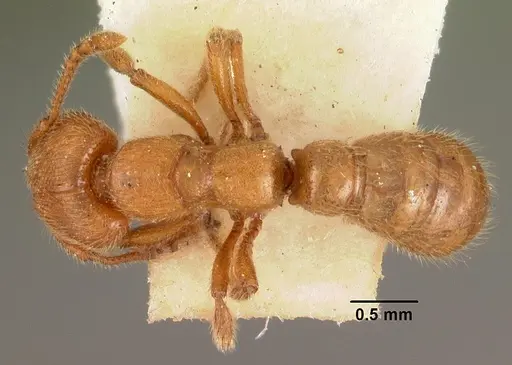
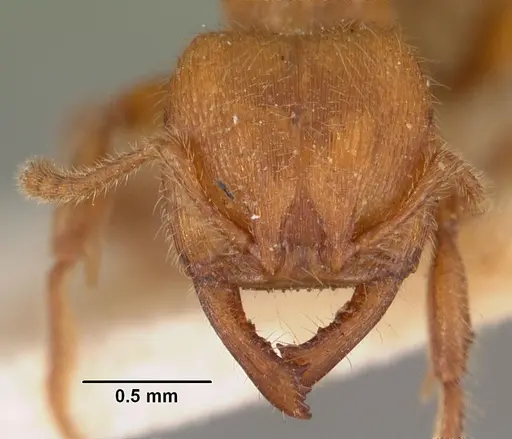
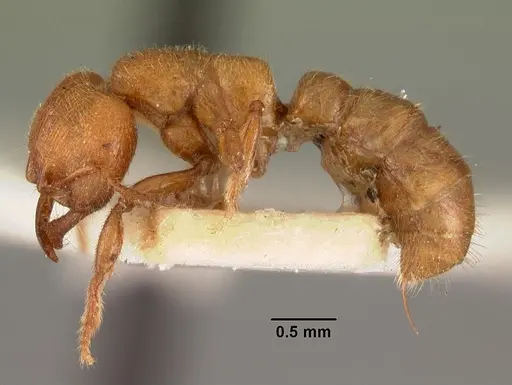
CASENT0172183
View on AntWeb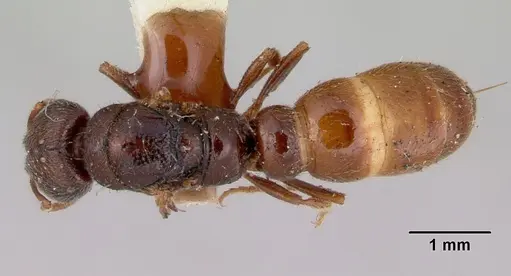
CASENT0172184
View on AntWeb
CASENT0172185
View on AntWeb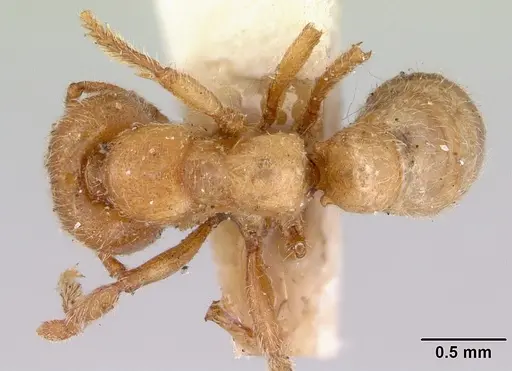
Literature
Loading...Loading products...