

Allomerus decemarticulatus
- Scientific Name
- Allomerus decemarticulatus
- Tribe
- Attini
- Subfamily
- Myrmicinae
- Author
- Mayr, 1878
- Distribution
- Found in 2 countries
Allomerus decemarticulatus Overview
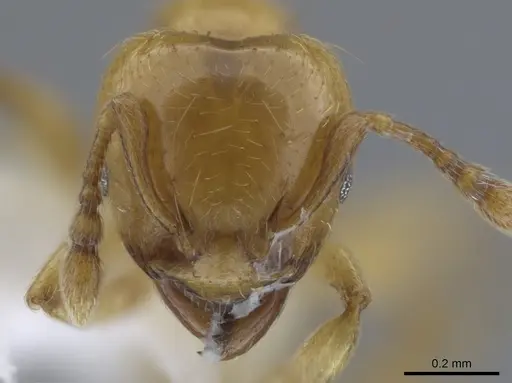
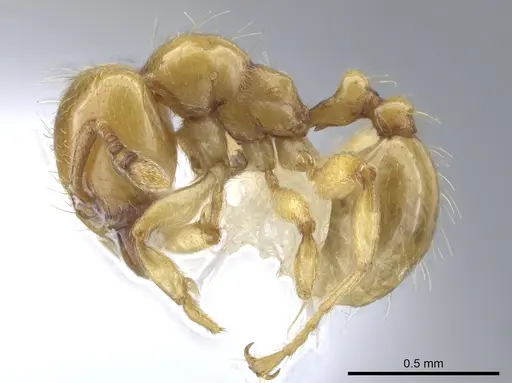
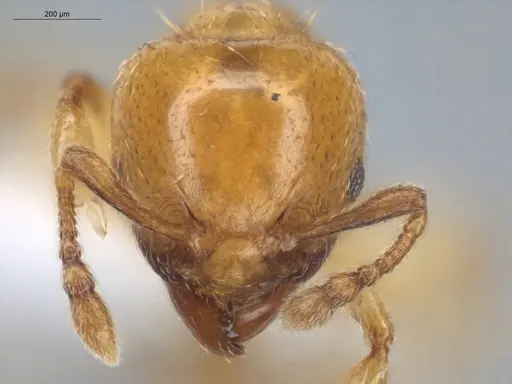
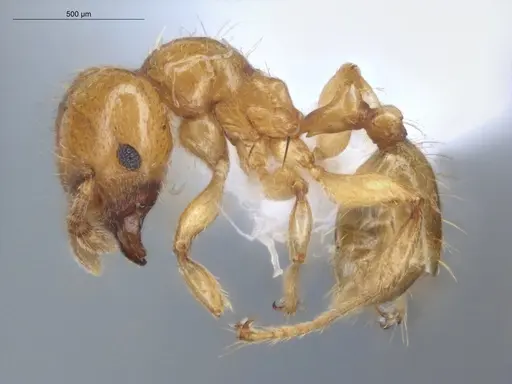
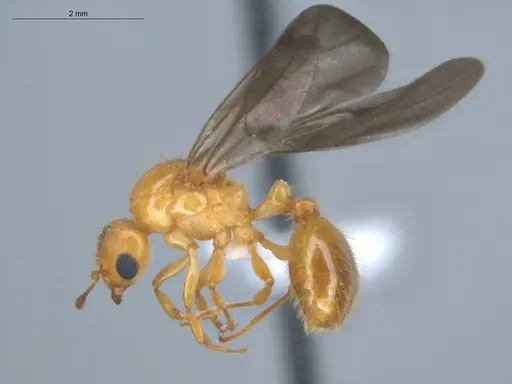
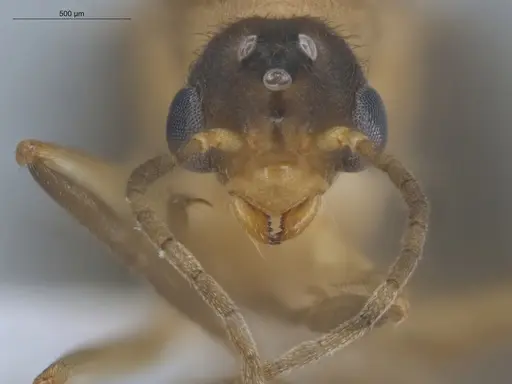
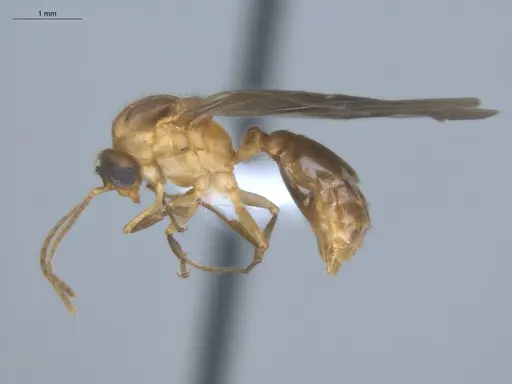
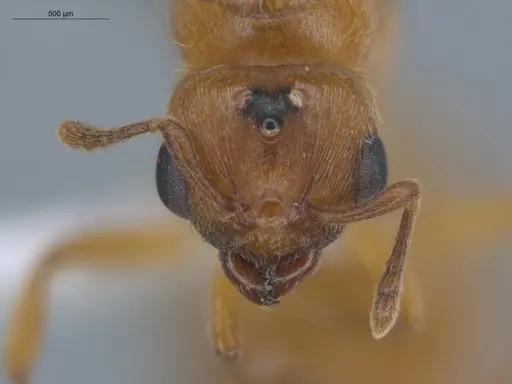
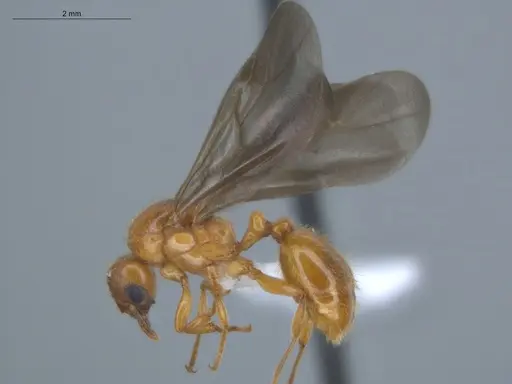
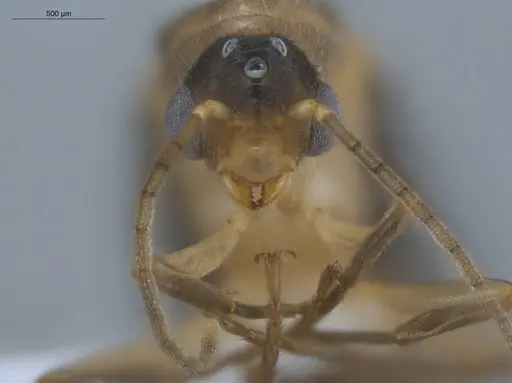
Allomerus decemarticulatus is an ant species of the genus Allomerus. It is primarily documented in 2 countries , including Brazil, French Guiana. Detailed taxonomic data and occurrence records can be further explored via authoritative databases such as AntWeb or the Global Biodiversity Information Facility (GBIF).
Allomerus decemarticulatus
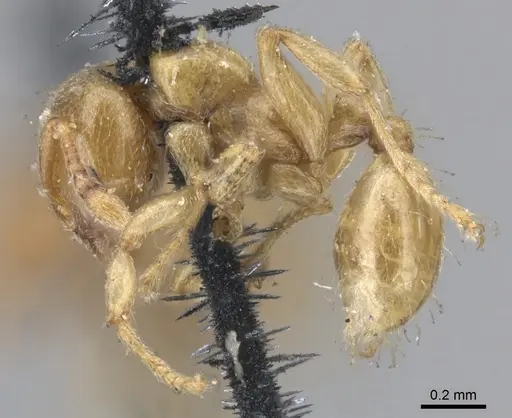
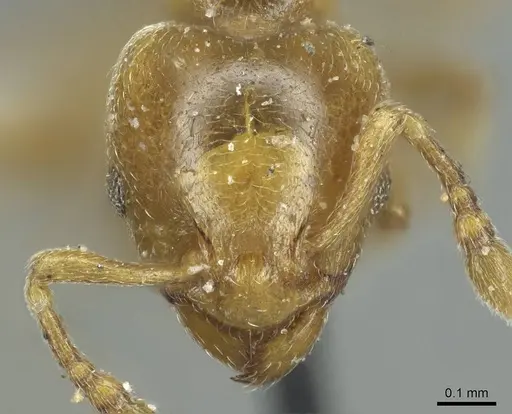
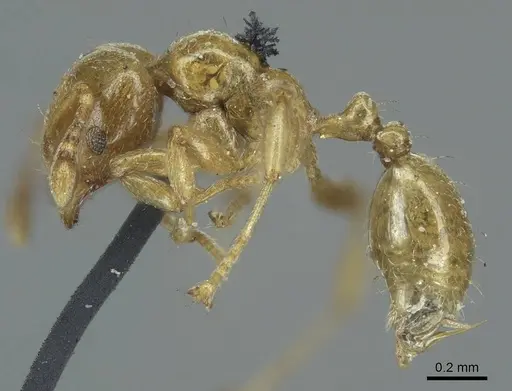
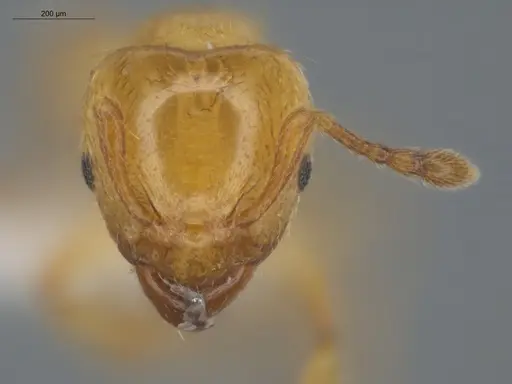
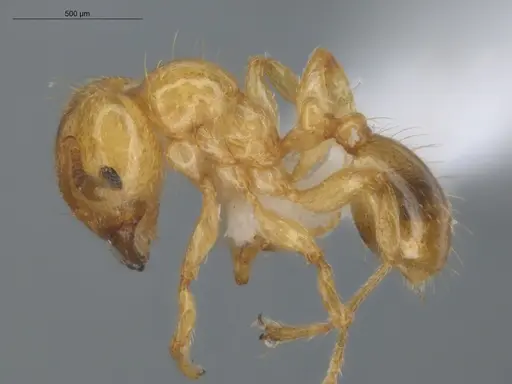
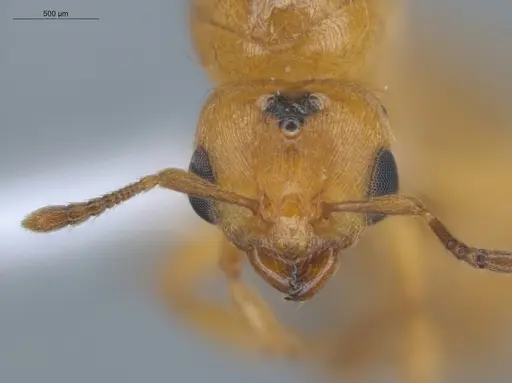
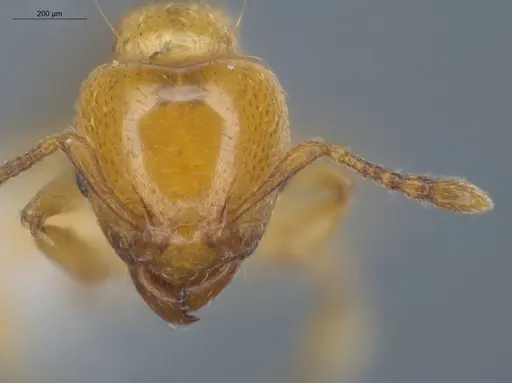
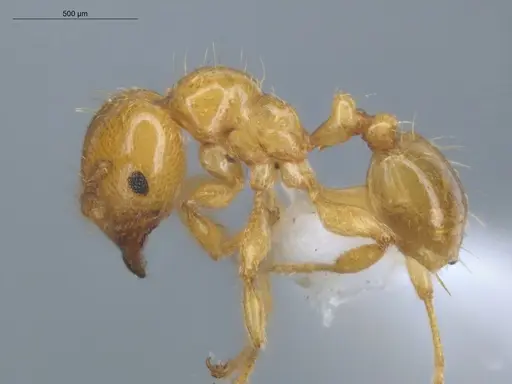
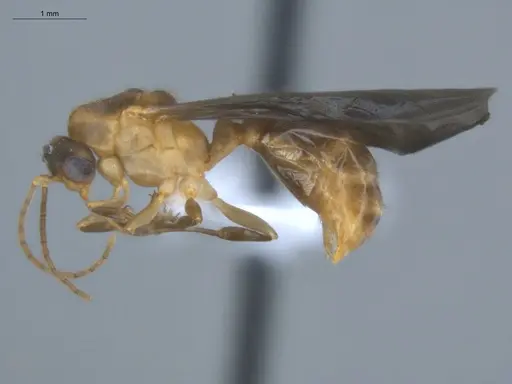
Allomerus decemarticulatus are tiny ants from the Amazon rainforest, with workers measuring just 1.5-2.2 mm and queens reaching about 5.35 mm [1][2]. They live in Brazil, French Guiana, and Ecuador, where they inhabit the leaf pouches (domatia) of a specific ant-plant called Hirtella physophora [3][1][4]. These ants are famous for being master trap-builders. Workers cut hairs (trichomes) from their host plant, bind them together with a special glue from their bodies, and encourage a specific fungus to grow on the structure. This creates a gallery with holes just big enough for their heads to poke through, creating a deadly trap for capturing insects up to 1,800 times their size [5][6][2]. Unlike many plant-ants, they do not farm scale insects for honeydew, they are pure predators that rely entirely on this sophisticated hunting strategy [2].
Quick Summary
- Difficulty: Expert
- Origin & Habitat: Amazonian rainforest understory in Brazil, French Guiana, and Ecuador [3][1]. They are obligate residents of the myrmecophytic treelet Hirtella physophora (Chrysobalanaceae), living in the leaf pouches (domatia) provided by the plant [1][4][7].
- Colony Type: Single-queen (monogyne) colonies. Colonies are monogynous, meaning they contain only one queen, and can grow to populations exceeding 1,000 workers [1][7].
- Colony: Monogyne
- Founding: Claustral
- Size & Growth:
- Queen: 5.35 mm total length, head width 1.05 mm [1].
- Worker: 1.5-1.8 mm [2] to 2.2 mm total length [1].
- Colony: Exceeds 1,000 workers in mature colonies [1].
- Growth: Slow, colonies have a half-life of approximately 10-11 years and can survive over 20 years [8].
- Development: Unknown directly, based on tropical Myrmicinae patterns, likely 6-10 weeks at 25-28°C. (Development time is inferred from related tropical species. Colonies grow slowly and can live for decades.)
- Antkeeping:
- Temperature: 24-28°C (tropical species). Start at 26°C and adjust based on activity levels.
- Humidity: High humidity required. The nest substrate should remain consistently moist, mimicking the damp rainforest understory.
- Diapause: No. This is a tropical species that does not require winter hibernation.
- Nesting: Requires living host plant Hirtella physophora with domatia (leaf pouches). Cannot be kept in standard artificial nests like test tubes or Y-tong.
- Behavior: Highly specialized predators that construct fungal-reinforced traps from plant material. Workers show low intraspecific aggression [9]. They patrol leaves during the day searching for prey [1]. Their extremely small size (under 2 mm) makes escape prevention critical, they can squeeze through the tiniest gaps.
- Common Issues: requires living host plant Hirtella physophora and specific symbiotic fungus to build hunting traps, standard ant farms will not work., trap-building behavior is essential for feeding, without their fungal galleries, they cannot capture prey effectively., extremely small size (1.5-1.8 mm) means escapes are likely without specialized fine mesh barriers., colonies live 10-20 years, requires long-term commitment to specialized care., queens found claustrally but require host plant domatia with extra-floral nectaries to establish successfully.
Trap Construction and Hunting Behavior
Allomerus decemarticulatus are famous for being the first ants discovered to build traps for hunting. Workers construct gallery-shaped structures along the stems of their host plant using cut plant hairs (trichomes) as pillars and beams [5][2]. They bind these together using a compound regurgitated from their bodies, then encourage a specific sooty-mold fungus (Trimmatostroma cordae) to grow on the structure, which reinforces it like cement [10][11].
The resulting trap is a tunnel about 2 mm high and 3-4 mm wide, pierced with holes roughly 0.55 mm in diameter, just large enough for a worker's head to fit through [2]. Workers hide inside with their mandibles open, waiting for insects to land. When prey touches the surface, the ants grab its legs or antennae from below and pull in opposite directions, stretching the victim against the gallery surface using what researchers call the 'Velcro principle' [12][2]. They can immobilize insects weighing up to 1,800 times their own body weight this way [6]. Once the prey is secured, nestmates sting it to paralysis and carry it to the nest [13].
Host Plant Requirements
These ants are obligate plant-ants, meaning they cannot survive without their specific host plant, Hirtella physophora [4][7]. The plant provides domatia, specialized leaf pouches where the ants nest, and the ants protect the plant from herbivores [8]. In French Guiana, over 95% of foundress queens choose this specific plant, and mature colonies are never found on other myrmecophytes [7].
The relationship is so specialized that the ants even affect the plant's reproduction. Workers destroy floral buds, reducing fruit production by more than 50%, though they also protect vegetative growth [14][8]. The ants also require the specific fungus that grows on their traps, which they cultivate from hyphae taken from older gallery sections [2]. This tripartite relationship between ant, plant, and fungus makes captive keeping nearly impossible without the complete natural system.
Colony Founding and Longevity
Queens found new colonies claustrally, meaning they seal themselves inside a domatium and live off stored fat reserves until their first workers hatch [7]. During this time, they obtain additional food from extra-floral nectaries located inside the domatia [7]. Foundress queens prefer young leaves when selecting nest sites [7].
These are long-lived ants. Studies show colonies have a half-life of approximately 10-11 years, with some surviving over 20 years [8]. Colony size is directly limited by the number of domatia available on the host plant, more leaf pouches mean more workers [8]. Reproduction begins early, with alates (winged reproductives) produced even in small colonies of fewer than 300 workers, though production increases significantly once colonies exceed 600 workers [8].
Captive Care Considerations
Allomerus decemarticulatus is not suitable for standard ant keeping. You cannot keep them in test tubes, acrylic nests, or Y-tong setups. They require a living Hirtella physophora plant with established domatia, plus the specific Chaetothyriales fungus needed to build their hunting galleries [2][10]. Without these, the colony cannot feed itself naturally.
If attempting to maintain them (for research purposes), you would need a greenhouse setup with their host plant, high humidity (80%+), and temperatures around 24-28°C. They would need live prey that can be captured using their trap system, they do not readily accept pre-killed insects or sugar water as primary food sources [2]. Their extremely small size (1.5-1.8 mm) requires exceptional escape prevention, standard barriers like Fluon may be necessary but untested for this species specifically.
Frequently Asked Questions
Can I keep Allomerus decemarticulatus in a test tube?
No. These ants are obligate plant-ants that require the living host plant Hirtella physophora with its specialized leaf pouches (domatia). They cannot survive in test tubes or standard artificial nests.
What do Allomerus decemarticulatus eat?
They are specialized predators that capture large insects using their fungal-reinforced trap galleries. They grab prey appendages through holes in the gallery and stretch the victims until they can sting them. They do not tend scale insects or accept sugar water as a primary food source.
How big do Allomerus decemarticulatus colonies get?
Colonies typically exceed 1,000 workers in mature nests. Colony size is limited by the number of domatia (leaf pouches) available on the host plant, more nesting space allows for larger colonies.
Do Allomerus decemarticulatus need hibernation?
No. They are a tropical species from the Amazon rainforest and do not require diapause or winter hibernation. They remain active year-round at warm temperatures.
Are Allomerus decemarticulatus good for beginners?
No. They are expert-level at best, and realistically impossible for hobbyist keepers because they require a specific living plant and symbiotic fungus to survive and hunt. They are research subjects, not pet ants.
How long do Allomerus decemarticulatus colonies live?
Colonies are extremely long-lived, with a half-life of about 10-11 years and maximum ages exceeding 20 years.
Can I keep multiple Allomerus decemarticulatus queens together?
No. This species is monogyne, meaning colonies contain only one queen. Multiple queens would likely fight or be rejected by workers.
How do Allomerus decemarticulatus build their traps?
Workers cut hairs (trichomes) from the host plant stem, bind them together using regurgitated material, and encourage a specific fungus to grow on the structure. This creates a gallery with holes that they use to ambush prey from below.
Why are my Allomerus decemarticulatus dying in captivity?
These ants almost certainly die in captivity because they cannot be kept without their specific host plant Hirtella physophora and the symbiotic fungus needed to build their hunting galleries. They are not adapted to artificial nests or standard antkeeping food.
References

This caresheet is licensed under CC BY-SA 4.0 .
CASENT0178477
View on AntWeb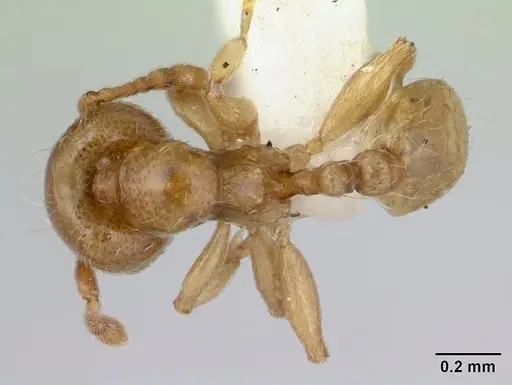
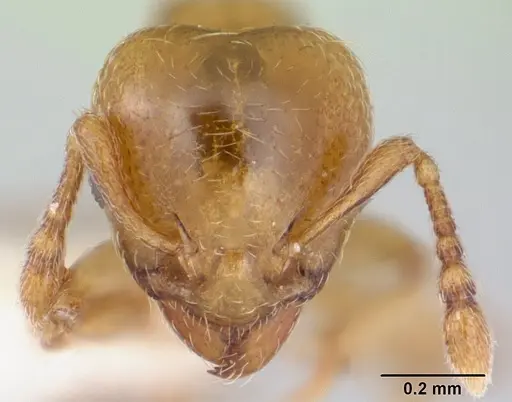
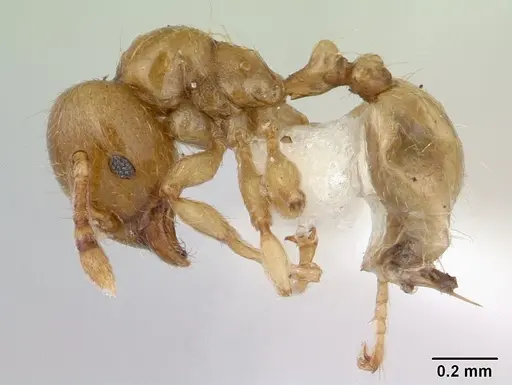
CASENT0646187
View on AntWeb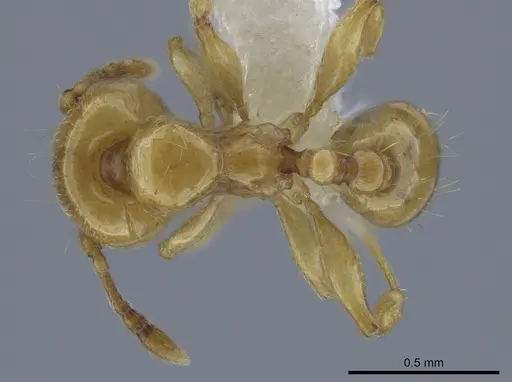
CASENT0902176
View on AntWeb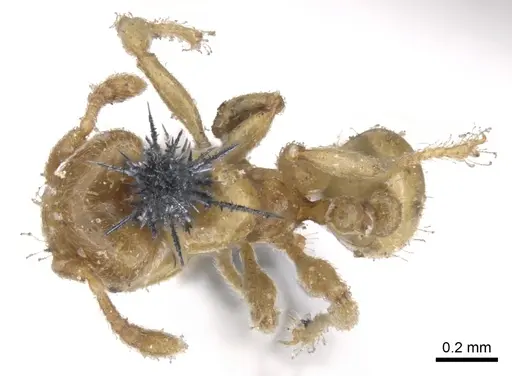
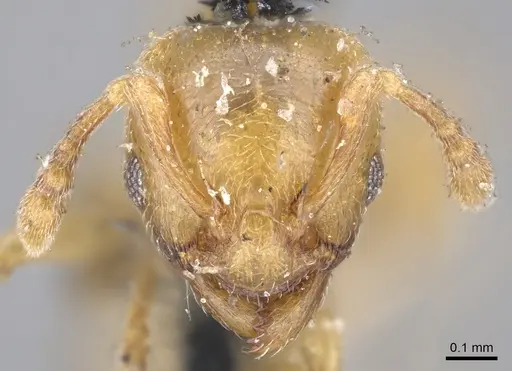
CASENT0916032
View on AntWeb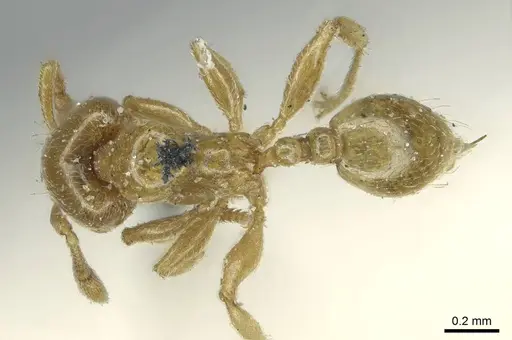
ECOFOG-HC-0028
View on AntWeb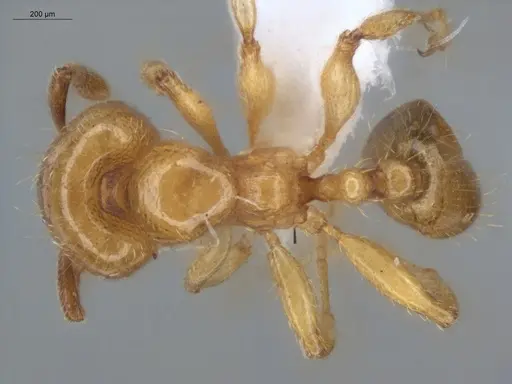
ECOFOG-HC-0049-03
View on AntWeb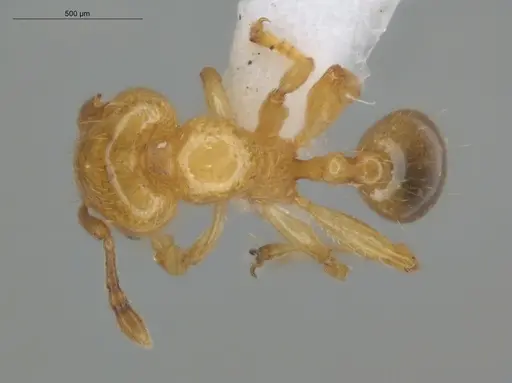
ECOFOG-HC-0049-04
View on AntWeb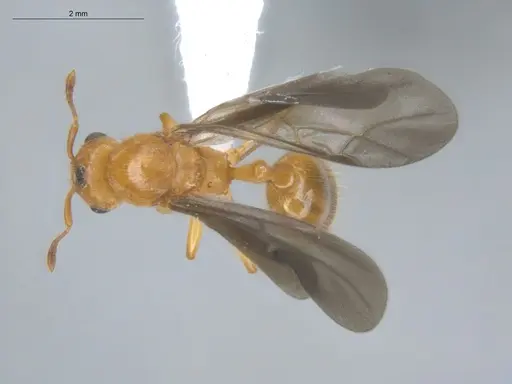
ECOFOG-HC-0049-06
View on AntWeb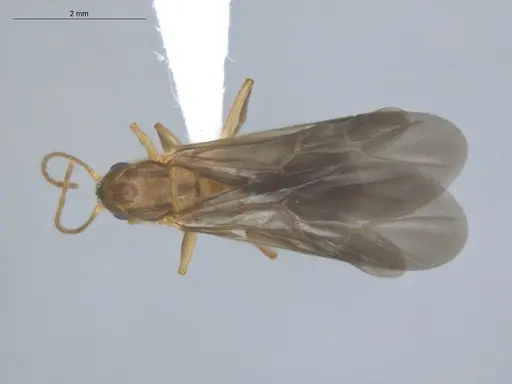
ECOFOG-HC-0051-01
View on AntWeb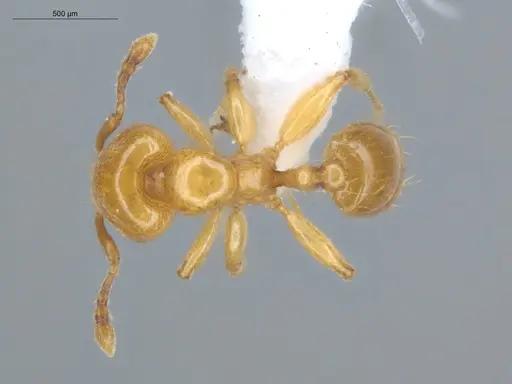
ECOFOG-HC-0051-04
View on AntWeb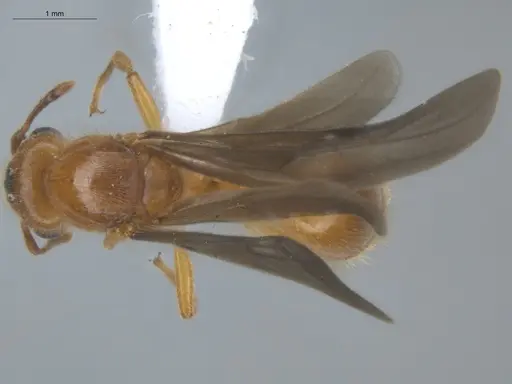
ECOFOG-HC-0051-05
View on AntWeb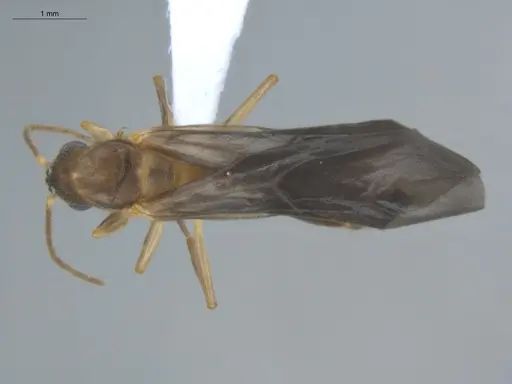
Literature
Loading...Loading products...