

Aenictus weissi
- Scientific Name
- Aenictus weissi
- Subfamily
- Dorylinae
- Author
- Santschi, 1910
- Distribution
- Found in 8 countries
Aenictus weissi Overview
Aenictus weissi is an ant species of the genus Aenictus. It is primarily documented in 8 countries , including Cameroon, Gabon, Ghana. Detailed taxonomic data and occurrence records can be further explored via authoritative databases such as AntWeb or the Global Biodiversity Information Facility (GBIF).
Aenictus weissi
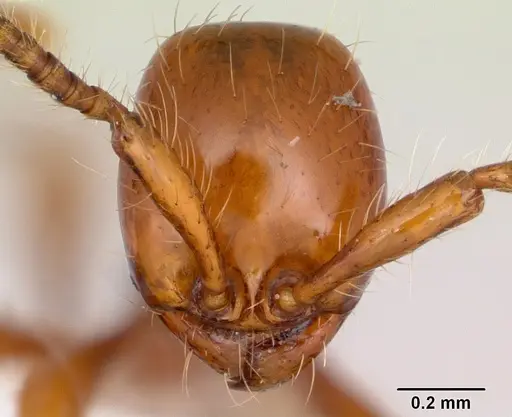
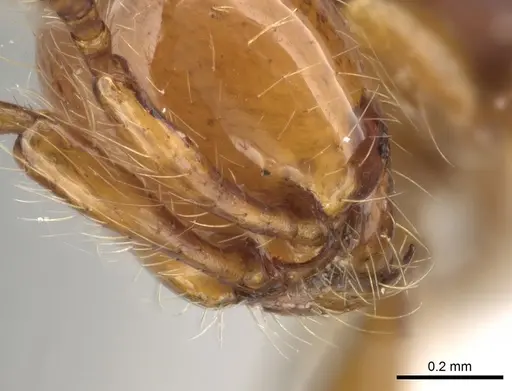
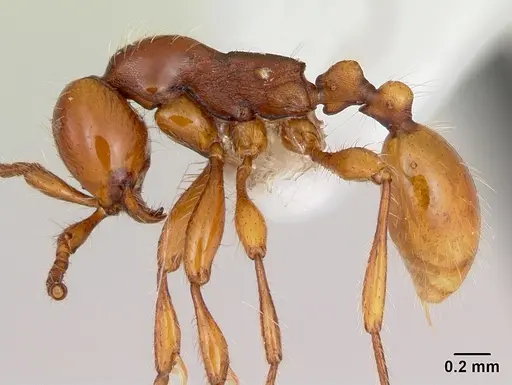
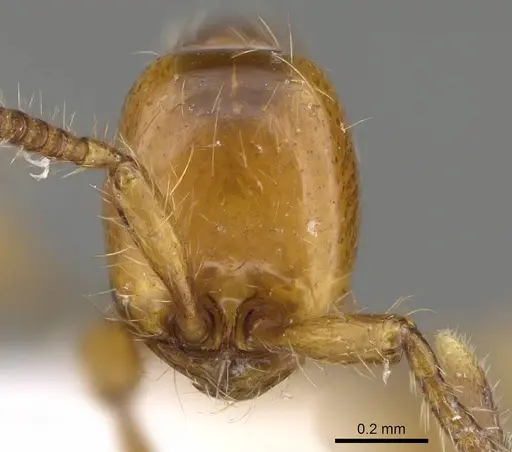
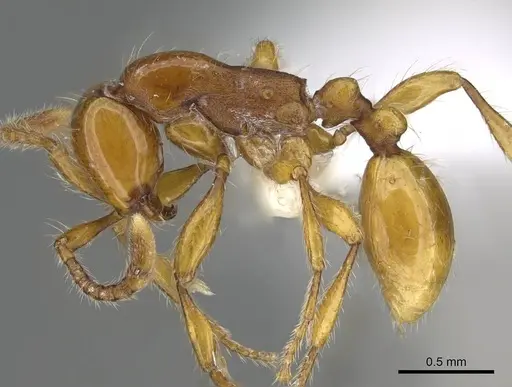
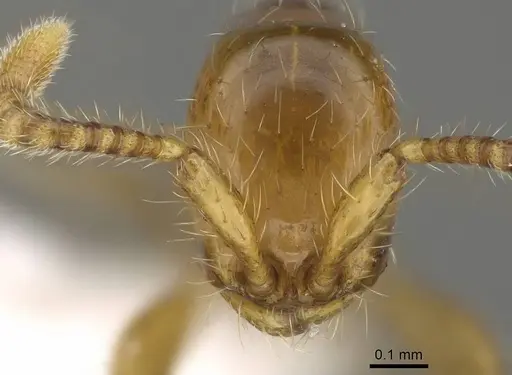
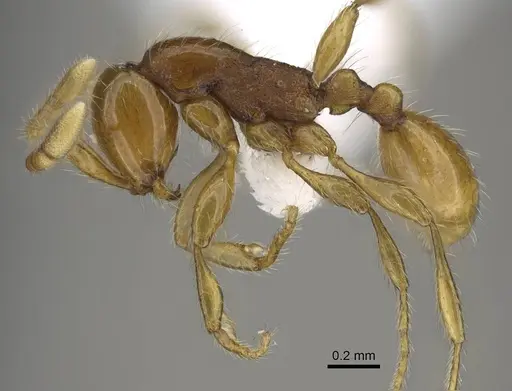
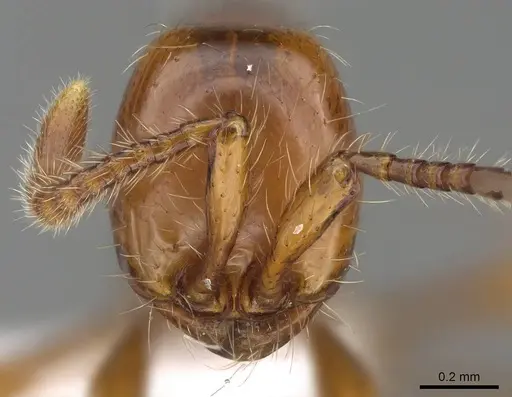
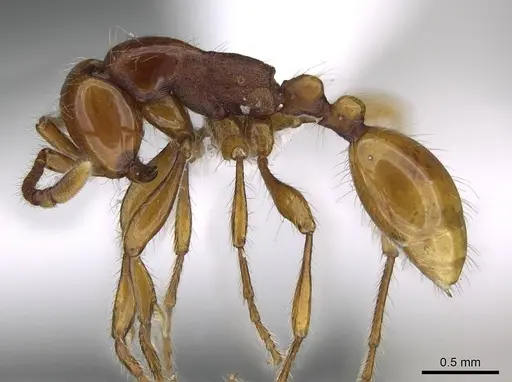
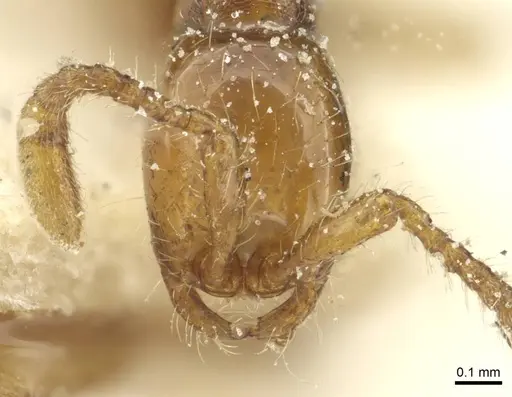
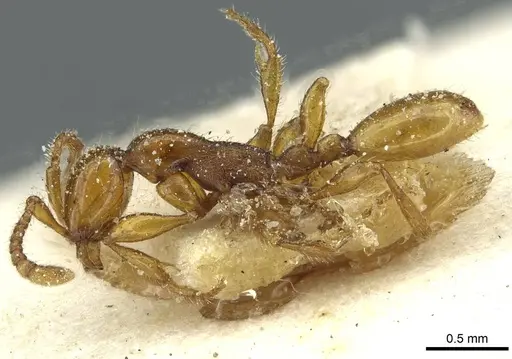
Aenictus weissi is a tiny army ant from the rainforests of Central Africa. Workers are minute, with head widths of just 0.45-0.64 mm and total body lengths around 2-3 mm, sporting light to dark brown bodies that are glassy smooth on the head and thorax but textured on the sides [1]. They range across the African rainforest belt from Guinea east to Kenya, turning up in leaf litter samples, pitfall traps, and rotting wood from primary forests to cocoa plantations [2][3].
These ants are true army ants, living in large colonies that hunt beneath the forest floor. Research in Gabon watched them forage in organized raiding groups covering over a square meter of ground, hunting through leaf litter and soil rather than marching above ground like some other army ants [4]. This subterranean lifestyle makes them harder to spot than their surface-raiding relatives, but they are no less voracious as predators, requiring constant access to live prey to sustain the colony.
Quick Summary
- Difficulty: Expert
- Origin & Habitat: Central African rainforests from Guinea to Kenya, found in leaf litter, soil, and rotting wood from primary forests to disturbed areas like cocoa plantations [1][2][3]
- Colony Type: Single-queen colonies (monogyne) based on typical Aenictus patterns, though specific structure unconfirmed for this species
- Colony: Monogyne
- Size & Growth:
- Queen: Unknown (not measured in available research)
- Worker: 2-3 mm total length (CS 0.52-0.70 mm) [1]
- Colony: Likely thousands of workers (inferred from army ant biology)
- Growth: Fast (inferred from tropical climate)
- Development: Unknown, estimated 4-8 weeks based on related tropical army ants (Development time not directly studied, estimate assumes temperatures around 25-28°C typical of their rainforest habitat)
- Antkeeping:
- Temperature: 24-28°C (inferred from tropical rainforest habitat)
- Humidity: High humidity with moist substrate, keep nest material damp but not waterlogged (inferred from leaf litter habitat)
- Diapause: No (tropical species)
- Nesting: Naturalistic soil/leaf litter setups only, standard formicaria and test tubes are unsuitable for their nomadic lifestyle
- Behavior: Highly aggressive predatory raiders, subterranean foraging beneath leaf litter and in soil, nomadic colony cycle likely requiring frequent nest relocation. Workers are extremely small and can escape through gaps smaller than standard mesh allows [4].
- Common Issues: cannot be maintained in standard test tubes or static formicaria due to nomadic behavior and massive space requirements., require constant supply of live prey (other ants/termites) in quantities impossible for most keepers to provide., colonies likely undergo frequent nest relocations that destroy traditional nest setups., workers are extremely small and can escape through minute gaps in standard enclosures.
Why These Are Not Standard Pet Ants
Aenictus weissi belongs to the army ant group, which makes them essentially impossible to keep in standard ant farms. Army ants live in huge colonies with thousands of workers and have a nomadic lifestyle, meaning they frequently move their entire nest to new locations. They require massive foraging areas to hunt enough food and cannot survive in small test tubes or acrylic nests. Unlike typical pet ants that settle into a permanent home, these ants need constant access to new hunting grounds and will stress or die if confined to static setups. Only specialized research facilities with extensive resources can attempt to maintain them. [2]
Natural Foraging and Raiding Behavior
In the wild, Aenictus weissi hunts beneath the forest floor rather than marching across the surface like some famous army ants. Observations in Gabon rainforest found them foraging in organized groups covering areas up to 1.35 by 0.46 meters, moving through leaf litter and soil tunnels to find prey [4]. They are specialized predators that likely hunt other ants, termites, and small soil arthropods. This subterranean hunting style means they need complex, multi-layered substrate in captivity, not flat surfaces, to express natural behaviors.
Housing Requirements
Do not attempt to house Aenictus weissi in standard test tubes, Y-tong nests, or acrylic formicaria. These ants need expansive naturalistic setups with deep soil or leaf litter layers that allow them to dig extensive tunnel systems. You would need a very large terrarium, think tens of gallons minimum, with maintained humidity and temperature gradients. The setup must allow for frequent nest relocation, as army ants regularly abandon old nests. Most importantly, you need excellent escape prevention: at 2-3 mm long, these workers squeeze through the tiniest gaps in standard mesh or lid seals. [1][2]
Diet and Prey Requirements
Aenictus weissi are obligate predators that require live prey in massive quantities. In nature they hunt other ants and termites, and captive colonies would need daily supplies of live insects to survive. Unlike many pet ants that accept sugar water and dead insects, army ants need the stimulation of live prey and the sheer biomass that only constant hunting can provide. A single colony might consume hundreds of termites or other ants daily. This feeding requirement alone makes them unsuitable for casual keeping, as maintaining such prey colonies becomes a full-time endeavor. [4]
Temperature and Humidity
Coming from Central African rainforests, these ants need warm, stable temperatures around 24-28°C and high humidity. Keep the substrate consistently moist, think damp forest floor, not wet swamp. You can achieve this by using a deep layer of soil and leaf litter that holds moisture while providing drainage. A heating cable on one side of a large terrarium creates a gradient, but avoid placing heat sources directly against small containers as this dries out the substrate too quickly. Never allow the nest to dry out completely, as these ants inhabit moist leaf litter and soil in the wild. [3][2]
Frequently Asked Questions
Can I keep Aenictus weissi in a test tube?
No. Test tubes are completely unsuitable for Aenictus weissi. These are army ants that need massive foraging areas, complex soil substrates, and frequent nest relocations. They will die in the confined space of a test tube.
Are Aenictus weissi good for beginners?
No. These are expert-level ants only, and even then they require specialized facilities that most advanced keepers do not possess. They need huge enclosures, constant live prey supplies, and complex care that makes them unsuitable for anyone except researchers.
What do Aenictus weissi eat?
They are specialized predators that hunt other ants, termites, and small arthropods in the leaf litter and soil. In captivity they would require constant supplies of live prey, likely other ant colonies or termite colonies, making feeding extremely difficult.
How big do Aenictus weissi colonies get?
While exact counts are unconfirmed for this species, army ants typically maintain colonies with thousands of workers. Expect colonies to reach at least several thousand individuals if properly maintained.
Do Aenictus weissi need hibernation?
No. They come from tropical Central Africa where temperatures remain warm year-round. They do not require a winter rest period.
Can I keep multiple Aenictus weissi queens together?
This is not recommended. Army ants typically have single-queen colonies (monogyne), and combining queens would likely result in fighting. Additionally, army ants reproduce by colony fission (splitting existing colonies) rather than by founding new colonies with multiple queens.
How long until Aenictus weissi get their first workers?
The egg-to-worker timeline is unconfirmed for this species. Based on related tropical army ants, development likely takes 4-8 weeks at 25-28°C, but this is an estimate.
Why did my Aenictus weissi colony die?
These ants die in captivity because they cannot be kept in standard ant-keeping setups. They require massive foraging areas, constant live prey, and the ability to relocate their nest frequently. Most captive failures result from insufficient space, lack of appropriate prey, or desiccation from improper humidity.
References

This caresheet is licensed under CC BY-SA 4.0 .
CASENT0005956
View on AntWeb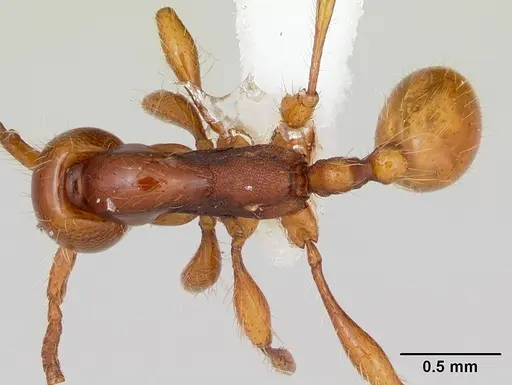
CASENT0317076
View on AntWeb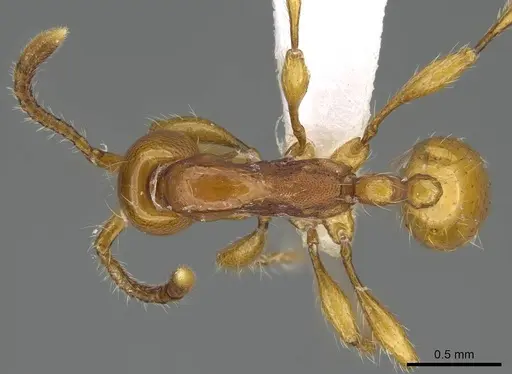
CASENT0317966
View on AntWeb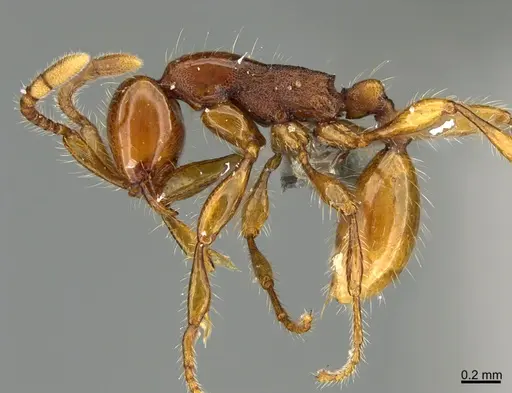
CASENT0746806
View on AntWeb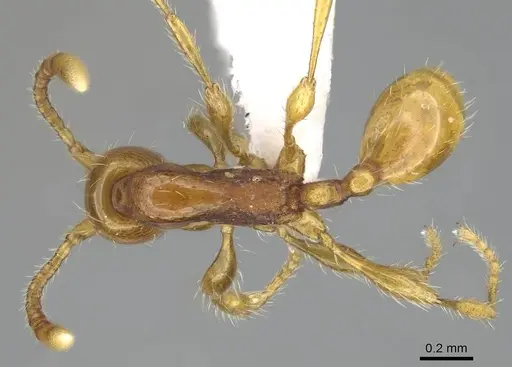
CASENT0822387
View on AntWeb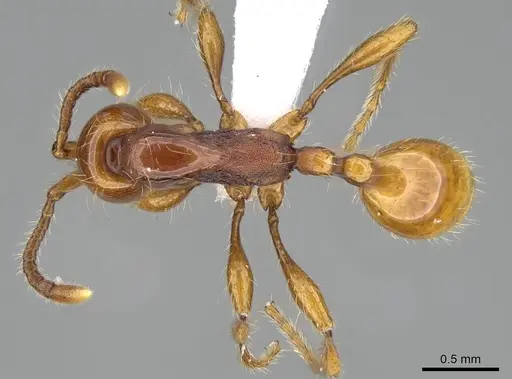
CASENT0911444
View on AntWeb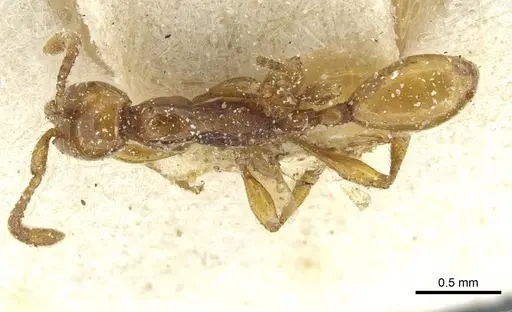
Literature
Loading...Loading products...