

Aenictus turneri
- Scientific Name
- Aenictus turneri
- Subfamily
- Dorylinae
- Author
- Forel, 1900
- Distribution
- Found in 1 countries
Aenictus turneri Overview
Aenictus turneri is an ant species of the genus Aenictus. It is primarily documented in 1 countries , including Australia. Detailed taxonomic data and occurrence records can be further explored via authoritative databases such as AntWeb or the Global Biodiversity Information Facility (GBIF).
Aenictus turneri
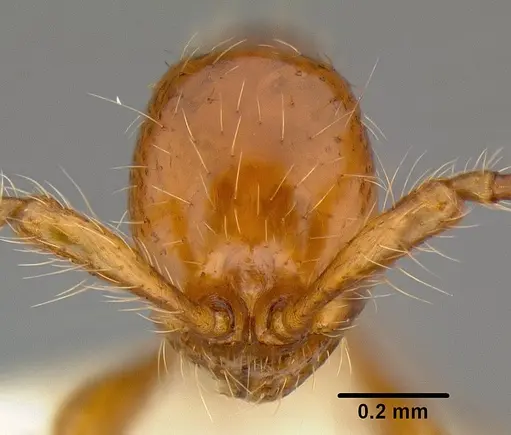
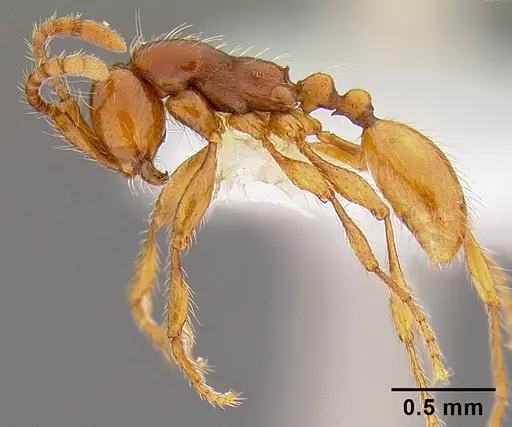
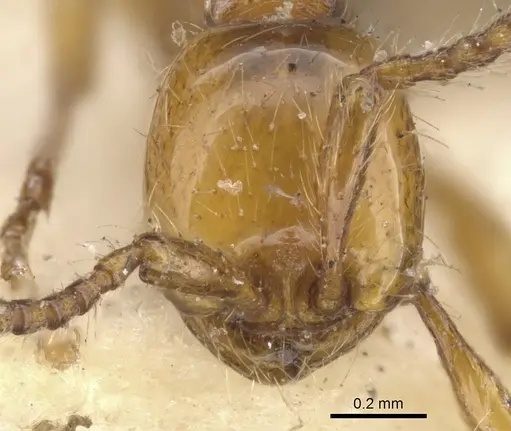
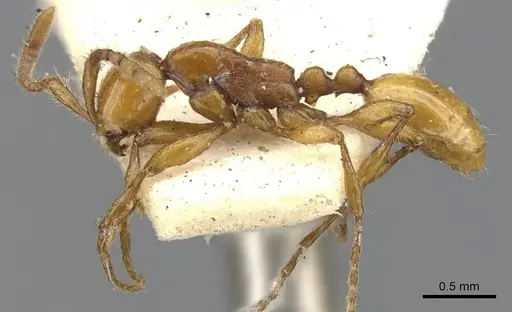
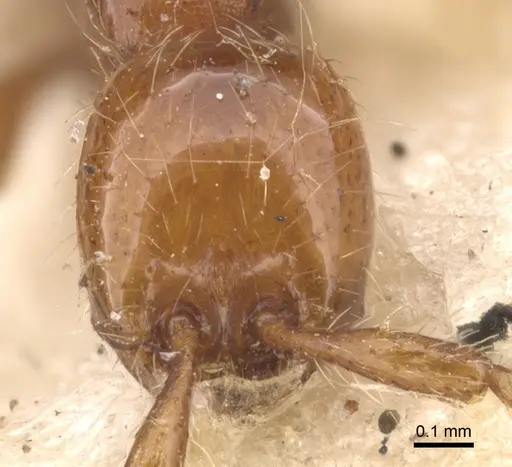
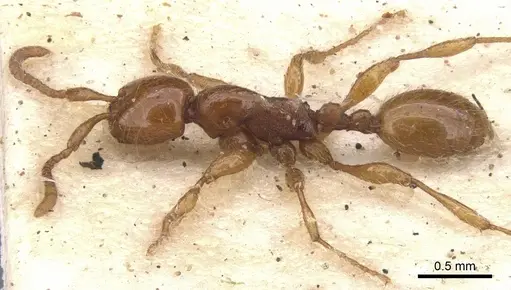
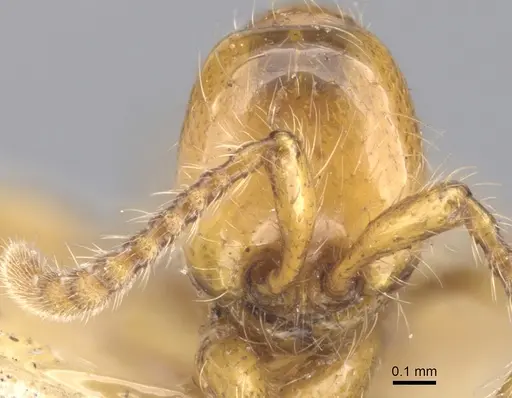
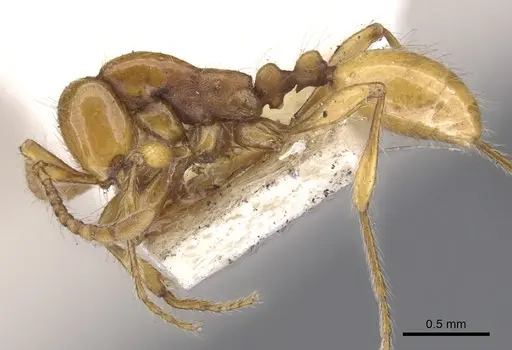
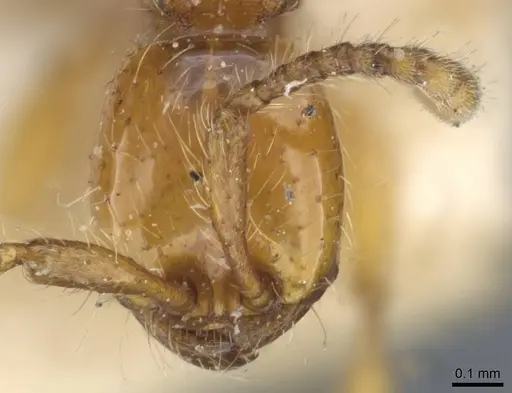
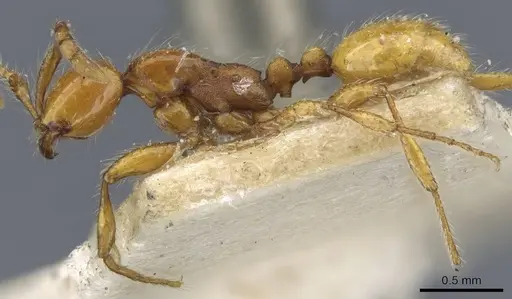
Aenictus turneri is a tiny yellow army ant native to eastern Australia. Workers measure just 0.48-0.66 mm in head length with smooth, uniformly yellow bodies and slightly darker middle sections [1]. Unlike typical ants that settle in permanent nests, these are true army ants with a nomadic lifestyle, alternating between underground nests and temporary above-ground bivouacs as they raid across the landscape [2]. They are the most common and widespread Aenictus species in Australia, found from dry sclerophyll forests through Banksia shrublands to rainforests [1].
What makes this species unique is their specialized predatory behavior. They conduct mass raids day and night, sending large numbers of workers to attack other ant colonies, termites, and social wasps [2]. During these raids, multiple workers coordinate to carry large prey items back to their bivouac. When food demands are high, they can move their entire colony more than once per day [2]. Only one queen has ever been collected, by B.B. Lowery in Murwillumbah, NSW in September 1962, making them one of the most elusive ant species for collectors [1].
Quick Summary
- Difficulty: Expert
- Origin & Habitat: Eastern Australia including Queensland and New South Wales, found in dry sclerophyll forest, Banksia shrublands, and rainforests [1].
- Colony Type: Unknown structure, only one queen ever documented in the history of the species [1].
- Size & Growth:
- Queen: Unknown, only single specimen collected, not measured in available literature [1].
- Worker: 0.48-0.66 mm head length, extremely small [1].
- Colony: Unknown, likely large based on army ant biology, but no counts available.
- Growth: Unknown, no captive colonies documented.
- Development: Unknown, no data exists for captive development timelines. (Army ants typically have rapid development, but specific timing for this species is unconfirmed.)
- Antkeeping:
- Temperature: Warm and stable, roughly 25-30°C, inferred from Australian distribution and tropical army ant biology [1].
- Humidity: Moderate to high, keep nest substrate damp but not waterlogged, matching their habit of nesting in soil under rocks and logs [1].
- Diapause: No, this subtropical/tropical species does not require winter rest.
- Nesting: Soil under rocks and logs in nature, but their nomadic lifestyle makes standard captive housing impossible [1][2].
- Behavior: Highly aggressive specialist predators that conduct mass raids on other ant nests. Workers forage day and night across the ground surface [2]. Extremely small size creates massive escape risk, they can pass through the tiniest gaps.
- Common Issues: queens are effectively unobtainable, only one has ever been collected in scientific history [1]., require live ant prey and termites to survive, they are specialist predators that primarily attack other ants, wasps, and termites [2]., nomadic lifestyle requires constant relocation, they alternate between stationary underground nests and migratory bivouacs, moving sometimes more than once per day when raising larvae [2]., tiny worker size means standard ant keeping equipment cannot contain them, they require specialized barriers not available to hobbyists.
Natural History and Army Ant Biology
Aenictus turneri belongs to the Old World army ant lineage, living a nomadic lifestyle unlike most ants you can keep in captivity [2]. In nature, they alternate between two phases: a stationary phase where they occupy semi-permanent underground nests under rocks and logs, and a migratory phase where they form temporary bivouacs in sheltered places above ground [2]. During the migratory phase, the entire colony moves regularly, sometimes more than once per day, when the larvae need large amounts of food [2]. This constant movement makes them impossible to house in a standard formicarium.
These ants are specialist predators that conduct organized raids. They send out large numbers of workers to attack specific targets, usually other ant colonies, social wasp nests, or termite colonies [2]. During these raids, which happen both day and night, several workers coordinate to carry large prey items back to the nest. They forage primarily on the ground surface but occasionally climb into vegetation [2]. This hunting style requires massive amounts of live prey that most keepers cannot provide.
Why This Species Is Not Suitable for Captive Keeping
You cannot currently keep Aenictus turneri in captivity for several insurmountable reasons. First, queens are effectively unavailable, only one has ever been collected in the entire history of ant research, found in Murwillumbah, NSW in September 1962 [1]. Without a queen, a colony cannot reproduce or survive long-term.
Second, their diet is too specialized. They are not generalist feeders that accept honey water and mealworms. They require live ant prey, termites, and social wasps to survive [2]. Providing a constant supply of these in sufficient quantities is not feasible for hobbyists.
Third, their nomadic lifestyle defies standard ant keeping. They do not stay in one nest, they move constantly when raising brood [2]. No formicarium design accommodates this need for daily relocation. Combined with their extremely small size (workers under 1mm), escape is inevitable with any equipment available to hobbyists.
Housing and Theoretical Requirements
If you were somehow to obtain a colony, you would face impossible housing challenges. In nature, they nest in soil under rocks and logs on the ground [1]. They need space to roam, their raids cover significant ground, and their nomadic phases require room to move the entire colony frequently [2].
Temperature should stay warm and stable, roughly 25-30°C, based on their Australian distribution and army ant biology. Humidity should be moderate to high, matching their range from dry sclerophyll to rainforest habitats [1]. The nest substrate should be damp soil.
However, the reality is that their tiny size, workers measure just 0.48-0.66 mm in head length, means they can escape through the smallest gaps in any commercially available ant keeping equipment [1]. Standard barriers like Fluon may not stop them, and their nomadic behavior means they constantly test boundaries.
Feeding Requirements
Aenictus turneri are specialist predators, not generalists. They primarily attack other ants, social wasps, and termites [2]. During raids, they target specific nests and overwhelm them with numbers, then carry back the prey. They do not accept sugar water, seeds, or typical feeder insects like mealworms or crickets.
To keep these ants, you would need a constant supply of live ant colonies or termite colonies to raid. This is not sustainable for hobbyist ant keeping. Their biology as army ants means they require massive amounts of protein from specific sources, they cannot switch to alternative foods.
Frequently Asked Questions
Can you keep Aenictus turneri as pets?
No. This species is not suitable for captive keeping. Only one queen has ever been collected in scientific history, making them unobtainable [1]. Additionally, they require constant supplies of live ant prey and termites, and their nomadic lifestyle means they need to move their entire colony frequently [2].
How do you care for Aenictus turneri?
You cannot currently care for this species in captivity. They are specialist army ants with requirements that cannot be met in standard ant keeping setups, including the need for frequent colony relocation and massive amounts of live ant prey [2].
What do Aenictus turneri eat?
They are specialist predators that primarily attack other ants, social wasps, and termites [2]. They conduct mass raids on other insect colonies and do not accept general ant foods like sugar water or mealworms.
How big do Aenictus turneri colonies get?
The maximum colony size is unknown. Based on their biology as army ants, they likely reach large sizes, but no specific counts have been published [2].
Where are Aenictus turneri found?
They are native to eastern Australia, including Queensland and New South Wales. They occur in various habitats from dry sclerophyll forest and Banksia shrublands to rainforests [1].
How long until Aenictus turneri get their first workers?
The egg to worker timeline is unknown for this species. No captive colonies have been documented, so development times have never been recorded.
Do Aenictus turneri need hibernation?
No. They are native to subtropical and tropical regions of Australia and do not require diapause or winter rest.
References

This caresheet is licensed under CC BY-SA 4.0 .
ANTWEB1008607
View on AntWeb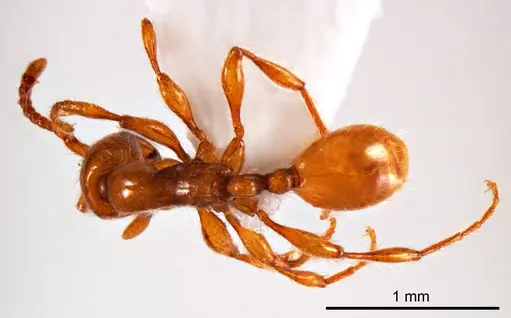
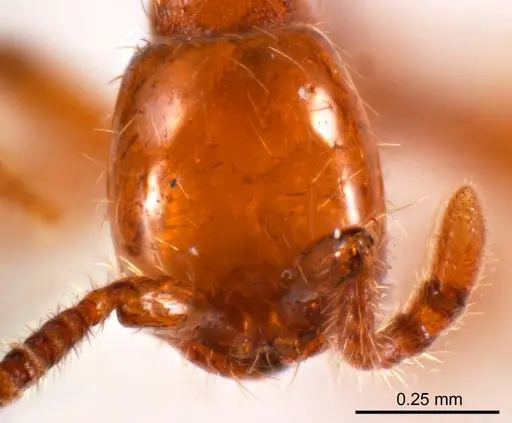
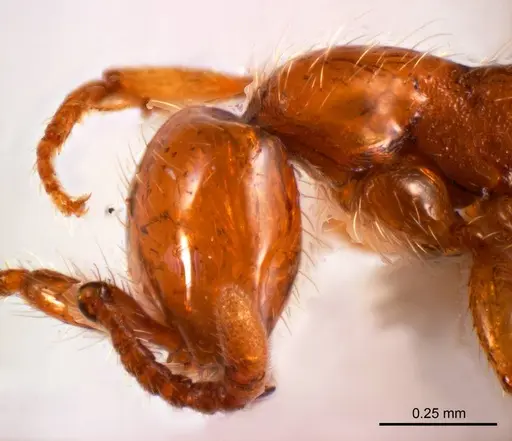
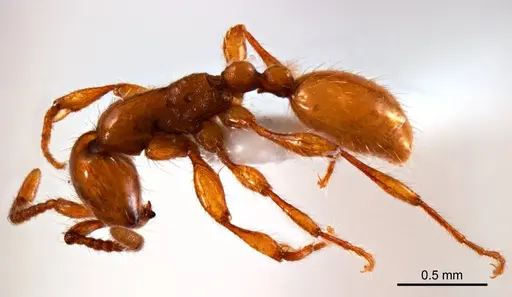
CASENT0106017
View on AntWeb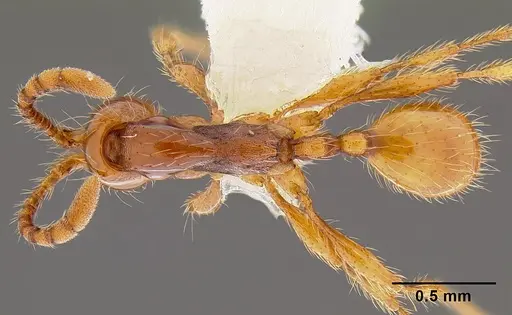
CASENT0901480
View on AntWeb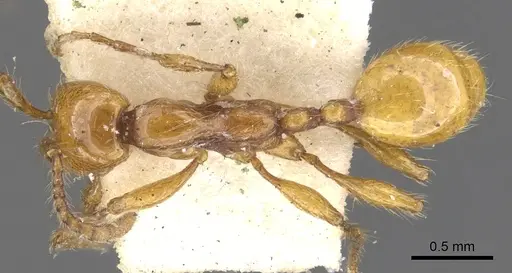
CASENT0902675
View on AntWeb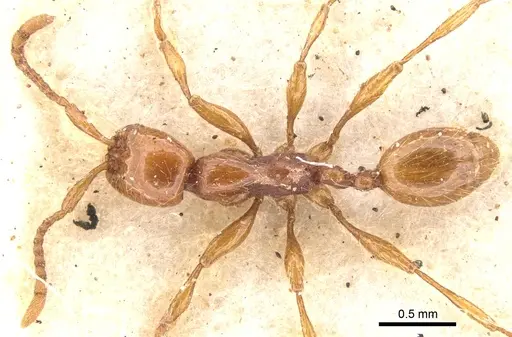
CASENT0902676
View on AntWeb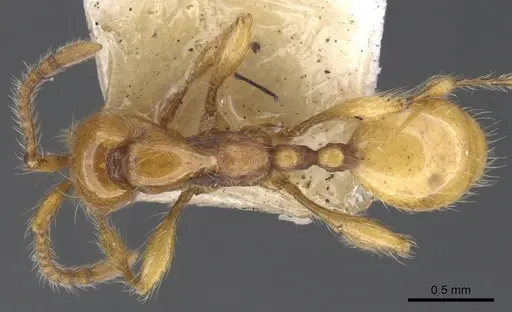
CASENT0907021
View on AntWeb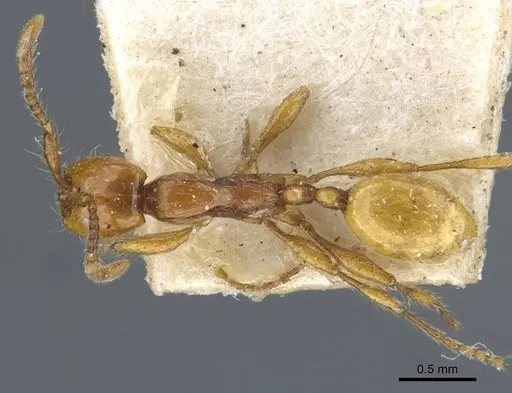
Literature
Loading...Loading products...