

Aenictus gracilis
- Scientific Name
- Aenictus gracilis
- Subfamily
- Dorylinae
- Author
- Emery, 1893
- Distribution
- Found in 4 countries
Aenictus gracilis Overview
Aenictus gracilis is an ant species of the genus Aenictus. It is primarily documented in 4 countries , including Brunei Darussalam, Sri Lanka, Malaysia. Detailed taxonomic data and occurrence records can be further explored via authoritative databases such as AntWeb or the Global Biodiversity Information Facility (GBIF).
Aenictus gracilis
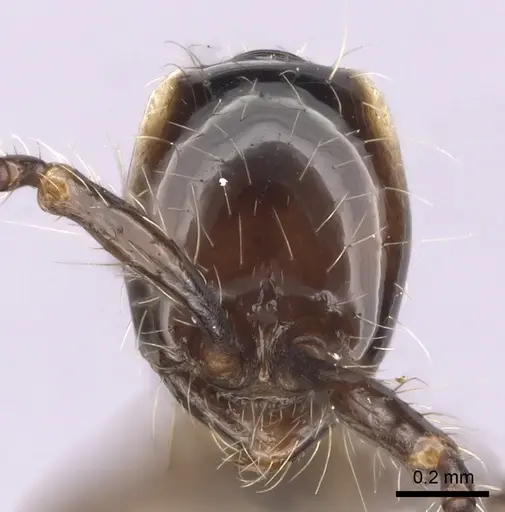
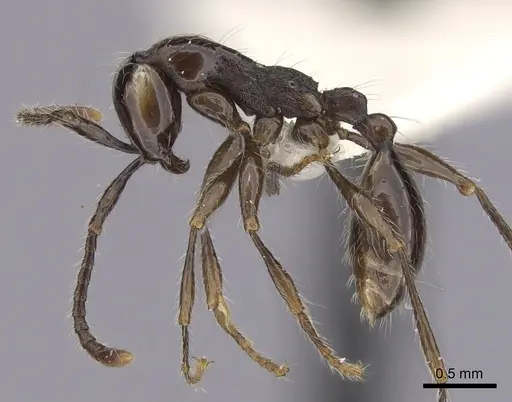
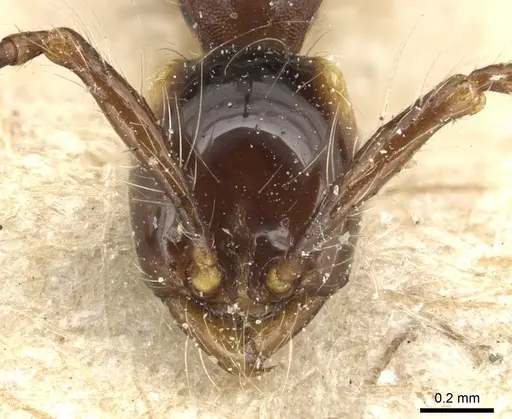
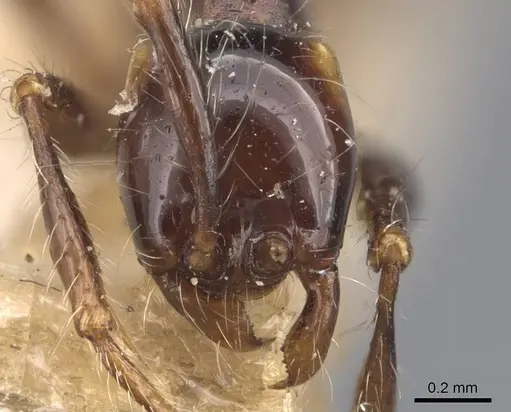
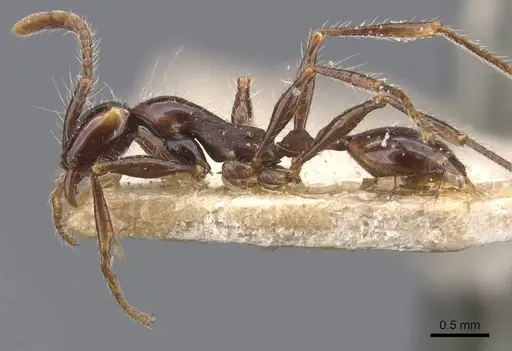
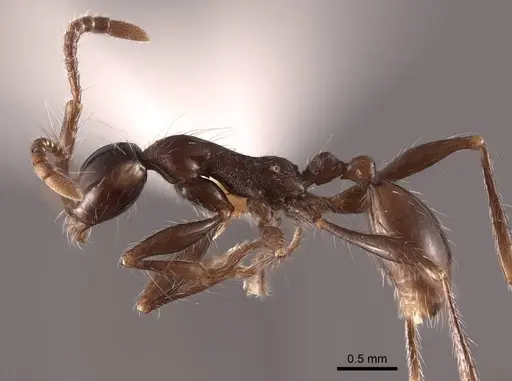
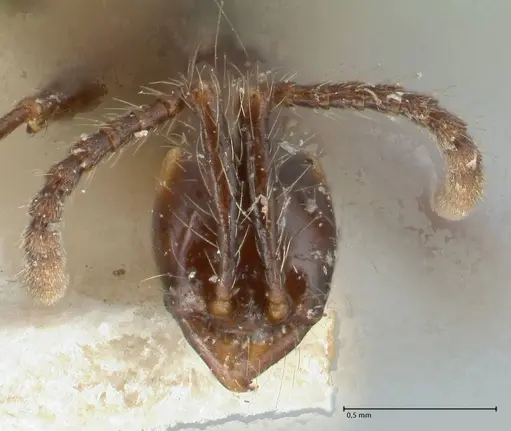
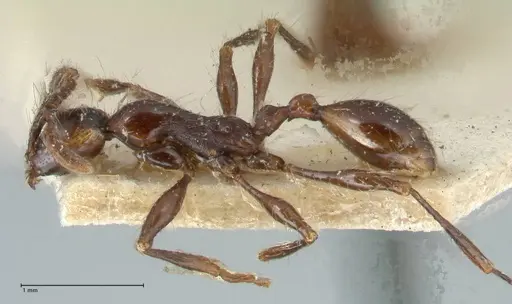
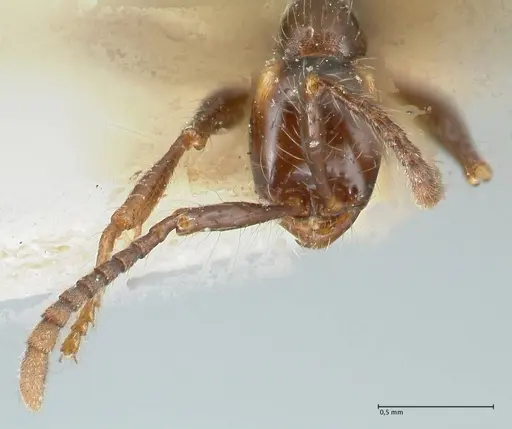
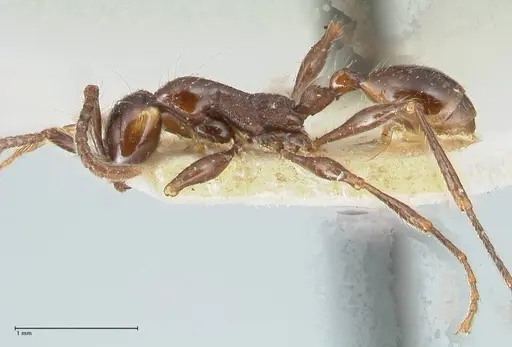
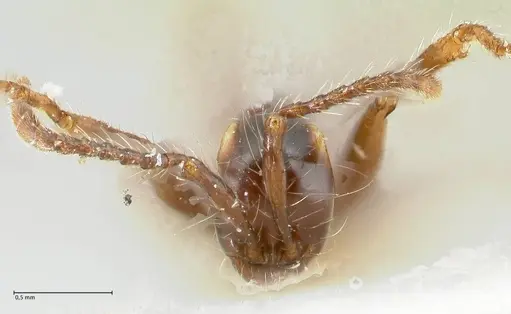
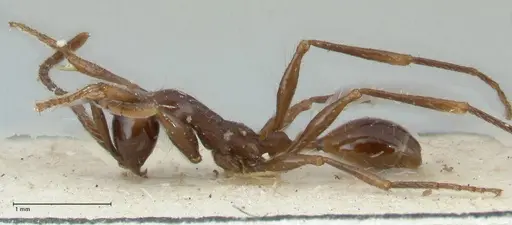
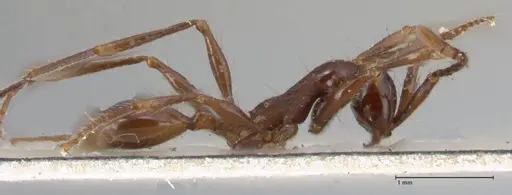
Aenictus gracilis is a small army ant from Southeast Asia, with workers measuring just 3.6-3.8 mm in length [1]. They are dark reddish-brown with distinctive pale "Typhlatta spots" on the corners of their heads [2]. These ants dominate the rainforests of Borneo, Sumatra, and the Malay Peninsula, ranging from lowland forests up to 800 meters elevation [1]. Unlike typical pet ants, they are obligate army ants with a nomadic lifestyle, constantly moving through the forest to raid other ant colonies [2].
What makes this species particularly challenging is their highly specialized diet. They hunt almost exclusively on other ants, particularly tree-dwelling species like Technomyrmex (52% of their prey), Nylanderia, and Crematogaster [1][3]. They conduct organized raids on the forest floor and up into the canopy, carrying back adult ants and brood to feed their colony [3]. This dietary specialization, combined with their nomadic behavior, makes them virtually impossible to maintain in standard ant-keeping setups.
Quick Summary
- Difficulty: Expert
- Origin & Habitat: Southeast Asian rainforests including Myanmar, Thailand, Malaysia, Indonesia, and the Philippines, found in lowland primary and disturbed forests up to 800m elevation [1][2]
- Colony Type: Likely polygyne (multiple queens) with army ant colony structure, though exact queen number unconfirmed
- Colony: Polygyne
- Size & Growth:
- Queen: Head width 1.5-1.6 mm [2], total length larger than workers but not specified
- Worker: 3.60-3.80 mm [1]
- Colony: Unknown, likely thousands based on typical army ant biology
- Growth: Unknown, army ants have synchronized brood cycles tied to nomadic phases
- Development: Unknown, army ant development is synchronized and not documented for captive conditions (Army ants do not follow typical founding timelines, colonies reproduce by fission)
- Antkeeping:
- Temperature: 24-28°C based on tropical rainforest habitat
- Humidity: High humidity with consistently moist substrate, tropical rainforest conditions
- Diapause: No
- Nesting: Requires massive naturalistic setup with soil for bivouac formation, standard test tubes and formicaria are unsuitable [2]
- Behavior: Highly aggressive specialist predators that hunt in organized columns, nomadic with constant raiding behavior, forages on ground and in tree canopies [3][2]. Their small size (3.6mm) creates extreme escape risk.
- Common Issues: starvation due to inability to provide sufficient live ant prey daily, escape through tiny gaps due to small worker size, colony stress and death from inadequate space for nomadic movement, inability to complete brood cycles without proper raid stimuli and bivouac conditions
Army Ant Biology and Natural Behavior
Aenictus gracilis displays the classic army ant syndrome with alternating nomadic and statary phases [2]. During the nomadic phase, the colony moves frequently and bivouacs on the surface, while during the statary phase they occupy temporary camps, often in pre-empted subterranean insect nests [2]. Workers forage in organized columns, raiding on the ground surface, in lower vegetation, and up into the tree canopy [3]. They are column raiders rather than swarm raiders, meaning they form distinct trails to prey rather than spreading out in a broad front [3]. When disturbed during raids, they show passive behavior rather than aggressive defense, though they will attack prey ants immediately [4].
Feeding and Dietary Requirements
This species is an obligate predator of other ants and cannot survive on standard ant-keeping foods. In the wild, they specialize in arboreal ants, with Technomyrmex making up 52% of their prey, followed by Nylanderia/Paraparatrechina (22%) and Crematogaster (12%) [1][3]. They collect both adult ants and brood, with prey averaging around 2.8 mm in length [4]. While they have been observed feeding on myriapods, termites, and small beetles in the Philippines [2], they cannot sustain a colony without regular supplies of live ant prey. This dietary requirement makes them impossible to maintain with mealworms, crickets, or sugar water alone.
Housing and Space Requirements
Standard ant-keeping equipment will not work for Aenictus gracilis. They require massive naturalistic setups with deep soil substrate to allow proper bivouac formation [2]. The enclosure must be large enough to accommodate their nomadic behavior, allowing the colony to move periodically as they would in the wild. Test tubes and acrylic nests are completely unsuitable and will result in rapid colony death. You would need a large terrarium with multiple chambers and the ability to introduce fresh soil regularly.
Temperature and Humidity
As a tropical rainforest species from lowland Southeast Asia, they require warm, stable temperatures between 24-28°C and high humidity. The substrate should remain consistently moist but not waterlogged, mimicking the damp forest floor and rotting wood habitats they frequent [1]. They do not require a cooling period or diapause.
Frequently Asked Questions
Can I keep Aenictus gracilis in a test tube?
No. Army ants require massive naturalistic setups with soil for bivouac formation and space for nomadic movement. Test tubes will kill the colony.
What do Aenictus gracilis eat?
They are obligate predators of other ants, specializing in arboreal species like Technomyrmex, Nylanderia, and Crematogaster. They cannot survive on mealworms, crickets, or sugar water alone [1][3].
How long until Aenictus gracilis gets their first workers?
This question does not apply to army ants. They do not found colonies with a single queen raising first workers. Instead, new colonies form by fission (splitting) from parent colonies, taking workers and brood with them.
Are Aenictus gracilis good for beginners?
Absolutely not. They are expert-level ants that are effectively impossible to maintain in captivity due to their dietary needs, space requirements, and nomadic behavior.
How big do Aenictus gracilis colonies get?
Exact colony size is unknown, but based on their army ant biology, they likely reach thousands of workers.
Do Aenictus gracilis need hibernation?
No. They are tropical rainforest ants and do not require diapause or cooling periods.
Can I feed Aenictus gracilis mealworms or sugar water?
No. They require live ant prey to survive. Mealworms and sugar water will not sustain them [1][3].
Why did my Aenictus gracilis colony die?
Captive death is almost inevitable due to starvation from lack of appropriate ant prey, inadequate space for nomadic behavior, or improper housing that prevents bivouac formation.
References

This caresheet is licensed under CC BY-SA 4.0 .
CASENT0217376
View on AntWeb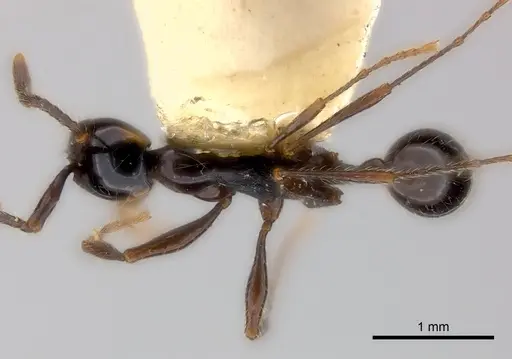
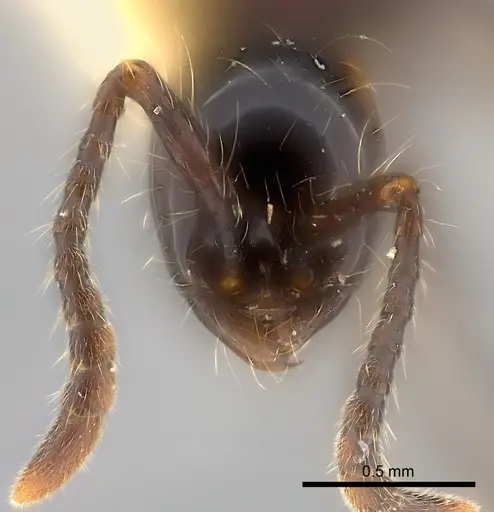
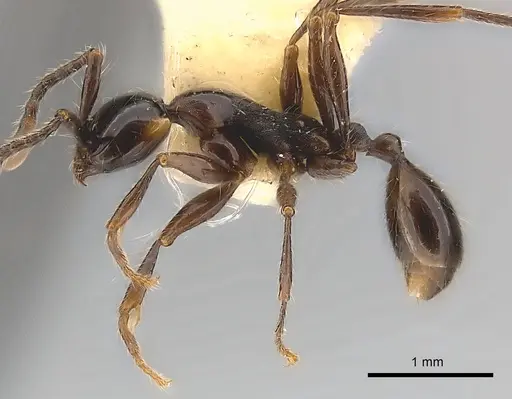
CASENT0249275
View on AntWeb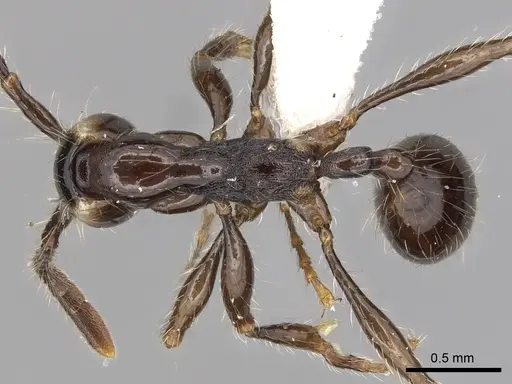
CASENT0903747
View on AntWeb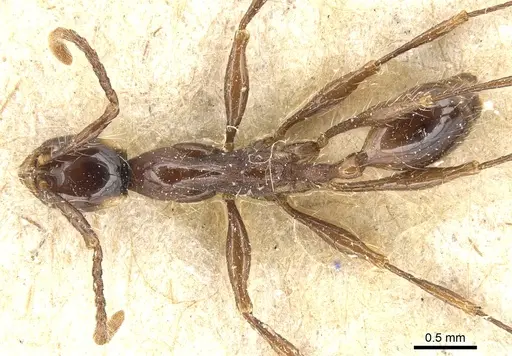
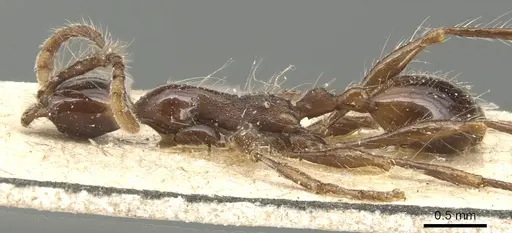
CASENT0907013
View on AntWeb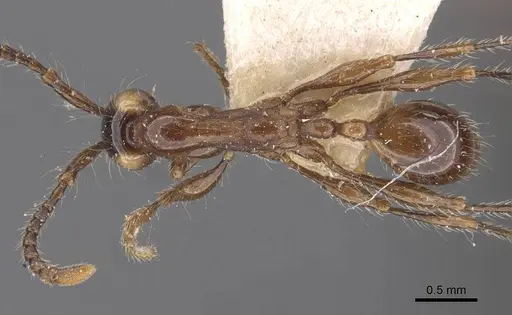
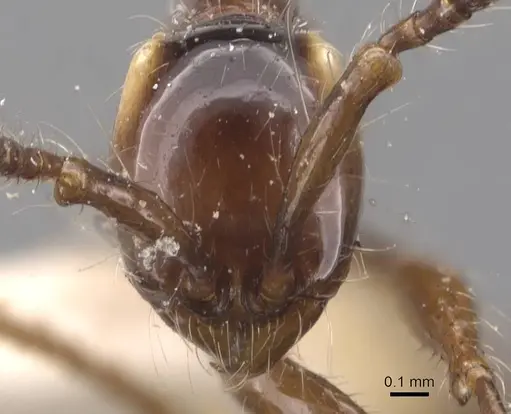
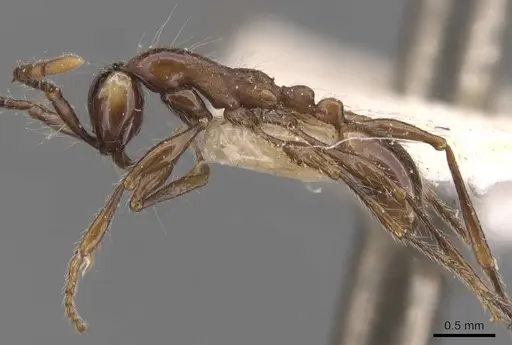
CASENT0907014
View on AntWeb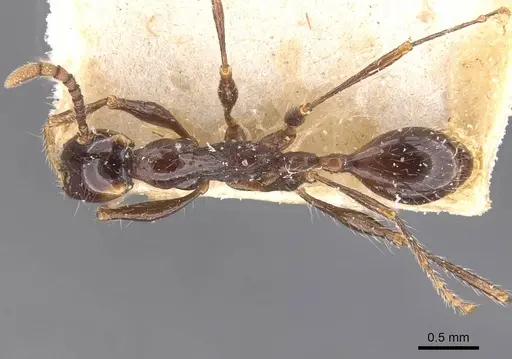
CASENT0916860
View on AntWeb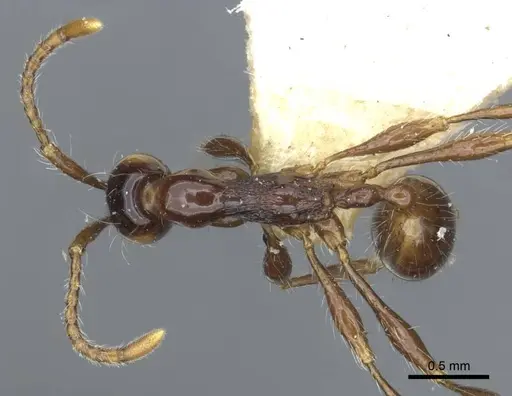
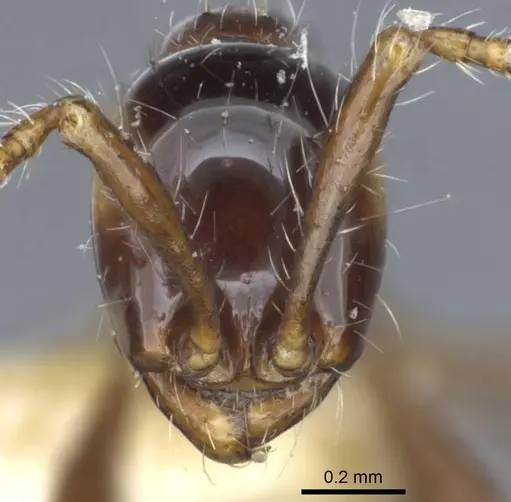
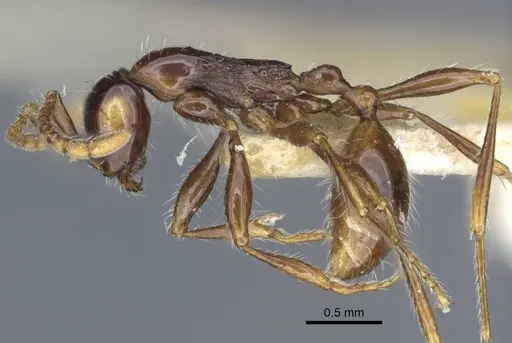
FMNHINS0000045003
View on AntWeb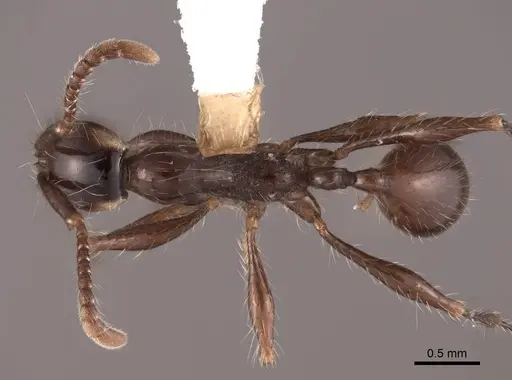
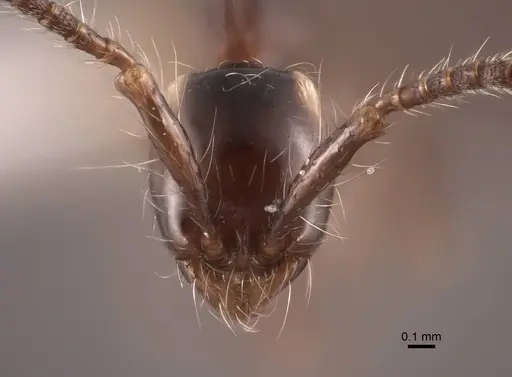
FOCOL1143
View on AntWeb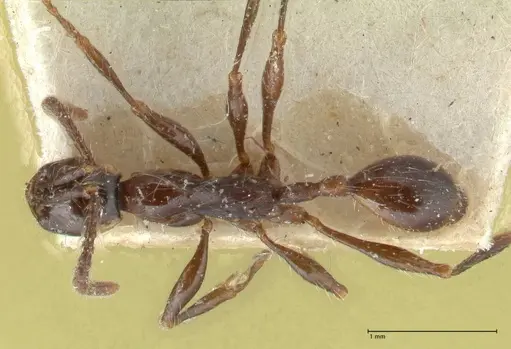
FOCOL1144
View on AntWeb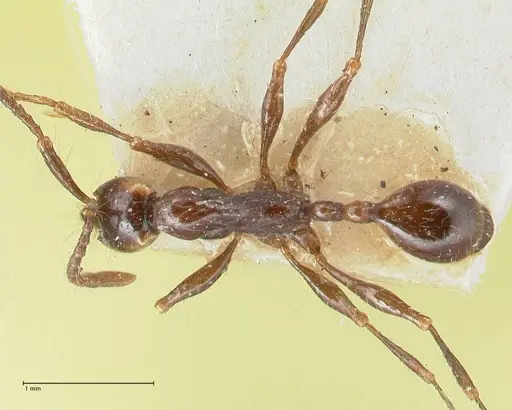
FOCOL1147
View on AntWeb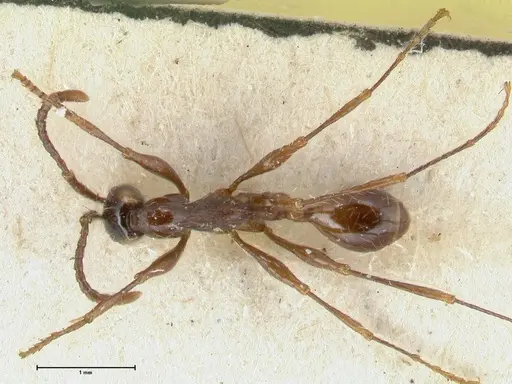
Literature
Loading...Loading products...