

Aenictus feae
- Scientific Name
- Aenictus feae
- Subfamily
- Dorylinae
- Author
- Emery, 1889
- Distribution
- Found in 1 countries
Aenictus feae Overview
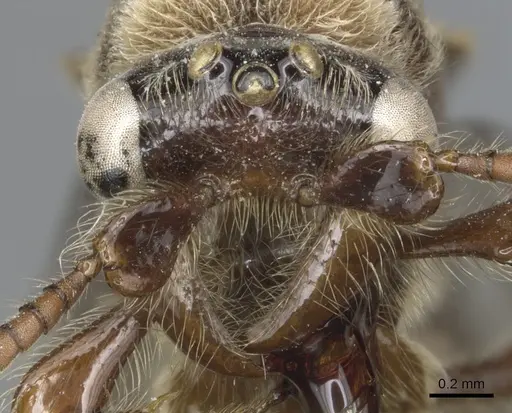
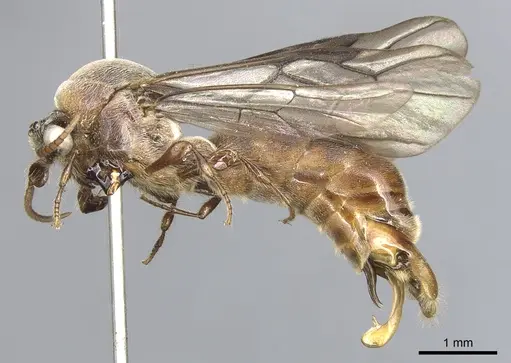
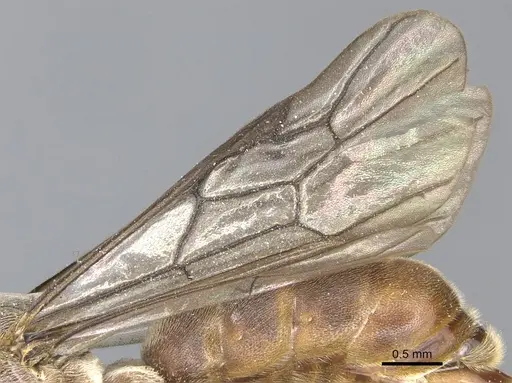
Aenictus feae is an ant species of the genus Aenictus. It is primarily documented in 1 countries , including Thailand. Detailed taxonomic data and occurrence records can be further explored via authoritative databases such as AntWeb or the Global Biodiversity Information Facility (GBIF).
Aenictus feae
Aenictus feae is an army ant found in the tropical forests of Myanmar, Bangladesh, and the Yunnan Province of China [1][2]. They belong to the subfamily Dorylinae, the true army ants, and likely share the group's characteristic nomadic lifestyle of roaming across forest floors in massive groups without building permanent nests. Like other Aenictus species, they are almost certainly specialized predators that hunt other ants and termites, making them extremely challenging, and likely impossible, to maintain in standard captive setups.
Quick Summary
- Difficulty: Expert
- Origin & Habitat: Tropical forests of Myanmar, Bangladesh, and southern China (Yunnan Province) [1][2].
- Colony Type: Unknown, army ants typically maintain massive single-queen colonies that reproduce by fission, but specific colony structure for this species is unconfirmed.
- Size & Growth:
- Queen: Unknown, likely 8-10mm based on typical Aenictus patterns, but unconfirmed.
- Worker: Unknown, likely 3-5mm based on typical Aenictus patterns, but unconfirmed.
- Colony: Unknown, likely thousands to tens of thousands of workers based on typical army ant patterns, but unconfirmed.
- Growth: Unknown, colonies likely grow through fission of existing colonies rather than single queen founding.
- Development: Unknown, no development data available. (Army ants typically do not found colonies via single queens raising first workers. New colonies likely form when existing colonies split (fission).)
- Antkeeping:
- Temperature: Unknown, likely warm tropical conditions around 24-28°C based on habitat, but unconfirmed.
- Humidity: Unknown, likely high humidity based on tropical forest habitat, but specific requirements unconfirmed.
- Diapause: Unknown, tropical species often do not hibernate, but seasonal cycles are unconfirmed.
- Nesting: No permanent nest, army ants are nomadic and require massive naturalistic setups with soil substrate if kept at all.
- Behavior: Nomadic and predatory, likely constantly on the move hunting for prey. Aggression levels unknown, but army ants are typically highly aggressive predators. Escape risk is extreme due to small worker size and massive colony numbers.
- Common Issues: unsuitable for captivity due to nomadic lifestyle requiring constant movement and massive space., dietary requirements likely include live ants and termites, which are difficult to provide consistently., colony reproduction occurs through fission, making colony founding via single queen impossible., extreme space requirements, army ant colonies need room to roam and raid., no successful captive care protocols documented for this species.
Natural History and Distribution
Aenictus feae inhabits tropical forests across Myanmar, Bangladesh, and the Xishuangbanna region of Yunnan Province in China [1][2]. As a member of the subfamily Dorylinae, the true army ants, they likely live in massive colonies that constantly roam across the forest floor. Unlike ants that build permanent nests in soil or wood, army ants are nomadic, staying in one place only long enough to exhaust local prey sources before moving on. This lifestyle makes them among the most challenging ants to maintain in captivity.
Why This Species Is Not Suitable for Captivity
You should not attempt to keep Aenictus feae. Army ants require enormous spaces to accommodate their nomadic foraging behavior, specialized diets consisting primarily of other ant species and termites, and colony sizes that can reach tens of thousands of workers. They do not build permanent nests that can be housed in standard formicaria or test tubes. Additionally, founding behavior is unconfirmed for this species, army ants typically reproduce by colony fission (splitting existing colonies) rather than single queens founding new colonies, meaning you cannot start a colony from a single queen as with most ant species. [1]
Theoretical Requirements
If you somehow obtained an established colony, you would need a massive naturalistic setup, essentially a large terrarium with several square meters of floor space, deep soil substrate, and constant access to live prey including other ant species and termites. The setup would need to accommodate the colony's nomadic behavior, allowing them to move and establish temporary bivouacs. Temperature would likely need to stay in the tropical range around 24-28°C with high humidity, though specific requirements are unconfirmed. Even with perfect conditions, long-term success has not been documented for this species.
Frequently Asked Questions
Can I keep Aenictus feae in a test tube?
No. Army ants require massive spaces and cannot be confined to test tubes. They are nomadic and need room to move constantly.
What do Aenictus feae eat?
Specific dietary preferences are unconfirmed, but based on typical Aenictus patterns they likely prey on other ants, termites, and small arthropods. They require live prey and will not accept standard antkeeping foods like honey water or dead insects alone.
How long until Aenictus feae gets first workers?
Unknown. Army ants typically do not found colonies with single queens raising first workers. New colonies likely form through colony fission, where a piece of an existing colony splits off with workers and brood.
How big do Aenictus feae colonies get?
Unknown for this specific species, but based on typical Aenictus patterns, colonies likely contain thousands to tens of thousands of workers.
Do Aenictus feae need a queen?
Yes, but you cannot start a colony from a single queen. Army ant colonies must be collected as established colonies or fragments from existing colonies. Founding behavior via single queens is unconfirmed and likely does not occur.
What temperature do Aenictus feae need?
Specific requirements are unconfirmed. Based on their tropical distribution in Myanmar and Yunnan, they likely require warm stable temperatures around 24-28°C.
Do Aenictus feae need hibernation?
Unknown. As a tropical species, they likely do not require hibernation, but seasonal cycles are unconfirmed.
References

This caresheet is licensed under CC BY-SA 4.0 .
CASENT0901980
View on AntWeb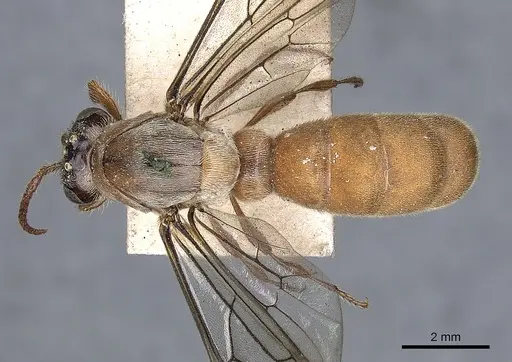
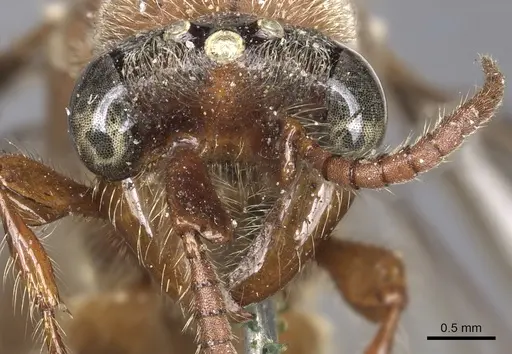
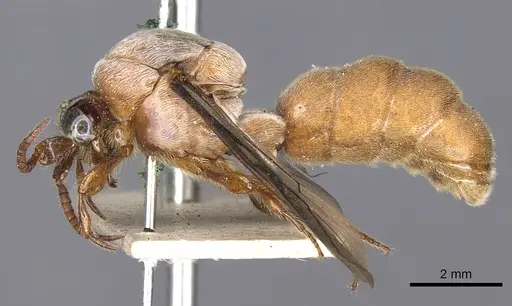
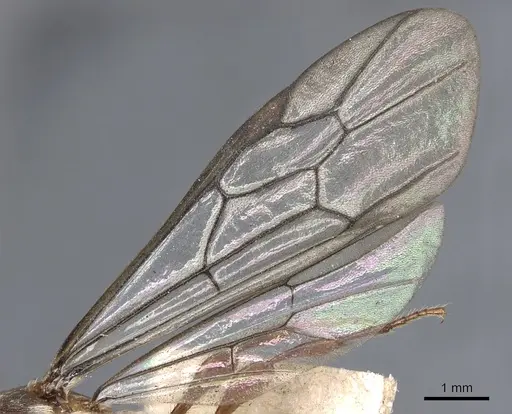
CASENT0903751
View on AntWeb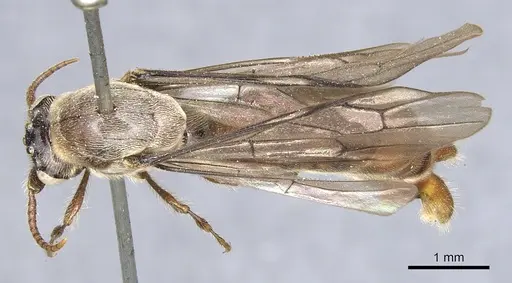
Literature
Loading...Loading products...