

Aenictus eugenii
- Scientific Name
- Aenictus eugenii
- Subfamily
- Dorylinae
- Author
- Emery, 1895
- Distribution
- Found in 11 countries
Aenictus eugenii Overview
Aenictus eugenii is an ant species of the genus Aenictus. It is primarily documented in 11 countries , including Congo, Democratic Republic of the, Congo. Detailed taxonomic data and occurrence records can be further explored via authoritative databases such as AntWeb or the Global Biodiversity Information Facility (GBIF).
Aenictus eugenii
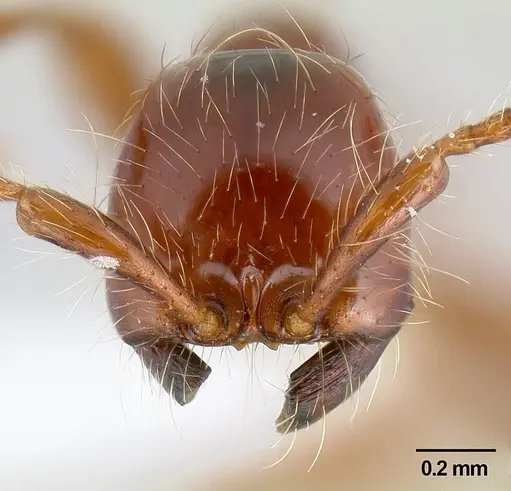
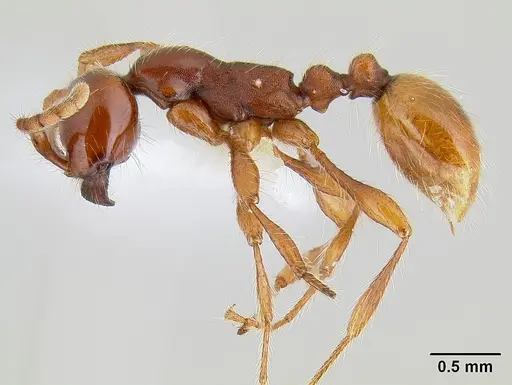
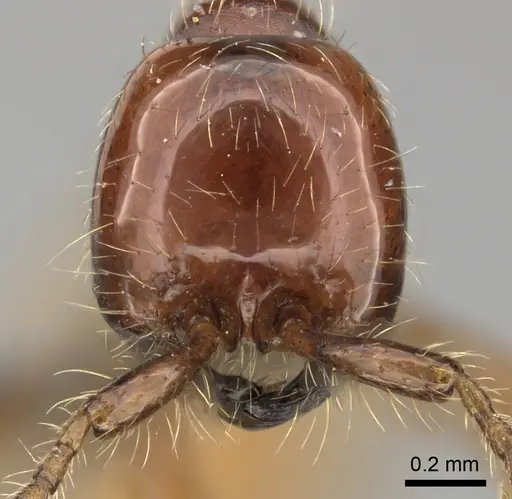
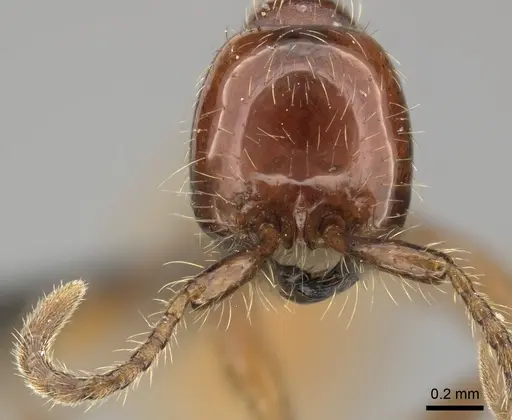
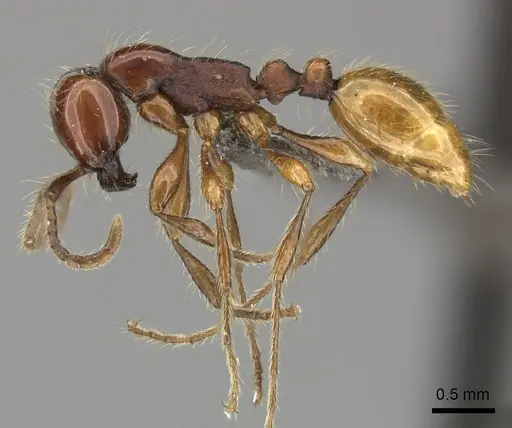
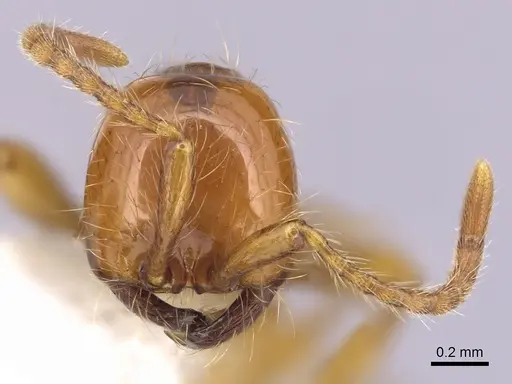
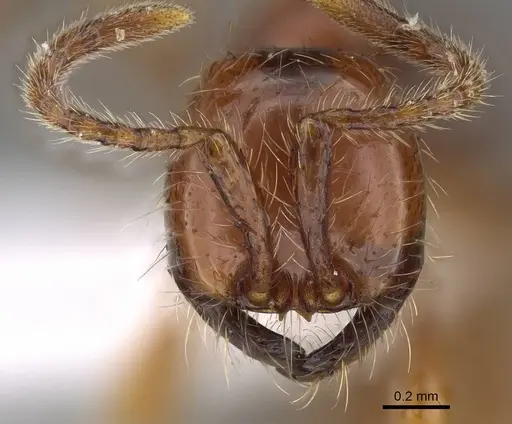
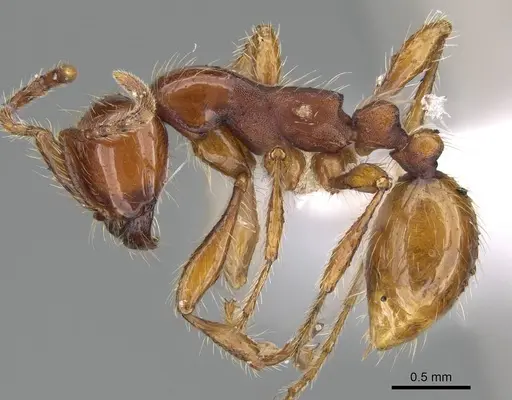
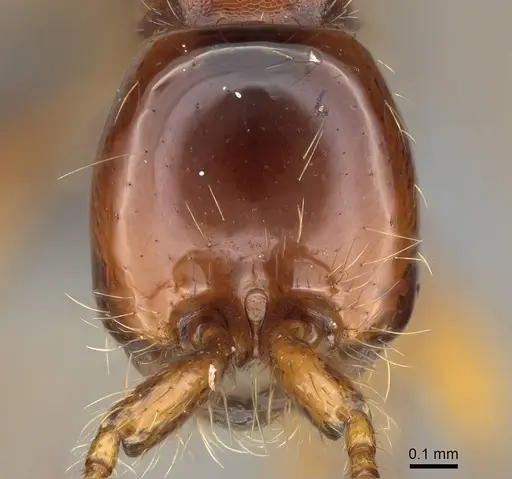
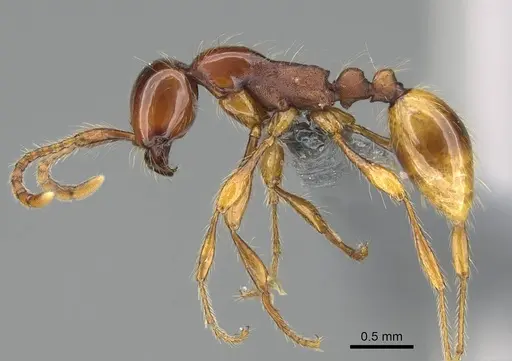
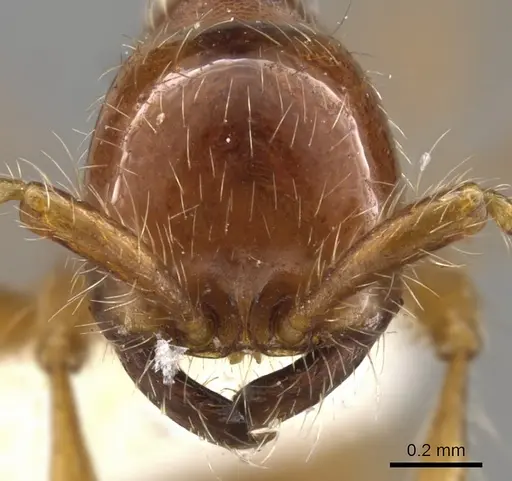
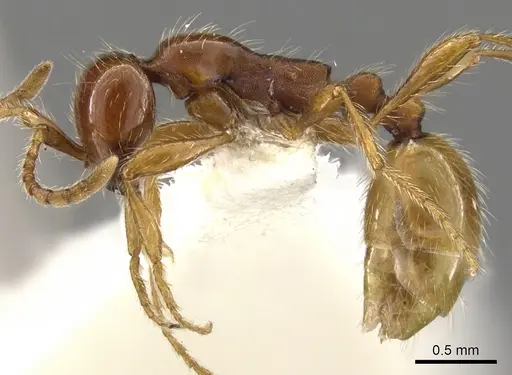
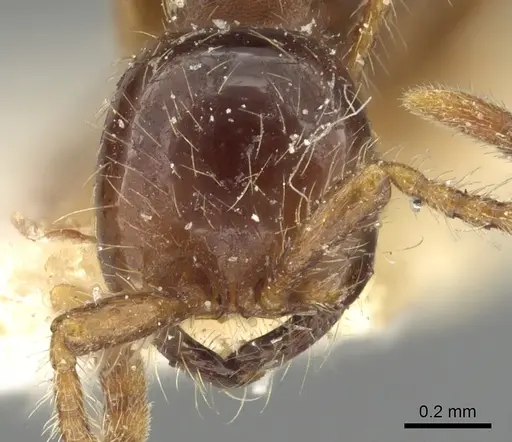
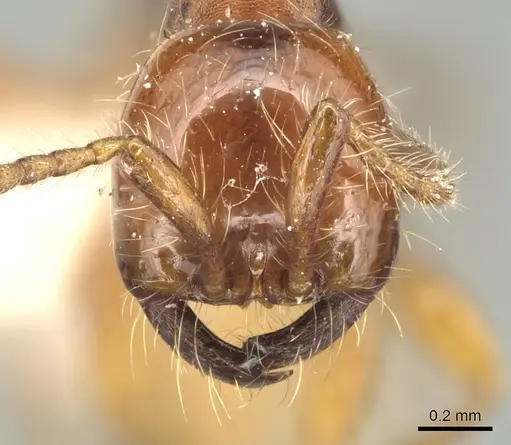
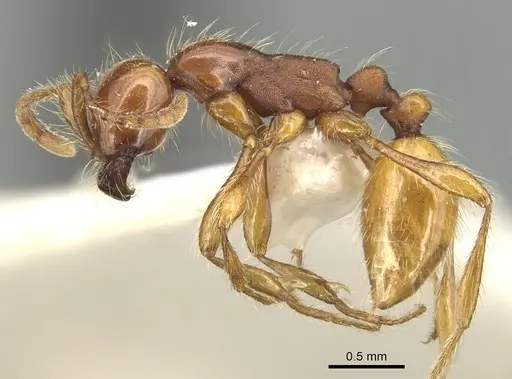
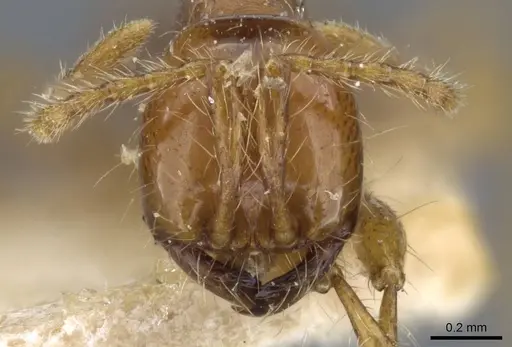
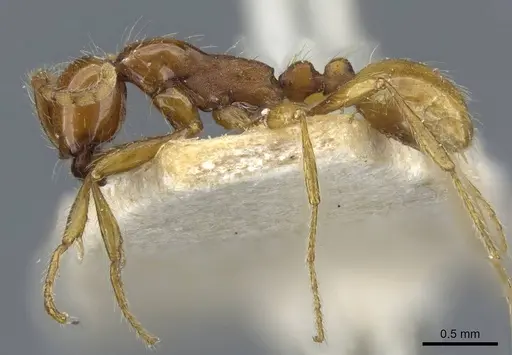
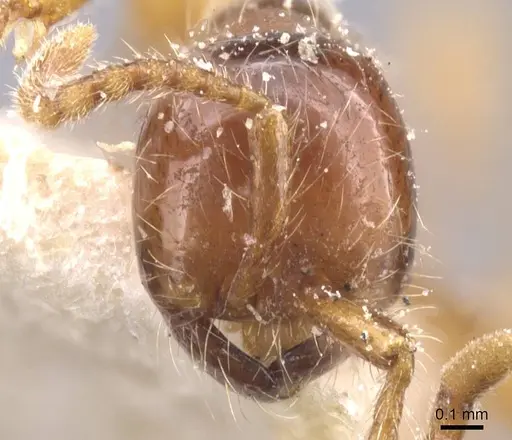
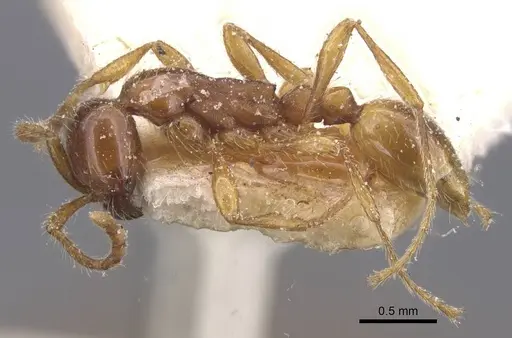
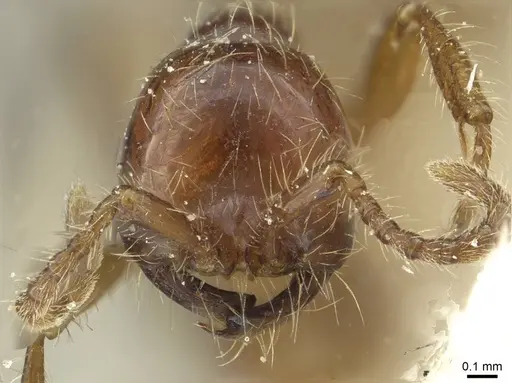
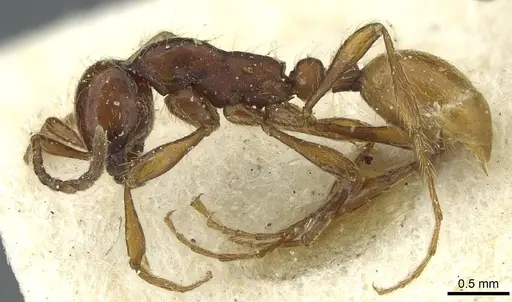
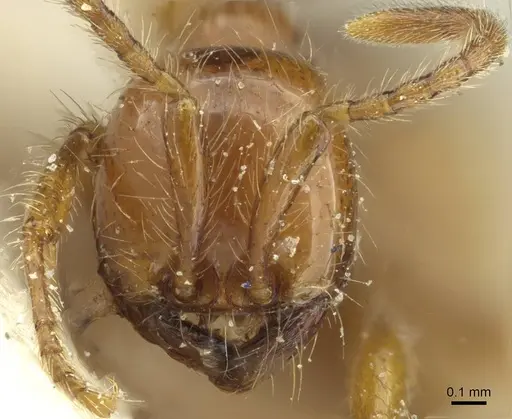
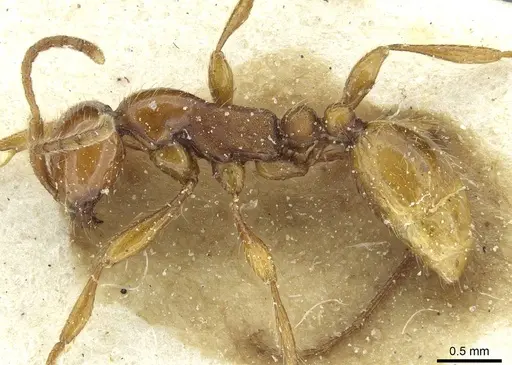
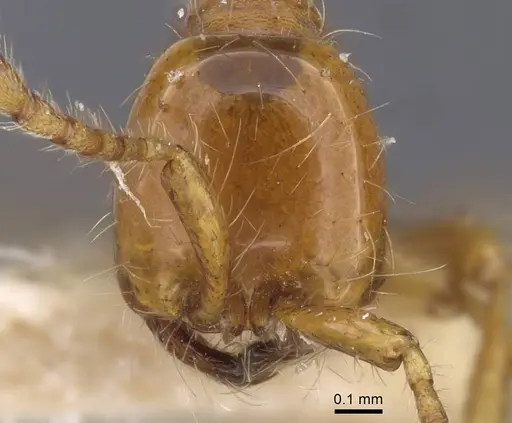
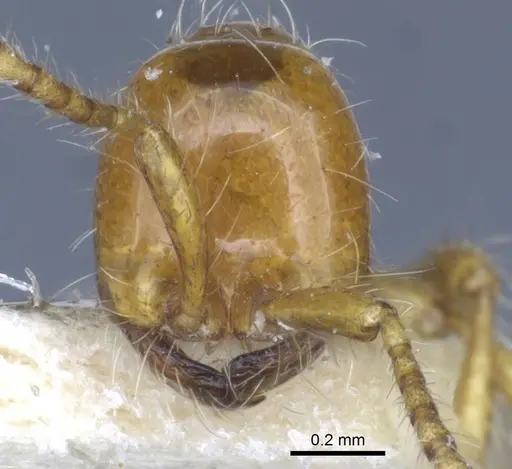
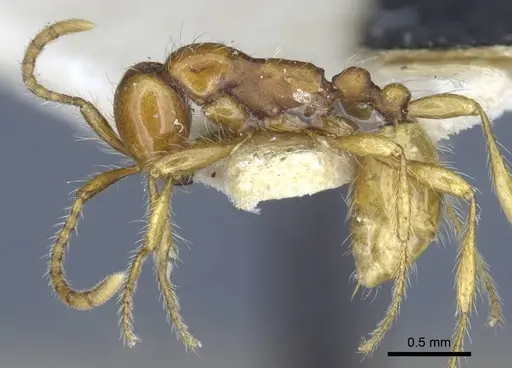
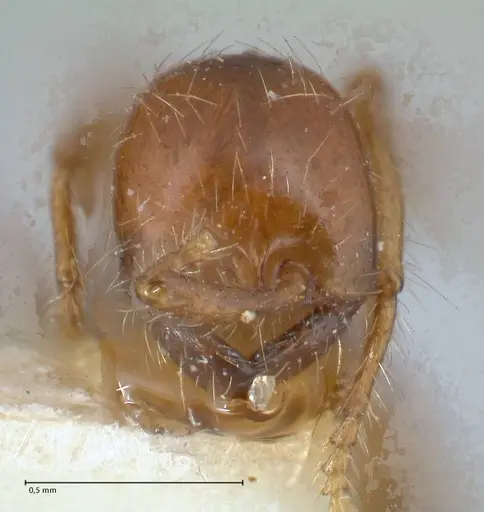
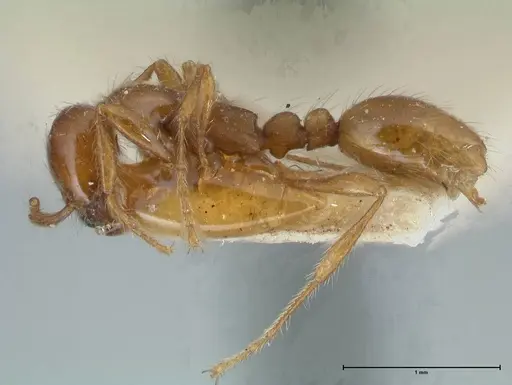
Aenictus eugenii is a small Afrotropical army ant with workers measuring roughly 3-4 mm in length and queens reaching over 10 mm [1][2]. Workers are reddish-brown to dark reddish-brown with long, sparse hairs covering their bodies, and they possess distinctive linear mandibles that leave a gap when closed against the reduced clypeus [1]. The species ranges widely across East and Central Africa, from Eritrea and Ethiopia south to South Africa, and west to the Democratic Republic of Congo and Central African Republic [1][2].
These ants are specialized predators of other ants, particularly the immature stages (brood) of Myrmicinae such as Pheidole [2]. They hunt using organized column raids with workers moving in single file along chemical trails, branching into smaller search groups that attack prey nests [2]. Unlike most army ants, they have been observed tending scale insects (Pseudococcus lilacinus) for honeydew on at least one occasion, an extremely rare behavior for this group [2].
Quick Summary
- Difficulty: Expert
- Origin & Habitat: Afrotropical region, found across East and Central Africa including Kenya, Ethiopia, Eritrea, South Africa, Botswana, Uganda, Zimbabwe, and Democratic Republic of Congo in various habitats from forest to savanna [1][2]
- Colony Type: Unknown, army ants typically have complex social structures, but specific queen number and colony organization remain unconfirmed for this species
- Size & Growth:
- Queen: 10.55 mm total length [2]
- Worker: 3-4 mm estimated (WL 1.02-1.40 mm, HW 0.59-0.89 mm) [1]
- Colony: Unknown
- Growth: Unknown
- Development: Unknown, estimated 4-8 weeks based on tropical army ant patterns if kept at 24-28°C (Development timing is unconfirmed, tropical army ants typically develop faster than temperate species)
- Antkeeping:
- Temperature: Warm stable temperatures around 24-28°C inferred from Afrotropical distribution, start at 25°C and adjust based on activity levels
- Humidity: Moderate to high humidity, keep nest substrate damp but not waterlogged, with good ventilation to prevent mold
- Diapause: Unknown, likely not required for tropical populations, but unconfirmed
- Nesting: Subterranean soil nests in nature, captive housing requires extensive horizontal space with soil or sand substrate and multiple interconnected chambers
- Behavior: Highly active and aggressive predators that hunt in organized columns. Workers specialize in raiding other ant colonies, particularly Pheidole nests, and carry brood back to their nest [2]. They move rapidly in single file along chemical trails with branching search groups [2]. Despite predatory nature, they ignored termites when encountered [2]. Small worker size creates high escape risk requiring excellent barriers.
- Common Issues: extreme difficulty providing adequate prey, they require live ant colonies to raid, not standard feeder insects, require massive foraging spaces far exceeding standard formicarium dimensions to display natural column raiding behavior, high escape risk due to small worker size (under 4mm) requiring fine mesh barriers and perfect seals, colony founding behavior is completely unconfirmed, standard queen founding methods likely will not work, likely require frequent feeding of specific ant prey multiple times daily, making maintenance impractical for most keepers
Foraging and Predatory Behavior
Aenictus eugenii hunts using organized column raids similar to other army ants. Workers travel in single file along chemical trails, often branching into smaller columns that end in search groups of hundreds of workers [2]. These search groups scour areas approximately 30 cm square, attacking nests of other ants, particularly Pheidole and other Myrmicinae, and carrying off brood consisting mostly of pupae and larvae [2].
Interestingly, when workers encountered termites during raids, they completely ignored them, confirming their specialization on other ants rather than general insect predation [2]. During raids, workers do not subdivide prey unless the victims are larger than the foragers themselves [2]. The columns can be active for hours, with observations showing continuous foraging from morning until midday [2].
Housing and Space Requirements
In nature, Aenictus eugenii nests in soil with colonies accessed through holes in the ground [2]. This subterranean lifestyle combined with their army ant foraging strategy makes them extremely challenging to house in captivity. Standard vertical formicaria or test tube setups are completely unsuitable.
These ants require extensive horizontal space with soil or sand substrate to create their nest systems and, more importantly, to accommodate their column raiding behavior. The foraging columns observed in nature extended several meters from the nest entrance [2]. Captive colonies would likely need meter-long foraging arenas or connected chambers to exhibit natural behaviors, making them impractical for most ant keepers.
Diet and Feeding Challenges
Aenictus eugenii is a specialized ant predator. Research shows their diet consists almost entirely of ant brood, specifically larvae and pupae of Myrmicinae ants like Pheidole [2]. One study found that of 286 prey items collected from returning foragers, all were ant immatures, with 165 whole pupae and 101 whole larvae [2].
This specialized diet creates an enormous barrier to captive care. Unlike generalist ants that accept fruit flies, mealworms, or sugar water, Aenictus eugenii requires living colonies of suitable prey ants to raid. They cannot be sustained on standard ant keeping foods. Additionally, while one historical observation noted workers tending scale insects (Pseudococcus lilacinus) for honeydew, this appears to be extremely rare behavior and not a reliable food source [2].
Environmental Conditions
Specific temperature and humidity requirements for Aenictus eugenii are not documented in scientific literature. However, based on their wide distribution across Afrotropical regions from Eritrea to South Africa, they likely tolerate warm stable conditions roughly between 22-28°C [1][2].
Keepers should start at approximately 25°C with a gentle heat gradient and observe colony activity. If workers cluster near heat sources, slightly increase temperature, if they avoid warm areas, reduce heat. Humidity should be moderate to high, reflecting their forest and savanna habitats across Central and East Africa. Keep the nest substrate damp but not soggy, and ensure adequate ventilation to prevent fungal growth in the warm, humid conditions.
Why These Ants Are Not Suitable for Captive Keeping
Aenictus eugenii represents one of the most challenging groups for ant keeping. As true army ants (subfamily Dorylinae), they possess biological traits that conflict with standard ant keeping methods. Their requirement for live ant prey means you would need to maintain multiple colonies of Pheidole or similar ants simply as food stock, feeding them constantly to the Aenictus colony.
Additionally, their colony founding behavior is completely unknown, we do not know if queens found colonies alone (claustral), require food during founding (semi-claustral), or use dependent founding where queens must join existing colonies. Without understanding how new colonies start, propagation is impossible. Combined with their need for extensive foraging spaces and specific prey, these factors make Aenictus eugenii suitable only for specialized research facilities, if captivity is possible at all. [2]
Frequently Asked Questions
Can I keep Aenictus eugenii in a test tube?
No. Test tubes are completely unsuitable for Aenictus eugenii. These are army ants that require extensive horizontal space for their column raiding behavior and soil substrate for nesting. They need meters of foraging space, not a small glass tube.
What do Aenictus eugenii eat?
They are specialized predators of other ants, specifically the brood (larvae and pupae) of Myrmicinae ants like Pheidole. They do not accept standard ant foods like sugar water, honey, or insects such as mealworms. They require living colonies of suitable prey ants to raid.
How long until Aenictus eugenii get their first workers?
The egg-to-worker timeline is unknown for this species. Army ants often have faster development than temperate ants, but without confirmed founding behavior, we cannot predict when or if first workers would emerge.
Can I keep multiple Aenictus eugenii queens together?
Unknown. The colony structure of Aenictus eugenii is unconfirmed. While army ants often have multiple queens, we do not know if unrelated queens can be combined or if this species accepts multiple queens in one nest.
Are Aenictus eugenii good for beginners?
No. These are expert-level ants, if they can be kept in captivity at all. They require specialized prey (other ant colonies), massive foraging spaces, and their founding behavior is unknown. They are not suitable for beginners.
Do Aenictus eugenii need hibernation?
Unknown. As a tropical Afrotropical species, they likely do not require hibernation (diapause), but this has not been confirmed. If kept, maintain warm stable temperatures year-round unless the colony shows signs of slowing down.
Why are my Aenictus eugenii dying?
Captive mortality is likely due to inadequate diet (they need live ant prey, not standard foods), insufficient space for foraging columns, or incorrect founding methods. Their biology is poorly understood, making captive survival extremely difficult.
How big do Aenictus eugenii colonies get?
Colony size is unknown for this species. Army ants can have colonies ranging from hundreds to thousands of workers, but specific data for Aenictus eugenii has not been documented.
References

This caresheet is licensed under CC BY-SA 4.0 .
CASENT0080142
View on AntWeb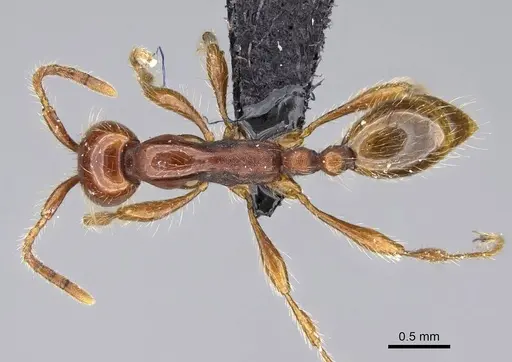
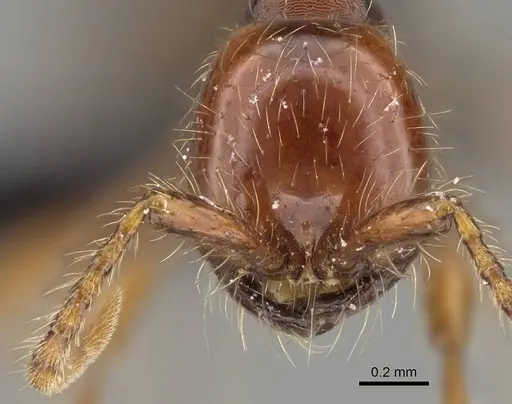
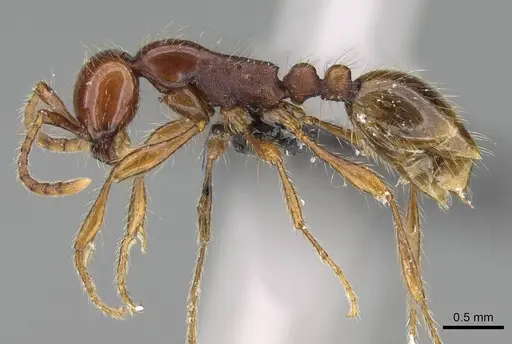
CASENT0106069
View on AntWeb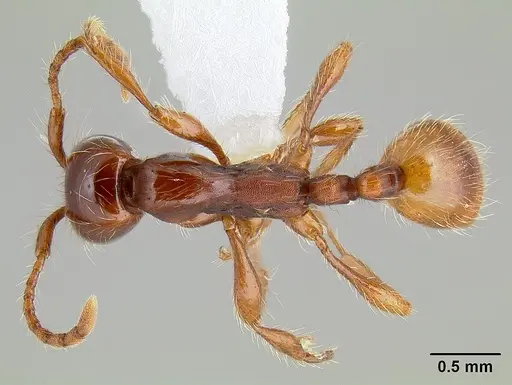
CASENT0235822
View on AntWeb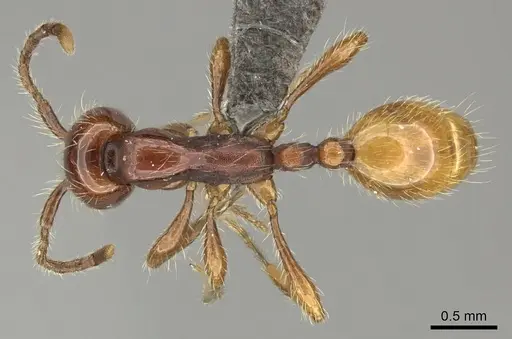
CASENT0249274
View on AntWeb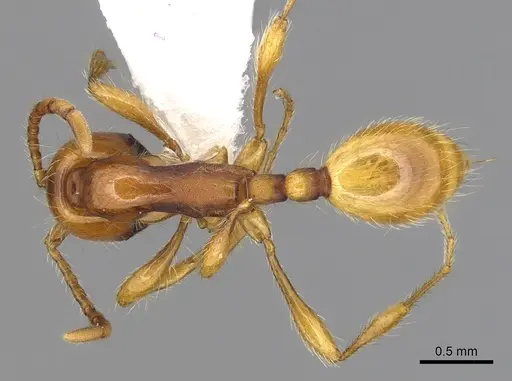
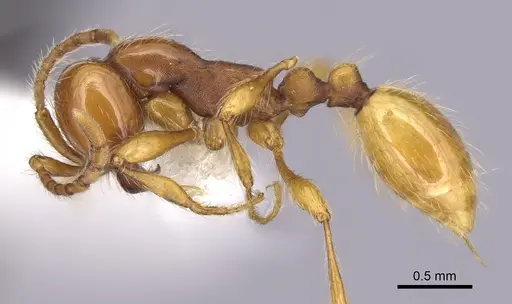
CASENT0350553
View on AntWeb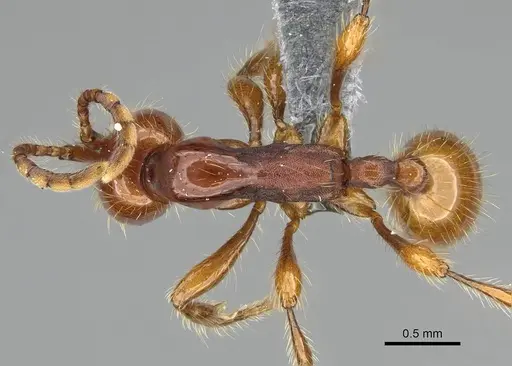
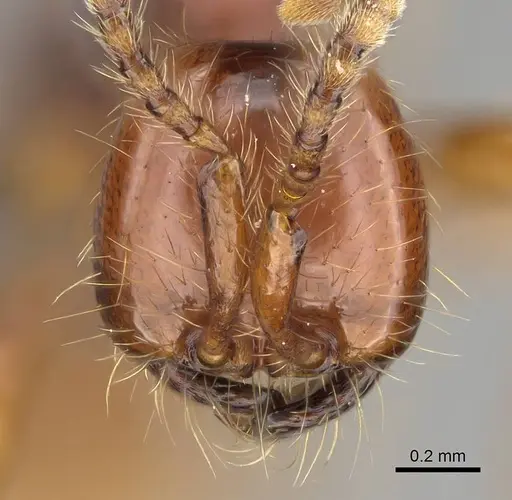
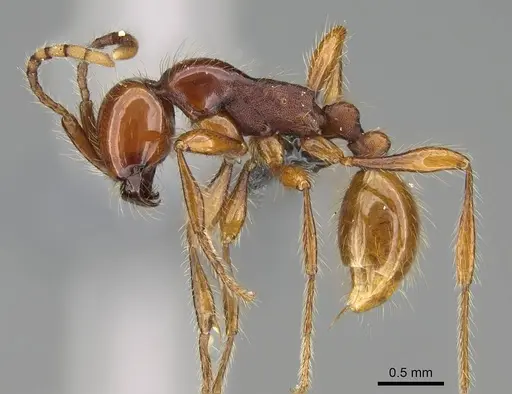
CASENT0415253
View on AntWeb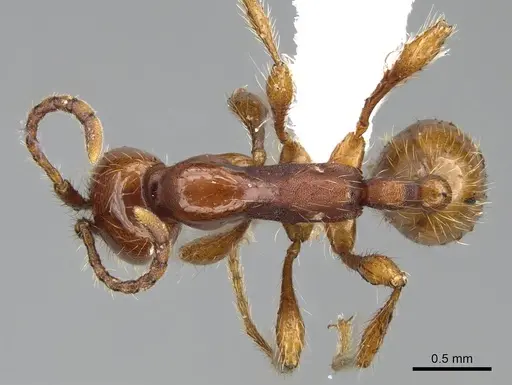
CASENT0782394
View on AntWeb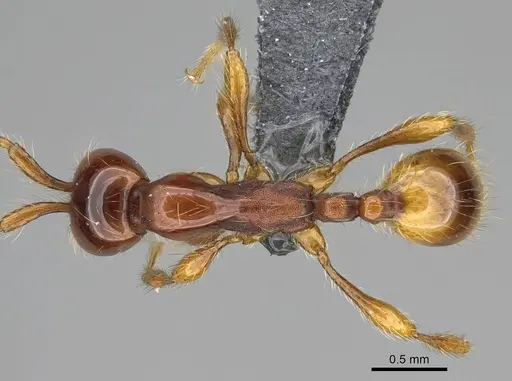
CASENT0900360
View on AntWeb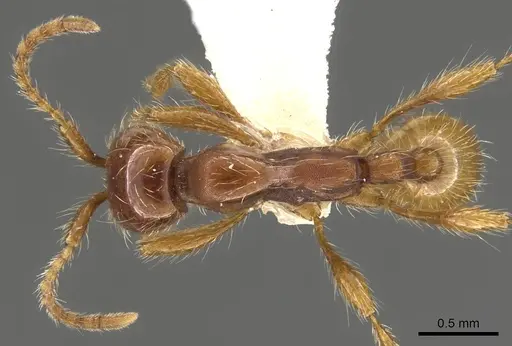
CASENT0901482
View on AntWeb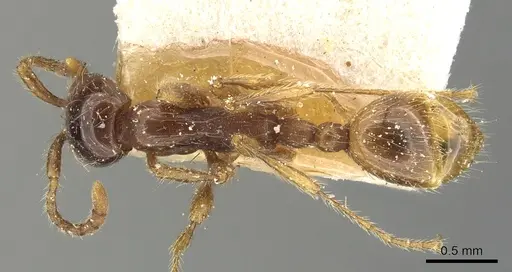
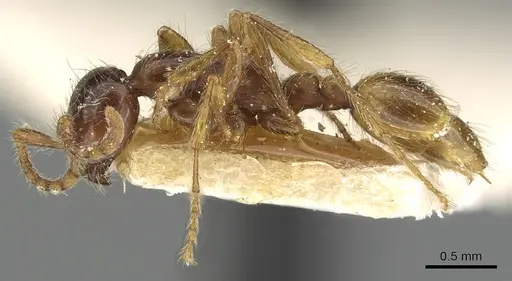
CASENT0902686
View on AntWeb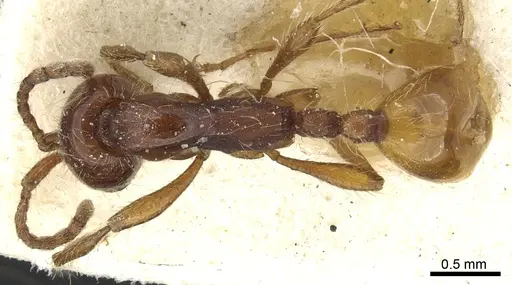
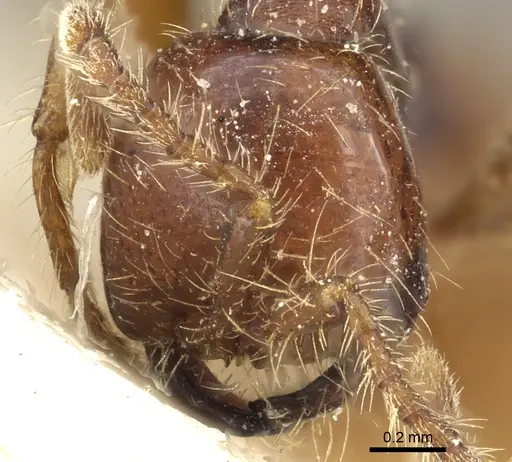
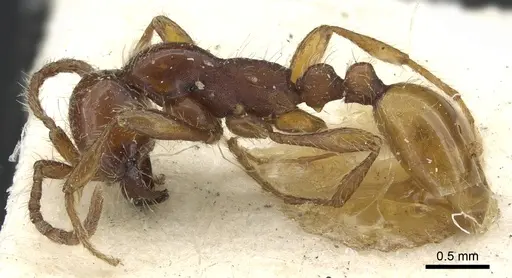
CASENT0903759
View on AntWeb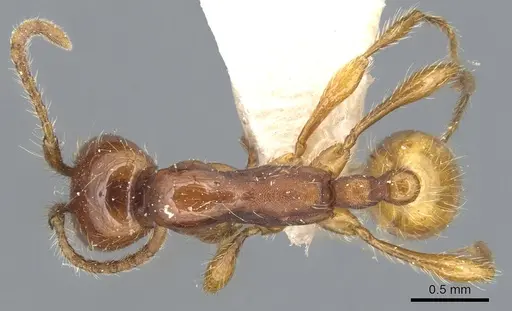
CASENT0907026
View on AntWeb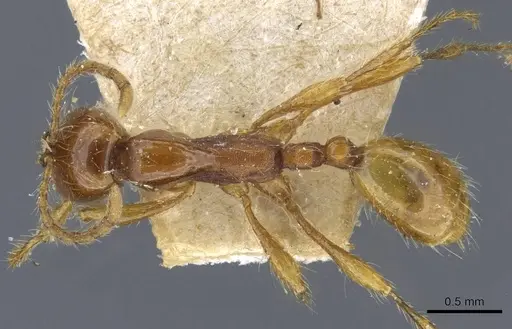
CASENT0911418
View on AntWeb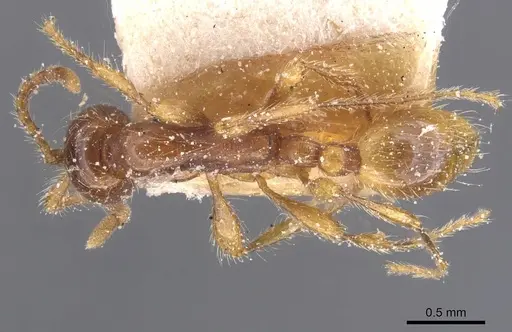
CASENT0911422
View on AntWeb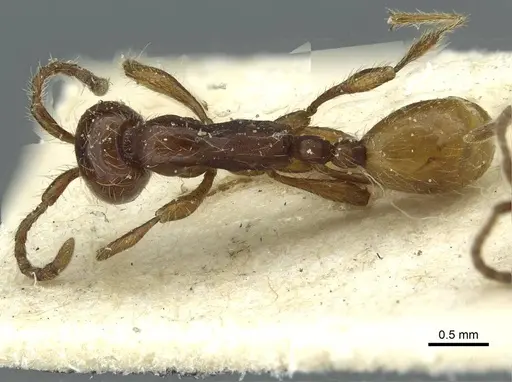
CASENT0911423
View on AntWeb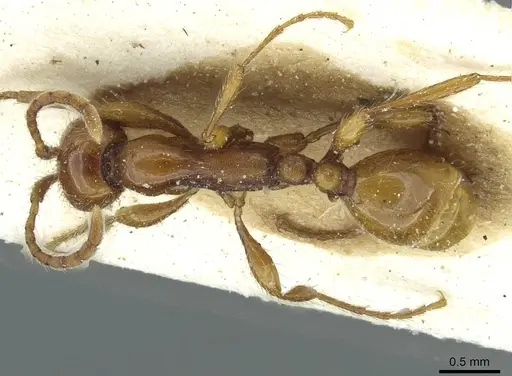
CASENT0916857
View on AntWeb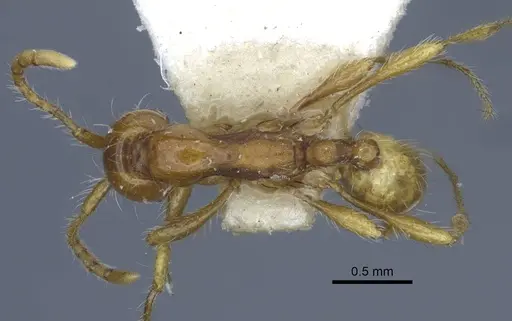
FOCOL1142
View on AntWeb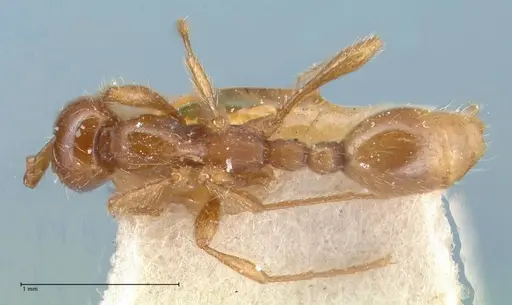
Literature
Loading...Loading products...