

Aenictus alluaudi
- Scientific Name
- Aenictus alluaudi
- Subfamily
- Dorylinae
- Author
- Santschi, 1910
- Distribution
- Found in 1 countries
Aenictus alluaudi Overview
Aenictus alluaudi is an ant species of the genus Aenictus. It is primarily documented in 1 countries , including Zimbabwe. Detailed taxonomic data and occurrence records can be further explored via authoritative databases such as AntWeb or the Global Biodiversity Information Facility (GBIF).
Aenictus alluaudi
Aenictus alluaudi is an Afrotropical army ant found in Kenya, Zimbabwe, and the Democratic Republic of the Congo [1][2]. As a member of the subfamily Dorylinae, they belong to the Old World army ants, a group known for living in massive colonies that move constantly and hunt in coordinated raids. While specific studies on this species are lacking, army ants in this genus do not build permanent nests and instead form temporary living clusters called bivouacs. These are not typical ants that can be kept in a standard setup, they require specialized care that most keepers cannot provide.
Quick Summary
- Difficulty: Expert
- Origin & Habitat: East and Central Africa, specifically Kenya, Zimbabwe, and the Democratic Republic of the Congo [1][2]. Specific habitat preferences are unconfirmed, but related species inhabit tropical forests and woodlands.
- Colony Type: Army ant structure, likely multiple wingless queens with reproduction by colony splitting (fission) rather than single queen founding. Exact structure is unconfirmed for this species.
- Colony: Polygyne
- Size & Growth:
- Queen: Unknown for this species. Related Aenictus queens are wingless with large abdomens, typically much larger than workers.
- Worker: Unknown for this species. Related Aenictus workers are small, usually 2-4 mm.
- Colony: Unknown. Army ant colonies typically contain thousands of workers, but specific data for this species is unavailable.
- Growth: Unknown
- Development: Unknown (Development timing is unstudied. Army ant colonies grow through colony fission (splitting) rather than single queen founding, so traditional egg-to-worker timelines for new colonies do not apply.)
- Antkeeping:
- Temperature: Unconfirmed. Based on Afrotropical distribution, likely requires warm conditions around 24-28°C.
- Humidity: Unconfirmed. High humidity likely required based on tropical distribution.
- Diapause: No. Tropical species do not require winter rest.
- Nesting: Army ants do not build permanent nests. They require massive enclosures with space to form temporary bivouacs and conduct raids, not standard formicaria.
- Behavior: Highly aggressive predatory behavior typical of army ants. They are constantly on the move and require large areas to forage. Their small size and relentless exploratory behavior make escape nearly impossible to prevent with standard equipment.
- Common Issues: cannot be housed in standard test tubes or formicaria due to nomadic army ant biology., require constant supply of live prey such as other ants or termites, which is impractical for most keepers., colony reproduction requires colony fission (splitting) rather than single queen founding, making traditional colony starting impossible., extreme escape risk due to small worker size and constant exploratory movement., massive space requirements, army ants need room to roam and raid constantly.
Why Aenictus alluaudi Cannot Be Kept in Standard Setups
You cannot keep Aenictus alluaudi in a test tube or standard formicarium. These are army ants, which means they live in massive colonies that move constantly and hunt in coordinated groups. They do not build permanent nests like other ants. Instead, they form temporary living clusters called bivouacs that change location regularly. To keep them, you would need a massive terrarium, often called an 'arena', with enough space for thousands of workers to roam, raid, and relocate. Standard ant keeping equipment is completely unsuitable.
The food requirements alone make captive keeping nearly impossible. Army ants are specialized predators that hunt other ants, termites, and other insects in large raids. They need a constant supply of live prey, not the occasional cricket or sugar water that satisfies most captive colonies. Without continuous access to appropriate prey, the colony will starve.
Additionally, you cannot start a colony from a single queen. Army ants reproduce by splitting existing colonies (fission), not by queens flying out and starting alone. This means you would need to collect an entire established colony, which is impractical, dangerous, and ecologically harmful.
Distribution and What We Know
Records show Aenictus alluaudi occurs in Kenya, Zimbabwe, and the Democratic Republic of the Congo [1][2]. The original specimens were collected in Kenya near Lake Victoria (Kisoumou) and in Nairobi [3]. More recent records confirm their presence in the Ituri and Nord-Kivu regions of the Democratic Republic of the Congo [2].
Beyond these location records, almost nothing is published about their specific biology. We do not know their exact colony size, queen size, worker size, or development times. We can infer from their genus that they are likely ground-dwelling army ants that prey on other social insects, but the specific details of their hunting behavior, nest site preferences, and seasonal activity patterns remain unstudied.
Feeding and Diet
While specific diet studies for Aenictus alluaudi do not exist, related Aenictus species are specialized predators of other ants and termites. They hunt in coordinated raids, overwhelming prey colonies with sheer numbers. If you were somehow attempting to keep these ants, you would need a constant supply of live ant colonies or termites, not just occasional insects, but a continuous stream of appropriate prey. This is why they are effectively impossible to maintain in captivity. They do not accept sugar water, honey, or standard feeder insects like mealworms as primary food sources.
Temperature and Environmental Needs
Specific temperature requirements are unconfirmed for this species. However, based on their distribution in tropical East and Central Africa, they likely need warm conditions around 24-28°C with high humidity. They do not require hibernation (diapause) as they come from tropical regions without cold winters. Army ants generally need stable, warm conditions with high humidity to prevent their bivouacs from drying out, but exact parameters for Aenictus alluaudi are unknown. [1]
Frequently Asked Questions
Can I keep Aenictus alluaudi in a test tube?
No. Army ants cannot be kept in test tubes. They require massive spaces to form temporary nests and conduct their nomadic lifestyle. A test tube would kill them immediately.
Are Aenictus alluaudi good for beginners?
No. They are unsuitable for any standard captive keeping. Even expert antkeepers rarely attempt to keep army ants due to their massive space requirements, constant need for live prey, and reproduction by colony fission rather than single queen founding.
What do Aenictus alluaudi eat?
Based on related species, they likely prey on other ants and termites. They are specialized predators that hunt in raids and require constant access to live prey colonies, not standard feeder insects.
How big do Aenictus alluaudi colonies get?
Specific colony size is unknown, but army ants typically have thousands of workers. They are not small colonies that fit in standard formicaria.
Do Aenictus alluaudi need hibernation?
No. They come from tropical Africa and do not require winter rest or cooling.
Do Aenictus alluaudi sting?
Army ants typically bite rather than sting, using their mandibles to defend themselves. However, specific defense mechanisms for this species are unconfirmed.
How long until Aenictus alluaudi gets their first workers?
This question does not apply to army ants. They do not start with a single queen raising her first workers. Instead, new colonies form when an existing colony splits (fission). You cannot start a colony from just a queen.
References

This caresheet is licensed under CC BY-SA 4.0 .
CASENT0911415
View on AntWeb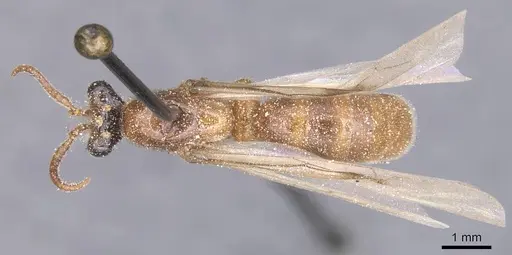
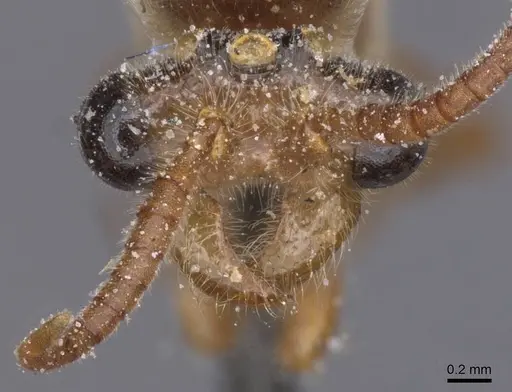
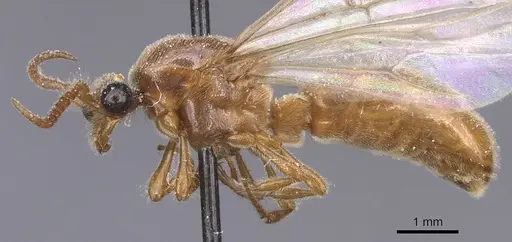
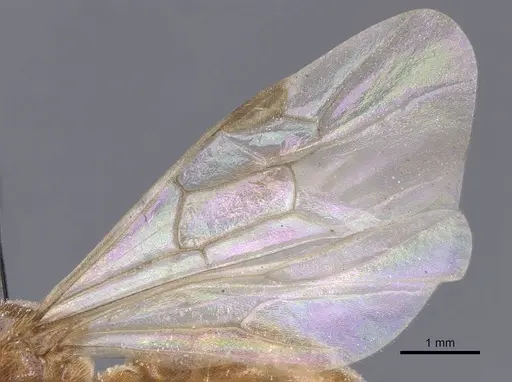
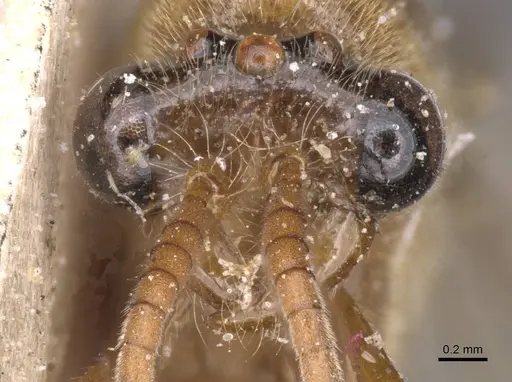
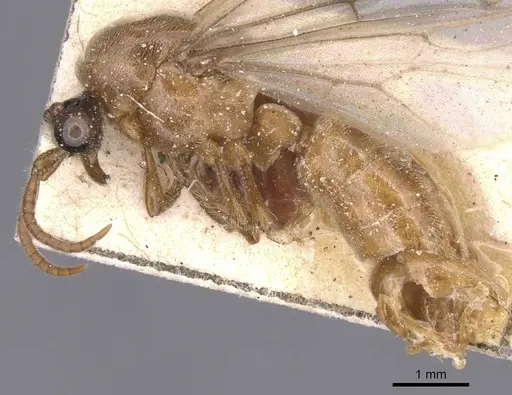
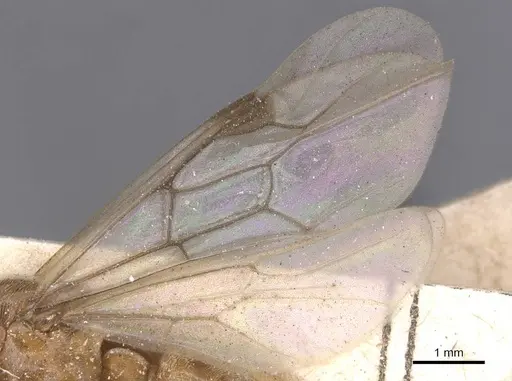
RMCAENT000017718
View on AntWeb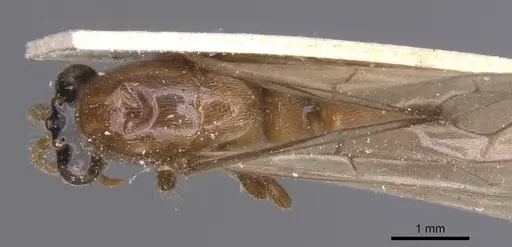
Literature
Loading...Loading products...