

Aenictogiton schoutedeni
- Scientific Name
- Aenictogiton schoutedeni
- Subfamily
- Dorylinae
- Author
- Santschi, 1924
- Distribution
- Found in 1 countries
Aenictogiton schoutedeni Overview
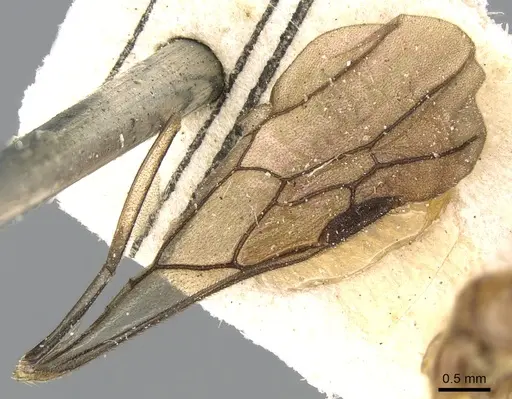
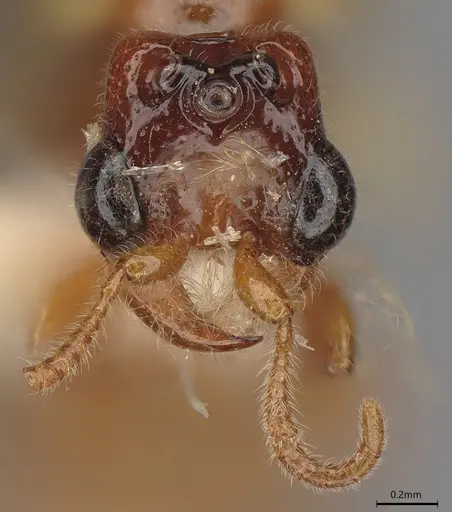
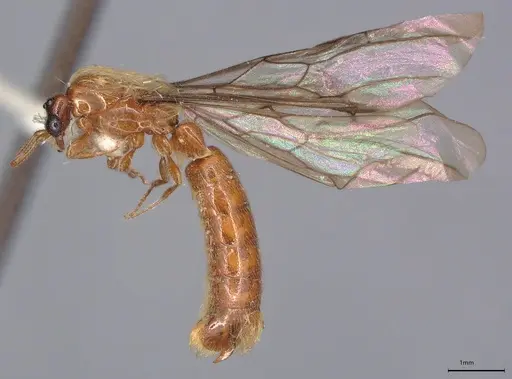
Aenictogiton schoutedeni is an ant species of the genus Aenictogiton. It is primarily documented in 1 countries , including Congo, Democratic Republic of the. Detailed taxonomic data and occurrence records can be further explored via authoritative databases such as AntWeb or the Global Biodiversity Information Facility (GBIF).
Aenictogiton schoutedeni
Aenictogiton schoutedeni is a rare army ant species endemic to the Kasai region of the Democratic Republic of Congo [1]. This species belongs to the Dorylinae subfamily, commonly known as army ants, which are renowned for their nomadic lifestyle and predatory behavior. The genus Aenictogiton is one of the less-studied army ant genera, with limited documentation in scientific literature. Workers of this species are expected to follow typical army ant morphology, with a powerful stinger for subduing prey and a generally dark coloration. The queen size is not directly documented, but army ant queens in related genera typically range from 10-20mm, with physogastric abdomens capable of producing thousands of eggs. This species remains one of the more mysterious army ants, with much of its biology still requiring scientific study.
Quick Summary
- Difficulty: Expert
- Origin & Habitat: Endemic to the Kasai region in the Democratic Republic of Congo, found in central African tropical habitats [1]. The specific microhabitat preferences are not documented.
- Colony Type: Colony structure is unconfirmed. Army ants in the Dorylinae subfamily typically form large colonies with multiple queens, but this has not been verified for Aenictogiton schoutedeni specifically.
- Size & Growth:
- Queen: Unknown, not directly measured in available literature. Related army ant genera have physogastric queens reaching 10-20mm.
- Worker: Unknown, no specific measurements available.
- Colony: Unknown, no colony size data documented.
- Growth: Unknown, no development data available.
- Development: Unknown, no direct measurements available. Army ant development typically takes 4-8 weeks at tropical temperatures, but this is unconfirmed for this species. (Development timeline is unconfirmed. Estimates based on related Dorylinae species suggest several weeks, but this requires verification.)
- Antkeeping:
- Temperature: Keep at tropical room temperature, roughly 24-28°C. This is an inferred estimate based on the species' central African origin and related army ant temperature preferences.
- Humidity: Maintain moderate to high humidity, around 60-80%. This is an inferred estimate based on typical tropical forest ant requirements.
- Diapause: Unknown, no documented hibernation or diapause behavior. As a tropical species, diapause is unlikely but unconfirmed.
- Nesting: Nesting preferences are unconfirmed. Army ants are typically nomadic and do not maintain permanent nests, they form temporary bivouacs. Captive housing would require a large outworld with frequent relocation opportunities, similar to other army ant species.
- Behavior: Behavior is not directly documented. Army ants are typically highly aggressive predators that conduct regular raids for prey. Workers likely have functional stingers and can deliver painful stings. Escape prevention should be excellent given typical army ant behavior, they are active foragers that explore widely. The colony will likely show the characteristic army ant behavior of forming raid columns and temporary bivouacs.
- Common Issues: this species has no documented captive husbandry information, keeping it requires expert-level army ant experience, colony structure and founding behavior are unconfirmed, making proper care difficult to determine, no confirmed diet information exists, army ants typically hunt prey but specific acceptance is unknown, nomadic behavior means colonies may constantly move, complicating captive setup, lack of scientific data means keepers must rely on inference from related species, which may be inaccurate
Species Overview and Documentation
Aenictogiton schoutedeni is one of the rarest and least-studied army ant species in the world. First described by Santschi in 1924,this species has only been recorded from its type locality in the Kasai region of the Democratic Republic of Congo [1]. The species remains poorly documented in scientific literature, with Borowiec's 2016 work providing the most recent confirmation of its existence in the region. The genus Aenictogiton itself contains only a handful of described species, all restricted to central Africa. This limited documentation means that much of what we know about this species must be inferred from related army ant genera. The lack of detailed biological studies makes this an extremely challenging species to keep in captivity, as no established husbandry protocols exist.
Inferred Biology and Behavior
While direct observations of Aenictogiton schoutedeni are lacking, the species' placement within the Dorylinae subfamily provides clues to its likely biology. Army ants in this subfamily are known for their nomadic lifestyle, forming large colonies that constantly move between temporary bivouacs. They are obligate predators, hunting insects and other arthropods through coordinated raiding columns. Colony sizes in related species can reach hundreds of thousands of individuals. Queens in army ant species are typically physogastric, meaning their abdomen becomes massively distended with eggs, capable of producing millions of offspring. However, these are inferences based on related species, the specific biology of Aenictogiton schoutedeni may differ in important ways that we simply do not know.
Housing and Care Challenges
Keeping Aenictogiton schoutedeni in captivity would present extreme challenges even for expert antkeepers. No documented captive protocols exist for this species, and its specific requirements remain unknown. Based on typical army ant needs, you would likely need to provide a large outworld space, frequent prey items, and the ability for the colony to relocate periodically. Army ants do not form permanent nests in captivity, they create temporary bivouacs that must be allowed to form naturally. The species' tropical origin suggests warm, humid conditions are appropriate, but exact parameters are unknown. This species should only be attempted by the most experienced antkeepers with access to established army ant husbandry knowledge, and even then, success would be uncertain.
Legal and Ethical Considerations
Aenictogiton schoutedeni is endemic to the Democratic Republic of Congo, a country with complex wildlife export regulations. Any attempt to acquire this species would require verification of legal collection and export permits. Additionally, the extreme rarity of this species in the wild raises concerns about the ethical implications of collection. Scientific collections have been limited, suggesting wild populations are not well-studied. If you encounter this species in the antkeeping hobby, exercise extreme caution about its origin. Given the complete lack of captive breeding information, wild-caught colonies would likely be the only option, which further raises ethical concerns about sustainability. [1]
Frequently Asked Questions
How do I keep Aenictogiton schoutedeni ants?
This species is not recommended for captive keeping. No documented husbandry protocols exist, and its biology remains unstudied. The complete lack of information on its requirements makes successful captive maintenance extremely unlikely even for expert antkeepers.
What do Aenictogiton schoutedeni ants eat?
Diet is unconfirmed. Based on related army ant species, they are likely obligate predators that hunt insects and other arthropods. Specific prey acceptance is unknown, and you should not attempt to keep this species without verified dietary information.
How big do Aenictogiton schoutedeni colonies get?
Colony size is unknown, no documented colony size data exists for this species. Related army ant species can reach hundreds of thousands of workers, but this is unconfirmed for Aenictogiton schoutedeni.
What temperature do Aenictogiton schoutedeni ants need?
Temperature requirements are unconfirmed. Based on the species' central African origin, tropical room temperature around 24-28°C is a reasonable inference, but this is not verified by scientific data.
Where is Aenictogiton schoutedeni found?
This species is endemic to the Kasai region of the Democratic Republic of Congo [1]. Its exact habitat preferences within this area are not documented.
Is Aenictogiton schoutedeni a good species for beginners?
No. This species is not recommended for any level of antkeeper, including experts. The complete lack of biological documentation and captive husbandry information makes it impossible to provide proper care. Even basic requirements like founding behavior, diet, and nesting preferences are unknown.
How long does it take for Aenictogiton schoutedeni to develop from egg to worker?
The development timeline is completely unconfirmed. No scientific data exists on the egg-to-worker development time for this species. Related army ant species typically develop in 4-8 weeks at tropical temperatures, but this cannot be confirmed for Aenictogiton schoutedeni.
Does Aenictogiton schoutedeni need hibernation?
Diapause requirements are unknown. As a tropical species from central Africa, hibernation is unlikely to be required, but this has not been studied.
Can I keep multiple Aenictogiton schoutedeni queens together?
Colony structure is unconfirmed. While many army ants have multiple queens, the specific colony structure of Aenictogiton schoutedeni has not been documented. Combining unrelated queens is not recommended given the lack of information.
References

This caresheet is licensed under CC BY-SA 4.0 .
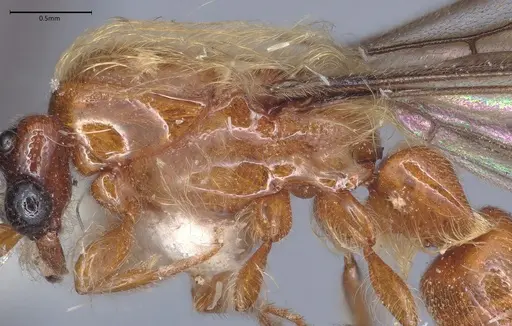
CASENT0281197
View on AntWeb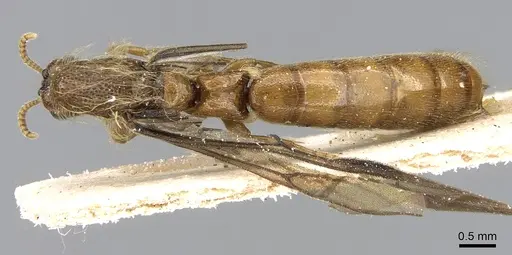
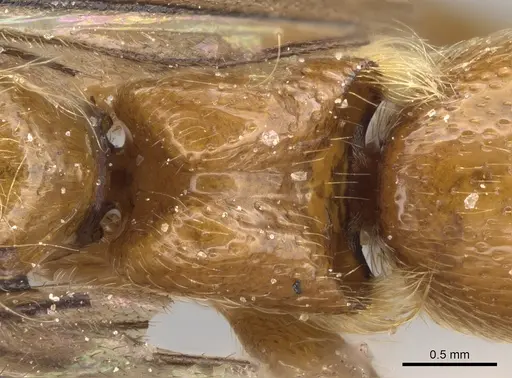
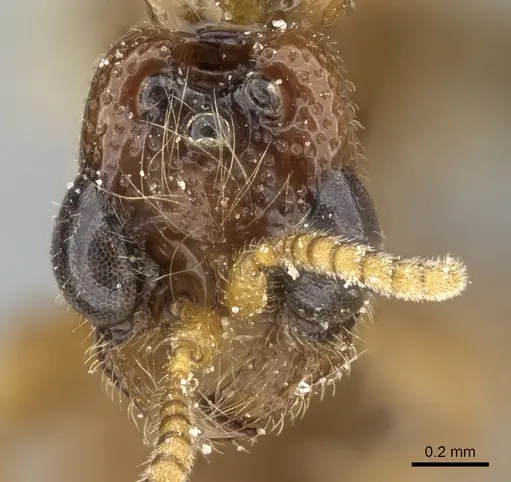
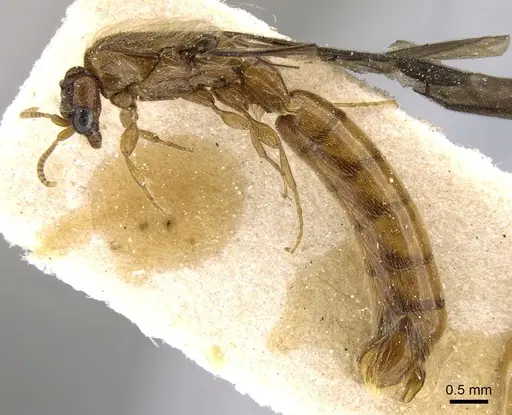
MCZ-ENT00510818
View on AntWeb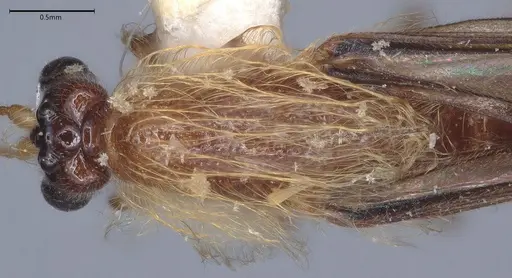
Literature
Loading...Loading products...