

Aenictogiton emeryi
- Scientific Name
- Aenictogiton emeryi
- Subfamily
- Dorylinae
- Author
- Forel, 1913
- Distribution
- Found in 2 countries
Aenictogiton emeryi Overview
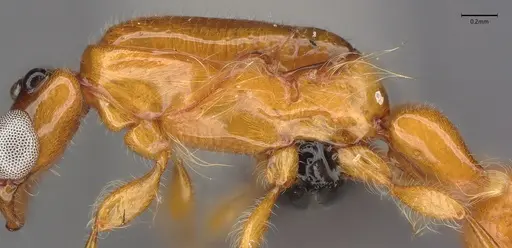
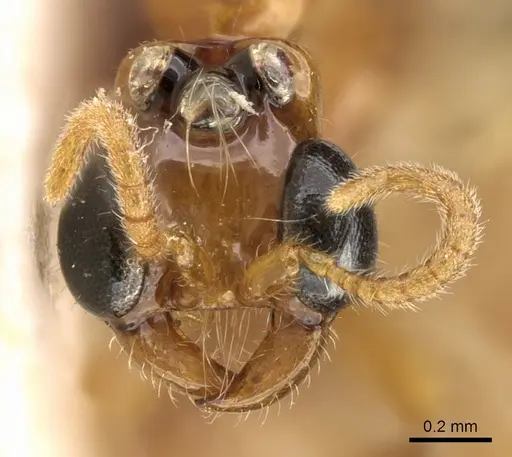
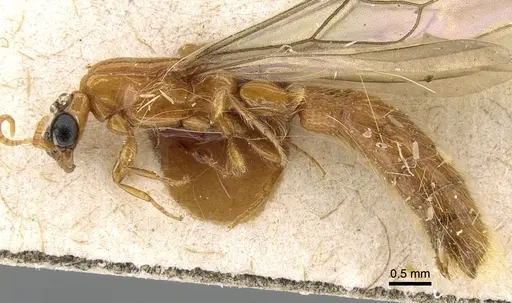
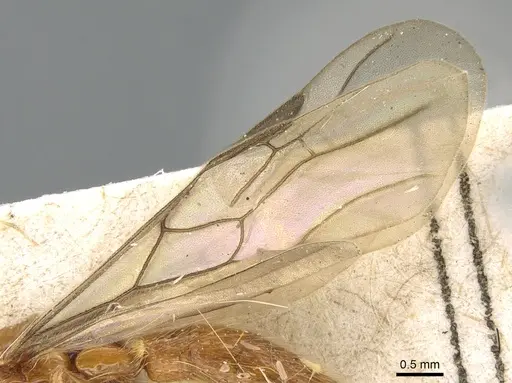
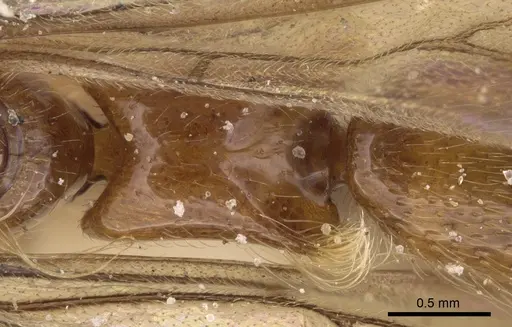
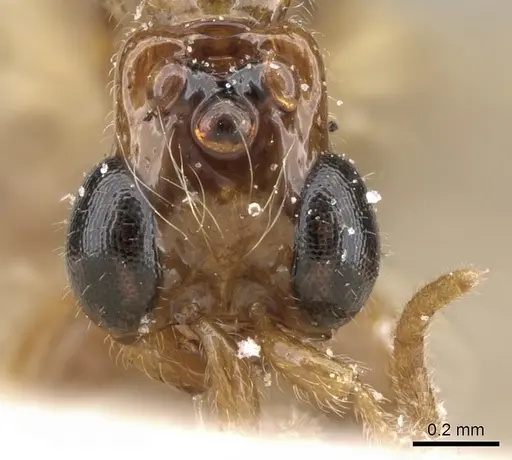
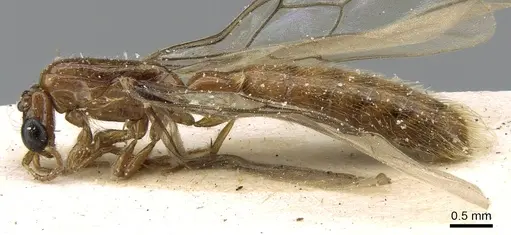
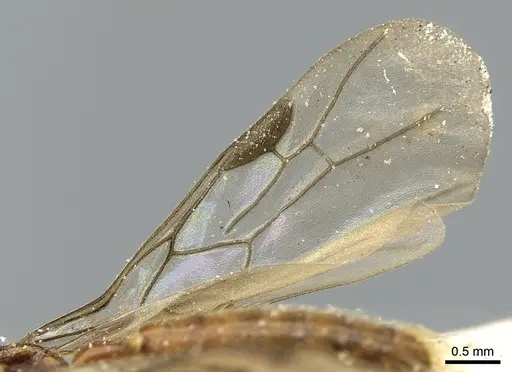
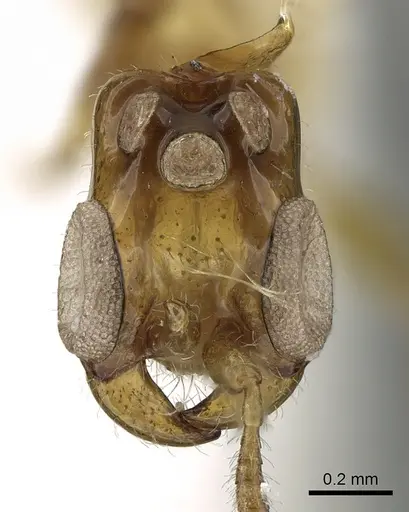
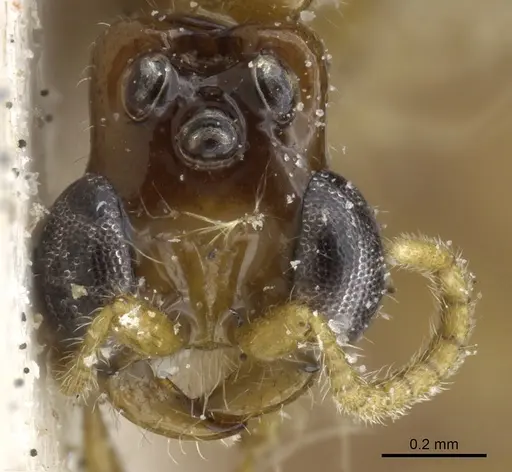
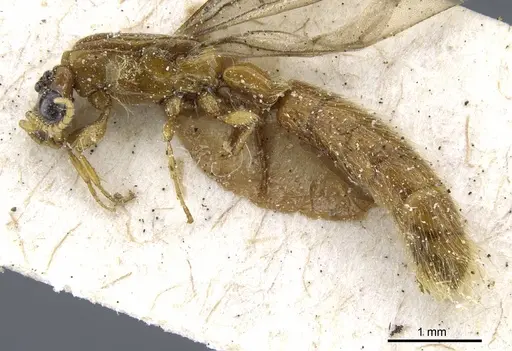
Aenictogiton emeryi is an ant species of the genus Aenictogiton. It is primarily documented in 2 countries , including Congo, Democratic Republic of the, Zambia. Detailed taxonomic data and occurrence records can be further explored via authoritative databases such as AntWeb or the Global Biodiversity Information Facility (GBIF).
Aenictogiton emeryi
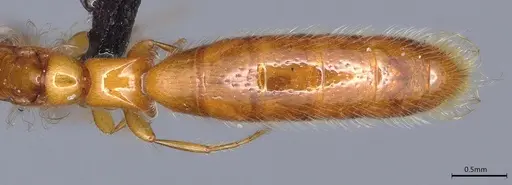
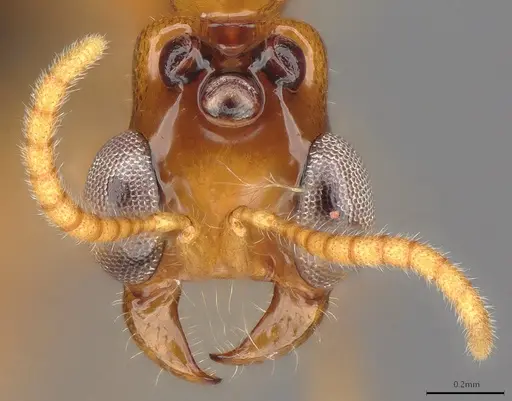
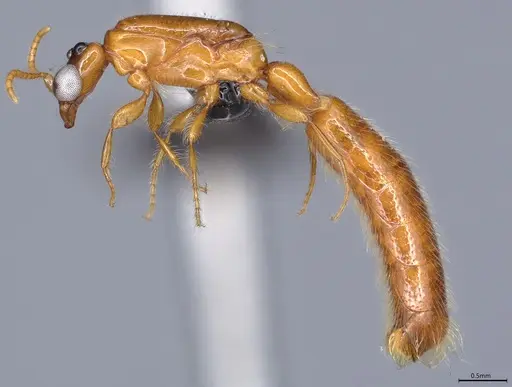
Aenictogiton emeryi is a rare army ant species endemic to the Democratic Republic of Congo, specifically recorded in the Haut-Katanga and Tanganyika regions [1]. As a member of the Dorylinae subfamily, this species belongs to the army ant group known for their nomadic lifestyle and massive colony structures. Workers are typically small and reddish-brown, characteristic of many African army ant species. The genus Aenictogiton remains poorly studied, with limited scientific documentation dating back to early 20th century collections [1]. These ants are predatory, raiding other ant colonies and invertebrate nests to feed their colony. In the wild, they likely form large colonies with multiple queens, following the pattern common to army ant species.
Quick Summary
- Difficulty: Expert
- Origin & Habitat: Democratic Republic of Congo, endemic to Haut-Katanga and Tanganyika regions in the southern part of the country [1]. Found in savanna and forest edge habitats typical of central African army ant species.
- Colony Type: Likely polygynous (multiple queens) based on typical army ant colony structure. Army ants typically have multiple reproductive queens per colony with colony sizes reaching thousands of workers.
- Colony: Polygyne
- Size & Growth:
- Queen: Estimated 8-12mm based on genus Aenictogiton patterns, direct measurements unavailable
- Worker: Estimated 3-5mm based on typical army ant worker size, direct measurements unavailable
- Colony: Likely large (several thousand workers) based on army ant colony patterns
- Growth: Fast, army ant colonies grow rapidly when established
- Development: Estimated 4-6 weeks based on typical Dorylinae development at tropical temperatures (Army ant development is typically fast compared to other ant groups. This is an estimate based on genus patterns, not direct species observation.)
- Antkeeping:
- Temperature: Keep at 24-28°C, army ants are tropical species requiring warm, stable temperatures
- Humidity: High humidity (70-85%) with moist substrate. Army ants prefer damp conditions similar to their natural forest floor habitat
- Diapause: Unlikely, as a tropical species from DRC, they probably do not require hibernation. However, seasonal slowing may occur during cooler periods
- Nesting: Requires a spacious formicarium with connected chambers. Army ants need room to form trails and bivouacs. A naturalistic setup with multiple connected chambers works best
- Behavior: Highly active and predatory. Workers forage in large raiding columns, attacking other ant colonies and invertebrate nests. They do not build permanent nests, instead they form temporary bivouacs and relocate frequently (nomadic lifestyle). Escape risk is moderate, use tight-fitting barriers as workers are small but not extremely tiny. They are not aggressive toward humans and rarely sting.
- Common Issues: very limited scientific data makes captive care requirements uncertain, nomadic lifestyle requires special setup with space for colony movement, large colony size demands significant space and food resources, predatory feeding needs may be difficult to meet in captivity, wild-caught colonies may carry parasites or fail to adapt to captive conditions
Understanding Aenictogiton emeryi
Aenictogiton emeryi is one of the rarest ant species in the hobby, with very limited documentation in scientific literature. The species was originally described from collections in the Democratic Republic of Congo over a century ago, with subsequent records confirming its presence in the Haut-Katanga and Tanganyika provinces [1]. The genus Aenictogiton belongs to the army ant subfamily Dorylinae, a group characterized by their predatory lifestyle and massive colony structures. Unlike most ant species that build permanent nests, army ants are nomadic, forming temporary bivouacs and moving their entire colony every few weeks. This species remains poorly studied, meaning much of what we know about its care comes from generalizing about army ant biology rather than specific research on A. emeryi.
Housing and Nesting
Keeping Aenictogiton emeryi requires a specialized setup that accommodates their nomadic behavior. Unlike typical ants that settle in one nest, army ants need space to form raiding columns and temporary bivouacs. A large naturalistic formicarium with multiple connected chambers works best, allowing the colony to reorganize as they would in the wild. The setup should include a humid foraging area where they can hunt and a dry outworld for feeding. Use a tight-sealing lid and apply fluon to all edges, while workers are not extremely small, army ants are determined escape artists when stressed. Provide darkness for the bivouac area as they prefer dim conditions for their central colony mass.
Feeding and Diet
As predatory army ants, Aenictogiton emeryi requires a protein-rich diet consisting primarily of other insects. They do not collect honeydew or tend aphids like some ant species, instead, they raid other ant colonies and invertebrate nests. In captivity, offer live prey such as mealworms, crickets, and other small insects. Feed generous amounts multiple times per week, as army ant colonies have enormous appetites. Remove uneaten prey after 24 hours to prevent mold. Some colonies may accept pre-killed insects, but the hunting instinct is central to their behavior. Sugar water is typically not needed or accepted by pure army ant species.
Temperature and Humidity
Maintain temperatures between 24-28°C using a heating cable or mat if your room temperature is lower. Army ants are tropical insects and require consistent warmth. Temperature drops below 20°C can stress colonies and slow their activity significantly. Humidity should be kept high at 70-85%, use a water reservoir in the nest and mist the substrate regularly. The nest material should remain consistently moist but never waterlogged. Army ants naturally live in humid forest environments, and dry conditions will cause colony decline. Monitor both temperature and humidity closely, as these ants are less tolerant of fluctuations than many other species.
Colony Structure and Behavior
Aenictogiton emeryi colonies likely follow the typical army ant pattern of having multiple queens (polygyny) with thousands of workers. The colony moves together as a unified raiding force, with workers organizing into characteristic columns that can stretch across considerable distances in the wild. This nomadic lifestyle means they do not accumulate stored food, instead, they rely on constant hunting to feed the colony. Workers are relatively small but numerous, and the colony will defend itself aggressively against threats to the queen(s). The raid behavior is fascinating to observe, with workers coordinating attacks on target colonies in organized waves.
Frequently Asked Questions
How long does it take for Aenictogiton emeryi to produce first workers?
Based on typical army ant development, expect first workers (nanitics) approximately 4-6 weeks after the queen lays eggs, provided temperatures are maintained at 24-28°C. This is an estimate since no specific development data exists for this species.
Can I keep Aenictogiton emeryi in a test tube?
No, test tubes are completely unsuitable for this species. Army ants require significant space to form raiding columns and bivouacs. A large naturalistic formicarium or custom setup with multiple connected chambers is necessary.
How often should I feed Aenictogiton emeryi?
Feed 2-3 times per week with generous portions of live insects. Army ant colonies have massive appetites, uneaten prey should be removed after 24 hours. Monitor consumption patterns and adjust frequency based on colony activity.
Are Aenictogiton emeryi good for beginners?
No, this species is recommended only for expert antkeepers. There is very limited scientific data on their specific care requirements, they need large amounts of live prey, and their nomadic behavior requires specialized setups that beginners may find challenging.
Do Aenictogiton emeryi need hibernation?
Probably not, as a tropical species from the Democratic Republic of Congo, they likely do not require hibernation. However, they may slow down during cooler periods. Maintain stable temperatures year-round.
How big do Aenictogiton emeryi colonies get?
Based on typical army ant patterns, colonies can reach several thousand workers. Established colonies are massive compared to most ant species and require correspondingly large enclosures.
Can I keep multiple queens together in one colony?
Yes, army ants are naturally polygynous with multiple queens per colony. Unlike many ant species where multiple queens fight, army ant queens coexist and reproduce together.
Why is my Aenictogiton emeryi colony declining?
Common causes include: insufficient prey (they need constant protein), temperatures below 24°C, low humidity, or stress from too-small enclosures. Army ants are sensitive to suboptimal conditions and may abandon bivouacs if stressed.
When should I move Aenictogiton emeryi to a formicarium?
If you obtain a founding queen (which is rare), keep her in a small test tube setup until she has workers. Once the colony reaches 50+ workers, transfer to a larger naturalistic setup with space for raiding behavior.
References

This caresheet is licensed under CC BY-SA 4.0 .
CASENT0066936
View on AntWeb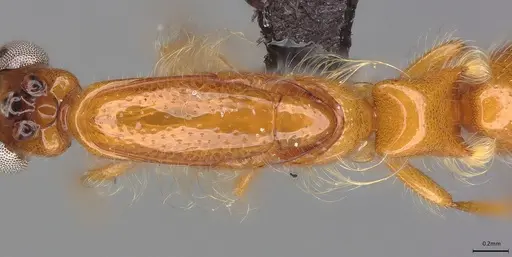
CASENT0281198
View on AntWeb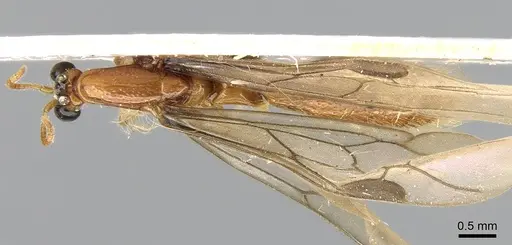
CASENT0281199
View on AntWeb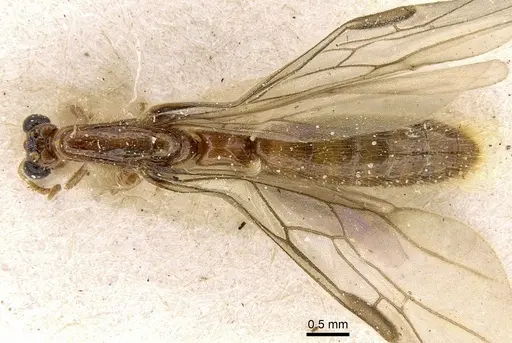
CASENT0281200
View on AntWeb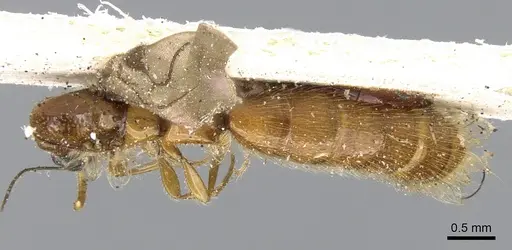
CASENT0281315
View on AntWeb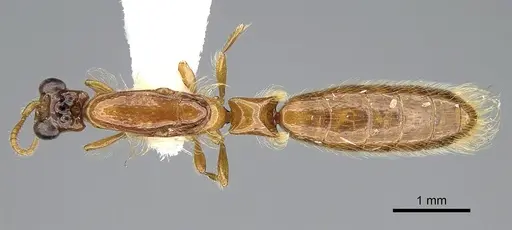
CASENT0281316
View on AntWeb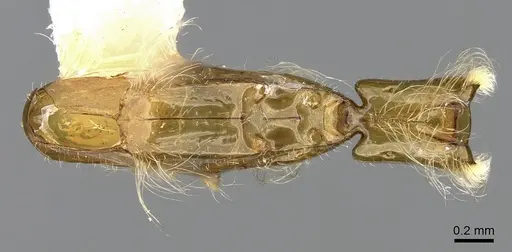
CASENT0903960
View on AntWeb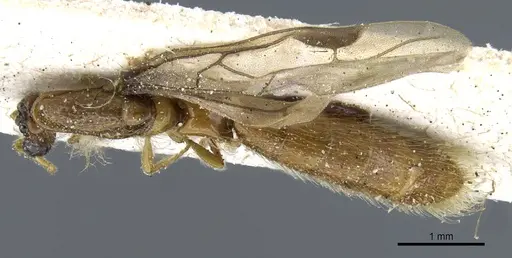
Literature
Loading...Loading products...