

Adetomyrma caputleae
- Scientific Name
- Adetomyrma caputleae
- Tribe
- Amblyoponini
- Subfamily
- Amblyoponinae
- Author
- Yoshimura & Fisher, 2012
- Distribution
- Found in 1 countries
Adetomyrma caputleae Overview
Adetomyrma caputleae is an ant species of the genus Adetomyrma. It is primarily documented in 1 countries , including Madagascar. Detailed taxonomic data and occurrence records can be further explored via authoritative databases such as AntWeb or the Global Biodiversity Information Facility (GBIF).
Adetomyrma caputleae
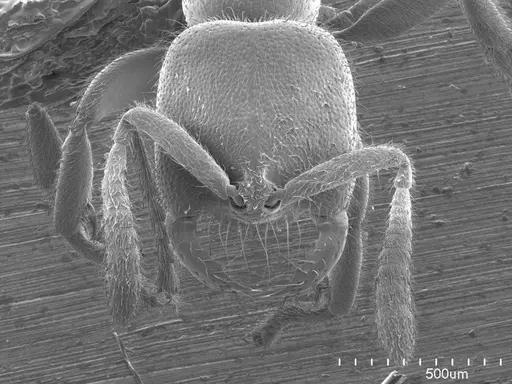
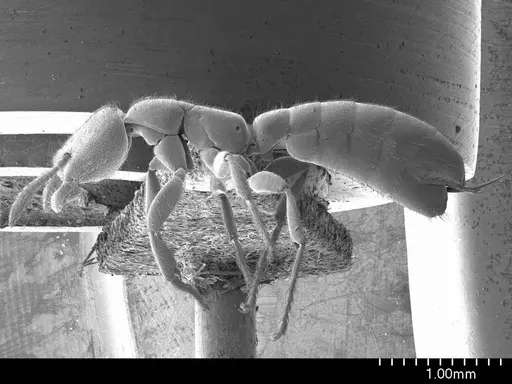
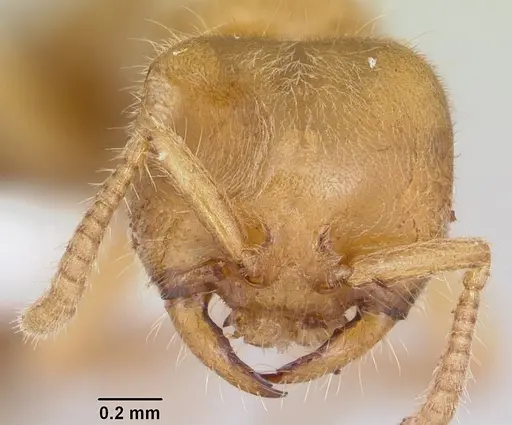
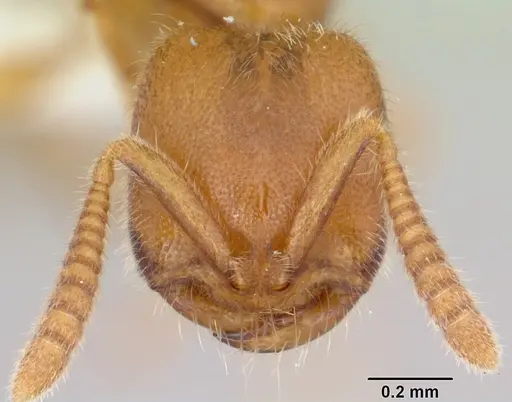
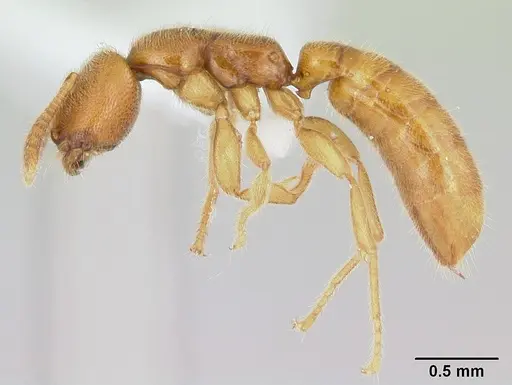
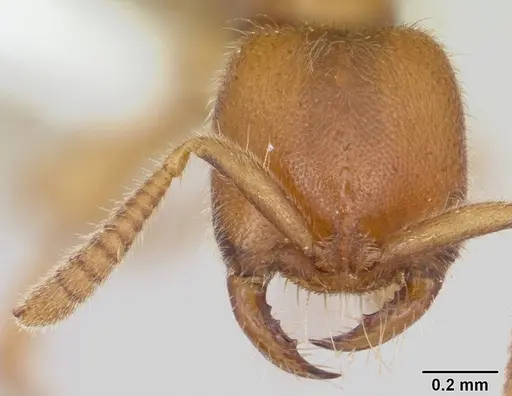
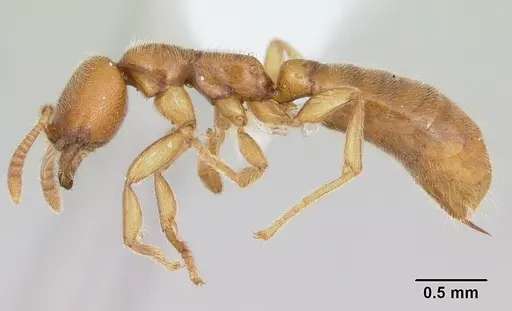
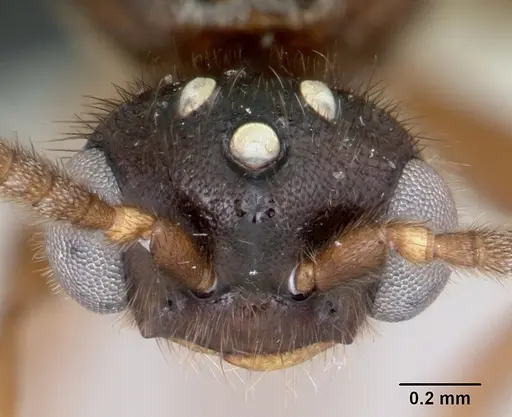
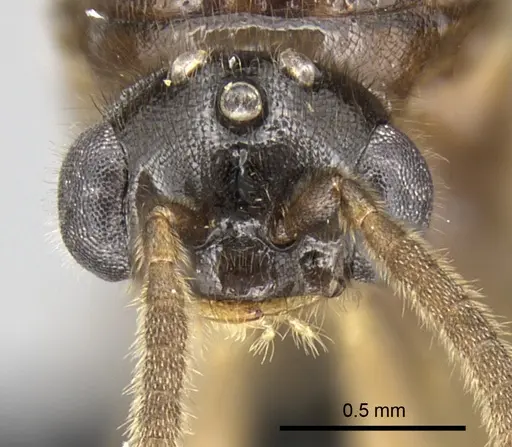
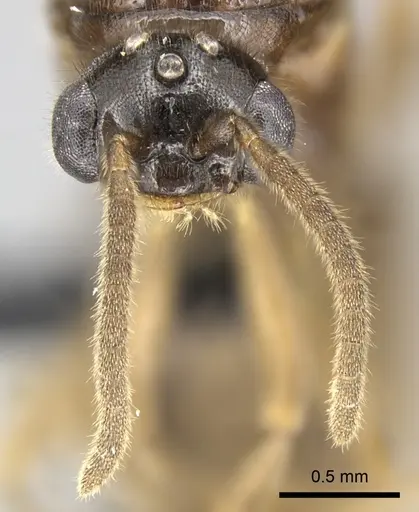
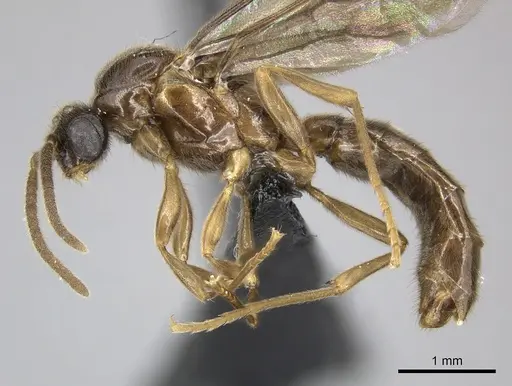
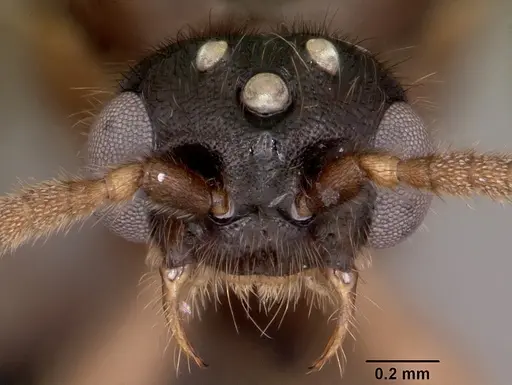
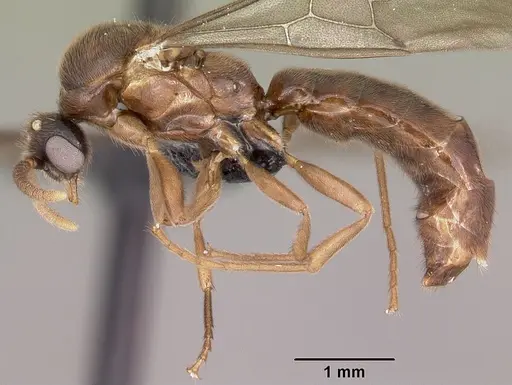
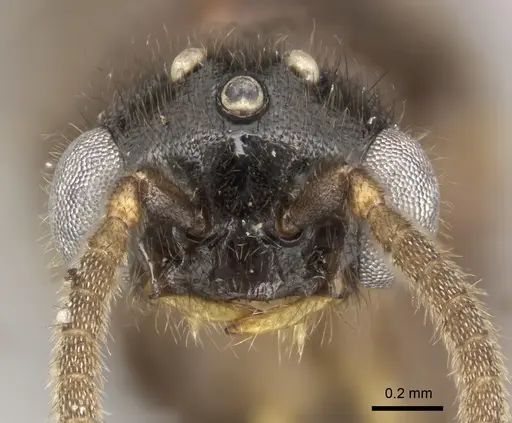
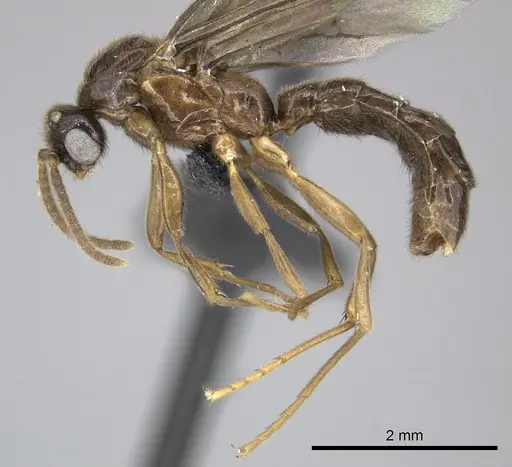
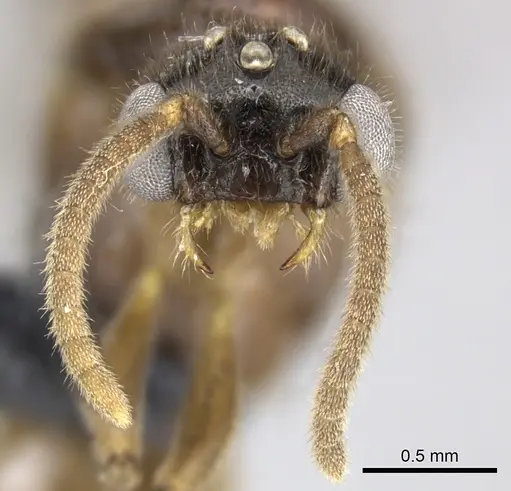
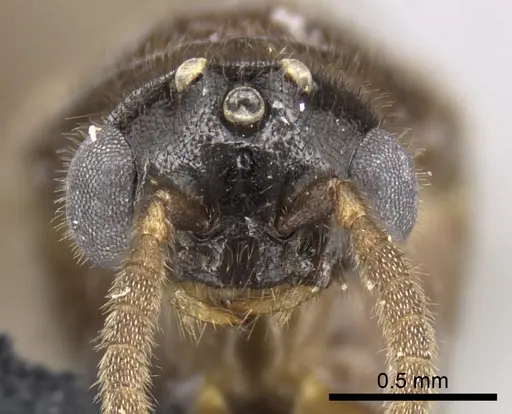
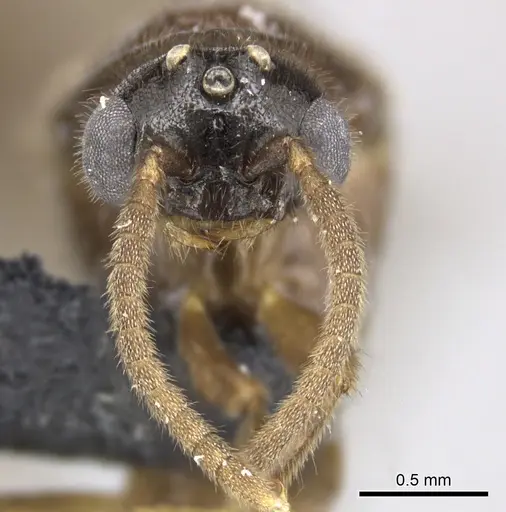
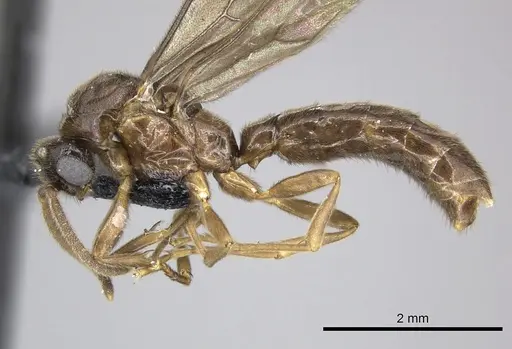
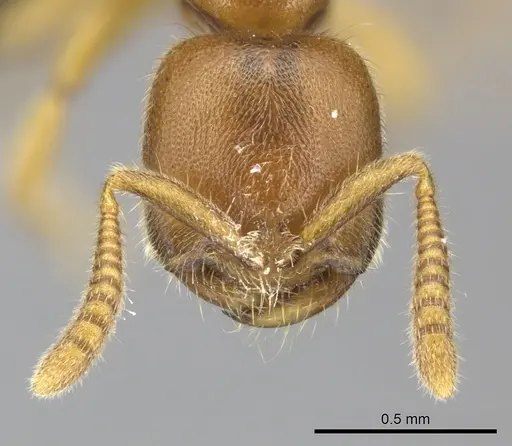
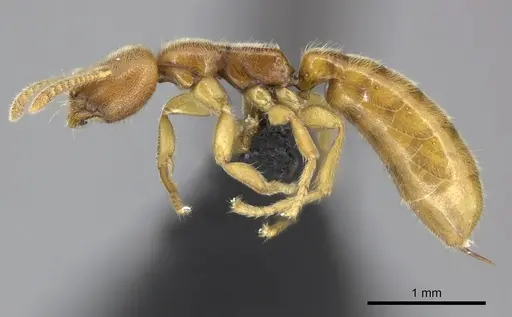
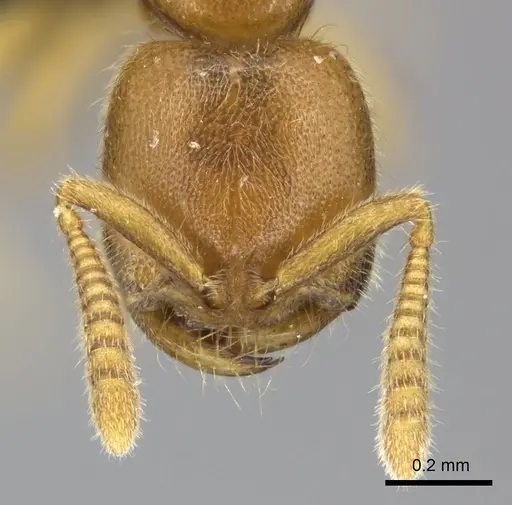
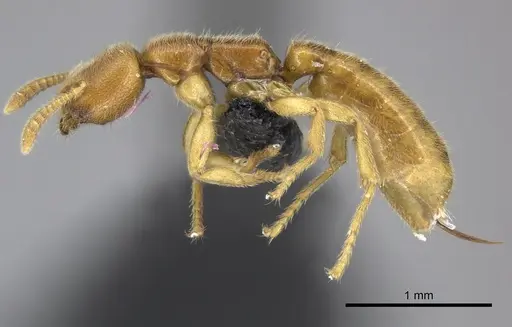
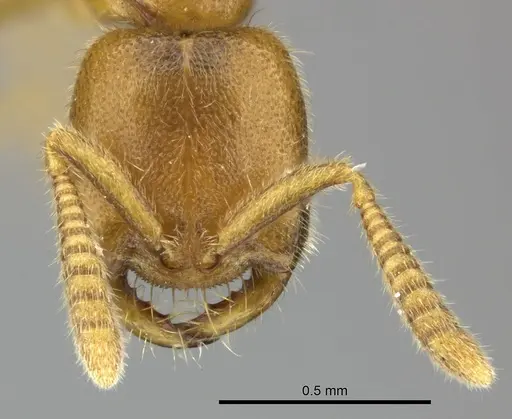
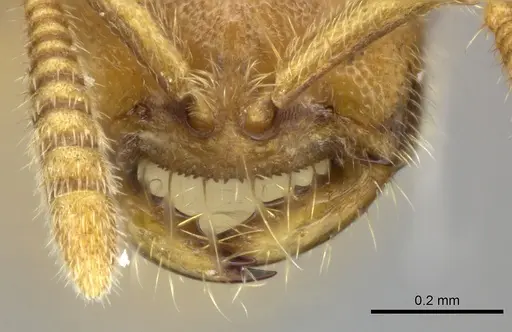
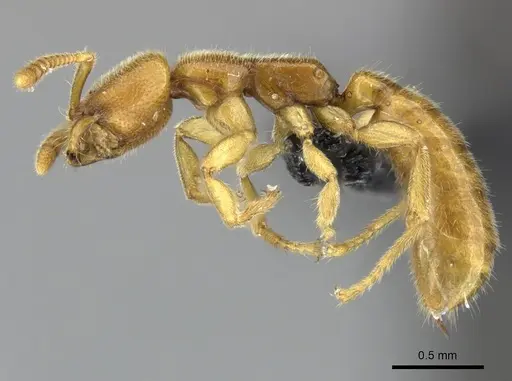
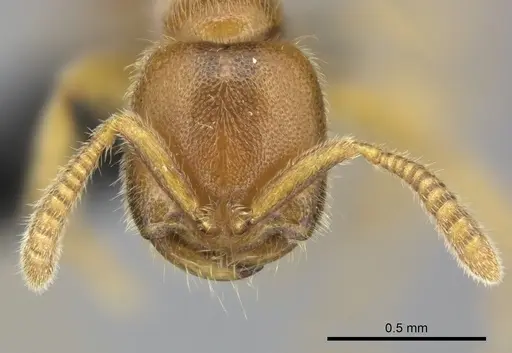
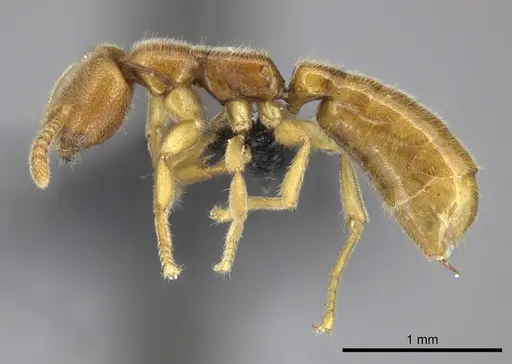
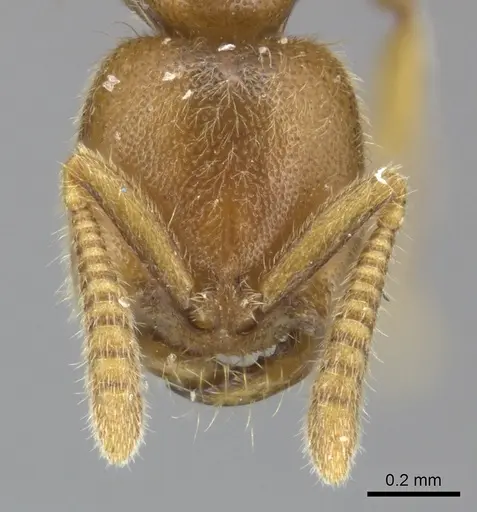
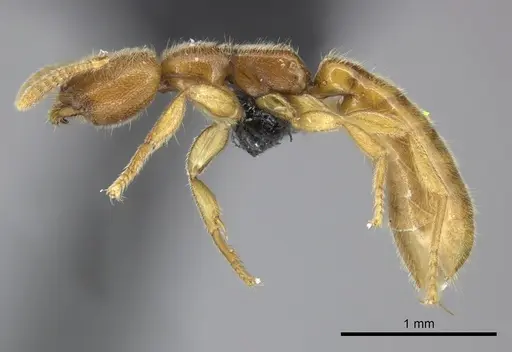
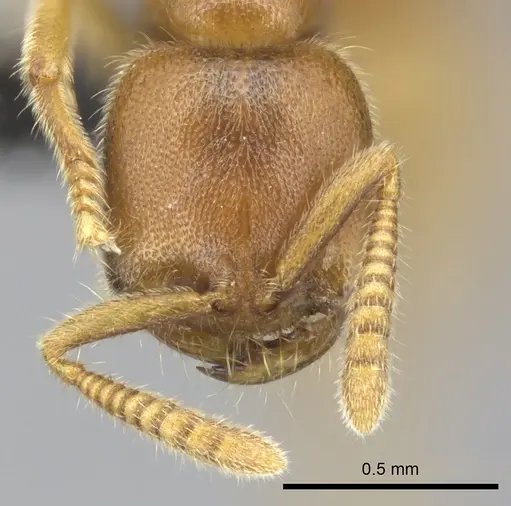
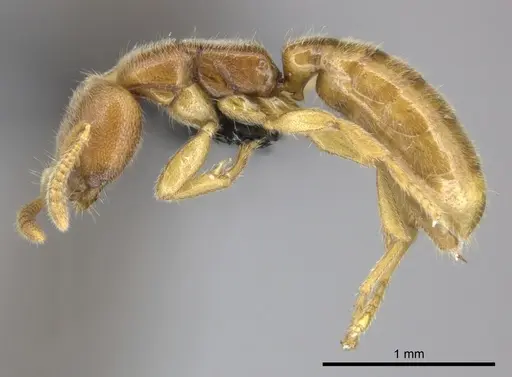
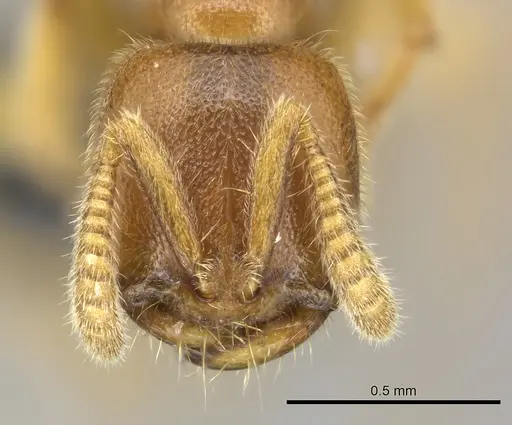
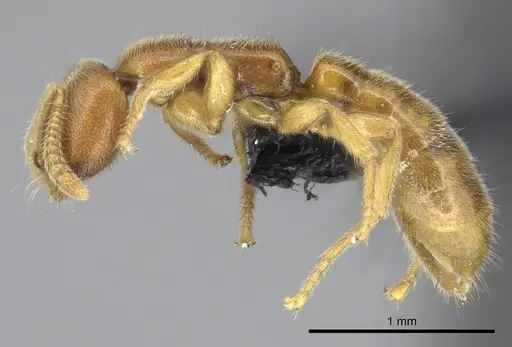
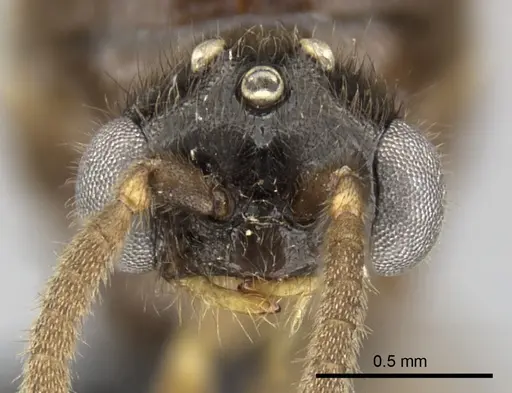
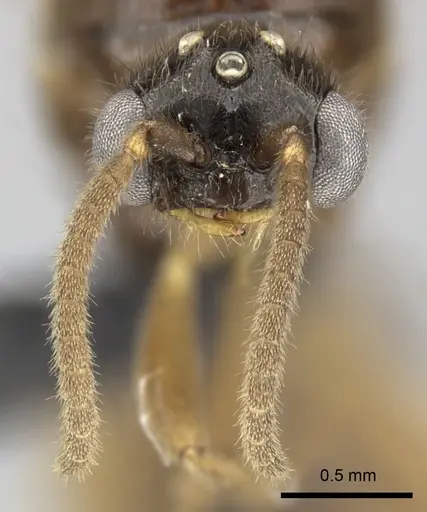
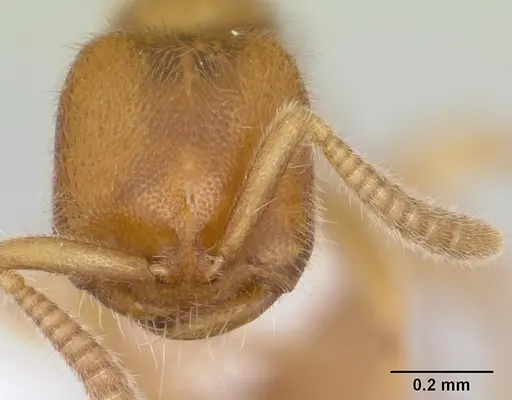
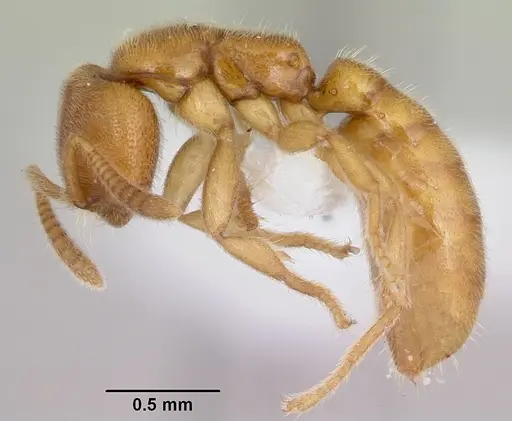
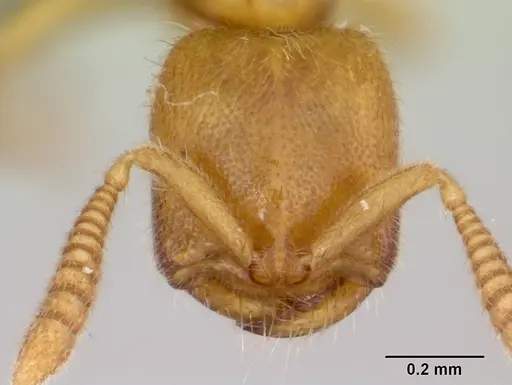
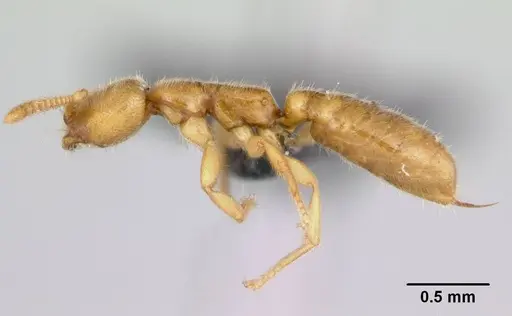
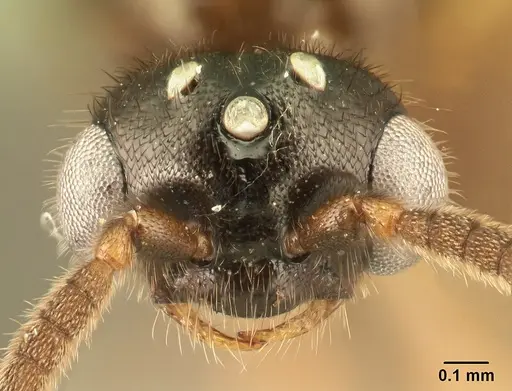
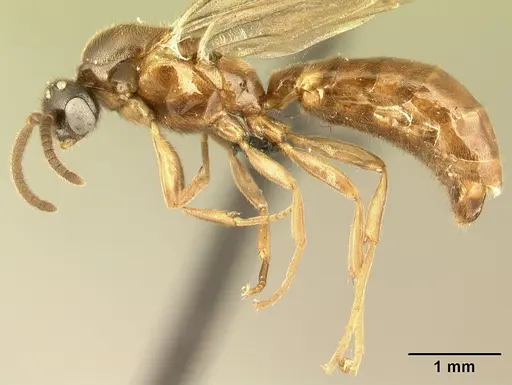
These tiny ants from Madagascar are instantly recognizable by their compact, almost square heads that earned them the name "caputleae", meaning lioness head [1]. Workers measure just a few millimeters with heads under 1mm wide, sporting distinctive curved mandibles with two apical teeth and three basal denticles [1][2]. They inhabit the montane rainforests of Madagascar's Antananarivo province at elevations around 1300 meters, where they nest inside rotten logs [1].
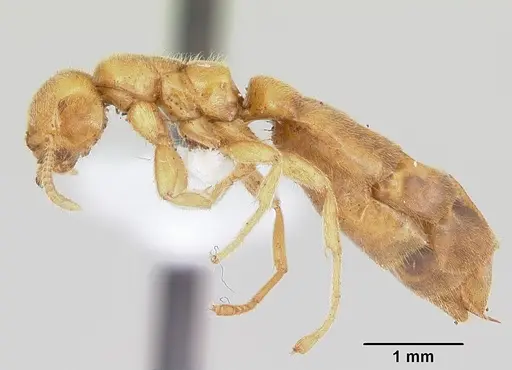
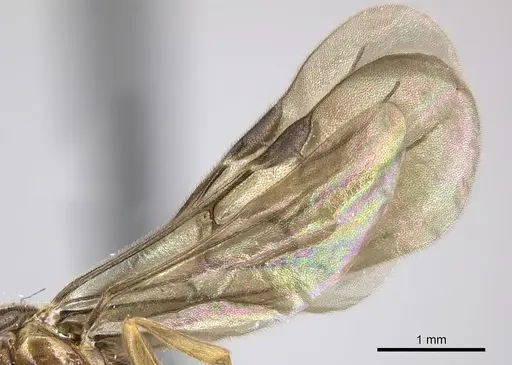
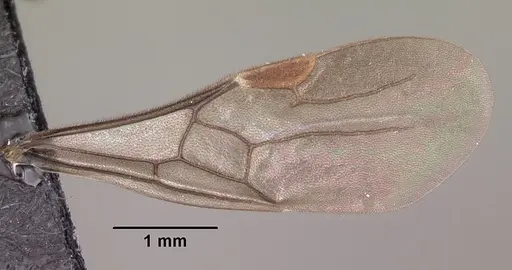
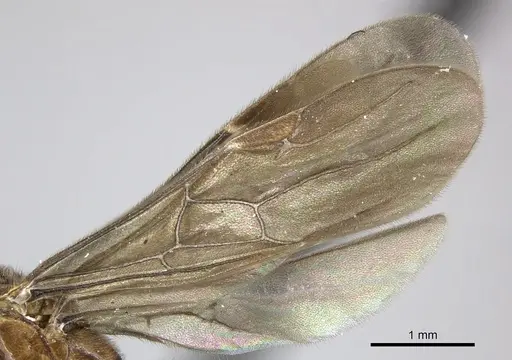
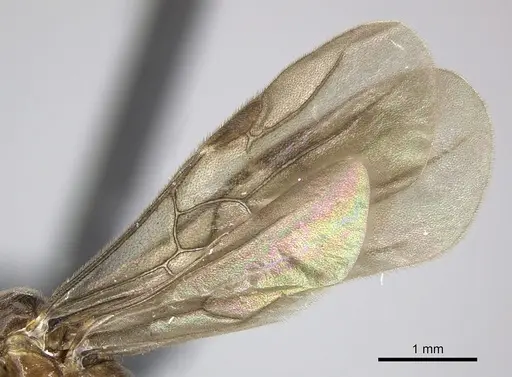
What makes this species unusual even among ants is their completely wingless reproductive caste. Unlike most ants where queens have wings for mating flights, Adetomyrma caputleae produces ergatoid queens, wingless, worker-like reproductives with only vestigial eyes of about seven facets [1]. These chunky queens are noticeably larger than workers but lack the typical queen appearance, making them easy to mistake for large workers until you spot their reproductive features [1].
Quick Summary
- Difficulty: Expert
- Origin & Habitat: Madagascar, montane rainforest at 1300m elevation, nesting in rotten logs [1].
- Colony Type: Single-queen colonies with ergatoid (wingless) reproductives [1].
- Colony: Monogyne
- Size & Growth:
- Queen: 10-12mm estimated (HL 0.92-1.07mm, HW 1.05-1.18mm) [1].
- Worker: 3-4mm estimated (HL 0.57-0.72mm, HW 0.53-0.7mm) [1][2].
- Colony: Unknown, likely under 100 workers based on Amblyoponinae patterns.
- Growth: Slow
- Development: Unknown, likely 8-12 weeks based on related Amblyoponinae patterns. (Development time unconfirmed, estimate assumes temperatures around 24°C.)
- Antkeeping:
- Temperature: Found in montane rainforest at 1300m [1]. Start around 20-24°C with a gentle gradient and adjust based on activity levels.
- Humidity: High humidity required, nest in damp rotten wood conditions [1]. Keep substrate consistently moist but not waterlogged.
- Diapause: Unknown, likely not required but seasonal cooling may reduce activity.
- Nesting: Naturalistic setup with rotten wood or softwood nest blocks, tight chambers scaled to their tiny size [1].
- Behavior: Cryptic, slow-moving soil predators. Tiny size under 1mm head width requires excellent escape prevention [1][2].
- Common Issues: extremely rare in captivity with no documented captive breeding success., tiny head width under 1mm means standard mesh barriers may fail [2]., specialized predatory diet likely required, may not accept standard sugar sources., montane origin means they may suffer in hot lowland conditions above 26°C.
Natural History and Distribution
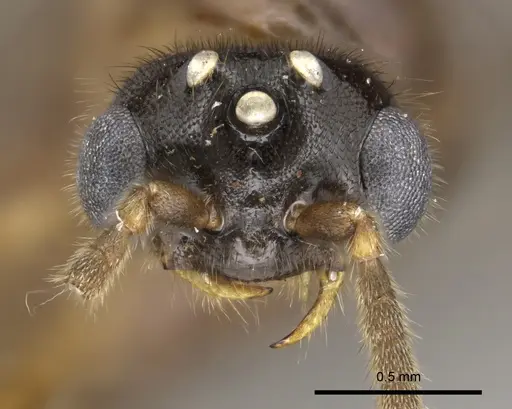
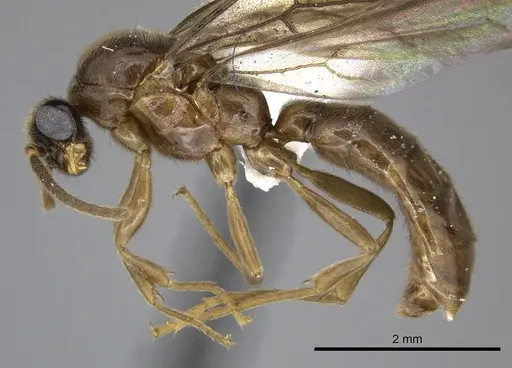
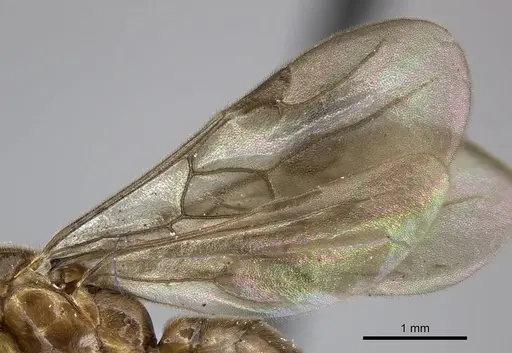
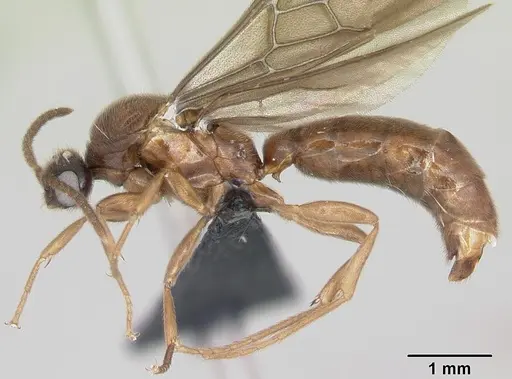
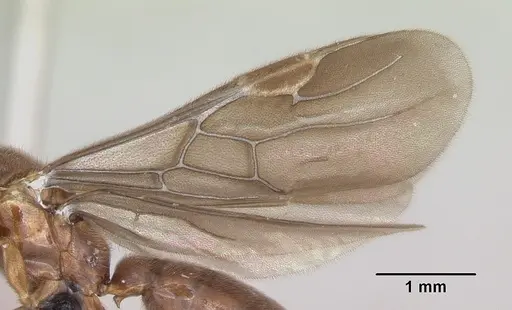
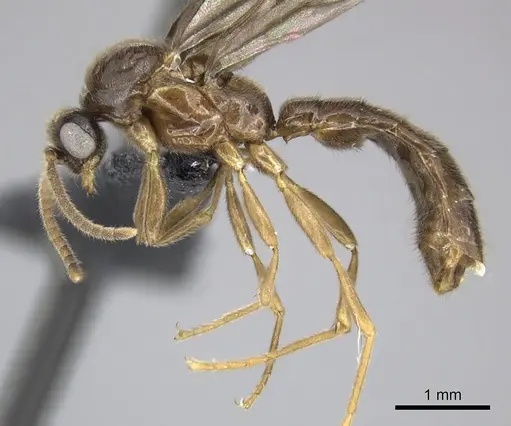
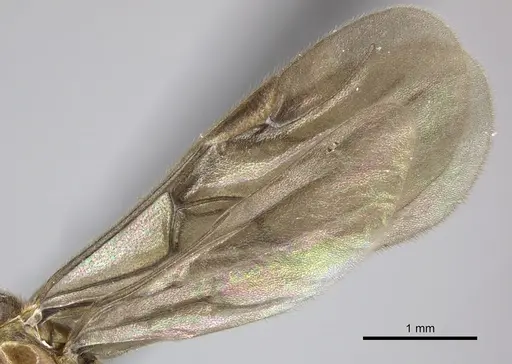
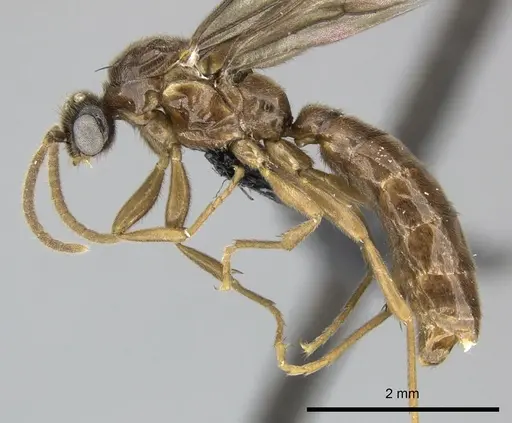
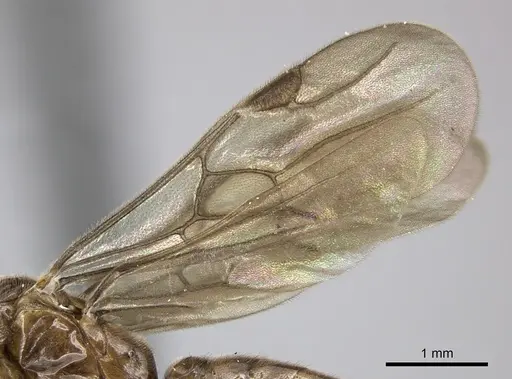
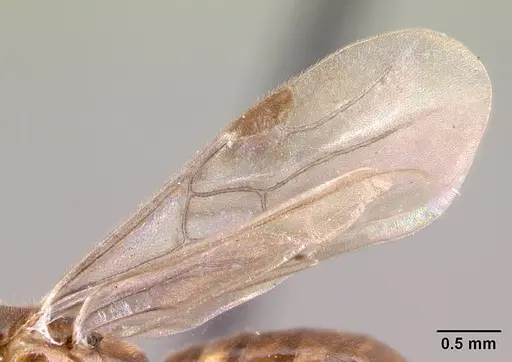
Adetomyrma caputleae is endemic to Madagascar, specifically collected from the Antananarivo province at 1300 meters elevation in montane rainforest [1]. The type series was collected from inside a rotten log, indicating these ants prefer decaying wood in humid forest conditions [1]. They belong to the XMMAS clade of Amblyoponinae, a group of specialized predatory ants sometimes called "dracula ants" [3]. The species shows geographic variation in male size and wing color across different populations, though these are considered intraspecific variations rather than distinct species [1].
Nest Preferences
In nature they nest in rotten logs in montane rainforest [1]. For captive keeping, replicate these conditions with a naturalistic setup containing soft, decaying wood or porous softwood nest blocks. The chambers must be tight and small, remember their heads are under 1mm wide [2]. Avoid tall, open spaces that stress small ants. Maintain high humidity by keeping the nest substrate damp but not soaked, mimicking the moist interior of a rotting log [1].
Feeding and Diet
As members of the Amblyoponinae subfamily, these are specialized predators rather than generalist foragers. They likely hunt small soil arthropods such as springtails, mites, and possibly small centipedes or insect larvae. Offer tiny live prey like fruit flies, springtails, or pinhead crickets. Acceptance of sugar water or honey is unconfirmed, do not rely on liquid carbohydrates until you confirm your colony will accept them. Feed small amounts frequently rather than large prey items that could overwhelm their tiny colonies.
Temperature and Humidity
Their montane rainforest origin at 1300 meters elevation suggests they prefer cooler conditions than typical lowland tropical ants [1]. Start with temperatures around 20-24°C and observe their behavior. If workers cluster near a heat source, increase slightly, if they avoid warm areas, reduce heat. Maintain high humidity by using a water tower or moist substrate, but ensure adequate ventilation to prevent mold growth in their small nest chambers [1].
Ergatoid Queens and Reproduction
This species produces ergatoid queens, wingless reproductives that look like large workers [1]. These queens have tiny eyes with only about seven ommatidia and lack the large compound eyes seen in winged queens of other ant species [1]. This wingless condition is typical for the genus Adetomyrma and suggests mating occurs within the nest or on the ground near the colony, rather than during nuptial flights. Colonies are likely single-queen (monogyne) based on patterns in related Amblyoponinae, but this remains unconfirmed.
Captive Availability and Ethics
Adetomyrma caputleae is essentially unavailable in the antkeeping trade and should be considered impossible to obtain legally for private keepers. As a Madagascar endemic with a restricted range, they are protected by local and international regulations. Do not attempt to collect these ants from the wild. Any care information provided here is theoretical based on their biology and related species, as no documented captive breeding success exists for this species.
Frequently Asked Questions
Can I keep Adetomyrma caputleae in a test tube?
While test tubes can work for small species, these ants require high humidity and specialized feeding that makes standard test tube setups challenging. A naturalistic setup with rotten wood is preferred [1].
How long until Adetomyrma caputleae get their first workers?
Unknown. Based on related Amblyoponinae species, expect roughly 8-12 weeks from egg to worker at 24°C, but this is unconfirmed.
What do Adetomyrma caputleae eat?
They are specialized predators likely requiring small live prey such as springtails, mites, or tiny insects. Sugar acceptance is unconfirmed.
Do Adetomyrma caputleae need hibernation?
Unknown. As a tropical montane species, they likely do not require true hibernation but may slow down during cooler periods.
Are Adetomyrma caputleae good for beginners?
No. They are extremely rare, likely have specialized dietary needs, and require expert-level micro-habitat management.
How big do Adetomyrma caputleae colonies get?
Unknown. Based on related Amblyoponinae, likely remain small with under 100 workers.
Do Adetomyrma caputleae sting?
As Amblyoponinae they possess stings, but their extremely small size (heads under 1mm) means they cannot penetrate human skin [2].
Where can I buy Adetomyrma caputleae?
You cannot. This species is endemic to Madagascar and not available in the antkeeping trade. Attempting to collect them would violate conservation laws.
References

This caresheet is licensed under CC BY-SA 4.0 .
ANTWEB1008494
View on AntWeb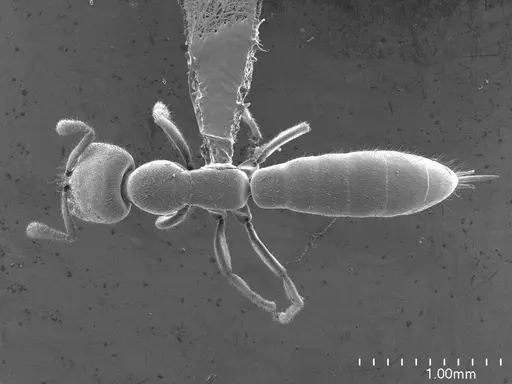
CASENT0004350
View on AntWeb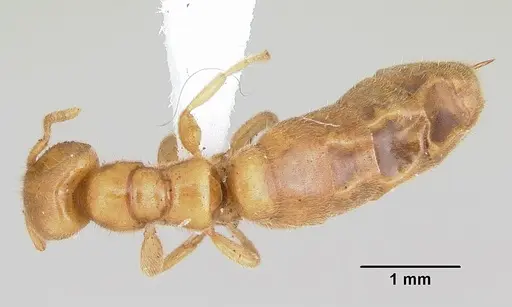
CASENT0004352
View on AntWeb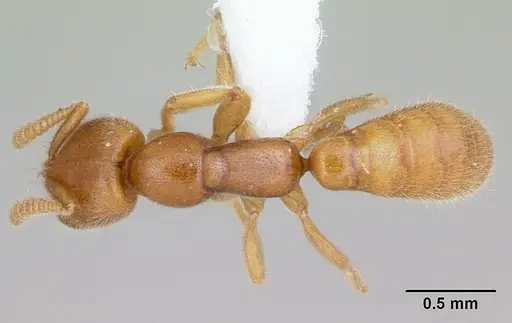
CASENT0004353
View on AntWeb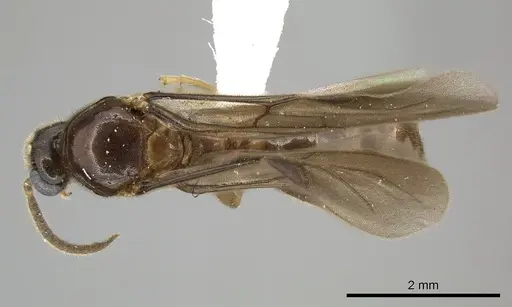
CASENT0004358
View on AntWeb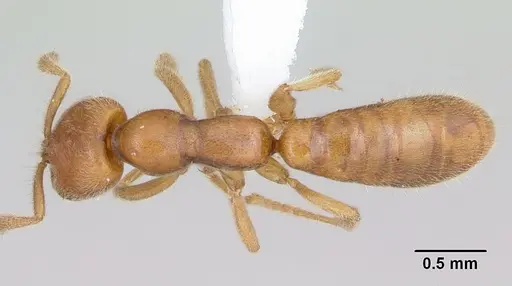
CASENT0008688
View on AntWeb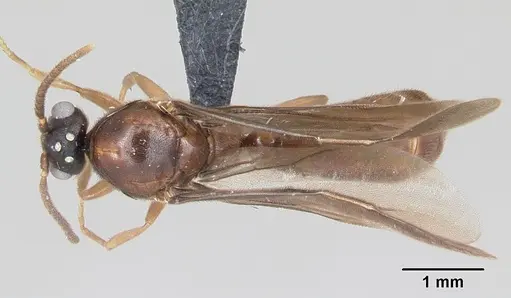
CASENT0011473
View on AntWeb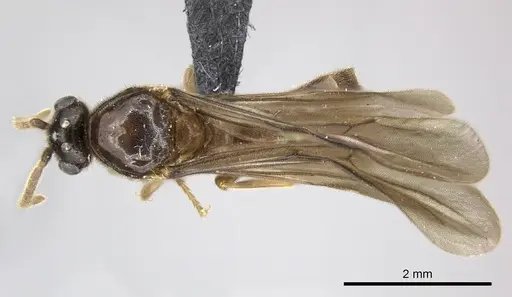
CASENT0079552
View on AntWeb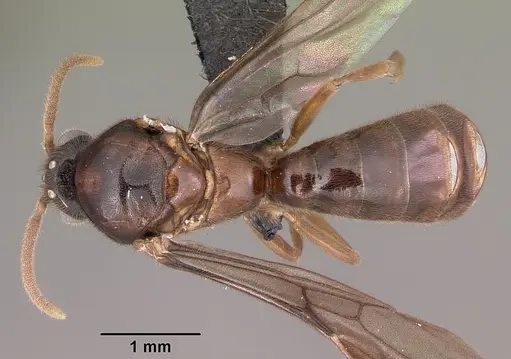
CASENT0218011
View on AntWeb
CASENT0218013
View on AntWeb
CASENT0227978
View on AntWeb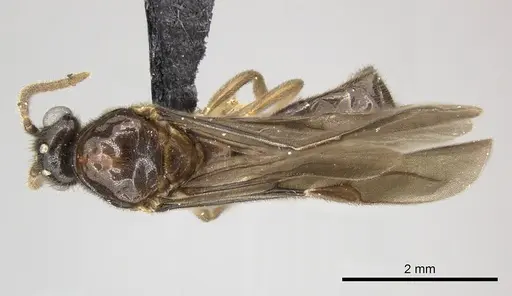
CASENT0227979
View on AntWeb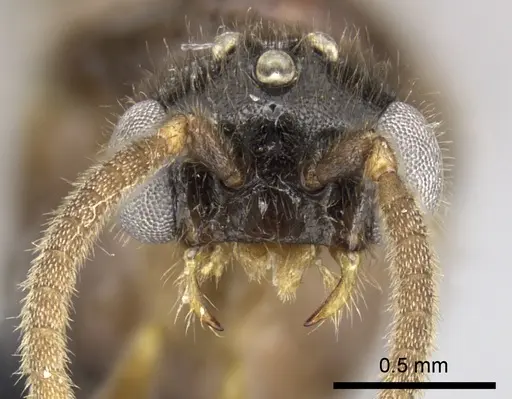
CASENT0227980
View on AntWeb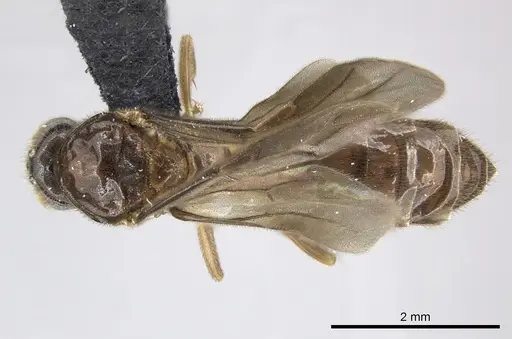
CASENT0227992
View on AntWeb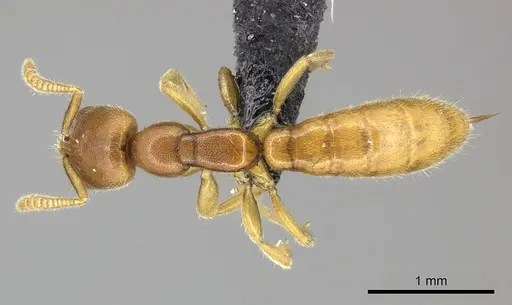
CASENT0227993
View on AntWeb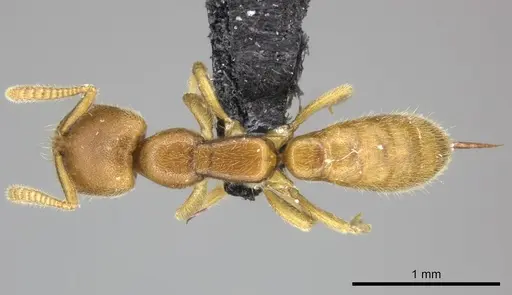
CASENT0227994
View on AntWeb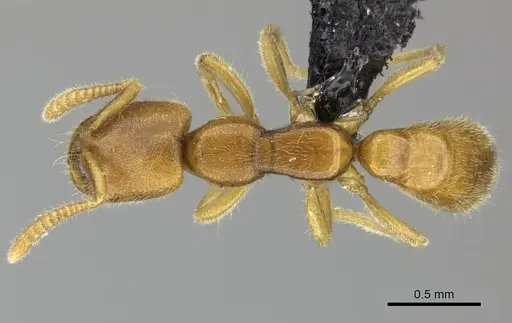
CASENT0227995
View on AntWeb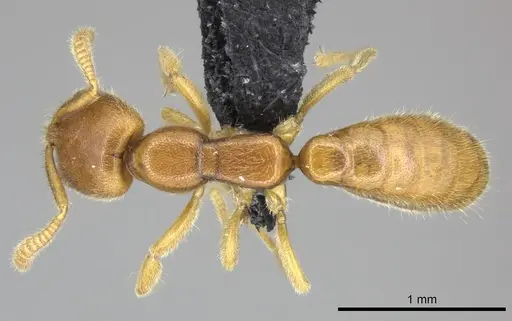
CASENT0227996
View on AntWeb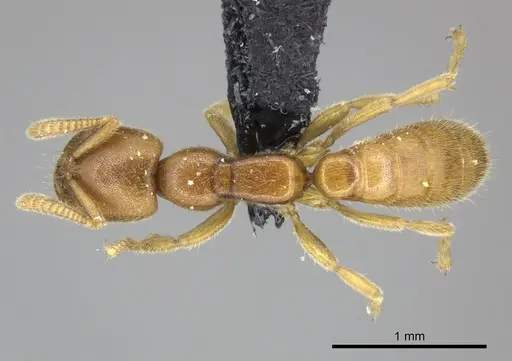
CASENT0227997
View on AntWeb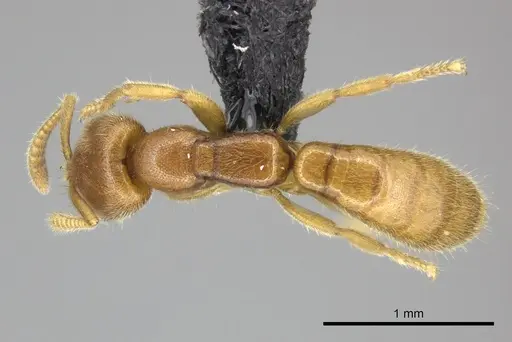
CASENT0227998
View on AntWeb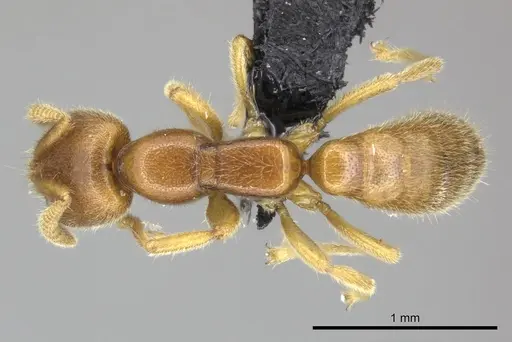
CASENT0227999
View on AntWeb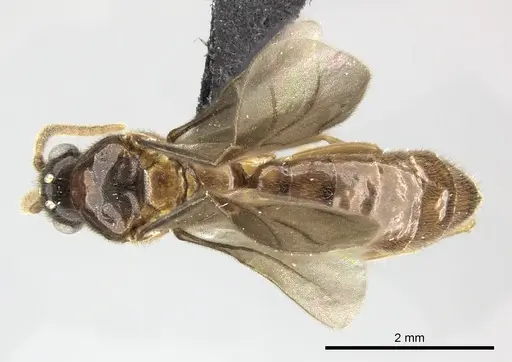
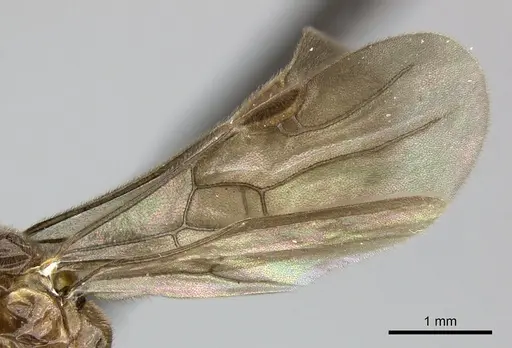
CASENT0247048
View on AntWeb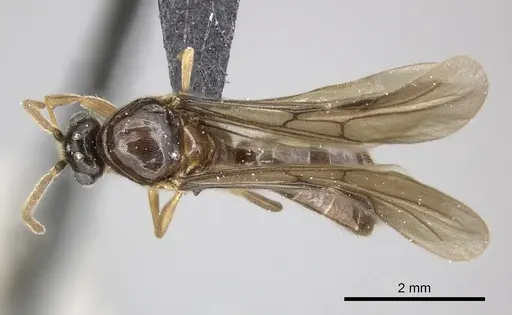
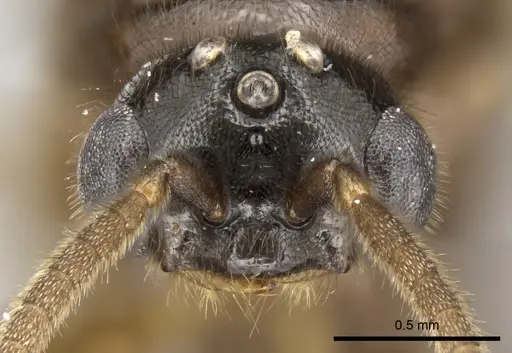
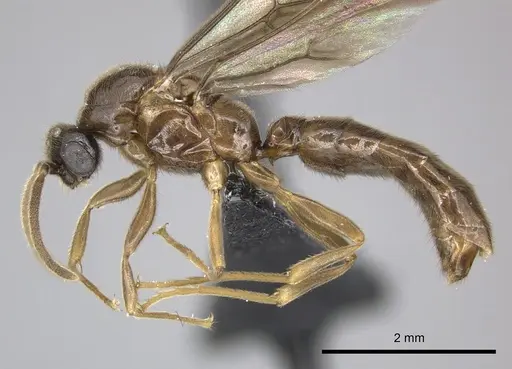
CASENT0410493
View on AntWeb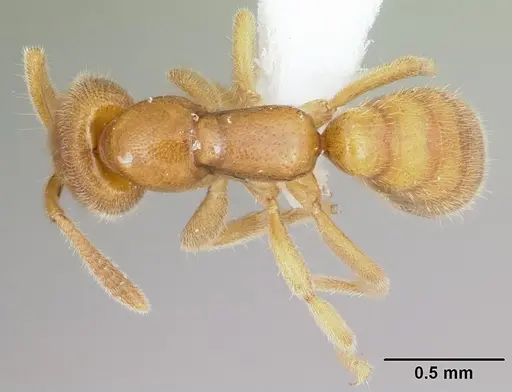
CASENT0491481
View on AntWeb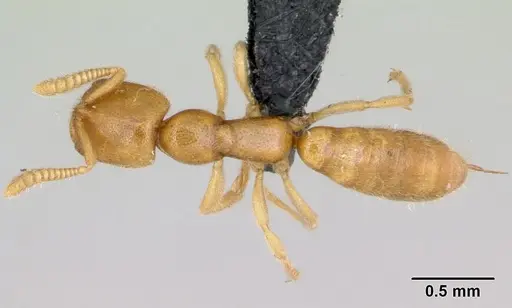
CASENT0493920
View on AntWeb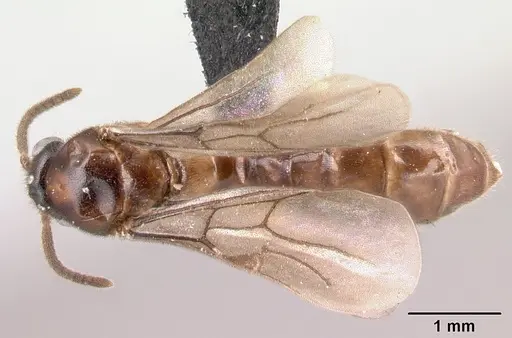
Literature
Loading...Loading products...