

Adelomyrmex tristani
- Scientific Name
- Adelomyrmex tristani
- Tribe
- Solenopsidini
- Subfamily
- Myrmicinae
- Author
- Menozzi, 1931
- Distribution
- Found in 7 countries
Adelomyrmex tristani Overview
Adelomyrmex tristani is an ant species of the genus Adelomyrmex. It is primarily documented in 7 countries , including Colombia, Costa Rica, Guatemala. Detailed taxonomic data and occurrence records can be further explored via authoritative databases such as AntWeb or the Global Biodiversity Information Facility (GBIF).
Adelomyrmex tristani
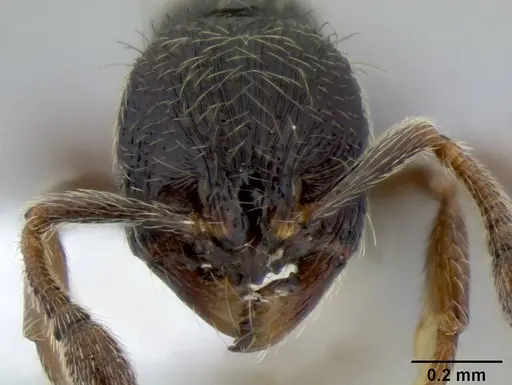
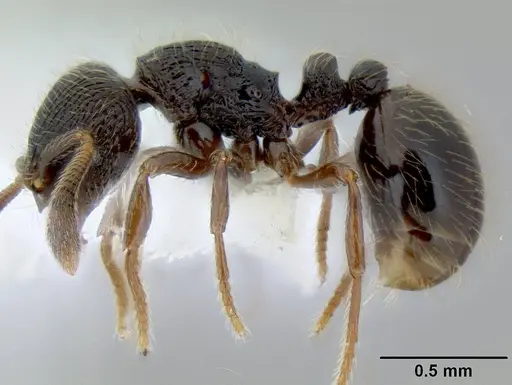
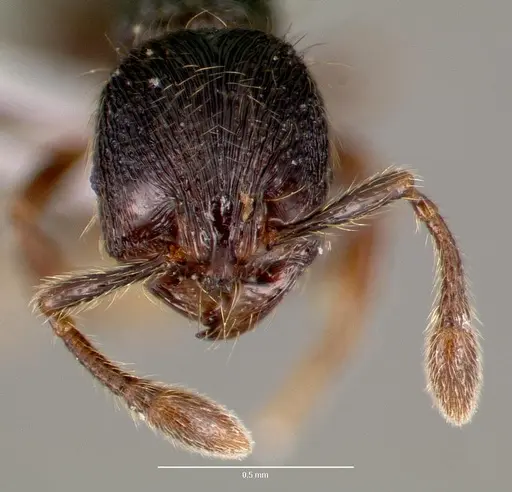
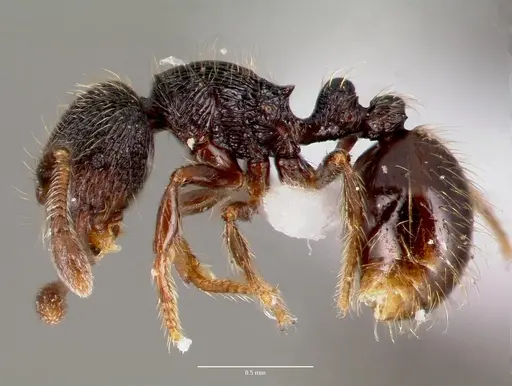
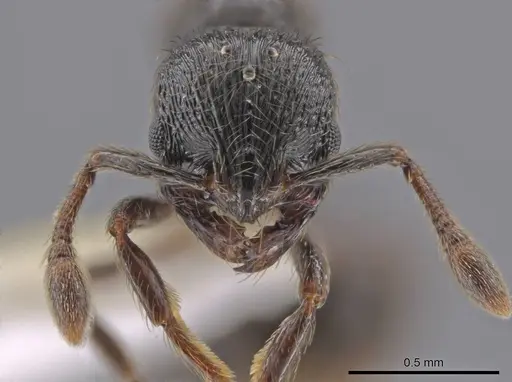
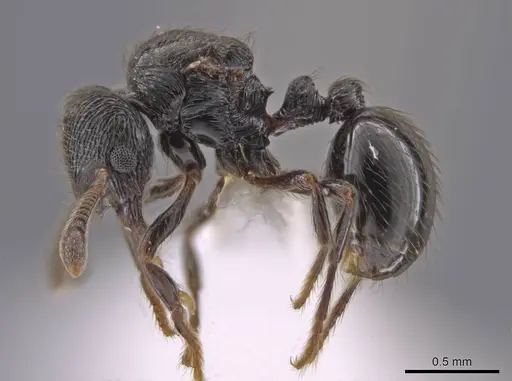
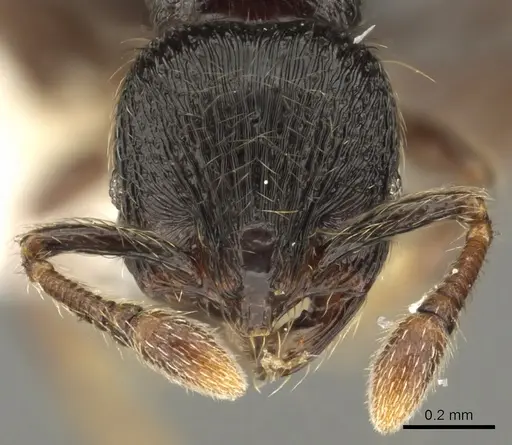
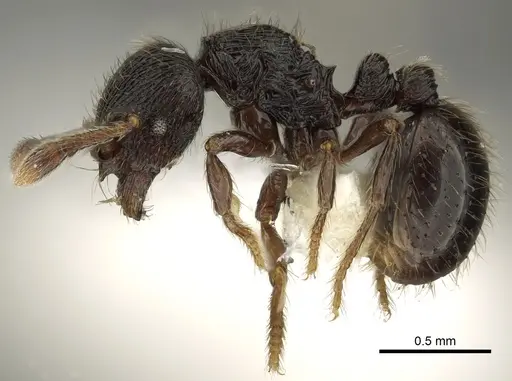
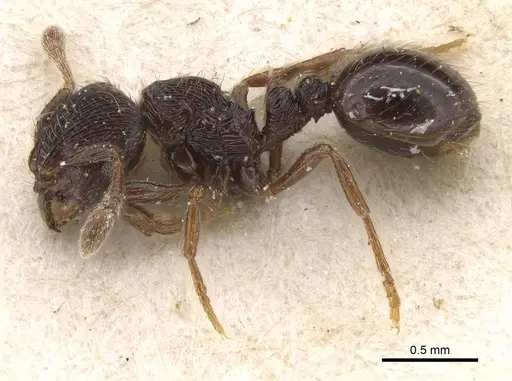
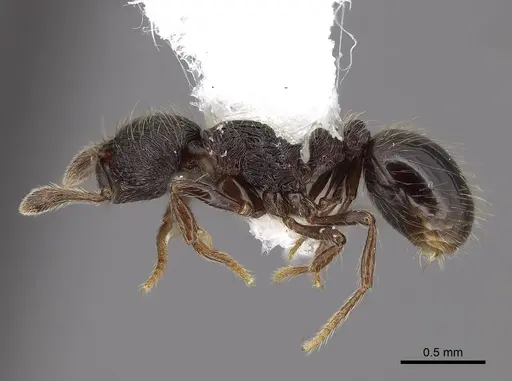
Adelomyrmex tristani are tiny ants, with workers measuring just 2.0-2.8 mm in length and dark brown to black in color [1]. They inhabit the cloud forests of Central America, found from southern Mexico through Costa Rica at elevations between 1500-2700 meters, where they live in the leaf litter and rotting wood of these cool, wet mountain forests [2]. Interestingly, males of this species have never been collected despite extensive sampling, and the species shows such high morphological variation across its range that it may actually represent multiple cryptic species [2]. They often occur alongside the similar-looking Adelomyrmex paratristani, with which they share habitat in the northern parts of their range [2].
Quick Summary
- Difficulty: Expert
- Origin & Habitat: Cloud forests of Central America (Mexico to Costa Rica),1500-2700m elevation in leaf litter and rotting wood [2]
- Colony Type: Unknown, likely small colonies based on litter-dwelling ecology, but not confirmed
- Size & Growth:
- Queen: Approximately 3.2 mm total length, head width 0.66 mm [3]
- Worker: 2.0-2.8 mm total length, head width 0.45-0.65 mm [1][4]
- Colony: Unknown, likely small (under 100 workers) based on typical litter ant ecology
- Growth: Unknown, likely slow given cool habitat
- Development: Unknown, no data available (Development time has not been documented for this species)
- Antkeeping:
- Temperature: Cool and stable, approximately 15-20°C based on high elevation cloud forest origin [2]. Avoid temperatures above 24°C.
- Humidity: High humidity required, nest substrate should remain consistently damp but not waterlogged, mimicking cloud forest litter conditions [2]
- Diapause: Unknown, likely slow down or cease brood production during cooler months given their mountain habitat
- Nesting: Small chambers in damp substrate, naturalistic setups with leaf litter and rotting wood, or small plaster nests with tight spaces [2]
- Behavior: Slow-moving, cryptic litter dweller, non-aggressive, escape risk is extreme due to tiny size (under 3mm) requiring excellent barriers [2]
- Common Issues: extremely small size means they can escape through the tiniest gaps in standard formicariums., cool temperature requirements are difficult to maintain in warm climates without active cooling., founding behavior is completely unknown, no documented captive founding success., high humidity requirements increase risk of mold and mite infestations., obscure species with virtually no captive care documentation.
Cloud Forest Habitat and Natural History
Adelomyrmex tristani is a classic cloud forest ant, most abundant between 1500-2000 meters elevation where it occurs in up to 70% of quantitative litter samples in some areas [2]. They have been found as high as 2700 meters at Cerro Huitepec in Chiapas, Mexico [2]. In nature, they inhabit the constantly damp leaf litter and rotting wood of these montane forests, never experiencing the heat of lowland tropics. They are most commonly collected using Winkler extraction methods, which sample the leaf litter layer where these ants live [2]. Occasionally they visit baits, suggesting some generalist foraging behavior, but they are primarily cryptic dwellers in the forest floor microhabitat [2].
Identification and Geographic Variation
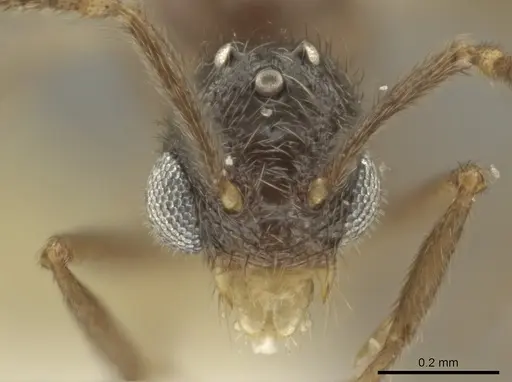
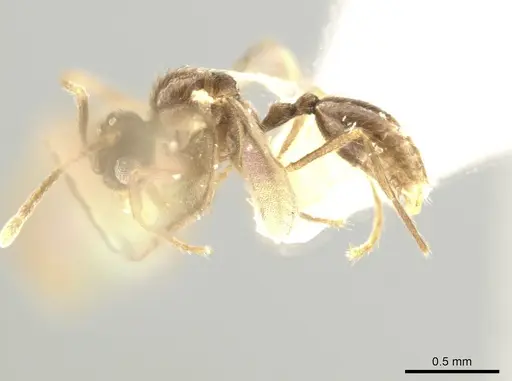
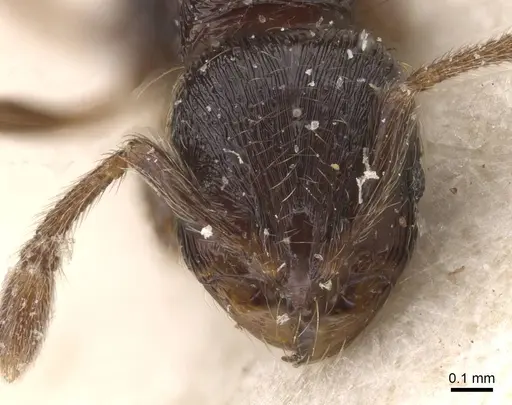
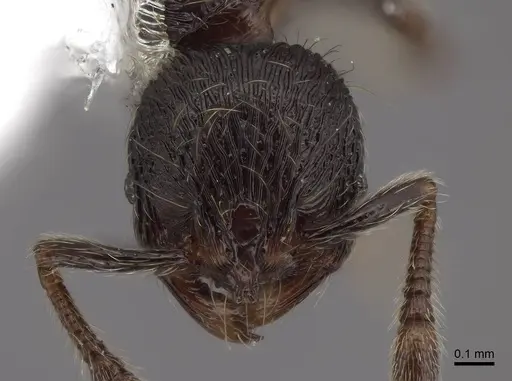
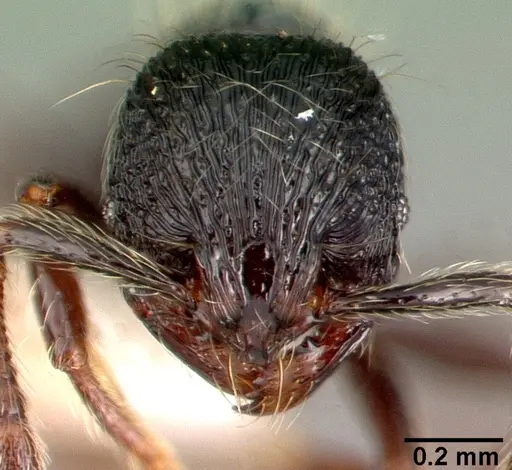
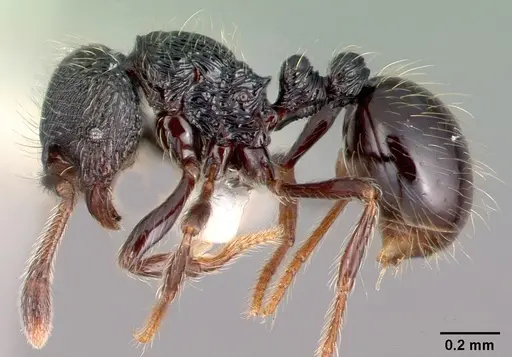
These ants are highly variable across their range, leading to past confusion with the related Adelomyrmex tristani, which has now been synonymized under A. tristani [2]. Workers are small (2-2.8 mm), dark colored, with longitudinal striations on the head and promesonotum, and short propodeal spines [1]. Where their range overlaps with A. paratristani in Central America, A. tristani tends to be smaller with shorter, denser, more reclining hairs, while A. paratristani is larger with longer, sparser, more erect hairs [2]. Queens of A. tristani have a largely smooth and shining mesonotum where the ranges overlap, though southern populations show different sculpturing [2]. You will need excellent magnification to identify and observe these tiny ants.
Housing and Nest Setup
Given their tiny size (workers under 3 mm), standard formicariums are unsuitable. You will need setups with extremely small chambers and tight-fitting lids. A naturalistic setup with actual cloud forest leaf litter, rotting wood pieces, and a drainage layer works best to maintain the high humidity they require while providing familiar textures [2]. If using an artificial nest, choose one with very small chambers (5-10 mm maximum) and plaster or ytong that can hold moisture. The nest must maintain damp conditions continuously, think forest floor after rain, not slightly moist. However, ensure adequate ventilation to prevent stagnant air and mold, as cloud forests have moving air despite the humidity.
Temperature and Environmental Control
Based on their collection at 1500-2700 meters in cloud forests, these ants require cool, stable temperatures between approximately 15-20°C [2]. They likely experience minimal temperature fluctuation in their native habitat. You should avoid keeping them at standard room temperature (22-25°C) especially in warmer climates, as this may stress or kill them. If you cannot provide naturally cool conditions, you will need to use cooling devices or keep them in basement areas. Whether they require a true diapause period is unknown, but you should expect reduced activity and possibly brood production cessation during winter months.
Feeding and Diet
While specific dietary studies are lacking, their occurrence at baits suggests they accept sugar sources [2]. As small Myrmicinae ants, they likely prey on or scavenge tiny arthropods in the leaf litter. In captivity, offer small live prey such as springtails, minute soil mites, or very small fruit fly larvae. They may also accept diluted honey or sugar water, but protein is likely essential for brood development. Feed small amounts frequently rather than large prey items that could mold in the humid environment.
Captive Challenges and Breeding
This species presents extreme challenges for antkeepers. First, founding behavior is completely unknown, no one has documented whether queens seal themselves in (claustral) or need to forage (semi-claustral), or even how to successfully found colonies in captivity [3]. Second, their minute size makes escape prevention nearly impossible with standard setups. Third, their cool temperature requirements are difficult to maintain. Finally, males have never been collected in the wild, suggesting either extremely rare male production, unusual reproductive biology, or that they are produced seasonally in ways not yet observed [2]. This is not a species for beginners or even most experienced keepers.
Frequently Asked Questions
Can I keep Adelomyrmex tristani in a test tube?
Yes, test tubes can work for founding if you can maintain cool temperatures (15-20°C), but the water reservoir must be very small to avoid drowning these tiny ants. You will need extremely fine mesh or cotton plugs to prevent escapes, as workers are only 2-3 mm long.
What temperature do Adelomyrmex tristani need?
Keep them cool and stable, around 15-20°C, based on their cloud forest origin at 1500-2700 meters elevation [2]. Avoid temperatures above 24°C.
How long until Adelomyrmex tristani get their first workers?
The egg-to-worker timeline is completely unknown for this species. No captive founding has been documented, so there is no data on development speed.
Do Adelomyrmex tristani need hibernation?
It is unknown whether they require true hibernation, but you should expect reduced activity during winter months and potentially cease brood production when temperatures drop, mimicking their natural mountain habitat.
How big do Adelomyrmex tristani colonies get?
Colony size is unknown, but based on their ecology as litter-dwelling ants, they likely remain small, possibly under 100 workers.
What do Adelomyrmex tristani eat?
They have been observed at baits in the wild, suggesting they accept sugars [2]. In captivity, offer tiny live prey like springtails and small arthropods, plus diluted sugar water.
Are Adelomyrmex tristani good for beginners?
No. They are an expert-level species due to their tiny size, specific cool temperature requirements, unknown founding biology, and lack of captive care documentation.
How do I prevent escapes with Adelomyrmex tristani?
Use barriers like Fluon (PTFE) applied carefully to all surfaces, extremely fine mesh (under 0.5 mm), and tight-fitting lids. Their 2-3 mm size means they can fit through almost any gap.
Can I keep multiple Adelomyrmex tristani queens together?
Combining multiple queens is not recommended. Their colony structure is unknown, and attempting to combine unrelated queens risks fighting or rejection.
Why have males never been collected for Adelomyrmex tristani?
This remains a mystery. Males may be produced extremely rarely, seasonally, or the species may have unusual reproductive biology not yet observed [2].
References

This caresheet is licensed under CC BY-SA 4.0 .
BIOUG01261-H07
View on AntWeb

BIOUG01263-C10
View on AntWeb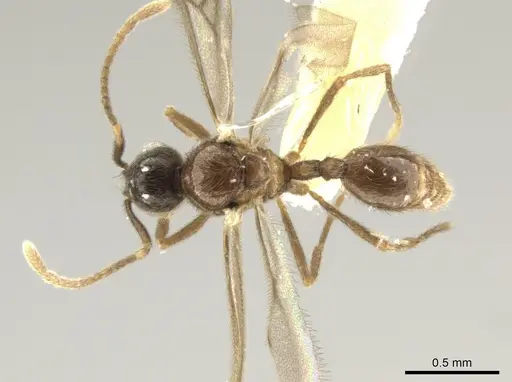
CASENT0106201
View on AntWeb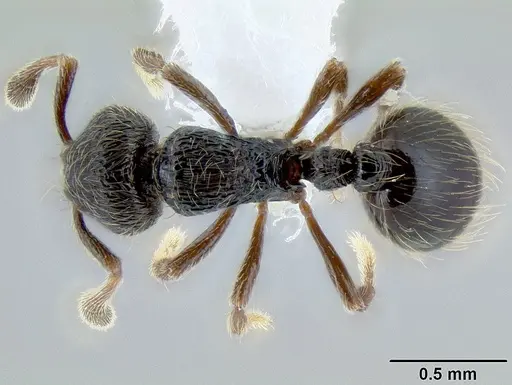
CASENT0428612
View on AntWeb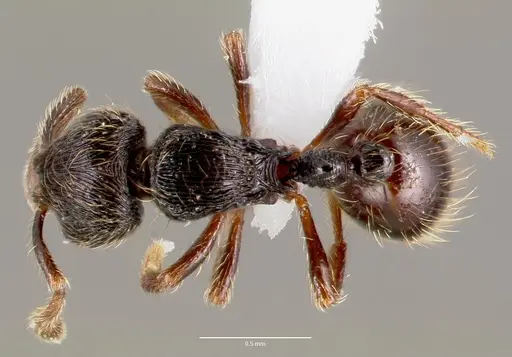
CASENT0631316
View on AntWeb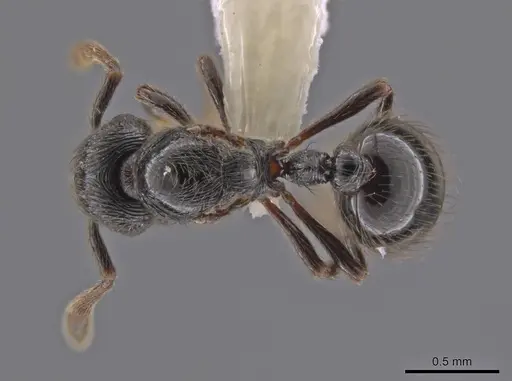
CASENT0901018
View on AntWeb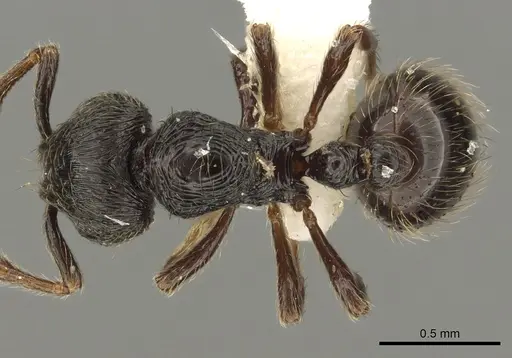
CASENT0913951
View on AntWeb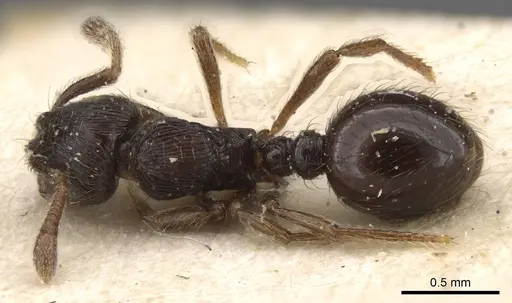
FMNHINS0000046878
View on AntWeb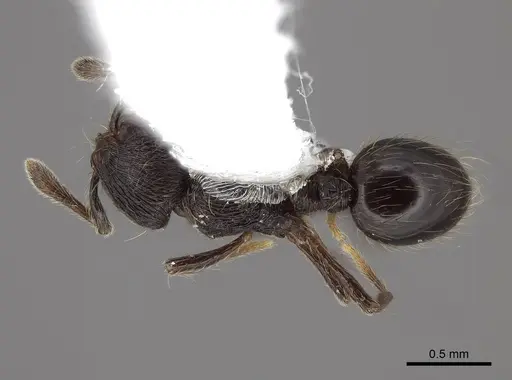
PSW7832-16
View on AntWeb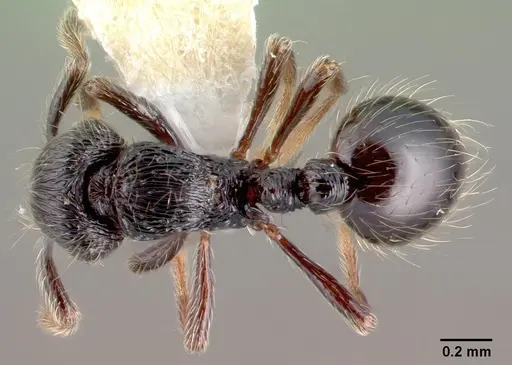
Literature
Loading...Loading products...