

Adelomyrmex silvestrii
- Scientific Name
- Adelomyrmex silvestrii
- Tribe
- Solenopsidini
- Subfamily
- Myrmicinae
- Author
- Menozzi, 1931
- Distribution
- Found in 5 countries
Adelomyrmex silvestrii Overview
Adelomyrmex silvestrii is an ant species of the genus Adelomyrmex. It is primarily documented in 5 countries , including Costa Rica, Guatemala, Honduras. Detailed taxonomic data and occurrence records can be further explored via authoritative databases such as AntWeb or the Global Biodiversity Information Facility (GBIF).
Adelomyrmex silvestrii
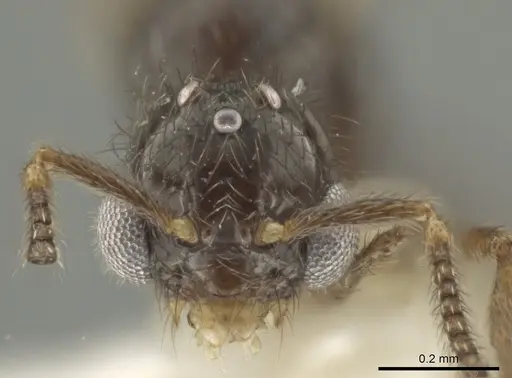
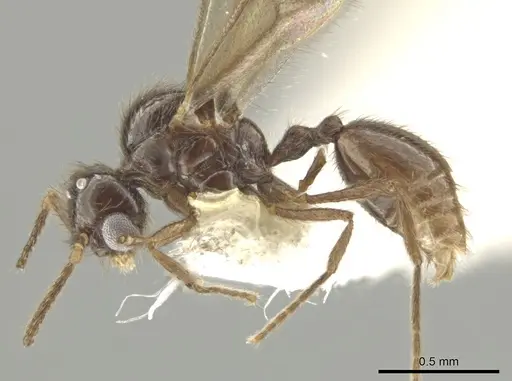
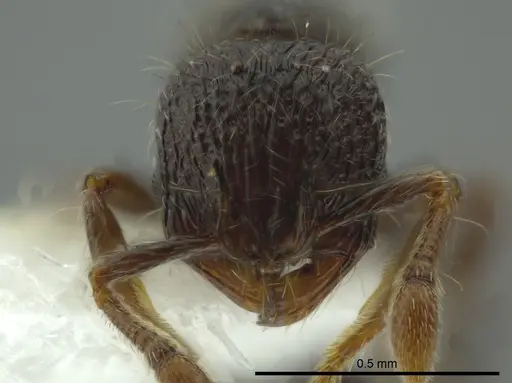
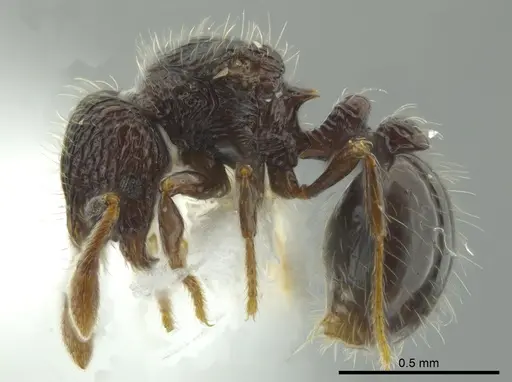
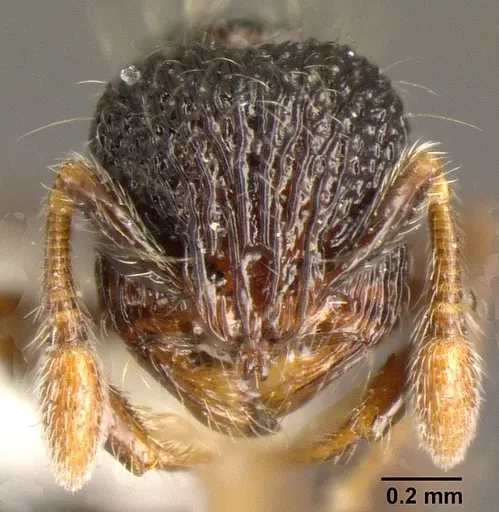
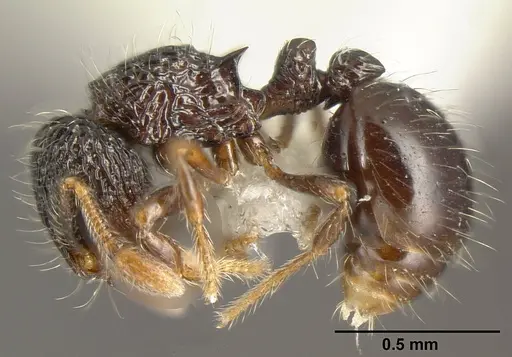
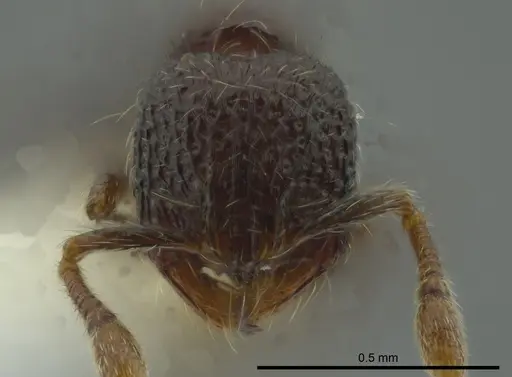
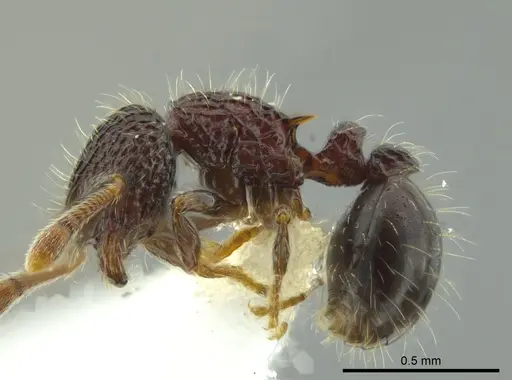
Adelomyrmex silvestrii is one of the smallest ants you will encounter in the leaf litter of Mesoamerica. Workers measure just 2.3 to 2.4 millimeters long with dark brown to black bodies and lighter yellowish legs [1]. They are instantly recognizable within their genus by the unique shape of their postpetiole, a little node that extends backward over the gaster like a tiny blunt point [1][2].
Here is what makes this species truly mysterious: despite being incredibly abundant in scientific surveys, showing up in over 70% of leaf litter samples across their range, nobody has ever found a nest [2]. Researchers catch thousands in miniWinkler extractors, but the actual nesting site remains completely unknown. This makes them one of the most challenging species to keep in captivity, as we must guess at their natural housing preferences.
Quick Summary
- Difficulty: Expert
- Origin & Habitat: Mesoamerica from northern Mexico (Tamaulipas) to Costa Rica [2][1]. Found in leaf litter of forests from sea level to 1700 meter elevation cloud forest, in habitats ranging from wet rainforest to seasonally dry forest [2]. Ground-dwelling species collected exclusively in litter samples [3].
- Colony Type: Unconfirmed, colony structure unknown. No nests have ever been reported in the wild despite high abundance in samples [2]. Likely small colonies based on leaf litter lifestyle, but this is speculative.
- Size & Growth:
- Queen: Unmeasured in scientific literature, but described as slightly larger than workers with typical queen characteristics (larger eyes, ocelli, expanded thorax) [2].
- Worker: 2.30-2.35 mm total length [1].
- Colony: Unknown, likely small (estimated under 100 workers) based on cryptic leaf litter habits, but this is speculative [2].
- Growth: Unknown, likely slow given small body size.
- Development: Unknown, estimated 6-10 weeks based on typical patterns for small Myrmicinae ants at 24-26°C. (Timeline is speculative. Nanitic workers (first generation) may emerge faster than subsequent workers.)
- Antkeeping:
- Temperature: 22-26°C with a gentle gradient. Based on their wide elevational range (sea level to 1700m cloud forest), they tolerate moderate temperatures but likely prefer stable warmth [2]. Start at 24°C and adjust based on activity levels.
- Humidity: Moderate to damp substrate. Their habitats range from wet to seasonally dry forest, so they tolerate some variation, but keep the nest material slightly moist to the touch, not wet, not dry [2].
- Diapause: No. Tropical species from Mexico to Costa Rica do not require hibernation [2].
- Nesting: Unknown in nature. In captivity, use small-chambered naturalistic setups with fine soil or leaf litter substrate. Avoid large open spaces. Tight, narrow cavities likely preferred based on cryptic habits.
- Behavior: Cryptic and ground-dwelling. They likely forage slowly in leaf litter and are not aggressive given their minute size [3]. Extremely high escape risk due to tiny size, they can pass through gaps that stop larger ants.
- Common Issues: extremely small size (2.3mm) means they escape through mesh barriers and gaps that contain larger ants, you need specialized fine barriers., unknown natural nesting requirements make captive housing experimental and high-risk., likely sensitive to disturbance and light due to cryptic leaf litter lifestyle., overfeeding causes mold outbreaks and poisoning in small colonies, offer minimal food until colony size establishes., dehydration risk due to small body size, maintain consistent humidity without waterlogging.
The Nesting Mystery
Adelomyrmex silvestrii presents a unique challenge for antkeepers: despite being one of the most abundant ants in Mesoamerican leaf litter surveys, appearing in over 70% of quantitative samples, researchers have never located a nest [2]. This means we do not know if they live in soil crevices, rotting wood, under stones, or within the leaf litter layers themselves.
For captive care, this requires experimentation. Based on their collection method (miniWinkler leaf litter extraction) and ground-dwelling classification [3], they likely inhabit small cavities in soil or compact leaf litter. In captivity, avoid standard test tubes with large open spaces. Instead, provide tight, narrow chambers with fine substrate. A naturalistic setup with layered leaf litter and fine soil over a plaster or Y-tong base may replicate their cryptic microhabitat. Keep chamber heights low, these tiny ants may feel exposed in tall spaces.
Housing and Escape Prevention
At just 2.3 millimeters long, Adelomyrmex silvestrii workers pass through barriers that stop most other ants [1]. Standard steel mesh (typically 1mm gaps) is far too large. You need extremely fine barriers, fine nylon mesh (mosquito netting grade) or glass with Fluon barriers applied meticulously.
Use small, secure containers. Acrylic nests with tight-fitting lids are essential. Even tiny gaps in tubing connections or lid seals will result in escapes. Work inside a larger 'moat' container lined with Fluon or talcum powder barriers as backup protection when opening the nest.
For the nest itself, provide small chambers (5-10mm diameter) connected by narrow tunnels. They likely prefer darkness, so cover the nest with aluminum foil or place it in a dark drawer, using the outworld for observation only.
Temperature and Humidity
These ants inhabit an impressive range of elevations, from sea level up to 1700 meters in cloud forest [2]. This suggests they tolerate moderate temperatures but probably thrive in the low-to-mid 20s Celsius. Keep them at 22-26°C with a slight gradient (warmer on one side).
Humidity requirements are flexible based on their habitat range from wet to seasonally dry forest [2]. In captivity, maintain slightly damp substrate, think forest floor moisture, not swamp. The substrate should feel cool and moist to the touch but not drip water. Small species dehydrate quickly, so consistent moderate humidity is safer than dry conditions.
Feeding and Diet
No specific dietary studies exist for Adelomyrmex silvestrii. As small Myrmicinae ants, they are likely generalist predators and scavengers of tiny soil arthropods. In captivity, offer prey smaller than themselves, springtails, minute soil mites, or the smallest fruit fly larvae.
Protein is likely essential. Offer tiny amounts of fresh-killed or live prey twice weekly. Remove uneaten food within 24 hours to prevent mold, which is a serious threat in small colonies. Sugar acceptance is unknown, offer diluted honey water or sugar water on a tiny cotton ball occasionally, but do not rely on it as a staple until acceptance is confirmed.
Because colony sizes are likely small, avoid overfeeding. A single large springtail may feed a colony for days.
Colony Founding
Founding behavior is completely unconfirmed for this species. Most Myrmicinae ants are claustral, meaning the queen seals herself in and raises the first workers on stored fat reserves. However, without observation of wild nests or captive founding attempts, we cannot assume this for Adelomyrmex silvestrii.
If you obtain a queen, treat her as potentially claustral but monitor carefully. Provide a small, dark chamber with slightly damp substrate. Do not disturb her frequently. If she appears to forage or leaves the chamber, she may be semi-claustral (requiring feeding during founding), but this is speculative. Offer tiny amounts of food weekly if she shows signs of leaving the nest area.
Males have never been collected in this species [2], suggesting nuptial flights are rare, cryptic, or occur in specific seasons not yet observed.
Frequently Asked Questions
Can I keep Adelomyrmex silvestrii in a test tube?
Standard test tubes are not ideal due to the large open space relative to their tiny 2.3mm size [1]. If using test tubes, fill part of the tube with compacted soil or cotton to reduce the chamber size, or use very small diameter tubing (5-8mm). They likely prefer tight, cryptic spaces similar to their leaf litter habitat [2].
How long until first workers for Adelomyrmex silvestrii?
The egg-to-worker timeline is unknown. Based on similar small Myrmicinae ants, expect roughly 6-10 weeks at 24-26°C, but this is an estimate. First workers (nanitics) may emerge slightly faster than subsequent brood.
What do Adelomyrmex silvestrii eat?
Their diet is unstudied, but they likely prey on tiny soil arthropods. Offer springtails, minute mites, or small fruit fly larvae. Remove uneaten food quickly to prevent mold in their small nest spaces.
Do Adelomyrmex silvestrii need hibernation?
No. They are a tropical species ranging from Mexico to Costa Rica and do not require diapause or winter rest [2]. Keep them at stable room temperature or slightly warmed year-round.
Are Adelomyrmex silvestrii good for beginners?
No. They are an expert-level species due to their extremely small size requiring specialized escape prevention, unknown nesting requirements, and lack of captive husbandry data [2].
How do I prevent escapes with Adelomyrmex silvestrii?
At 2.3mm long, they fit through standard mesh barriers [1]. Use fine mosquito netting (nylon mesh) or glass with Fluon barriers. Always work inside a secondary containment area lined with Fluon or talcum powder. Check all lid seals and tubing connections carefully, even tiny gaps allow escapes.
Can I keep multiple Adelomyrmex silvestrii queens together?
Combining multiple queens is not recommended. Their colony structure is unknown, and unrelated queens likely fight. In the wild, they may be monogyne (single queen) given their cryptic habits, but this is unconfirmed [2].
Why are my Adelomyrmex silvestrii workers dying?
Common causes include dehydration (they are tiny and lose moisture quickly), escape attempts leading to desiccation outside the nest, overfeeding causing mold poisoning, or disturbance stress. Ensure consistent humidity, minimal disturbance, and remove uneaten food promptly.
How big do Adelomyrmex silvestrii colonies get?
Colony size is unknown. Based on their abundance in leaf litter samples and cryptic lifestyle, they likely form small colonies of perhaps a few dozen to under 100 workers, but this is speculative [2].
Where do Adelomyrmex silvestrii nest in the wild?
Nobody knows. Despite being extremely abundant in leaf litter samples across their range, nests have never been reported [2]. They likely inhabit small soil crevices or compact leaf litter layers, making them difficult to locate.
References

This caresheet is licensed under CC BY-SA 4.0 .
08COSTA-0161
View on AntWeb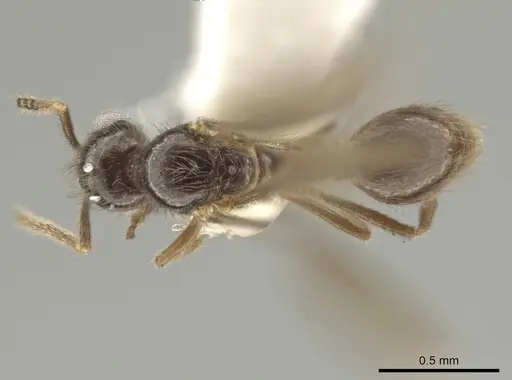
CASENT0611286
View on AntWeb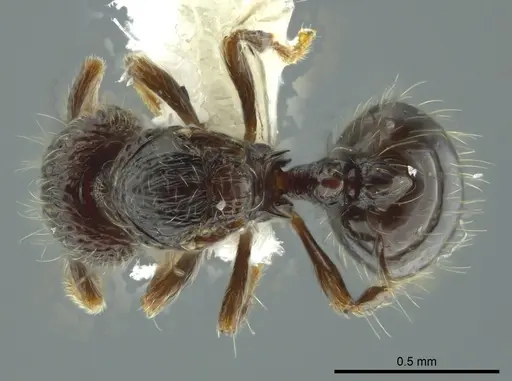
CASENT0631960
View on AntWeb
INBIOCRI001281616
View on AntWeb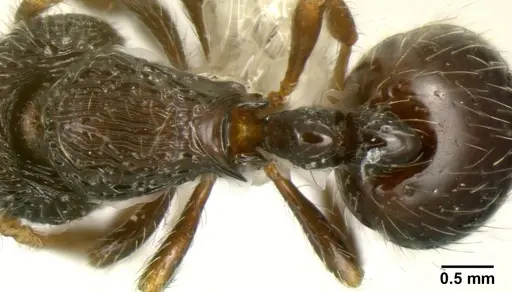
JTLC000009768
View on AntWeb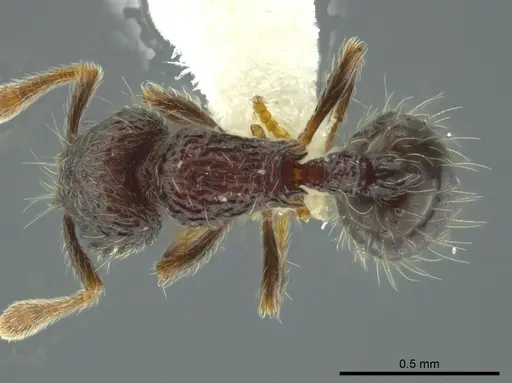
Literature
Loading...Loading products...