

Adelomyrmex robustus
- Scientific Name
- Adelomyrmex robustus
- Tribe
- Solenopsidini
- Subfamily
- Myrmicinae
- Author
- Fernández, 2003
- Distribution
- Found in 2 countries
Adelomyrmex robustus Overview
Adelomyrmex robustus is an ant species of the genus Adelomyrmex. It is primarily documented in 2 countries , including Guatemala, Mexico. Detailed taxonomic data and occurrence records can be further explored via authoritative databases such as AntWeb or the Global Biodiversity Information Facility (GBIF).
Adelomyrmex robustus
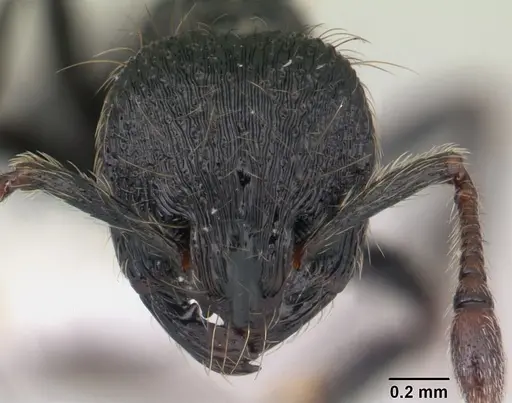
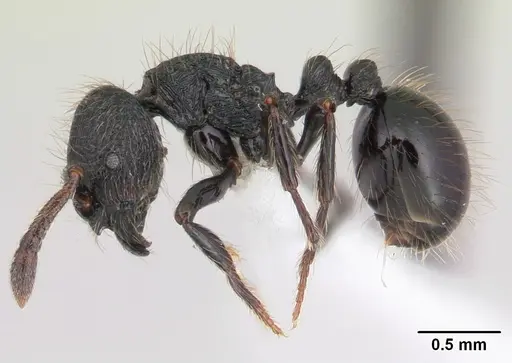
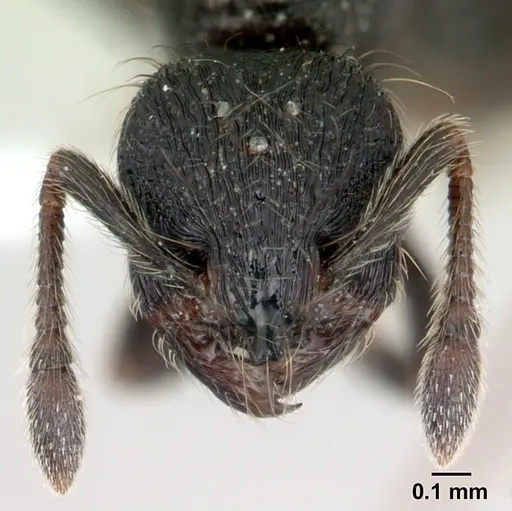
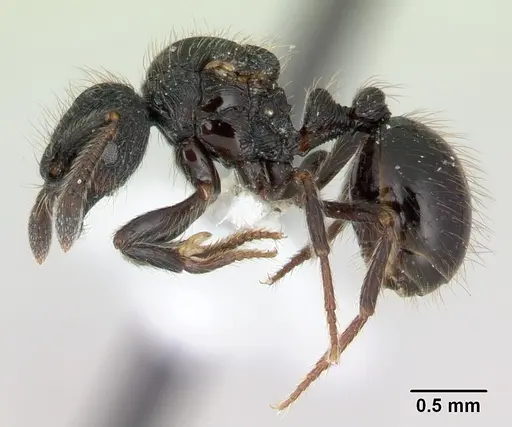
Adelomyrmex robustus is a small, dark ant from the cloud forests of southern Mexico and Guatemala. Workers measure about 3.6 to 3.8 mm long with black bodies, dark brown legs, and yellowish feet [1][2]. Their heads and bodies show a distinctive rough texture created by irregular ridges mixed with small pits, and they have two small pointed spines on their back [1]. This species lives in mature cloud forests between 1600 and 1900 meters elevation, where they can be incredibly abundant, showing up in over 90% of leaf litter samples in some areas [3]. Unlike many ants that claim exclusive territory, A. robustus often shares space with other species, including nesting alongside Adelomyrmex paratristani in the same dead plant galls and living near Perissomyrmex snyderi in rotting wood [3].
Quick Summary
- Difficulty: Expert
- Origin & Habitat: Southern Mexico and Guatemala, specifically mature cloud forest habitats at 1600-1900 m elevation [3].
- Colony Type: Unconfirmed, no studies have documented queen number or colony structure.
- Size & Growth:
- Queen: ~4.1 mm total length [1][2].
- Worker: ~3.6-3.8 mm total length (HW 0.83-0.88 mm) [1][2].
- Colony: Unknown, not documented in research.
- Growth: Likely slow, inferred from cool cloud forest habitat and small body size.
- Development: Unknown, likely 8-12 weeks based on related myrmicine ants at cool temperatures, but unconfirmed. (Development time has not been studied. Cool cloud forest temperatures likely slow growth compared to tropical lowland species.)
- Antkeeping:
- Temperature: Cool and stable, approximately 18-22°C (inferred from 1600-1900m cloud forest habitat). Avoid temperatures above 25°C.
- Humidity: High humidity 70-80%. Keep nest material damp but not waterlogged, think cloud forest floor conditions.
- Diapause: Unknown, likely not required for this tropical cloud forest species, but a cool resting period at 15-18°C may be beneficial.
- Nesting: Pre-made cavities in dead wood or rotting wood. Naturalistic setups with wood or plaster nests with small chambers work best.
- Behavior: Cryptic and ground-dwelling. Frequently found at baits in the wild [3]. Small size means excellent escape prevention is essential.
- Common Issues: escape risk is high, at only 3.6mm long, workers squeeze through the tiniest gaps in mesh and lids., heat stress from keeping them too warm, cloud forest species suffer above 25°C., unknown founding behavior makes captive rearing risky, no studies confirm if queens found colonies alone or in groups., mold growth in high humidity setups without adequate ventilation.
Cloud Forest Habitat and Temperature
Adelomyrmex robustus comes from cool, wet cloud forests at 1600-1900 meters elevation in Chiapas, Mexico and Guatemala [3]. You will need to replicate these cool, stable conditions in captivity. Aim for 18-22°C with minimal fluctuations. Temperatures above 25°C likely cause stress, and prolonged heat can kill cloud forest specialists. Use a heating cable on one side of the nest to create a gentle gradient, but keep the overall setup cooler than typical tropical ants. If your room temperature exceeds 22°C, you may need to cool the nest with fans or place it in a cooler part of your home.
Nesting in Wood Cavities
In nature, these ants nest in dead wood, dead plant galls, and rotting logs [3]. They do not dig extensive soil tunnels. Instead, they move into pre-made cavities, often sharing space with other ant species like Adelomyrmex paratristani in the same dead gall [3]. Their brood is spread across multiple chambers rather than concentrated in one spot. For captive care, use a naturalistic setup with rotting wood or a plaster/formicarium nest with small, tight chambers. Avoid tall, open spaces, they prefer confined cavities similar to those found in decaying wood.
Feeding and Diet
These ants are frequent visitors to baits on the forest floor [3], suggesting they are generalist foragers. Offer small protein sources like fruit flies, springtails, or tiny pieces of mealworms. Provide sugar sources such as honey water or sugar water. Because they are small, cut prey into appropriately tiny pieces. Remove uneaten protein within 24 hours to prevent mold in their humid environment.
Colony Founding
Founding behavior is unconfirmed. No research documents whether queens found colonies alone (claustral) or need to forage (semi-claustral). Based on typical Adelomyrmex patterns, they likely found claustrally (sealed in), but this is speculation. If you obtain a queen, house her in a test tube with damp cotton and observe. Do not disturb her frequently. Success rates are unknown, so start with multiple queens if possible to increase your chances.
Escape Prevention
At 3.6-3.8 mm long, workers are tiny enough to squeeze through standard mesh and loose-fitting lids [1]. You must use excellent escape prevention. Use fine stainless steel mesh (under 0.5mm holes) for ventilation. Apply Fluon or PTFE barrier to the upper walls of outworlds. Check all connections and lids for gaps, if you can see light through a crack, they can likely squeeze through it.
Frequently Asked Questions
Can I keep Adelomyrmex robustus in a test tube?
Yes, test tubes work for founding queens. Use a standard setup with damp cotton and keep them cool (18-22°C). Once workers arrive, move them to a nest with wood cavities or small chambers rather than keeping them in tubes long-term.
What temperature do Adelomyrmex robustus need?
Keep them cool and stable at 18-22°C. They come from high-elevation cloud forests and suffer in heat above 25°C [3].
Do Adelomyrmex robustus need hibernation?
Probably not, they come from tropical cloud forests where temperatures stay moderate year-round. However, a cool resting period at 15-18°C for a few weeks may benefit them if they show reduced activity.
What do Adelomyrmex robustus eat?
They are generalists. In the wild they frequently visit baits [3]. In captivity, offer small live prey like fruit flies or springtails, plus sugar water or honey water.
How long until Adelomyrmex robustus get their first workers?
Unknown, development time has not been studied. Based on similar small myrmicine ants at cool temperatures, expect roughly 8-12 weeks, but this is an estimate.
Are Adelomyrmex robustus good for beginners?
No, they are expert-level ants. They require cool temperatures, high humidity with good ventilation, and their founding behavior is unconfirmed. Their small size also makes escape prevention challenging.
How big do Adelomyrmex robustus colonies get?
Colony size has not been documented in research. Based on their abundance in the wild, they likely reach moderate sizes, but exact numbers are unknown [3].
What is the best nest type for Adelomyrmex robustus?
Use nests that mimic dead wood cavities, naturalistic setups with rotting wood, or plaster nests with small, tight chambers. They do not dig in soil and prefer pre-made cavities [3].
Can I keep multiple Adelomyrmex robustus queens together?
Not recommended. Whether this species accepts multiple queens is unknown. Combining unrelated queens risks fighting and death.
References

This caresheet is licensed under CC BY-SA 4.0 .
CASENT0631968
View on AntWeb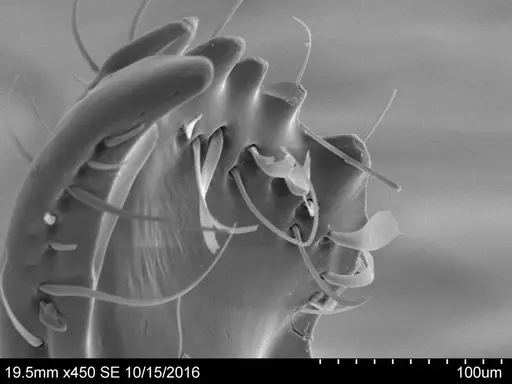
CASENT0901017
View on AntWeb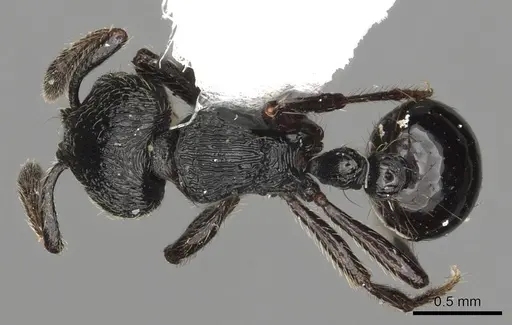
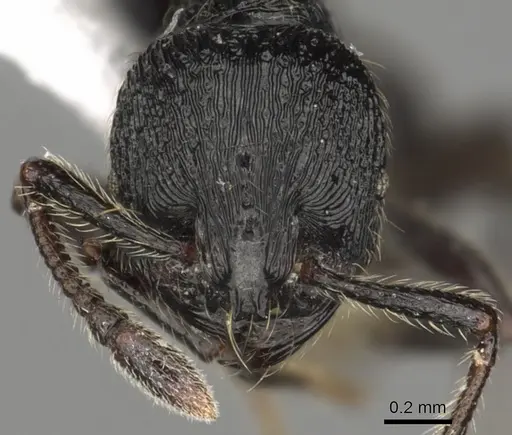
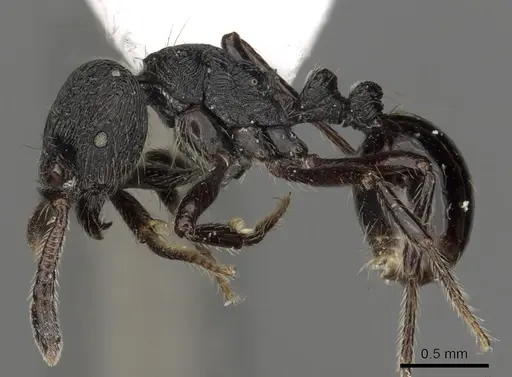
LACMENT144606
View on AntWeb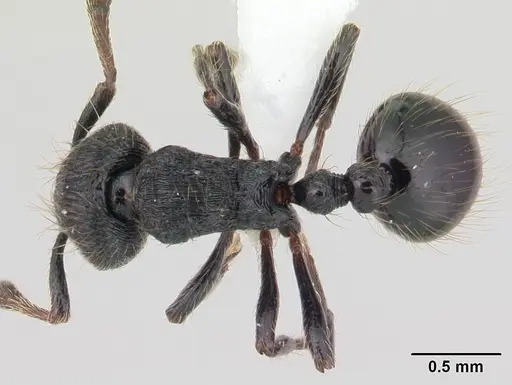
LACMENT144656
View on AntWeb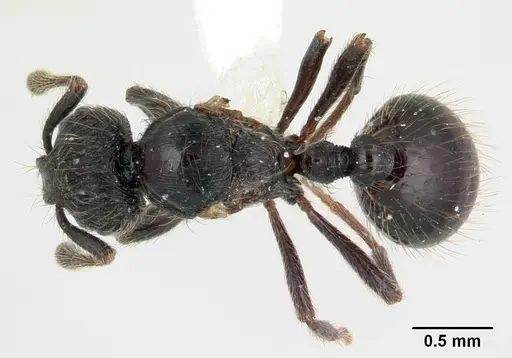
Literature
Loading...Loading products...