

Adelomyrmex nortenyo
- Scientific Name
- Adelomyrmex nortenyo
- Tribe
- Solenopsidini
- Subfamily
- Myrmicinae
- Author
- Longino, 2012
- Distribution
- Found in 1 countries
Adelomyrmex nortenyo Overview
Adelomyrmex nortenyo is an ant species of the genus Adelomyrmex. It is primarily documented in 1 countries , including Mexico. Detailed taxonomic data and occurrence records can be further explored via authoritative databases such as AntWeb or the Global Biodiversity Information Facility (GBIF).
Adelomyrmex nortenyo
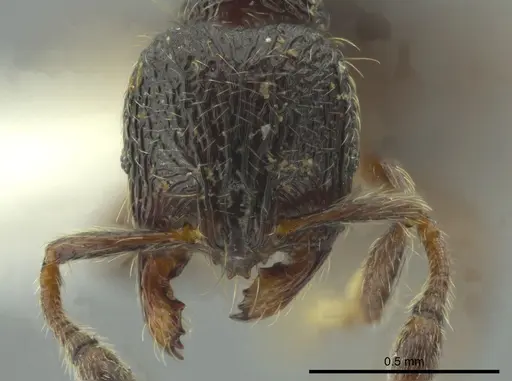
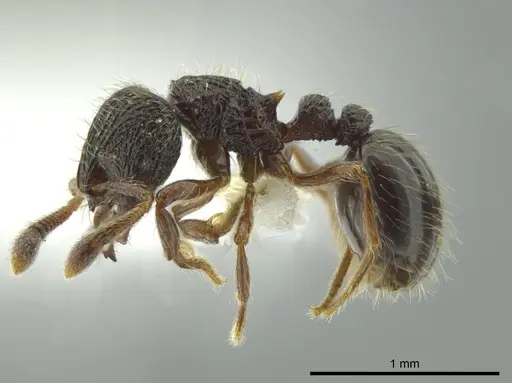
Adelomyrmex nortenyo is a tiny, dark reddish-brown ant belonging to the Myrmicinae subfamily. Workers measure just 0.64-0.69mm in head width, making them one of the smaller ant species you'll encounter [1][2]. The species was only discovered in 2012 and represents the northernmost limit of the entire genus, found exclusively in montane cloud forests in Tamaulipas, Mexico at elevations between 1200 and 1450 meters [2]. These ants inhabit mixed oak and Liquidambar-oak forests, where they live in leaf litter and soil [3][2].
This is a rare species in the antkeeping hobby, with very limited information available about captive care. What makes them interesting is their status as the northernmost Adelomyrmex species, they're adapted to cooler, more humid montane conditions rather than the tropical environments many related ants prefer [2]. Their small size and specialized habitat make them a challenging but rewarding species for experienced keepers.
Quick Summary
- Difficulty: Expert
- Origin & Habitat: Mexico (Tamaulipas), montane cloud forests at 1200-1450m elevation in mixed oak and Liquidambar-oak forest [2][3]
- Colony Type: Unknown, colony structure has not been documented in scientific literature
- Size & Growth:
- Queen: Undescribed, queen size has not been documented
- Worker: 0.64-0.69mm head width [1][2]
- Colony: Unknown, likely small based on genus patterns
- Growth: Unknown
- Development: Unconfirmed, no development data exists for this species (Development timeline is unconfirmed. Based on typical Adelomyrmex patterns and small worker size, expect relatively slow growth compared to larger Myrmicinae.)
- Antkeeping:
- Temperature: Inferred: Keep cool, around 15-20°C. Being from montane cloud forests at 1200-1450m elevation, they likely prefer cooler conditions than typical tropical ants. Start at room temperature (18-20°C) and observe colony activity [2].
- Humidity: Inferred: High humidity required. Montane cloud forests are constantly damp. Keep nest substrate consistently moist but not waterlogged. Provide a water tube and ensure good ventilation to prevent mold while maintaining humidity [2].
- Diapause: Unknown, no specific research on overwintering requirements. Being from a subtropical montane region in Mexico, they may have reduced activity during cooler months but true hibernation is uncertain.
- Nesting: Inferred: Natural nesting occurs in leaf litter and soil in cloud forests. In captivity, use a small test tube setup with moist substrate, or a small acrylic/plaster nest with tight chambers scaled to their tiny size. Avoid large, open spaces, these ants need small, tight spaces [3].
- Behavior: Behavior is poorly documented. Based on genus patterns, they are likely docile and non-aggressive. Workers are small and likely slow-moving. Escape prevention is critical due to their tiny size, they can squeeze through standard mesh barriers. Use fine mesh or fluon barriers [2].
- Common Issues: tiny size means escapes are likely without fine mesh barriers, lack of available care information makes proper husbandry difficult, slow growth and small colony sizes mean colonies are fragile, wild-caught colonies may have parasites that kill them in captivity, overheating is a serious risk, they prefer cool conditions
Housing and Nest Setup
Because of their extremely small size, Adelomyrmex nortenyo requires specialized housing. Standard test tubes work well, use small-diameter tubes with a tight-fitting cotton plug. The water reservoir should be modest to prevent flooding in such tiny chambers. If using an acrylic or plaster nest, choose one with very small, tight chambers scaled to their 0.64-0.69mm worker size. Avoid large, open formicarium spaces, these ants feel secure in cramped quarters. Escape prevention is critical: their tiny size allows them to squeeze through gaps that larger ants cannot pass. Use fine mesh (at least 0.5mm) on all openings and consider applying fluon to the upper edges of any enclosure [2].
Temperature and Humidity
This species comes from montane cloud forests at 1200-1450m elevation, which means they prefer cooler, more humid conditions than most tropical ants. Aim for temperatures in the 15-20°C range, room temperature is likely appropriate for most keepers. Avoid any heating unless your room drops below 15°C, and if you must heat, use a very gentle approach with a low-wattage heating cable on one side of the nest only. High humidity is essential: keep the nest substrate consistently moist but not waterlogged. Montane cloud forests are constantly damp environments. Provide a water tube for drinking access and ensure adequate ventilation to prevent mold buildup while maintaining humidity [2].
Feeding and Diet
Diet for Adelomyrmex nortenyo is not documented in scientific literature. Based on related species in the Solenopsidini tribe, they likely are omnivorous, accepting small insects and possibly sugar sources. Their tiny size means any prey must be very small, offer micro-arthropods like springtails, fruit flies, or tiny mealworm pieces. Start with small live prey and observe acceptance. Sugar water or honey water may be accepted but offer in very small amounts to prevent mold. Feed small amounts every few days and remove any uneaten food promptly. Due to their small colony sizes, overfeeding is a common mistake that leads to mold problems [2].
Colony Development and Growth
Adelomyrmex nortenyo is one of the least-studied ant species in captivity, with no documented development timeline. Based on their tiny worker size (0.64-0.69mm) and typical Adelomyrmex patterns, expect slow colony growth. Colony sizes are likely small, probably under 100 workers at maturity. The queen has not been described in scientific literature, so exact founding behavior is unknown. Based on genus patterns, founding is likely claustral (queen seals herself in a chamber and lives off stored fat reserves until first workers emerge). Be patient with this species, small colony sizes and slow growth are normal. Do not overfeed or disturb founding colonies unnecessarily [1][2].
Where This Ant Fits in the Hobby
Adelomyrmex nortenyo is an extremely rare species in the antkeeping hobby, with almost no captive breeding history. This caresheet is based largely on inference from the limited scientific data available and genus patterns. This is not a species for beginners, the lack of established care protocols means you will be experimenting with conditions. If you obtain this species, document your observations carefully and consider contributing to our knowledge of this poorly understood ant. The species represents an important opportunity to learn about a genus at the edge of its range, adapted to unique montane cloud forest conditions [2].
Frequently Asked Questions
How long does it take for Adelomyrmex nortenyo to produce first workers?
The egg-to-worker timeline is unconfirmed for this species. Based on typical Adelomyrmex patterns and their tiny worker size, expect a relatively slow development of several months. Without specific research, exact timelines cannot be provided, be patient with this species.
Can I keep Adelomyrmex nortenyo in a test tube?
Yes, test tubes are the ideal housing for this tiny species. Use a small-diameter tube with a modest water reservoir to prevent flooding. Ensure the cotton plug is packed tightly, these tiny ants can squeeze through gaps that larger ants cannot.
What temperature do Adelomyrmex nortenyo ants need?
Keep them cool, around 15-20°C. Being from montane cloud forests at 1200-1450m elevation, they prefer cooler conditions than typical tropical ants. Room temperature is likely appropriate. Avoid heating unless absolutely necessary.
How big do Adelomyrmex nortenyo colonies get?
Colony size is unknown but expected to be small based on genus patterns and tiny worker size. Likely under 100 workers at maturity. This is not a species that produces large colonies.
Are Adelomyrmex nortenyo ants good for beginners?
No. This is an expert-level species due to their tiny size, unknown colony structure, and lack of established care protocols. There is almost no information available about captive care, making them challenging even for experienced antkeepers.
What do Adelomyrmex nortenyo ants eat?
Diet is not specifically documented. Based on related species, they likely accept small insects (springtails, fruit flies) and possibly sugar sources. Offer tiny prey items and small amounts of sugar water. Remove uneaten food promptly to prevent mold.
Do Adelomyrmex nortenyo ants need hibernation?
Diapause requirements are unknown. Being from a subtropical montane region in Mexico, they may have reduced activity during cooler months but true hibernation has not been documented. If kept at room temperature (18-20°C), they will likely remain active year-round.
When will Adelomyrmex nortenyo have nuptial flights?
Nuptial flight timing is unconfirmed. No research documents when or how alates (reproductive ants) are produced or when mating occurs. This is one of many aspects of this species' biology that remains unknown.
Why are my Adelomyrmex nortenyo ants dying?
Without established care protocols, colony failure is common. Potential issues include: overheating (keep cool), improper humidity (keep moist but not wet), escape through tiny gaps, mold from overfeeding, or parasites from wild-caught colonies. Document your conditions and adjust gradually.
Can I keep multiple Adelomyrmex nortenyo queens together?
Colony structure is unconfirmed. Whether this species is monogyne (single queen) or polygyne (multiple queens) is unknown. Combining unrelated queens has not been documented and is not recommended.
Is Adelomyrmex nortenyo invasive or dangerous?
No. This is a rare species known only from a small area in Tamaulipas, Mexico. They are not invasive and cause no ecological damage. They are not dangerous to humans.
References

This caresheet is licensed under CC BY-SA 4.0 .
CASENT0627812
View on AntWeb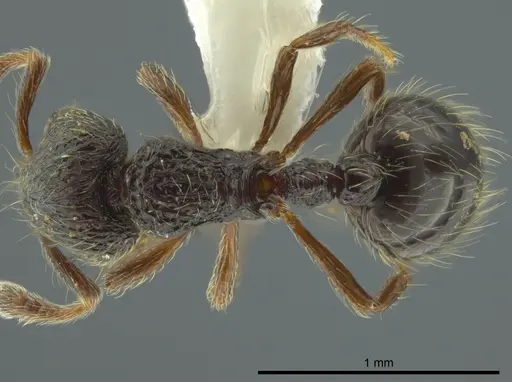
Literature
Loading...Loading products...