

Adelomyrmex myops
- Scientific Name
- Adelomyrmex myops
- Tribe
- Solenopsidini
- Subfamily
- Myrmicinae
- Author
- Wheeler, 1910
- Distribution
- Found in 7 countries
Adelomyrmex myops Overview
Adelomyrmex myops is an ant species of the genus Adelomyrmex. It is primarily documented in 7 countries , including Colombia, Costa Rica, Guatemala. Detailed taxonomic data and occurrence records can be further explored via authoritative databases such as AntWeb or the Global Biodiversity Information Facility (GBIF).
Adelomyrmex myops
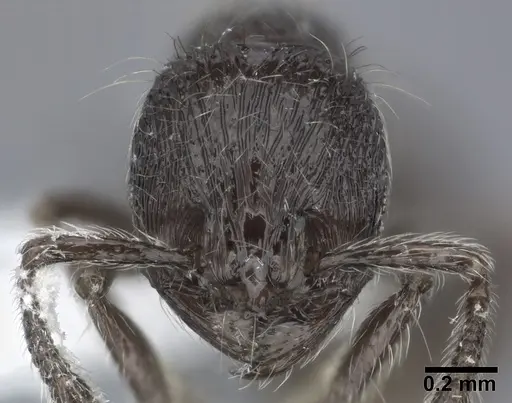
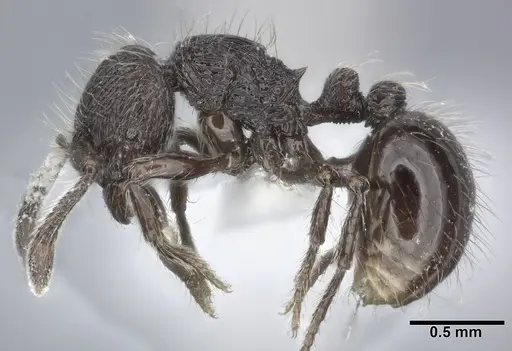
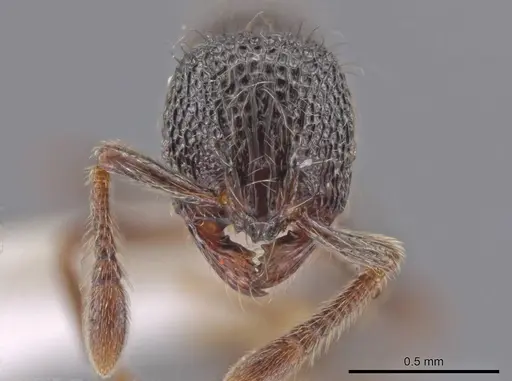
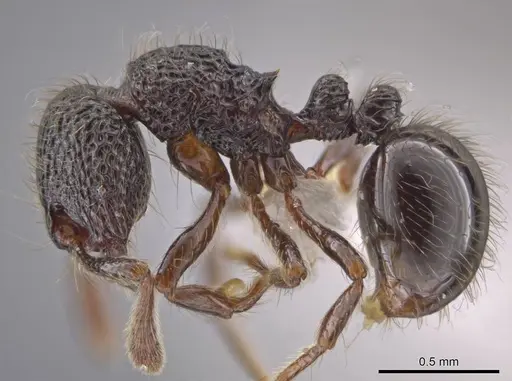
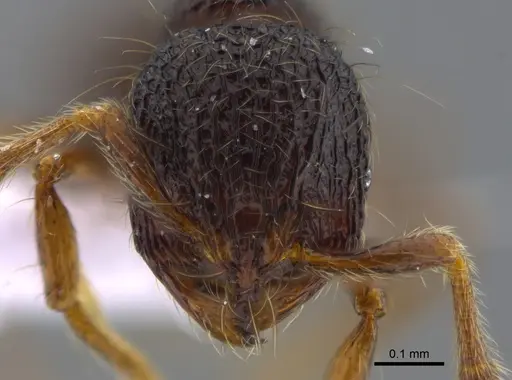
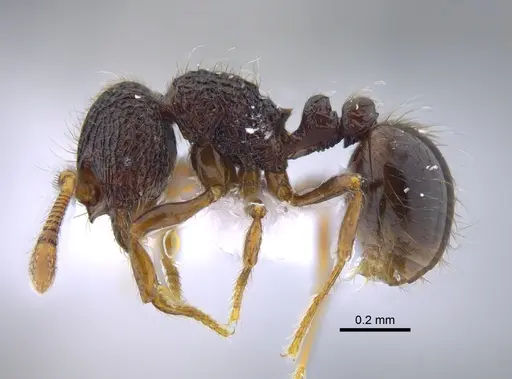
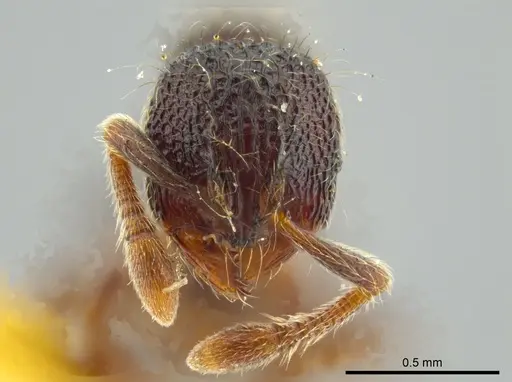
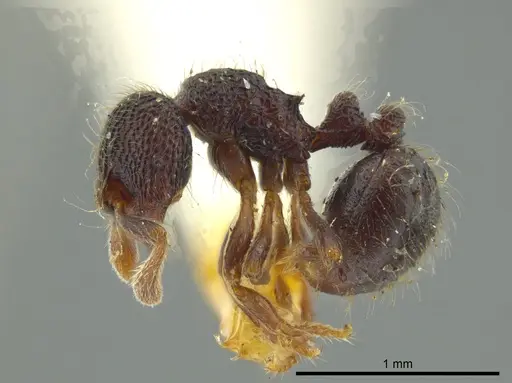
Adelomyrmex myops is a tiny myrmicine ant native to Central and South America, ranging from Guatemala down to Panama and Colombia. Workers measure just 2.3-3.0mm in total length, making them one of the smaller ant species you might encounter. They have a distinctive dark body (black to dark brown) with lighter brown to yellowish antennae and legs, and their head and mesosoma are coarsely sculptured with a reticulate-rugose pattern. Queens are slightly larger at about 3.1mm. This species is notable for being one of the more habitat-flexible Adelomyrmex species, while most of its relatives prefer specific forest types, A. myops tolerates everything from wet seasonal forest to dry forest, and has even been found in disturbed areas like cacao plantations [1]. It can be locally abundant, showing up in up to 20% of soil sample surveys in some areas [1].
Quick Summary
- Difficulty: Medium
- Origin & Habitat: Lowland Central America (Guatemala to Panama) and northern South America (Colombia). Found in mature forests ranging from seasonally wet to strongly seasonal dry forest, as well as disturbed habitats like cacao plantations. Most records from elevations below 600m [1].
- Colony Type: Colony structure is unconfirmed. This is a poorly studied species with no published information on queen number or colony organization. Related Adelomyrmex species are typically monogyne (single queen), but this has not been documented for A. myops specifically.
- Size & Growth:
- Queen: 3.12mm total length (queen measurements: HW 0.65mm, HL 0.75mm, SL 0.44mm) [2]
- Worker: 2.3-3.0mm total length (worker measurements: HW 0.53-0.66mm, SL 0.38-0.41mm) [2][3]
- Colony: Unknown, no colony size data has been published
- Growth: Unknown, development timeline has not been studied
- Development: Unknown, no direct development data exists for this species. Based on typical Myrmicinae patterns, expect 4-8 weeks at tropical temperatures, but this is an estimate. (Development has not been directly studied. Related tropical Myrmicinae typically develop in 4-8 weeks at warm temperatures.)
- Antkeeping:
- Temperature: Likely needs warm conditions similar to other lowland tropical ants. Based on their natural range (Guatemala to Panama), aim for 24-28°C. This is an estimate since no thermal studies exist for this species.
- Humidity: Likely needs moderate to high humidity given their forest floor habitat and occurrence in both wet and dry forests. Keep the nest substrate consistently moist but not waterlogged. Provide some drier areas for workers to self-regulate.
- Diapause: Unknown, no studies on overwintering or dormancy. As a tropical species from lowland Central America, they likely do not require a diapause period. However, this is unconfirmed.
- Nesting: In the wild, they are ground-dwelling leaf-litter ants collected via soil sampling (Berlese and Winkler traps). They likely nest in small chambers within soil or rotting wood fragments in the forest floor layer. For captivity, a small test tube setup or a miniature formicarium with tight chambers scaled to their tiny size would work. The Y-tong (AAC) nest or a small plaster nest with narrow passages is appropriate.
- Behavior: This species is poorly documented in captivity. Workers are small (2.3-3.0mm) with very small eyes (only 10-12 ommatidia), suggesting they may be more surface-dwelling than visually dependent. They likely forage in the leaf litter layer. Their small size means escape prevention must be excellent, they can squeeze through tiny gaps. No documented aggression or sting reports exist, but related small Myrmicinae can be defensive when disturbed. Assume moderate escape risk due to their tiny size.
- Common Issues: tiny size means escapes are likely without fine mesh barriers and tight-fitting lids, no published care information exists, all advice is based on inference from related species and must be treated as experimental, slow growth is common with small tropical species and beginners may lose patience, wild-caught colonies may have parasites that kill them in captivity since this species hasn't been captive-bred extensively, humidity control is critical, too wet causes fungal issues, too dry causes desiccation
Housing and Nest Setup
Adelomyrmex myops is a tiny leaf-litter ant that requires appropriately scaled housing. In the wild, they live in the forest floor layer among soil and decaying wood, collected through specialized soil extraction methods like Berlese and Winkler traps [1]. For captivity, a small test tube setup works well for founding colonies, use a test tube with a small water reservoir sealed with a cotton plug. The tube should be small enough that the queen can tend her brood effectively. Once the colony reaches 20-30 workers, you can consider moving to a small formicarium. A Y-tong (AAC) nest with narrow chambers or a small plaster/acrylic nest with tight passages scaled to their 2-3mm body size is ideal. Avoid large, open spaces that the tiny workers cannot navigate effectively. Escape prevention is critical, these ants are small enough to squeeze through standard mesh, so use fine mesh barriers and ensure all connections are sealed.
Feeding and Diet
The natural diet of Adelomyrmex myops has not been specifically studied, but related Adelomyrmex species are typically omnivorous, feeding on small insects, honeydew, and plant materials. As tiny leaf-litter ants, they likely forage for small arthropods and scavenge in the decaying organic matter layer. For captivity, offer a varied diet: small live prey items like fruit flies, pinhead crickets, or springtails (sized appropriately for their 2-3mm workers). They will likely accept protein-rich foods readily. Sugar sources like honey water or sugar water can be offered, though acceptance may vary. Feed small amounts every 2-3 days and remove uneaten food to prevent mold. Since this species has not been commonly kept in captivity, dietary preferences are inferred from related Myrmicinae behavior, be prepared to experiment with different food items to determine what your colony prefers.
Temperature and Humidity
As a lowland tropical species from Guatemala to Panama, Adelomyrmex myops likely requires warm, humid conditions. Based on their geographic range, aim for temperatures in the 24-28°C range. A heating cable on one side of the nest can create a gentle gradient, allowing workers to self-regulate their temperature preference. For humidity, these forest-floor ants prefer consistently moist substrate, think damp forest floor conditions. Keep the nest substrate moist but not waterlogged, and provide a small water tube for drinking access. Avoid both stagnant air (causes mold) and excessive airflow (causes drying). Since no specific studies exist on their humidity requirements, monitor the colony behavior, workers that cluster near moisture indicate higher humidity needs, while avoiding wet areas suggests lower humidity preference. This species is from variable habitats (wet to dry forest), so they may be more adaptable than related species. [1]
Colony Development and Growth
Adelomyrmex myops colonies likely grow slowly, as is typical for small tropical ants. Queens are 3.12mm and workers are 2.3-3.0mm, both are tiny, and this correlates with slower colony development. The first workers (nanitics) will likely be smaller than subsequent workers. No specific development timeline exists for this species, but based on typical Myrmicinae patterns, expect 4-8 weeks from egg to first worker at optimal tropical temperatures (around 26°C). Colony size in the wild is unknown, they can be locally abundant in some areas (up to 20% of samples), suggesting larger colonies exist, but no exact numbers have been published. In captivity, expect slow growth, a well-established colony after one to two years might reach 100-200 workers. Patience is essential with this species. Males have never been collected in the wild [2], suggesting nuptial flights may be rare or occur in a manner not easily captured by standard sampling methods.
Distribution and Range
Adelomyrmex myops has a broad geographic range spanning from Guatemala through Honduras, Costa Rica, Panama, and into Colombia [1]. An introduced population exists in the Galapagos Islands of Ecuador, though it's unclear whether this is a recent introduction or an overlooked native population [4]. Most records come from elevations below 600m, making this a true lowland species, though one anomalous population was found at 1000-1100m in Nicaragua [1]. What makes A. myops distinctive among Adelomyrmex species is its habitat flexibility, while most related species prefer specific forest types, A. myops tolerates everything from aseasonal wet forest to strongly seasonal dry forest. It has also been collected in disturbed habitats like cacao plantations [1]. This adaptability suggests they may be more forgiving in captivity than more specialized species.
Identification and Distinction
Adelomyrmex myops can be distinguished from related species like A. tristani and A. paratristani by examining the dorsal sculpturing of workers. A. myops has a range from completely reticulate rugose to strongly vermiculate rugose with some longitudinal orientation, while A. paratristani ranges to completely linear, parallel, longitudinal rugae. The dorsal pilosity (hairs) on the gaster is denser in A. myops compared to A. paratristani, which typically has sparse, long, erect setae. Queens have a distinctive abrupt transition from longitudinal rugae on the mesonotum to coarse, reticulate rugosity on the scutellum, in A. tristani and A. paratristani, the scutellum has longitudinal, subparallel rugae [1]. Workers have small eyes with only about 10-12 ommatidia [2], which is notably reduced compared to many other ants.
Frequently Asked Questions
How long does it take for Adelomyrmex myops to produce first workers?
The exact development timeline is unknown, this species has not been studied in captivity. Based on typical Myrmicinae development patterns, expect approximately 4-8 weeks from egg to first worker at optimal temperatures (around 26°C). This is an estimate, not a confirmed timeframe.
What do Adelomyrmex myops ants eat?
Their specific diet has not been documented, but related Adelomyrmex species are omnivorous. Offer small live prey (fruit flies, springtails, pinhead crickets) sized appropriately for their tiny 2-3mm workers. They will likely accept protein readily. Sugar sources like honey water can be offered as well. Start with small amounts and adjust based on what your colony accepts.
What temperature do Adelomyrmex myops need?
No specific thermal studies exist for this species. Based on their lowland tropical range (Guatemala to Panama), aim for 24-28°C. This is an estimate, provide a temperature gradient so workers can self-regulate.
Are Adelomyrmex myops good for beginners?
This species is not ideal for beginners. No captive care information exists in the hobby, and all advice must be inferred from related species. Their tiny size makes housing and escape prevention challenging. They are better suited for experienced antkeepers who can experiment with care conditions.
How big do Adelomyrmex myops colonies get?
Colony size is unknown, no published data exists on maximum colony size. They can be locally abundant in the wild (up to 20% of soil samples), suggesting larger colonies exist. Based on similar small Myrmicinae, expect colonies likely under 500 workers.
Do Adelomyrmex myops need hibernation?
No, as a lowland tropical species from Central America, they likely do not require a diapause or hibernation period. Keep them at warm temperatures year-round (24-28°C).
Can I keep multiple Adelomyrmex myops queens together?
This is unknown. The colony structure (monogyne vs polygyne) has not been documented for this species. Do not attempt combining unrelated queens until more is known about their social structure.
When should I move Adelomyrmex myops to a formicarium?
Keep them in a test tube setup for the founding stage. Once the colony reaches 20-30 workers and the test tube becomes crowded, you can move to a small formicarium with appropriately sized chambers. Their tiny size means passages must be narrow.
Why are my Adelomyrmex myops dying?
Without published captive care data, troubleshooting is difficult. Common issues likely include: improper humidity (too wet causes mold, too dry causes desiccation), temperature stress (outside 24-28°C range), escape through tiny gaps, or stress from overfeeding. Wild-caught colonies may also carry parasites not adapted to captivity.
References

This caresheet is licensed under CC BY-SA 4.0 .
CASENT0246633
View on AntWeb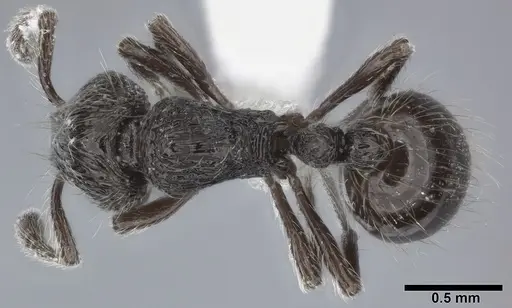
CASENT0614222
View on AntWeb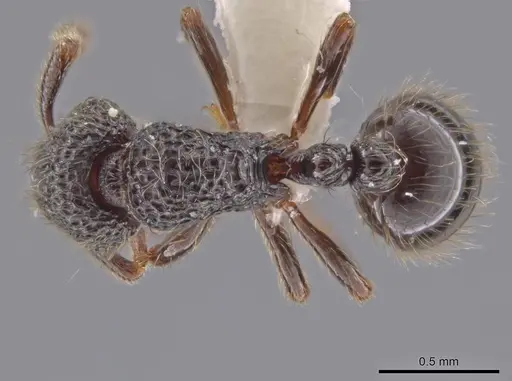
CBUMAGENT41719
View on AntWeb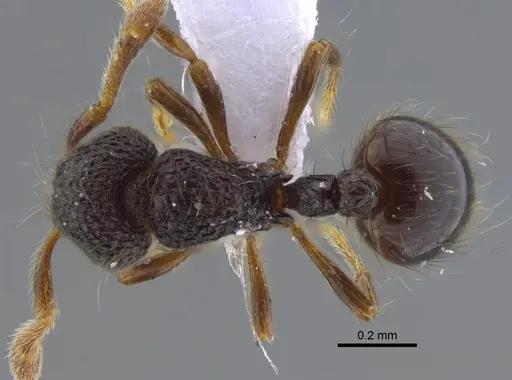
USNMENT00531590
View on AntWeb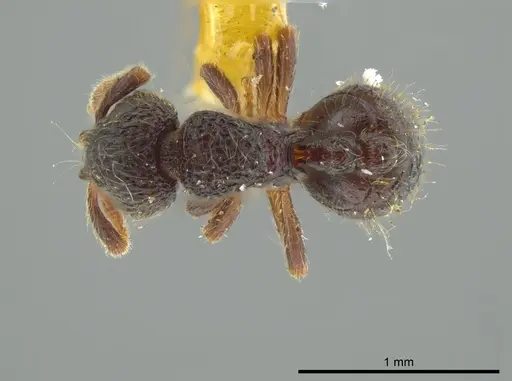
Literature
Loading...Loading products...