

Adelomyrmex micans
- Scientific Name
- Adelomyrmex micans
- Tribe
- Solenopsidini
- Subfamily
- Myrmicinae
- Author
- Fernández, 2003
- Distribution
- Found in 3 countries
Adelomyrmex micans Overview
Adelomyrmex micans is an ant species of the genus Adelomyrmex. It is primarily documented in 3 countries , including Guatemala, Honduras, Mexico. Detailed taxonomic data and occurrence records can be further explored via authoritative databases such as AntWeb or the Global Biodiversity Information Facility (GBIF).
Adelomyrmex micans
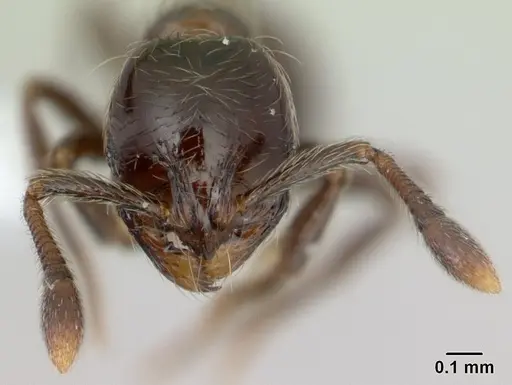
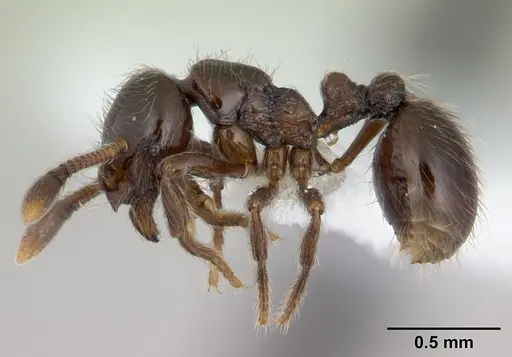
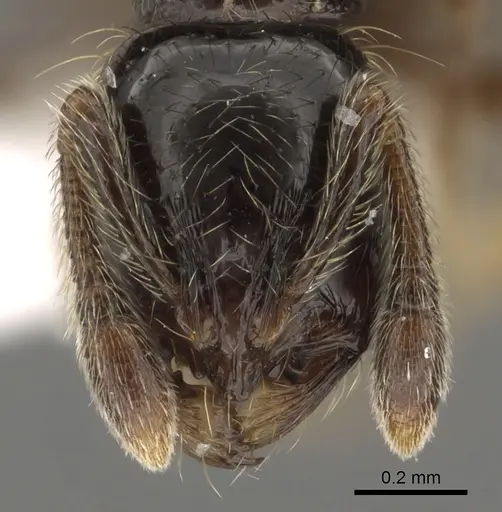
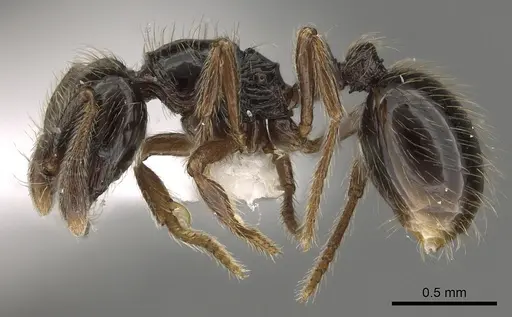
Adelomyrmex micans is a tiny, glossy ant species native to the cloud forests of southern Mexico, Guatemala, and Honduras. Workers measure just 2.6-2.75mm and are remarkably smooth and shiny, the head is completely smooth with no sculpture, a unique trait among Adelomyrmex species in Mesoamerica. Their dark brown body with lighter appendages and the unusual presence of three ocelli (simple eyes) on some workers make them easily identifiable. These ants are high elevation specialists, found exclusively in mature cloud forests between 1700-2700m elevation, typically above 2000m. They live in leaf litter and have been found foraging in the forest canopy up to 25m high.
Quick Summary
- Difficulty: Expert
- Origin & Habitat: High elevation cloud forests of southern Mexico (Chiapas), Guatemala, and Honduras at 1700-2700m elevation [1][2]
- Colony Type: Colony structure is unconfirmed, no data on queen number or colony size exists in scientific literature
- Size & Growth:
- Queen: 3.21-3.23mm [1], estimated from two measured specimens
- Worker: 2.63-2.75mm total length, head width 0.58-0.66mm [1]
- Colony: Unknown, no colony size data exists in scientific literature
- Growth: Unknown, growth rate has not been studied
- Development: Unconfirmed, no development data exists for this species (Based on related Solenopsidini genera, expect development to take several months at optimal temperature)
- Antkeeping:
- Temperature: Cool conditions required, these are high elevation cloud forest ants. Keep nest area around 18-22°C with a gentle gradient. Avoid overheating. Room temperature in most homes should work well, but monitor for signs of stress in warm months [2]
- Humidity: High humidity is essential, cloud forest habitat means consistently moist substrate. Keep nest substrate damp but not waterlogged. Provide a water source. Mist or rehydrate when surface dries [2]
- Diapause: Unknown, high elevation species may require a cool period, but specific requirements are unstudied. Consider a cool winter period around 15-18°C if colony shows reduced activity
- Nesting: In nature they live in leaf litter and under epiphytes in cloud forests. In captivity, a naturalistic setup with moist substrate (soil/peat mix) works well, or a Y-tong/plaster nest with small chambers. Keep nest chambers tight, these are tiny ants [2]
- Behavior: These are very small, cryptic ants that forage in leaf litter and occasionally in the forest canopy. Workers are occasionally encountered at baits in the wild. They are not aggressive and likely flee from threats. Their tiny size (under 3mm) means escape prevention is critical, they can squeeze through standard test tube cotton and tiny gaps. No sting has been documented, but their small size means any potential sting would be imperceptible to humans.
- Common Issues: tiny size makes escape likely without fine mesh barriers and tight-fitting lids, high humidity requirements can lead to mold if ventilation is inadequate, cool temperature needs may conflict with room temperatures in warm climates, virtually no captive breeding data exists, this is an extremely rare species in cultivation, wild-caught colonies may not survive transfer from their specialized cloud forest environment
Natural History and Habitat
Adelomyrmex micans is one of the rarest ant species in the hobby, known only from high elevation cloud forests in southern Mexico, Guatemala, and Honduras. They live at elevations between 1700-2700m, most commonly above 2000m. These ants are litter-dwellers, found primarily in sifted leaf litter samples, though workers have been recorded foraging up to 25m high in trees under epiphytes. In quantitative sampling, they appear in only 1-5% of miniWinkler samples, indicating a sparse but widespread population. Their cloud forest habitat is characterized by cool temperatures, high humidity, and frequent mist or fog. This specialized habitat makes them challenging to keep in captivity, as they require conditions that replicate their cool, damp mountain forest home [2][1].
Appearance and Identification
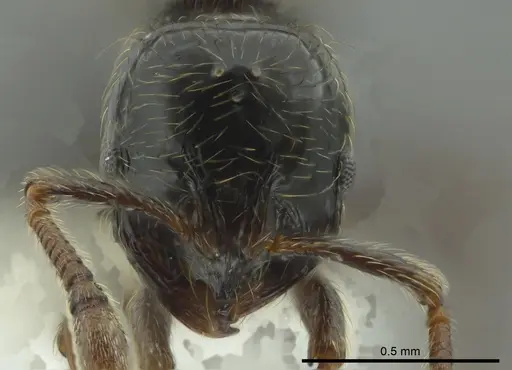
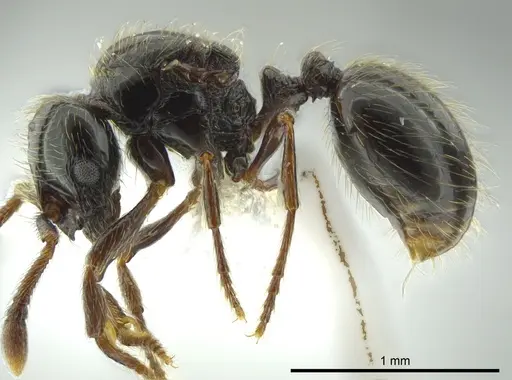
This species is distinctive among Adelomyrmex ants for its remarkably smooth and glossy appearance. The head is completely smooth and shiny with no sculpture, a unique trait in the genus. The body is dark brown with lighter-colored appendages. Workers have seven teeth on their mandibles, with the three apical teeth being larger. Most unusually, some workers possess three well-developed ocelli (simple eyes) on the top of the head, a feature rare in the Myrmicinae subfamily and not found in other Adelomyrmex species. The propodeum (the section behind the thorax) has angulate corners rather than the teeth or spines seen in many related species. Workers measure just 2.6-2.75mm total length, making them among the smaller ant species. Queens are slightly larger at 3.2-3.23mm and possess typical myrmicine queen characteristics [1][3].
Housing and Nest Setup
Given their tiny size and specialized habitat requirements, Adelomyrmex micans requires careful setup. A naturalistic terrarium-style setup with a deep layer of moist leaf litter and forest floor material works best, this replicates their natural litter-dwelling environment. The substrate should remain consistently damp but never waterlogged. A Y-tong (acrylic) nest with small, tight chambers can also work, but ensure chambers are appropriately scaled to their tiny size. Temperature control is critical, aim for 18-22°C in the nest area. Room temperature is often suitable, but avoid placing nests near heat sources. High humidity is essential, so consider using a water reservoir or regular misting. Escape prevention must be excellent, these tiny ants can squeeze through standard barriers. Use fine mesh and ensure all openings are sealed [2].
Feeding and Diet
The natural diet of Adelomyrmex micans is not well documented, but they are likely generalists like other Solenopsidini ants. In the wild, workers have been observed at baits, suggesting they will scavenge or forage for small insects and sugary substances. Based on related species, they likely consume small arthropods, honeydew from aphids, and may accept sugar water or honey. Feed small protein sources like fruit flies, small crickets, or mealworm pieces. Offer sugar water or honey regularly. Because of their tiny size, food items should be appropriately scaled. Given how rare this species is in captivity, start with small offerings and observe what the colony accepts [2].
Challenges and Conservation Status
Adelomyrmex micans presents significant challenges for antkeepers. This species has never been documented in the antkeeping hobby, and virtually no captive husbandry information exists. Their specialized cloud forest habitat means they require cool, humid conditions that may be difficult to maintain consistently. They are extremely rare in scientific collections, with most specimens coming from specialized leaf litter sampling in remote cloud forests. Males have never been collected, suggesting either flight timing is very specific or mating occurs in the nest. If you obtain a colony, expect a steep learning curve with no established protocols to follow. This species is best suited for experienced antkeepers who can provide stable, cool, humid conditions and who understand the risks of keeping an extremely rare, poorly understood species [2][1].
Frequently Asked Questions
How long does it take for Adelomyrmex micans to develop from egg to worker?
This is unconfirmed, no development data exists for this species. Based on related Solenopsidini ants, expect several months (likely 2-4 months) at optimal temperature. The lack of any captive breeding records means we cannot give a reliable timeline.
What temperature do Adelomyrmex micans ants need?
Keep them cool, these are high elevation cloud forest ants. Aim for 18-22°C in the nest area. They are adapted to cool mountain conditions and may suffer in warm rooms. Room temperature is often appropriate, but monitor closely during warm months.
Are Adelomyrmex micans good for beginners?
No, this species is not recommended for beginners. They are extremely rare in the hobby, require cool and humid conditions, and have no established captive care protocols. They are best suited for experienced antkeepers who can provide specialized conditions.
How big do Adelomyrmex micans colonies get?
Unknown, no colony size data exists in scientific literature. Related species in the Solenopsidini tribe typically form colonies ranging from dozens to a few hundred workers, but this is an estimate.
Can I keep multiple Adelomyrmex micans queens together?
Not documented, colony structure (monogyne vs polygyne) has not been studied for this species. Do not attempt combining unrelated queens without evidence they will tolerate each other.
What do Adelomyrmex micans eat?
Based on related species, they likely accept small insects, honeydew, and sugar sources. Offer small prey items like fruit flies or tiny cricket pieces, along with sugar water or honey. Adjust based on what the colony accepts.
Do Adelomyrmex micans need hibernation?
Unknown, high elevation species may require a cool period, but specific diapause requirements are unstudied. If the colony shows reduced activity in winter, consider a cool period around 15-18°C.
How do I prevent Adelomyrmex micans from escaping?
Excellent escape prevention is critical, these are tiny ants (under 3mm) that can squeeze through the smallest gaps. Use fine mesh barriers, tight-fitting lids, and seal all potential openings. Standard cotton-plugged test tubes are not adequate.
Where does Adelomyrmex micans live in the wild?
They live in mature cloud forests at high elevations (1700-2700m) in southern Mexico, Guatemala, and Honduras. Most specimens are collected from sifted leaf litter, and occasionally from baits or epiphytes in trees [2].
References

This caresheet is licensed under CC BY-SA 4.0 .
CASENT0600937
View on AntWeb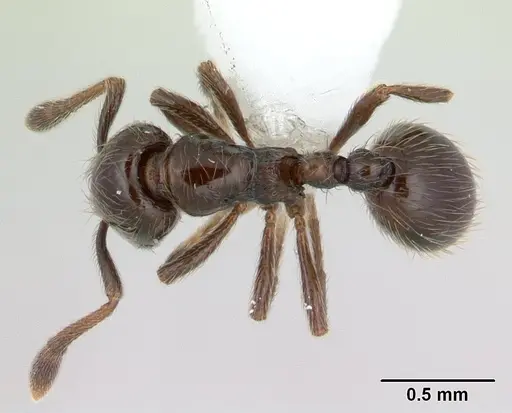
CASENT0611155
View on AntWeb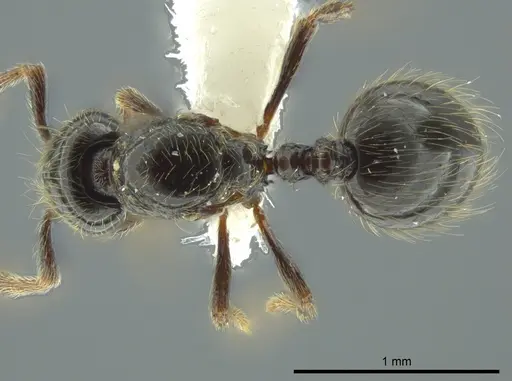
CASENT0631966
View on AntWeb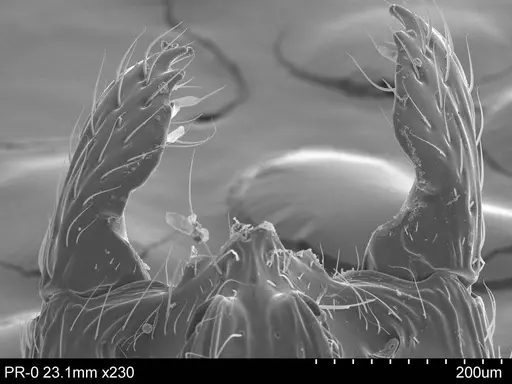
LACMENT144595
View on AntWeb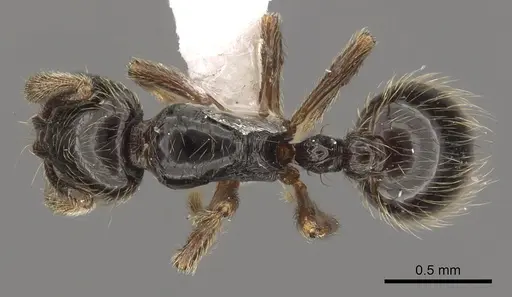
Literature
Loading...Loading products...