

Adelomyrmex brenesi
- Scientific Name
- Adelomyrmex brenesi
- Tribe
- Solenopsidini
- Subfamily
- Myrmicinae
- Author
- Longino, 2006
- Distribution
- Found in 1 countries
Adelomyrmex brenesi Overview
Adelomyrmex brenesi is an ant species of the genus Adelomyrmex. It is primarily documented in 1 countries , including Costa Rica. Detailed taxonomic data and occurrence records can be further explored via authoritative databases such as AntWeb or the Global Biodiversity Information Facility (GBIF).
Adelomyrmex brenesi
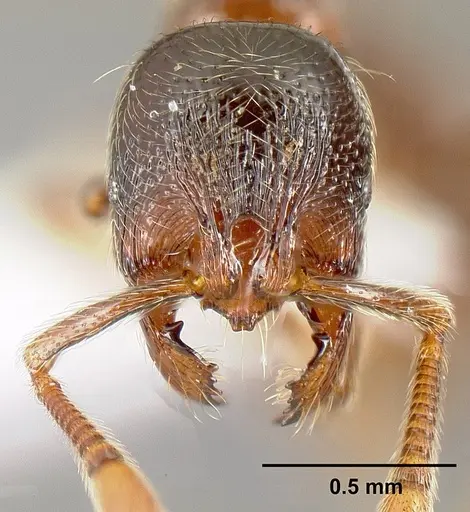
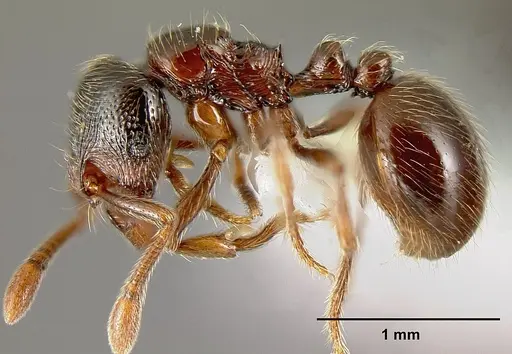
Adelomyrmex brenesi are tiny, dark reddish-brown ants found only on the peak of Volcan Barva in Costa Rica [1][2]. Workers have heads less than one millimeter wide and sport distinctive triangular spines on their propodeum (the segment before the waist) [1]. These ants live exclusively at 2000 meters elevation in cloud forest habitat, representing one of the highest ant populations in the region [2]. Sadly, they are likely facing extinction in the wild due to climate change warming their mountaintop home [2].
Quick Summary
- Difficulty: Expert
- Origin & Habitat: Volcan Barva, Costa Rica, montane cloud forest at 2000m elevation [1][2]
- Colony Type: Unknown, no queens have been documented for this species
- Size & Growth:
- Queen: Unknown
- Worker: Approximately 2-3mm total length (head width 0.7mm) [1]
- Colony: Unknown
- Growth: Unknown
- Development: Estimated 8-12 weeks at 20°C (no direct data, estimate based on typical small Myrmicinae) (Development time is unconfirmed for this species)
- Antkeeping:
- Temperature: Cool and stable, approximately 15-20°C (inferred from 2000m elevation habitat) [2]
- Humidity: High humidity required, maintain damp substrate similar to cloud forest floor conditions
- Diapause: Unknown, likely not required for tropical montane species
- Nesting: Unknown, collected from leaf litter, likely requires naturalistic setup with decaying plant matter
- Behavior: Temperament is unstudied. Their extremely small size means they can escape through minute gaps and require excellent barrier protection.
- Common Issues: virtually unavailable in the antkeeping trade due to extreme rarity and limited wild population., unknown colony founding behavior makes captive propagation uncertain., requires cool temperatures that are difficult to maintain in typical heated ant setups., wild populations are threatened by climate change and mountaintop extinction risk [2].
Conservation Status and Availability
Adelomyrmex brenesi is one of the rarest ants in the world. Only five specimens have ever been collected, one holotype and four paratypes, all from the same location on Volcan Barva in 2002 [1]. They have never been found anywhere else, despite extensive sampling [2]. Their entire known range covers a narrow band at 2000 meters elevation on this single mountaintop [2]. Climate change poses a severe threat to this species. As temperatures rise, suitable habitat on the mountain peak shrinks, potentially leading to mountaintop extinction [2]. For antkeepers, this means you will almost certainly never encounter this species in the trade. Any attempt to keep them would require collecting from the wild, which is strongly discouraged given their conservation status and extremely limited population.
Housing and Setup
Given their tiny size, workers have heads only 0.7mm wide, escape prevention is critical [1]. You would need extremely fine mesh (smaller than standard fly screen) and tight-fitting lids on all containers. Based on their collection from leaf litter samples, they likely prefer naturalistic setups with deep layers of decaying leaves, twigs, and moist soil [1]. A standard test tube setup might work for founding, but the small diameter of test tubes may be too dry for these cloud forest ants. If housing were attempted, a naturalistic terrarium with live moss and consistent moisture would be more appropriate than acrylic formicaria.
Temperature and Environment
Living at 2000 meters elevation in Costa Rica, these ants experience cool, stable conditions unlike the hot lowland tropics [2]. Temperatures at this elevation typically range from 15-20°C year-round with high humidity. You should aim for similar cool conditions, avoid heating cables or warm rooms. A stable temperature around 18°C would be ideal, though this is an estimate based on their elevation since no thermal preference studies exist. They likely do not require hibernation as they come from a tropical climate, but they definitely need cooler temperatures than most popular pet ant species.
Feeding and Diet
The diet of Adelomyrmex brenesi is unknown. Related ants in the genus Adelomyrmex are generally predatory scavengers that hunt small soil arthropods. Based on their tiny size, they would likely accept springtails, minute soil mites, and possibly very small insect fragments. Sugar sources such as honey or sugar water may or may not be accepted, offer small amounts to test acceptance, but do not rely on them as a primary food source. Given their rarity, any captive colony would require careful observation to determine dietary preferences.
Frequently Asked Questions
Can I keep Adelomyrmex brenesi as a pet?
You will almost certainly never have the opportunity to keep this species. Only five specimens have ever been collected, and they are restricted to a single mountaintop in Costa Rica [1][2]. They are not available in the antkeeping trade, and wild collection is strongly discouraged due to their extreme rarity and conservation status.
Where do Adelomyrmex brenesi come from?
They are found only on the peak of Volcan Barva in Costa Rica, specifically at 2000 meters elevation in the Braulio Carrillo National Park [1][2]. This is a montane cloud forest habitat.
Are Adelomyrmex brenesi endangered?
While not officially listed on the IUCN Red List, they are considered at high risk of extinction. They are known from only five specimens collected from a tiny area on one mountain peak, and researchers have identified them as being in danger of mountaintop extinction due to climate change [2].
What temperature do Adelomyrmex brenesi need?
Based on their collection at 2000 meters elevation in Costa Rica, they likely require cool, stable temperatures around 15-20°C [2]. This is an estimate based on their habitat, as no thermal studies have been conducted.
How big are Adelomyrmex brenesi workers?
They are very small. The holotype worker has a head width of only 0.7mm and head length of 0.8mm, suggesting total body length of approximately 2-3mm [1].
How long does it take for Adelomyrmex brenesi eggs to become workers?
The development timeline is completely unknown. Based on typical small Myrmicinae, you might expect 8-12 weeks at moderate temperatures, but this is purely an estimate.
Can I keep multiple Adelomyrmex brenesi queens together?
This is unknown. The colony structure (whether they have one queen or multiple) has never been documented for this species. Combining multiple queens would be experimental and risky.
What do Adelomyrmex brenesi eat?
Their diet is unknown. Based on related species, they likely prey on tiny soil arthropods like springtails and mites. They may also accept sugar sources, but this is unconfirmed.
Do Adelomyrmex brenesi need hibernation?
This is unknown. As a tropical species, they likely do not require true hibernation, but may slow down during cooler periods. Their montane habitat suggests they tolerate cooler temperatures than lowland tropical ants.
References

This caresheet is licensed under CC BY-SA 4.0 .
JTLC000003382
View on AntWeb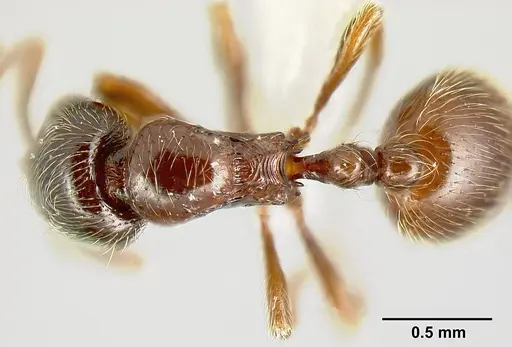
Literature
Loading...Loading products...