

Adelomyrmex biroi
- Scientific Name
- Adelomyrmex biroi
- Tribe
- Solenopsidini
- Subfamily
- Myrmicinae
- Author
- Emery, 1897
- Distribution
- Found in 3 countries
Adelomyrmex biroi Overview
Adelomyrmex biroi is an ant species of the genus Adelomyrmex. It is primarily documented in 3 countries , including Papua New Guinea, Palau, Solomon Islands. Detailed taxonomic data and occurrence records can be further explored via authoritative databases such as AntWeb or the Global Biodiversity Information Facility (GBIF).
Adelomyrmex biroi
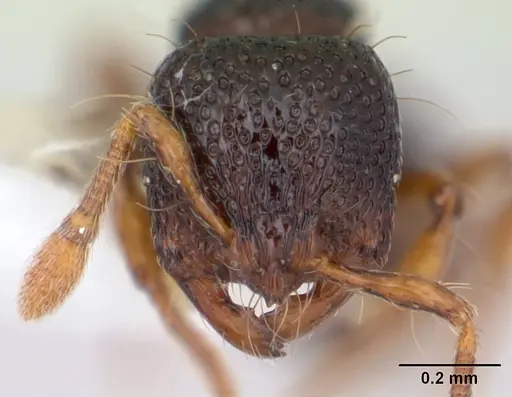
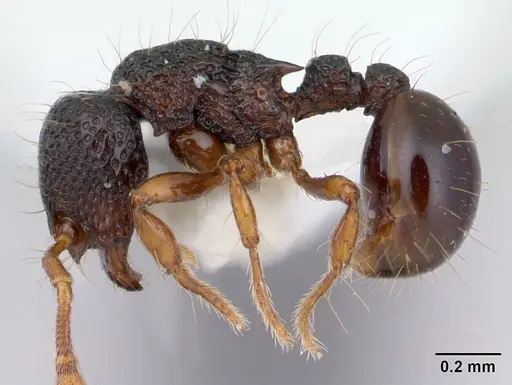
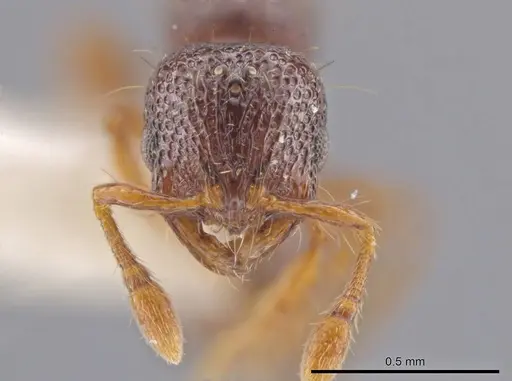
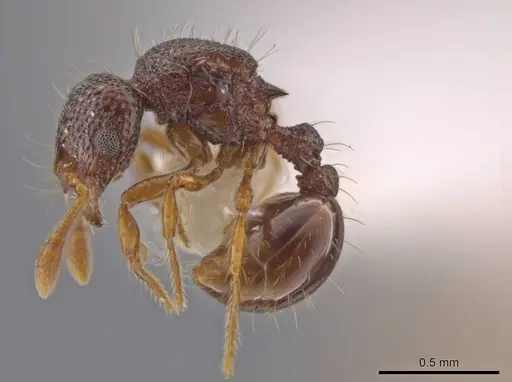
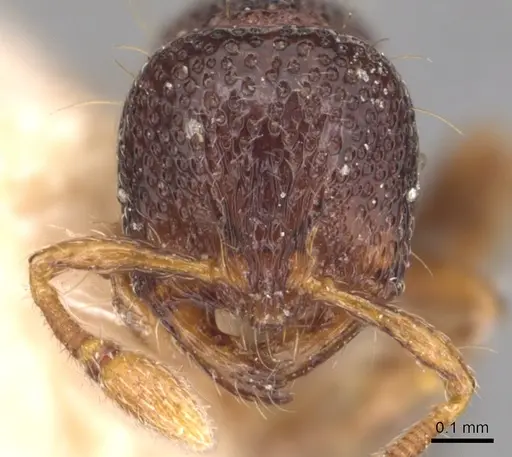
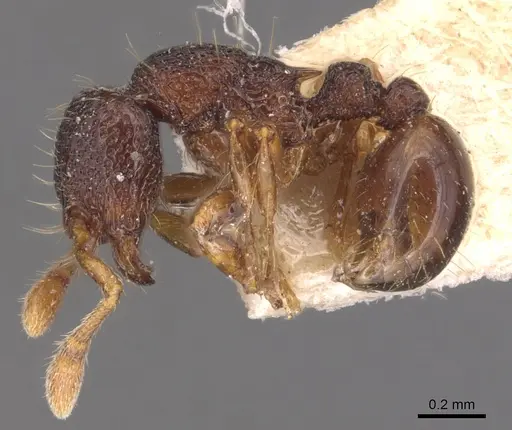
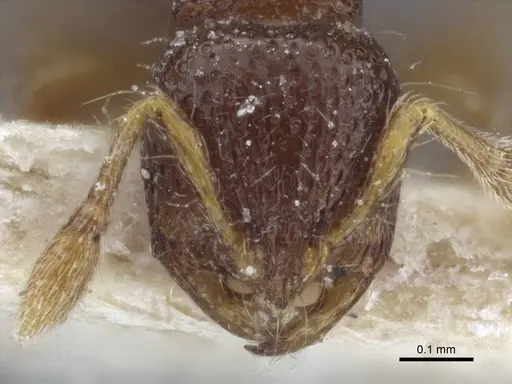
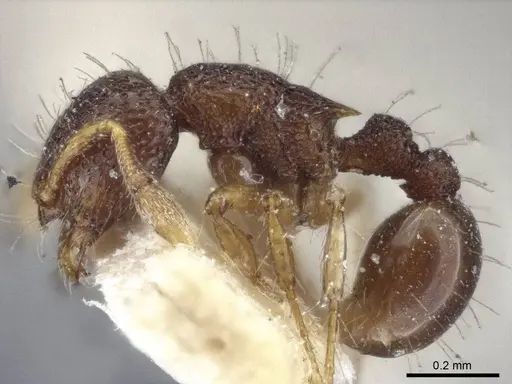
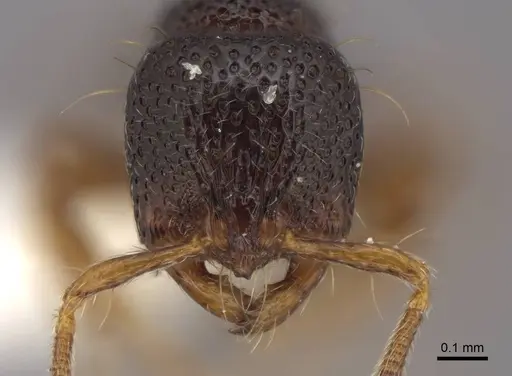
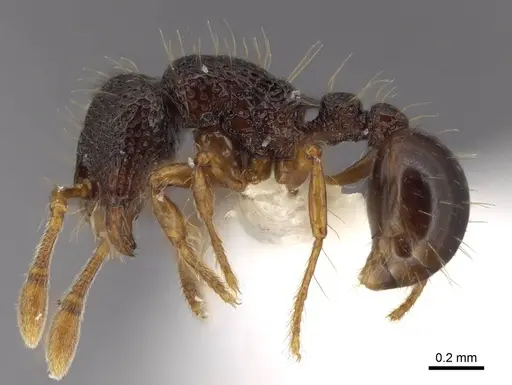
Adelomyrmex biroi is a tiny, dark ant species native to Papua New Guinea and surrounding regions in the Australasian and Oceania zones. Workers measure just 2.21mm in total length, making them one of the smaller ant species you'll encounter. They have a distinctive appearance with a black body, dark brown abdomen (gaster), and lighter legs and antennae. Their most notable physical features include a punctate (dotted) sculpture covering much of their body, sharply angled sides on the pronotum, and two short spines on the propodeum. This species belongs to the Solenopsidini tribe within the Myrmicinae subfamily and is known only from worker specimens, queens and males have never been described. The species was first described by Emery in 1897 and later redescribed by Fernández in 2003 [1][2].
Almost nothing is known about the biology of this species, no research exists on their colony structure, founding behavior, diet, or captive care requirements. What we can infer comes from their tropical New Guinea habitat and their position within the Solenopsidini tribe, which includes common house ants and fire ants. They likely live in humid rainforest environments and may have generalist feeding habits typical of related genera. This makes them an enigmatic species for advanced antkeepers who enjoy working with poorly documented species [3].
Quick Summary
- Difficulty: Expert
- Origin & Habitat: Papua New Guinea and surrounding Pacific islands including New Caledonia and Palau. Found in tropical rainforest environments at elevations around 650m in the Wau region. The habitat is characterized by high humidity, warm temperatures, and dense vegetation [2][3].
- Colony Type: Unknown, colony structure has not been documented. Related Solenopsidini species are typically single-queen colonies, but this cannot be confirmed for A. biroi.
- Size & Growth:
- Queen: Unknown, queens have never been described [2]
- Worker: 2.21mm total length (HL 0.54mm, HW 0.50mm, SL 0.34mm) [2]
- Colony: Unknown, no colony size data exists
- Growth: Unknown
- Development: Unknown, no development data exists. Based on typical Myrmicinae patterns and their small size, estimate 4-8 weeks at tropical temperatures, but this is a rough guess. (Development timeline is entirely unconfirmed. Related small Myrmicinae species in tropical environments typically develop faster than temperate species.)
- Antkeeping:
- Temperature: Likely needs warm, stable conditions typical of tropical species. Based on their Papua New Guinea origin, aim for 24-28°C. Avoid temperatures below 20°C. Use a heating cable or heat mat on one side of the nest to create a gentle gradient.
- Humidity: Requires high humidity, think damp rainforest floor. Keep nest substrate consistently moist but not waterlogged. Mist occasionally and provide a water tube for drinking. Target 70-85% humidity if using a formicarium with humidity monitoring.
- Diapause: Unlikely, tropical species from Papua New Guinea probably do not require a hibernation period. Maintain warm conditions year-round.
- Nesting: No specific data exists, but related Solenopsidini often nest in soil, under stones, or in rotting wood. A naturalistic setup with moist substrate or a Y-tong/plaster nest with good humidity retention would likely work well. Their tiny size means they need very small chambers and narrow passages.
- Behavior: Behavior is undocumented. Related small Myrmicinae are typically generalist foragers that search for protein and sugar sources. Their tiny size (2.21mm) means escape prevention must be excellent, they can squeeze through remarkably small gaps. Use fine mesh barriers and tight-fitting lids. Temperament is unknown but related genera are generally not aggressive toward humans.
- Common Issues: no biological data exists, all care is speculative based on related species, escape prevention is critical due to their very small size, queens have never been documented so founding a colony from wild-caught queens may not be possible, no established feeding guidelines, experimental approach required, humidity management is challenging but critical for tropical species
Understanding the Challenge: A Poorly Documented Species
Adelomyrmex biroi represents both a challenge and an opportunity in antkeeping. This species has essentially no scientific literature on its biology, we don't know how they form colonies, what they eat, how many workers a mature colony reaches, or even what their queens look like. Everything we know about them comes from morphological descriptions of worker specimens collected in the early 1900s and 2003 [2]. This means you'll be essentially pioneering their captive care, which requires patience, careful observation, and a willingness to experiment. The upside is that successful captive breeding of such an obscure species would be a genuine contribution to antkeeping knowledge. Start with realistic expectations, this is not a species for beginners, and even experienced keepers should be prepared for a steep learning curve.
Housing and Nest Setup
Given their tiny size (workers just 2.21mm), Adelomyrmex biroi requires carefully scaled housing. A test tube setup works well for founding colonies, use a small test tube with a cotton ball separating the water reservoir from the ants. The tube should be kept horizontal or at a slight angle so the queen can access water. For established colonies, a Y-tong (acrylic) nest with very small chambers works better than standard formicarium setups. The passages should be narrow, roughly 3-5mm wide, to match their tiny body size. Whatever nest type you choose, prioritize humidity retention. These are tropical ants from Papua New Guinea, and they need consistently damp conditions. A plaster or acrylic nest with a water reservoir or moisture chamber on one side helps maintain humidity. Avoid dry, airy setups.
Temperature and Humidity Management
Since this species comes from tropical Papua New Guinea, they need warm, humid conditions year-round. Keep the nest area at 24-28°C, use a small heat mat or heating cable on one side of the nest to create a gentle temperature gradient. Never let temperatures drop below 20°C, as prolonged cool conditions will likely stress or kill them. For humidity, aim for 70-85% relative humidity within the nest. The substrate should feel consistently damp but never waterlogged. You can achieve this by keeping the water tube filled, misting occasionally, and using a nest material that retains moisture well. A small water tube for drinking is essential, these tiny ants need constant access to water. Monitor for condensation on the nest walls, which indicates humidity is in the right range.
Feeding: An Experimental Approach
No specific dietary research exists for Adelomyrmex biroi, so you'll need to experiment based on what related Solenopsidini ants typically eat. Start with small live prey, fruit flies, pinhead crickets, and small mealworms are appropriate given their tiny size. They will likely accept protein-rich foods readily. For sugars, try offering a drop of honey water or sugar water, though acceptance is uncertain. Related genera like Solenopsis and Monomorium are generalists that forage for both protein and carbohydrates. Offer food every 2-3 days and remove uneaten prey after 24 hours to prevent mold. Watch carefully to see what they actually consume versus what they ignore, and adjust your feeding strategy accordingly. Keep detailed notes, this information could help future keepers of this species.
Escape Prevention
With workers measuring just 2.21mm total length, escape prevention is absolutely critical. These ants are tiny enough to squeeze through gaps that would seem impossible. Use only fine mesh (at least 0.5mm mesh size or tighter) on any ventilation openings. Ensure all lid connections are tight-fitting, consider using tape or fluon on edges. When using test tubes, make sure the cotton is packed snugly and the cap fits securely. Even with these precautions, check for escapes daily, especially in the first few weeks. A single missed ant can quickly establish herself elsewhere in your setup. Some keepers use double-cage systems (one barrier inside another) for particularly small species.
Colony Founding and Acquisition
This is perhaps the biggest challenge with Adelomyrmex biroi, queens have never been scientifically described, meaning we don't know what they look like or how to identify them [2]. This makes starting a colony extremely difficult. Your options are limited: you could try to find a mated queen in the wild during nuptial flights (timing unknown), attempt to establish a colony from a wild worker collection (which rarely succeeds), or wait for future research to describe the queen caste. Some keepers have had success establishing colonies from wild-found specimens of poorly documented species, but this requires significant expertise and often multiple attempts. If you're serious about keeping this species, connecting with researchers studying New Guinea ants might eventually provide access to colony specimens.
Frequently Asked Questions
How long does it take for Adelomyrmex biroi to develop from egg to worker?
This is completely unknown, no research exists on their development timeline. Based on typical patterns for small Myrmicinae in tropical environments, estimate 4-8 weeks at optimal temperatures (around 26°C), but this is a rough guess with no scientific backing.
What do Adelomyrmex biroi ants eat?
No species-specific dietary research exists. Based on their placement in the Solenopsidini tribe, they likely eat small insects, nectar, and honeydew like related ants. Offer small live prey (fruit flies, pinhead crickets) and sugar sources (honey water) and observe what they accept.
Can beginners keep Adelomyrmex biroi?
No, this species is not suitable for beginners. Almost nothing is known about their care requirements, queens have never been described, and their tiny size creates significant challenges. This species is best suited for expert antkeepers who enjoy working with poorly documented species and can handle experimental care.
Do Adelomyrmex biroi ants need hibernation?
Unlikely, they come from tropical Papua New Guinea where temperatures remain warm year-round. Maintain warm conditions (24-28°C) throughout the year. Do not attempt to cool them for winter dormancy.
How big do Adelomyrmex biroi colonies get?
Unknown, no colony size data exists in the scientific literature. Based on their tiny worker size (2.21mm) and related species patterns, colonies likely reach a few hundred workers at most, not the thousands seen in some Myrmicinae.
What temperature should I keep Adelomyrmex biroi at?
Based on their tropical origin, aim for 24-28°C. Use a heating cable or heat mat on one side of the nest to create a gentle gradient. Avoid temperatures below 20°C.
Are Adelomyrmex biroi ants aggressive?
No specific data exists, but related small Solenopsidini are generally not aggressive toward humans. Their tiny size means they are unlikely to sting, and even if they could, their venom would have minimal effect on humans.
Where can I get Adelomyrmex biroi queens?
This is extremely difficult, queens have never been scientifically described, so they cannot be reliably identified or purchased. Your best option would be to connect with researchers working in Papua New Guinea or to find established captive colonies if any exist in the antkeeping hobby.
What humidity do Adelomyrmex biroi ants need?
High humidity is likely required, they come from tropical rainforest environments. Keep nest substrate consistently moist and target 70-85% humidity within the nest. Provide a water tube for drinking access.
Can I keep multiple Adelomyrmex biroi queens together?
Unknown, no research exists on their colony structure. Without knowing whether they are single-queen or multi-queen species, combining unrelated queens is not recommended. Wait for future research to clarify this.
Why is so little known about Adelomyrmex biroi?
This species comes from Papua New Guinea, a region that has received relatively little ant research attention compared to other areas. The original specimens were collected in the late 1800s and early 1900s, and no one has subsequently studied their biology in detail. The queen caste remains undescribed, which is unusual and limits our understanding significantly.
References

This caresheet is licensed under CC BY-SA 4.0 .
CASENT0178445
View on AntWeb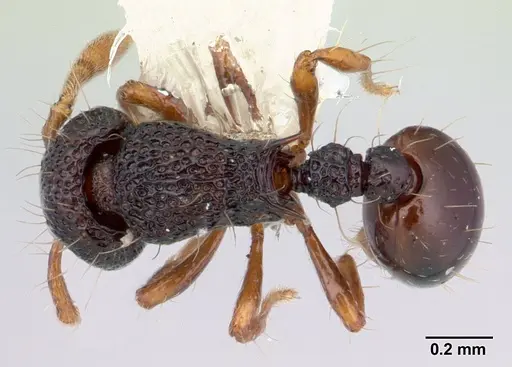
CASENT0632281
View on AntWeb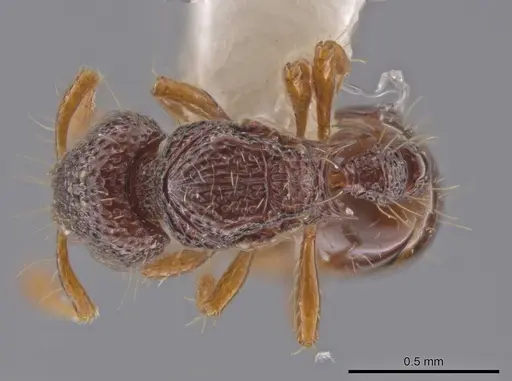
CASENT0632303
View on AntWeb
CASENT0904783
View on AntWeb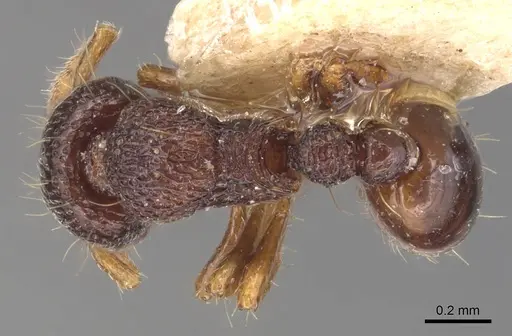
CASENT0916623
View on AntWeb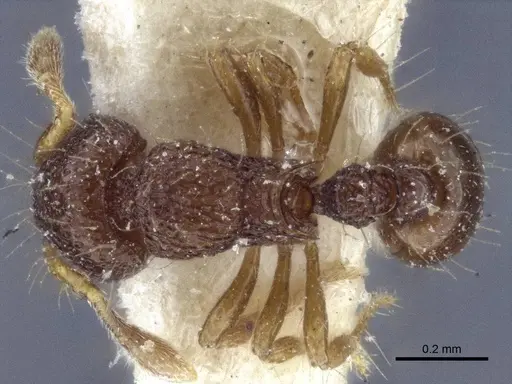
FMNHINS0000065818
View on AntWeb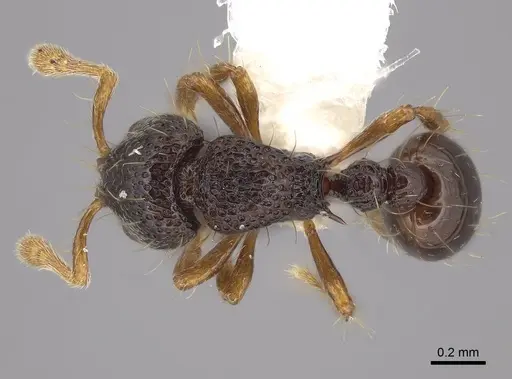
Literature
Loading...Loading products...