

Adelomyrmex anxiocalor
- Scientific Name
- Adelomyrmex anxiocalor
- Tribe
- Solenopsidini
- Subfamily
- Myrmicinae
- Author
- Longino, 2012
- Distribution
- Found in 1 countries
Adelomyrmex anxiocalor Overview
Adelomyrmex anxiocalor is an ant species of the genus Adelomyrmex. It is primarily documented in 1 countries , including Honduras. Detailed taxonomic data and occurrence records can be further explored via authoritative databases such as AntWeb or the Global Biodiversity Information Facility (GBIF).
Adelomyrmex anxiocalor
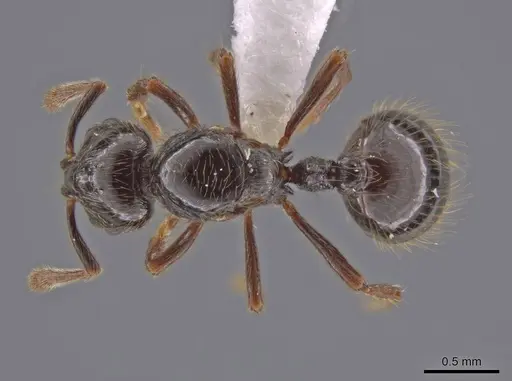
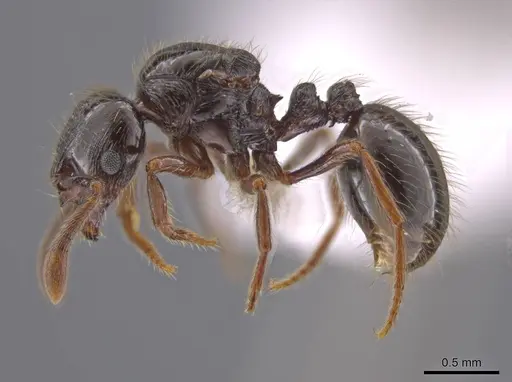
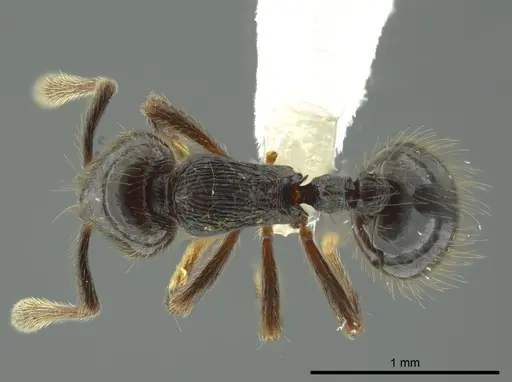
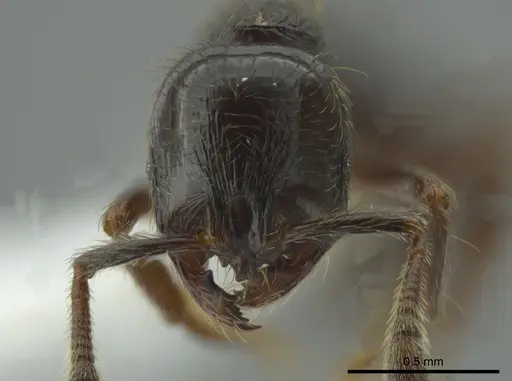
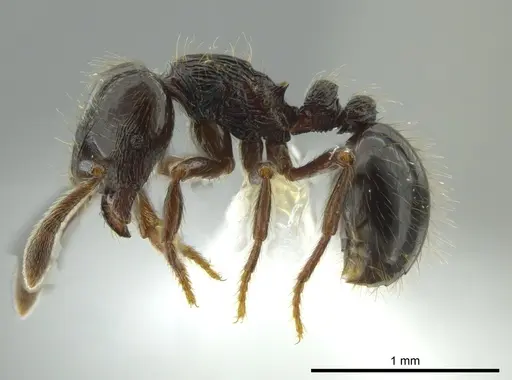
Adelomyrmex anxiocalor is a tiny, dark brown to black ant species belonging to the Myrmicinae subfamily. Workers measure just 0.65-0.76 mm in head width, making them among the smaller ants you'll encounter in the antkeeping hobby. The species has a smooth, shining face with distinctive longitudinal rugae on the promesonotum and well-developed propodeal spines. This species was only recently described in 2012 and is known exclusively from a single mountain peak in eastern Honduras [1].
What makes this species particularly fascinating is its extreme specialization, it lives only above 2000 m elevation in the cloud forests of La Picucha, the highest peak in the Sierra de Agalta. The species name "anxiocalor" literally means "fearing heat, " chosen in reference to its vulnerability to climate change. This is a true mountain top endemic that exists nowhere else on Earth, making it one of the rarest ants in the hobby if available at all [1].
Quick Summary
- Difficulty: Expert
- Origin & Habitat: Honduras, Olancho, exclusively from La Picucha in the Sierra de Agalta, above 2000 m elevation in wet cloud forest and dwarf forest [1]
- Colony Type: Colony structure is unconfirmed. Based on typical Myrmicinae patterns, likely single-queen colonies, but no specific data exists for this species.
- Size & Growth:
- Queen: Similar to worker morphology but with enlarged mesosoma, estimated slightly larger than workers [1]
- Worker: 0.65-0.76 mm head width [1]
- Colony: Unknown, species was abundant in samples (80% of miniWinkler samples) but no colony size data exists
- Growth: Unknown, estimated moderate based on small worker size and typical Myrmicinae development
- Development: Estimated 6-10 weeks based on related Myrmicinae species at optimal temperature (No direct development data exists for this species. Estimate based on genus-level patterns for small Myrmicinae.)
- Antkeeping:
- Temperature: This is a critical concern, as the name suggests, these ants fear heat. They come from a cool, high-elevation cloud forest environment. Keep them cool, aim for 15-20°C, possibly lower. Never expose them to temperatures above 25°C. Room temperature may be too warm in many homes [1].
- Humidity: High humidity is essential. These ants live in wet cloud forest conditions above 2000 m elevation. Keep nest substrate consistently moist but not waterlogged. Mist regularly and consider a humidified outworld. Think damp forest floor conditions [1].
- Diapause: Unknown, likely has a seasonal slowdown given the temperate-like conditions at high elevation in Honduras. Monitor for reduced activity during what would be winter months.
- Nesting: In the wild, they nest in sifted leaf litter in cloud forest environments. For captivity, use a naturalistic setup with plenty of substrate depth, or a Y-tong/plaster nest with small chambers. They prefer tight, humid spaces scaled to their tiny size. Avoid dry conditions entirely [1].
- Behavior: These are tiny, cryptic ants that forage in leaf litter. Workers came to baits in the wild, suggesting they do forage above ground. They are likely non-aggressive and docile given their small size. Escape prevention is critical, at 0.65-0.76 mm, they can squeeze through incredibly small gaps. Use fine mesh barriers and tight-fitting lids. Their tiny size makes them vulnerable and they likely avoid confrontation [1].
- Common Issues: temperature management is the biggest challenge, they cannot tolerate warmth and may die if kept at typical room temperature, escape prevention is critical due to their extremely small size, they can slip through standard barrier setups, availability is extremely limited, this is one of the rarest species in the hobby, known only from a single mountain peak, humidity must be consistently high, dry conditions will likely be fatal, no captive husbandry information exists, this is essentially an uncharted species for antkeeping
Temperature and Thermal Management
Temperature is the most critical factor for keeping Adelomyrmex anxiocalor. This species is named "anxiocalor", fearing heat, for good reason. They come from a cool mountain top environment above 2000 m elevation in Honduras, where temperatures are much cooler than typical room temperature. You must keep them cool, ideally around 15-20°C. This may require placing the colony in a cool room, using a cooling device, or carefully managing their placement away from heat sources. Never allow temperatures to exceed 25°C. In fact, if your room runs warm (above 22°C), you may need active cooling. This makes them one of the most challenging species for temperature management in the hobby. The name truly reflects their nature, they are heat-averse and climate change threatens their entire existence in the wild [1].
Humidity Requirements
As cloud forest inhabitants, these ants require consistently high humidity. In the wild, they live above 2000 m in wet cloud forest conditions where moisture is constantly present. Keep the nest substrate moist but not waterlogged, it should feel damp to the touch. Consider using a humidified outworld and mist the setup regularly. A naturalistic setup with deep substrate works well since it holds moisture better than test tubes. You can also use a plaster or Y-tong nest with a water reservoir to maintain humidity. The key is never letting the environment dry out. These tiny ants are adapted to constant moisture and will likely perish in dry conditions [1].
Housing and Nest Setup
Given their tiny size and leaf litter nesting habits, a naturalistic setup with plenty of substrate depth works best. They were collected from sifted leaf litter in the wild, so provide them with a thick layer of moist substrate they can forage through. A Y-tong or plaster nest with small, tight chambers also works well, the chambers should be appropriately scaled to their tiny 0.65-0.76 mm size. Avoid large, open spaces. Use excellent escape prevention, these ants are so small they can slip through gaps you wouldn't believe. Fine mesh, fluon barriers, and tight-fitting lids are essential. Because they came to baits in the wild, they will forage in the outworld, so make sure that area is also secure [1].
Feeding and Diet
In the wild, workers were collected at baits, suggesting they will forage for carbohydrate sources. However, being tiny leaf litter ants, their primary diet likely consists of small prey and honeydew. Offer sugar water or honey as a carbohydrate source, and provide small protein sources like fruit flies, pinhead crickets, or other appropriately sized prey. Given their minute size, prey items should be very small. They may also accept special ant foods designed for small species. Feed conservatively, small amounts of protein a few times per week, with sugar water always available. Remove uneaten food promptly to prevent mold in the humid environment they require [1].
Conservation and Ethical Considerations
This is perhaps the most important section for this species. Adelomyrmex anxiocalor is known from a single location, La Picucha in Honduras, and is considered threatened by climate change. The species literally means "fearing heat" because rising temperatures could eliminate its entire range. If you ever encounter this species in the hobby, it is critical to consider whether it should be kept at all. Captive breeding may be the only way to preserve this species long-term, but wild collection could potentially harm wild populations of an already extremely limited species. If you do keep them, your responsibility is significant, document your colony, consider breeding programs, and never release them in non-native areas. This is a species that demands serious commitment and ethical consideration [1].
Frequently Asked Questions
Is Adelomyrmex anxiocalor available in the antkeeping hobby?
Extremely unlikely. This species was only described in 2012 and is known from a single mountain peak in Honduras. It is one of the rarest ant species in existence and has never been exported for the hobby. If you encounter it, be extremely cautious about its origin.
What temperature does Adelomyrmex anxiocalor need?
Keep them cool, around 15-20°C. This species literally fears heat (anxiocalor means 'fearing heat'). They come from cool cloud forests above 2000 m elevation. Never expose them to temperatures above 25°C.
How big do Adelomyrmex anxiocalor colonies get?
Unknown. No colony size data exists for this species. They were abundant in leaf litter samples (80% of samples) but no colony estimates have been published.
Is Adelomyrmex anxiocalor a good species for beginners?
No. This is an expert-only species due to its extreme temperature requirements (needing cool conditions), high humidity needs, tiny size making escape prevention difficult, and the ethical considerations of keeping such a critically limited species. Additionally, no captive husbandry information exists.
What do Adelomyrmex anxiocalor ants eat?
Based on their size and leaf litter habits, they likely eat small prey and honeydew. Offer sugar water/honey and small live prey like fruit flies. They came to baits in the wild, so they will forage for carbohydrates.
Where does Adelomyrmex anxiocalor live in the wild?
Only from La Picucha, the highest peak in the Sierra de Agalta in eastern Honduras, above 2000 m elevation in wet cloud forest. This is a mountain top endemic that exists nowhere else on Earth.
How long does it take for Adelomyrmex anxiocalor to develop from egg to worker?
Unknown, no development data exists for this species. Based on related Myrmicinae, estimate 6-10 weeks at optimal temperature, but this is purely speculative.
Do Adelomyrmex anxiocalor need hibernation?
Unknown. Given their high-elevation origin in Honduras, they likely experience seasonal temperature changes and may have a period of reduced activity, but no specific data exists.
Can I keep multiple Adelomyrmex anxiocalor queens together?
Unknown. No data exists on colony structure or queen behavior for this species. Do not attempt combining unrelated queens without evidence they can coexist.
What makes Adelomyrmex anxiocalor special?
This species is a mountain top endemic with an extremely limited range, known only from a single peak in Honduras. Its name means 'fearing heat' due to its vulnerability to climate change. It is one of the rarest and most geographically restricted ant species known to science.
Are Adelomyrmex anxiocalor aggressive?
No evidence exists, but given their tiny size, they are likely docile and non-confrontational. They probably avoid conflict rather than engage in aggressive behavior.
References

This caresheet is licensed under CC BY-SA 4.0 .

Literature
Loading...Loading products...