

Acropyga smithii
- Scientific Name
- Acropyga smithii
- Tribe
- Plagiolepidini
- Subfamily
- Formicinae
- Author
- Forel, 1893
- Distribution
- Found in 12 countries
Acropyga smithii Overview
Acropyga smithii is an ant species of the genus Acropyga. It is primarily documented in 12 countries , including Brazil, Belize, Colombia. Detailed taxonomic data and occurrence records can be further explored via authoritative databases such as AntWeb or the Global Biodiversity Information Facility (GBIF).
Acropyga smithii
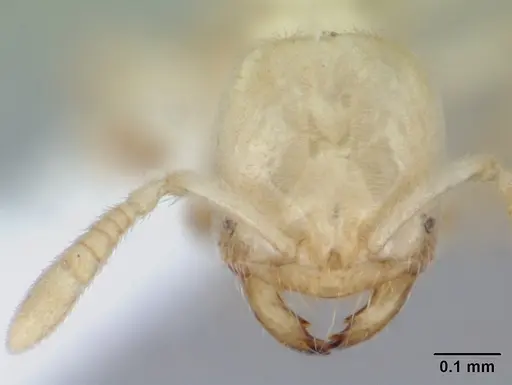
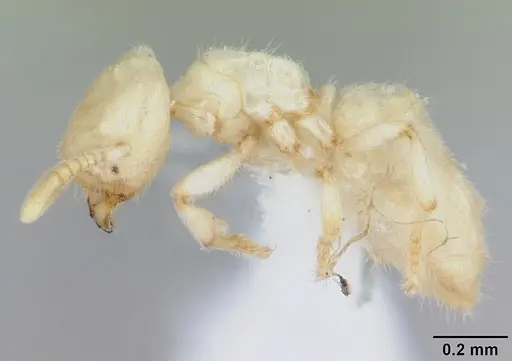
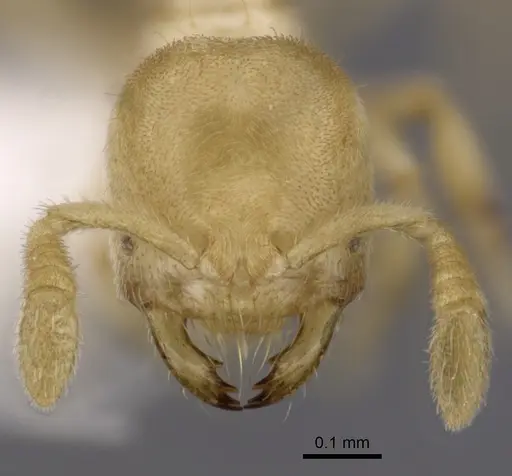
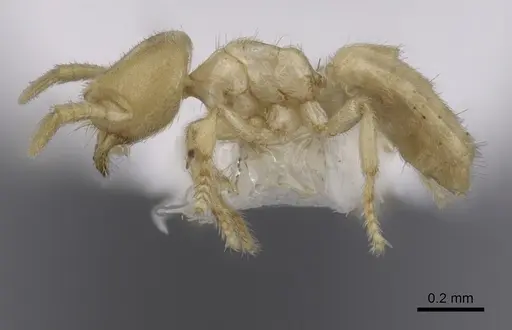
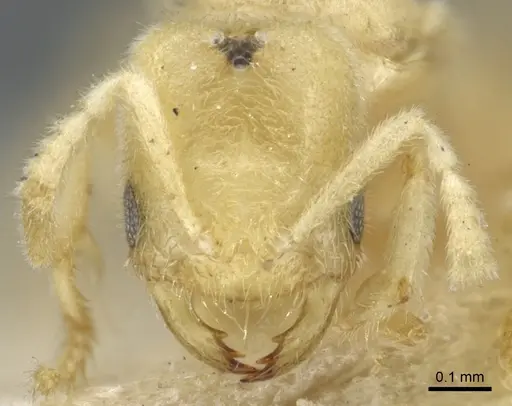
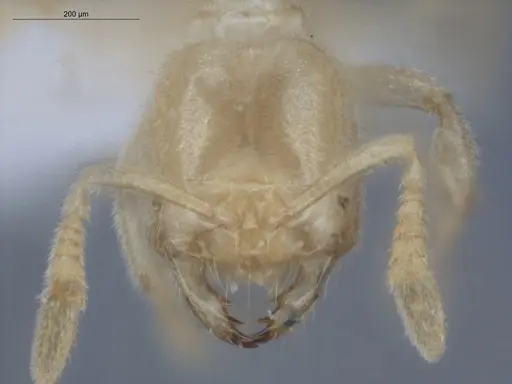
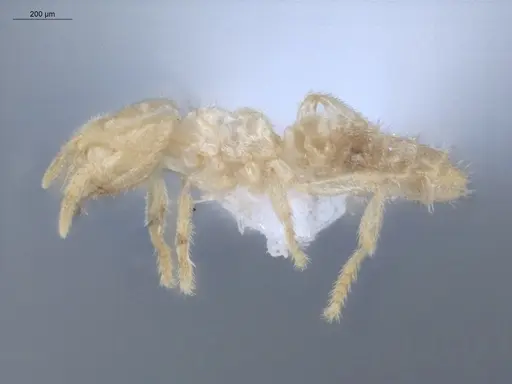
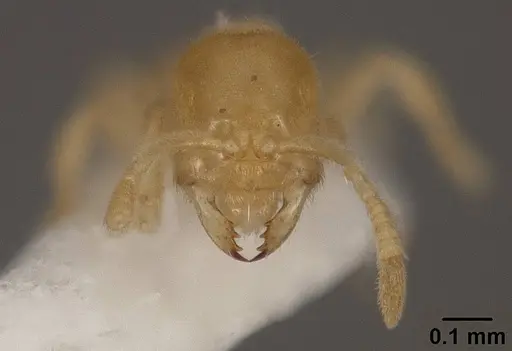
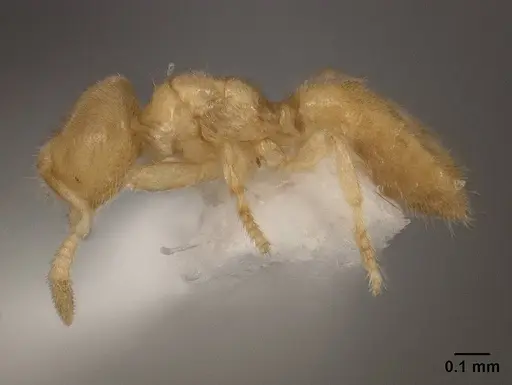
Acropyga smithii is a tiny yellow ant (workers 1.23-1.62mm) found across the Neotropics from Central America through South America [1]. They belong to the Formicinae subfamily and are part of the smithii species-group, making them one of the smallest ants in the genus [2]. These ants live in rainforests and cacao plantations, nesting in soil and leaf litter, with colonies found as deep as 7.5cm in red clay soils [1]. What makes this species special is their obligate relationship with mealybugs, they farm scale insects for honeydew, making them unusual among ants that typically forage for protein and sugar directly.
Quick Summary
- Difficulty: Medium
- Origin & Habitat: Neotropical rainforests and cacao plantations from Belize south through Brazil, Colombia, Costa Rica, Panama, Peru, and the Lesser Antilles [1][3][4]. They live in soil and leaf litter, typically nesting in red clay soils [1].
- Colony Type: Polygynous, colonies have multiple queens. At least two queens have been found in a single nest [1].
- Colony: Polygyne
- Size & Growth:
- Queen: 2.07-2.24mm [1]
- Worker: 1.23-1.62mm [1]
- Colony: Unknown maximum, but colonies are small to moderate based on related species
- Growth: Moderate, estimated based on tropical Formicinae patterns
- Development: Estimated 6-8 weeks at optimal temperature based on genus patterns (Direct development data unavailable, inferred from related Acropyga species)
- Antkeeping:
- Temperature: Keep at 24-28°C, they are tropical ants requiring warm, stable conditions [1]
- Humidity: High humidity preferred. Keep substrate consistently moist but not waterlogged, they naturally live in rainforest floor conditions [1]
- Diapause: No, as a tropical species, they do not require hibernation. Maintain warm conditions year-round [1]
- Nesting: Naturalistic setup with moist soil substrate works best. They are hypogaeic (subterranean) ants that prefer to nest in soil and under objects like stones or rotting logs [5][1]. A Y-tong or plaster nest with a soil chamber works well.
- Behavior: Docile and non-aggressive. These ants are specialized mealybug farmers, they don't forage like typical ants but instead tend their symbiotic scale insects for honeydew [1]. Workers are tiny and may be overlooked in the wild. They are not known to sting and pose no danger to keepers. Their small size means escape prevention is important, they can slip through tiny gaps.
- Common Issues: specialized diet makes feeding challenging, they require honeydew from mealybugs, subterranean lifestyle means they often stay hidden in the nest, tiny size makes them easy to overlook and difficult to monitor, maintaining mealybug symbionts adds complexity to their care, high humidity requirements can lead to mold issues if ventilation is poor
Housing and Nest Setup
Acropyga smithii is a subterranean species that prefers to nest in soil. A naturalistic setup with a moist soil chamber works best, you can use a Y-tong nest with a soil insert, or a plaster formicarium with a dirt section. They are tiny ants, so any connections to the outworld should be narrow to prevent escapes. Provide a water source via test tube connected to the nest. They do not need much vertical space since they are ground-dwelling. Keep the nest area humid and dark, as they naturally live hidden in soil and leaf litter [5][1].
Feeding and Diet
This is the most challenging aspect of keeping Acropyga smithii. They are obligate mealybug farmers, in the wild, they tend scale insects (Neochavesia eversi and Geococcus coffeae) for honeydew [1]. In captivity, you will need to maintain a colony of mealybugs alongside the ants. Offer sugar water or honey water as a substitute, though they may have difficulty accessing it due to their small size. They may accept small insects occasionally, but their primary food source is honeydew from their symbiotic scale insects. This specialized diet makes them more suitable for experienced keepers [1][6].
Temperature and Humidity
As a tropical species, Acropyga smithii needs warm conditions. Keep the nest at 24-28°C consistently. They are native to rainforests, so high humidity is important, aim for 70-80% relative humidity in the nest area. The substrate should remain moist but never waterlogged. A small water reservoir connected to the nest helps maintain humidity. Avoid temperature drops below 20°C, as this can stress the colony. Room temperature within this range is acceptable if your home stays warm [1].
Behavior and Colony Dynamics
Acropyga smithii is polygynous, meaning colonies naturally have multiple queens working together [1]. This makes them different from many ants that have single queens. Colonies are relatively small compared to typical ants, workers are among the smallest in the genus at just 1.23-1.62mm [2]. They are docile and non-aggressive, with no sting to worry about. Workers spend most of their time tending to mealybugs in the nest rather than foraging openly. The queens have been found under the bark of rotting logs, suggesting they may establish in pre-existing cavities in wood [1].
Handling and Safety
These ants pose no danger to keepers. They are extremely small, docile, and do not have a functional sting. However, their tiny size (under 2mm) means they can easily escape through very small gaps. Use fine mesh on any ventilation holes and ensure all connections are tight. They are not aggressive and will not defend the nest aggressively. When cleaning or moving the colony, work gently to avoid crushing these tiny ants. They are best observed with magnification due to their small size.
Frequently Asked Questions
What do Acropyga smithii ants eat?
They are specialized mealybug farmers. In the wild, they tend scale insects (Neochavesia eversi and Geococcus coffeae) for honeydew. In captivity, you need to maintain mealybugs or offer sugar water/honey water. They may accept small insects occasionally but honeydew is their primary food source [1].
How big do Acropyga smithii colonies get?
Colony size is not well documented, but based on their small worker size (1.23-1.62mm) and related species, colonies are likely small to moderate, probably under a few hundred workers. They are polygynous, so multiple queens contribute to colony growth [1].
What temperature do Acropyga smithii need?
Keep them warm at 24-28°C. They are tropical ants from rainforests, so they need consistent warmth year-round. Avoid temperatures below 20°C [1].
Can I keep multiple queens together?
Yes, this species is naturally polygynous, colonies have been found with multiple queens in a single nest. Unlike many ants, they do not fight and can be kept together from the start [1].
How long does it take for first workers to appear?
Direct data is unavailable. Based on related Formicinae patterns, expect 6-8 weeks from egg to worker at optimal temperature (around 26°C). Development may be slower if temperatures are lower.
Are Acropyga smithii good for beginners?
No, they are not ideal for beginners. Their specialized diet (requiring mealybugs or honeydew sources) and need for high humidity make them more challenging than typical ants like Lasius or Camponotus.
What type of nest should I use?
A naturalistic setup with moist soil substrate works best. They are subterranean (hypogaeic) ants that prefer to nest in soil. A Y-tong with a soil chamber or a plaster formicarium with a dirt section is suitable [5].
Do they need hibernation?
No, they do not need hibernation. As tropical ants, they remain active year-round when kept warm. Maintain temperatures of 24-28°C throughout the year [1].
Why are my Acropyga smithii dying?
Common causes include: too low temperature (below 20°C), too dry conditions, lack of honeydew/sugar food source, or escapes due to their tiny size. Check that the nest is humid, warm, and that they have access to sugar. These ants are easily overlooked and may die in small crevices.
References

This caresheet is licensed under CC BY-SA 4.0 .
CASENT0178614
View on AntWeb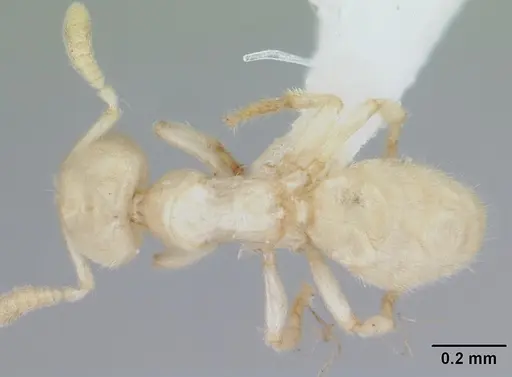
CASENT0249924
View on AntWeb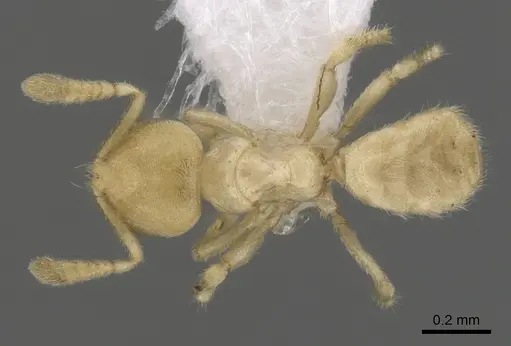
CASENT0903181
View on AntWeb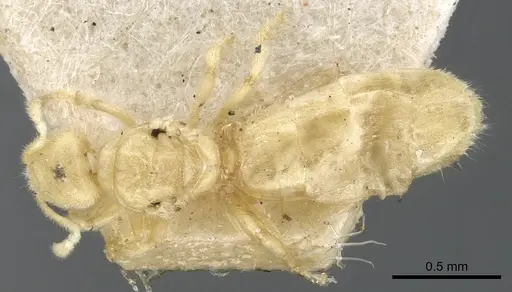
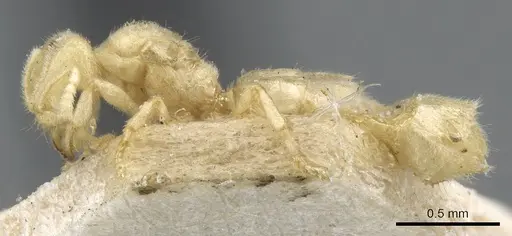
CBUMAGENT41826
View on AntWeb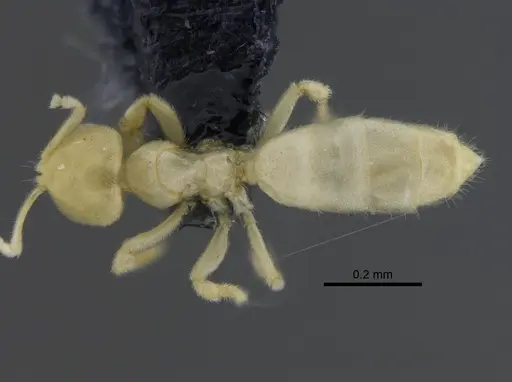
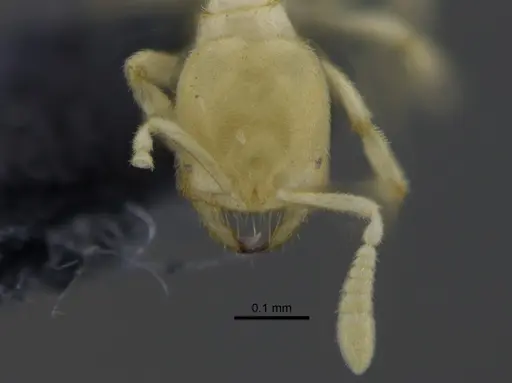
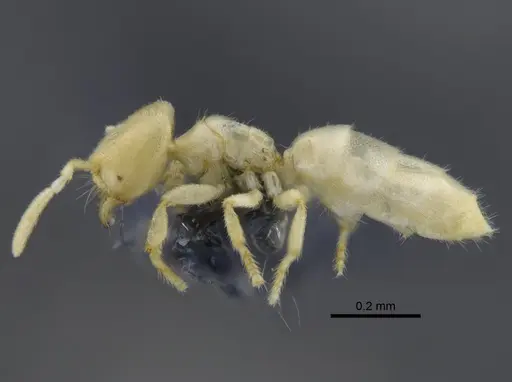
ECOFOG-IT14-0960-29
View on AntWeb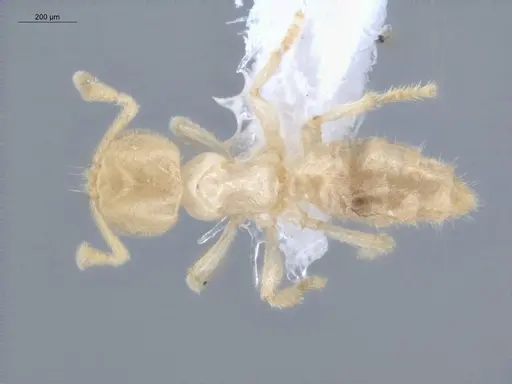
USNMENT01124202
View on AntWeb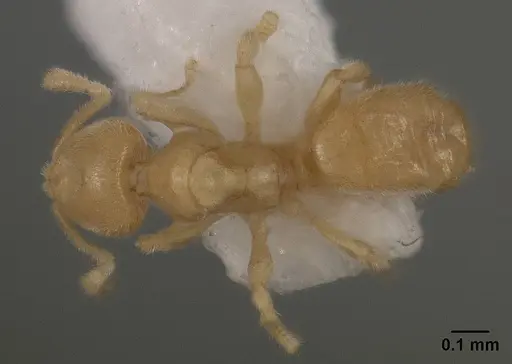
Literature
Loading...Loading products...