

Acropyga sauteri
- Scientific Name
- Acropyga sauteri
- Tribe
- Plagiolepidini
- Subfamily
- Formicinae
- Author
- Forel, 1912
- Distribution
- Found in 1 countries
Acropyga sauteri Overview
Acropyga sauteri is an ant species of the genus Acropyga. It is primarily documented in 1 countries , including Japan. Detailed taxonomic data and occurrence records can be further explored via authoritative databases such as AntWeb or the Global Biodiversity Information Facility (GBIF).
Acropyga sauteri
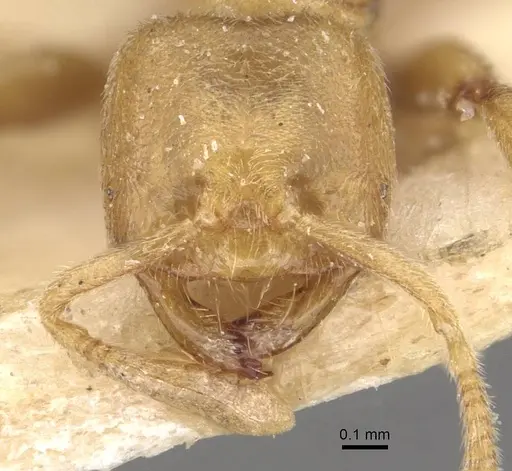
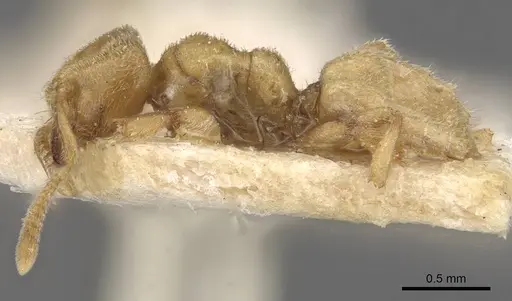
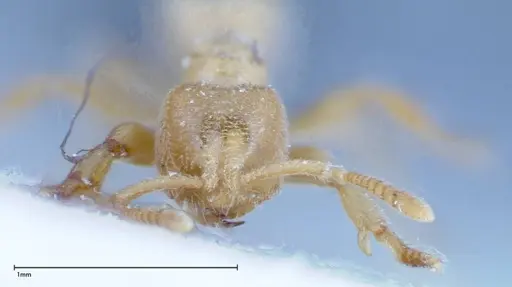
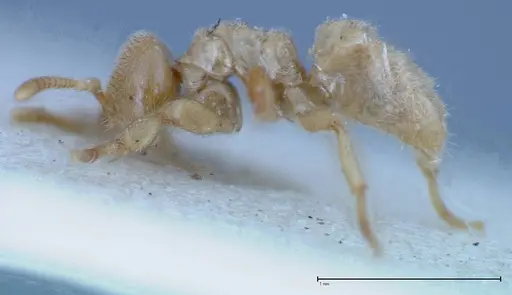
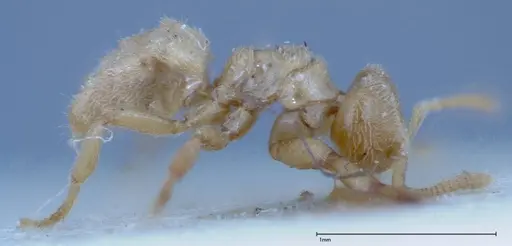
Acropyga sauteri is a tiny yellow ant native to Japan, China, and Taiwan. Workers measure just 2-2.5mm and are yellow throughout with 11-segmented antennae and mandibles bearing 3-4 teeth. This species belongs to the myops species-group and has one of the most northerly distributions in the genus Acropyga, found from Japan south to southern China and Taiwan [1][2]. What makes these ants truly remarkable is their obligate relationship with mealybugs, they are trophophoretic, meaning queens carry a gravid female mealybug (Eumyrmococcus) in their mandibles during nuptial flights to establish new mealybug colonies alongside their new ant colony [1]. This is one of the few ant species where the queen literally carries her symbiotic partner to the new nest.
Quick Summary
- Difficulty: Medium
- Origin & Habitat: Japan (Honshu, Shikoku, Kyushu, Nansei Islands), southern China, and Taiwan. Found in grasslands, forest margins, and within forests. Nests are under stones, in leaf litter, or directly in soil [1][2].
- Colony Type: Single-queen (monogyne) colonies. Queens carry mealybug symbionts during nuptial flights to establish new trophobiotic relationships.
- Colony: Monogyne
- Founding: Claustral
- Size & Growth:
- Queen: 3.39mm [2]
- Worker: 2-2.5mm [1][2]
- Colony: Unknown, likely small colonies based on genus patterns
- Growth: Moderate, estimated based on related Formicinae
- Development: 6-10 weeks (estimated based on genus patterns for small Formicinae) (No specific development data available for this species. Estimates based on typical Formicinae development at room temperature.)
- Antkeeping:
- Temperature: Keep at 22-26°C. They tolerate the cooler end of this range given their northern distribution. A gentle gradient allows workers to self-regulate [1].
- Humidity: Moderate humidity around 50-70%. Keep nest substrate slightly moist but not wet, they nest in soil and under stones in nature, not in overly damp conditions [1].
- Diapause: Yes, based on northern distribution and nuptial flights occurring March-June, they likely require a winter rest period around 10-15°C for 2-3 months [1].
- Nesting: Test tubes or acrylic nests work well. Provide moist soil or plaster as substrate. They nest under stones and in soil in the wild, so a naturalistic setup with a soil chamber mimics their natural conditions [1].
- Behavior: These are peaceful, slow-moving ants that spend most of their time tending mealybugs underground. Workers are tiny (2-2.5mm) but not particularly prone to escaping, their small size is manageable with standard barriers. They are not aggressive and rarely sting. The most notable behavior is their obligate mealybug-tending: they protect and farm mealybugs for honeydew, similar to how other ants farm aphids [1][3].
- Common Issues: maintaining a mealybug culture is the biggest challenge, without their symbiotic partner, the ants may struggle or refuse to thrive, queens carrying mealybugs during founding is essential, losing the mealybug could doom the colony, slow colony growth may frustrate keepers expecting rapid expansion, tiny workers can escape through standard test tube cotton if not properly secured, overheating or drying out the nest will kill both ants and mealybugs
The Mealybug Relationship
Acropyga sauteri is one of the most specialized mealybug-tending ants in the world. Unlike typical ant-aphid relationships where ants simply harvest honeydew, these ants have an obligate trophobiotic relationship with mealybugs in the genus Eumyrmococcus. The queen carries a gravid female mealybug in her mandibles during the nuptial flight, ensuring she establishes a new mealybug colony simultaneously with her new ant colony [1]. Workers tend these mealybugs underground, protecting them and harvesting the honeydew they produce. This relationship is so specialized that the ants cannot survive without their mealybug partners. In captivity, you will need to maintain a culture of root mealybugs (similar to Eumyrmococcus) for your ants to thrive. The mealybugs live in the nest and feed on plant roots, and the ants tend them much like farmers tend livestock.
Nesting and Housing
In the wild, Acropyga sauteri nests under stones, in leaf litter, or directly in soil, often near plant roots where their mealybug symbionts feed [1]. For captivity, a test tube setup works well for founding colonies. Once established, you can move them to a small acrylic nest or a naturalistic setup with a soil chamber. The key is providing moist substrate (soil or plaster) that can support both the ants and their mealybug partners. Avoid overly dry conditions, both the ants and mealybugs need some moisture. A small water reservoir connected to a soil chamber works well to maintain consistent humidity. Because the ants are tiny (2-2.5mm), ensure your setup has no large gaps where workers could escape.
Feeding and Diet
The primary food source for Acropyga sauteri is honeydew produced by their mealybug symbionts. The ants do not forage extensively above ground like many other ant species, instead, they tend their mealybugs underground and collect the honeydew the mealybugs produce [3]. In captivity, you should maintain a mealybug culture in the nest area. Additionally, you can offer sugar water or honey as a supplement, though the mealybugs are their main food source. Protein is less critical than for predatory ants, but offering occasional small insects may be beneficial. The key insight is that these ants are specialized: they will not thrive on a typical ant diet of sugar water and insects alone, the mealybug relationship is essential.
Temperature and Seasonal Care
As a species with one of the most northerly distributions in the genus Acropyga, A. sauteri is adapted to cooler temperatures than most tropical ants. Keep the nest at 22-26°C, with room temperature (around 22-24°C) being ideal. They can tolerate brief cooler periods. Given their distribution in Japan, China, and Taiwan, they likely experience seasonal changes and will benefit from a winter diapause. Reduce temperatures to around 10-15°C for 2-3 months during winter, mimicking their natural seasonal cycle. Nuptial flights occur from late March to June in the wild [1], so the breeding season aligns with spring warming. Do not overheat the nest, temperatures above 30°C can be harmful.
Colony Founding
Colony founding in Acropyga sauteri is fascinating and unique. The alate (winged) female leaves the parent nest already carrying a gravid female mealybug in her mandibles, this is called trophophoretic behavior [1]. She mates during her nuptial flight, then finds a suitable nesting site where she seals herself into a small chamber. Unlike many ants where the queen simply raises her first workers alone, the A. sauteri queen must also establish her mealybug colony. The mealybug will reproduce and produce offspring that the ant colony will tend. This founding behavior is one of the most specialized in the ant world. In captivity, if you obtain a founding queen, ensure she has a mealybug partner, a queen without her mealybug symbiont will likely fail to establish a thriving colony.
Behavior and Temperament
Acropyga sauteri is a peaceful, non-aggressive ant species. Workers are tiny and slow-moving, spending most of their time in and around the nest tending their mealybug partners. They are not territorial or aggressive toward other colonies. The ants do not have a functional sting and pose no danger to humans. Their foraging is primarily underground, tending mealybugs that feed on plant roots [3]. They are not active hunters and do not display typical foraging raids. The colony will remain relatively small, with workers living for several months. Because they are so specialized and peaceful, they are best suited for keepers interested in observing their unique mealybug-tending behavior rather than those wanting an active, visible ant colony.
Frequently Asked Questions
How do I keep Acropyga sauteri ants alive?
The biggest challenge is maintaining a mealybug culture. These ants cannot survive without their symbiotic mealybug partners, they feed primarily on honeydew from the mealybugs. Keep the nest moist, maintain temperatures of 22-26°C, and ensure you have a healthy mealybug culture in the nest area.
What do Acropyga sauteri eat?
Their primary food is honeydew produced by mealybugs in the genus Eumyrmococcus. You must maintain a mealybug culture in the nest. You can supplement with sugar water or honey, but the mealybug relationship is essential, they will not thrive without it.
Do Acropyga sauteri queens carry mealybugs?
Yes, this is one of the most remarkable behaviors in all of antkeeping. Alate females leave the parent nest carrying a gravid female mealybug in their mandibles. This ensures they can establish a new mealybug colony alongside their new ant colony. If you obtain a founding queen, she should have a mealybug with her.
How long does it take for Acropyga sauteri to produce first workers?
Estimated 6-10 weeks from egg to first worker at optimal temperature (around 24°C). No specific development data exists for this species, so this is based on typical Formicinae development patterns. Growth is generally moderate.
Do Acropyga sauteri need hibernation?
Yes, based on their northern distribution in Japan and China, they benefit from a winter rest period. Reduce temperatures to 10-15°C for 2-3 months during winter. Nuptial flights occur from late March to June, showing they are adapted to seasonal temperature changes.
Are Acropyga sauteri good for beginners?
No, they are considered intermediate to advanced due to their specialized mealybug-tending requirements. Unlike typical ants that thrive on sugar water and protein, these ants require a living mealybug culture to survive. Maintaining the mealybug symbiont is the main challenge.
How big do Acropyga sauteri colonies get?
Colony size is not well documented but is likely small, probably under 100 workers based on their tiny worker size (2-2.5mm) and the genus pattern. They are not large colony formers like some other Formicinae.
Can I keep multiple Acropyga sauteri queens together?
This species is monogyne (single-queen). Multiple unrelated queens would likely fight. The natural colony structure involves one queen carrying mealybugs during founding, pleometrosis (multiple queens founding together) has not been documented for this species.
What temperature is best for Acropyga sauteri?
Keep nest temperatures between 22-26°C. They prefer the cooler end of this range given their northern distribution in Japan and China. Room temperature (22-24°C) is ideal. Avoid overheating above 30°C.
References

This caresheet is licensed under CC BY-SA 4.0 .
CASENT0909907
View on AntWeb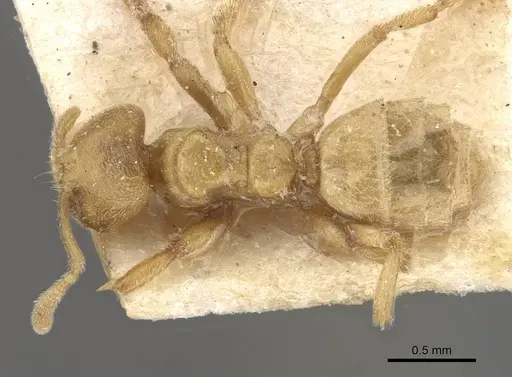
FOCOL0156
View on AntWeb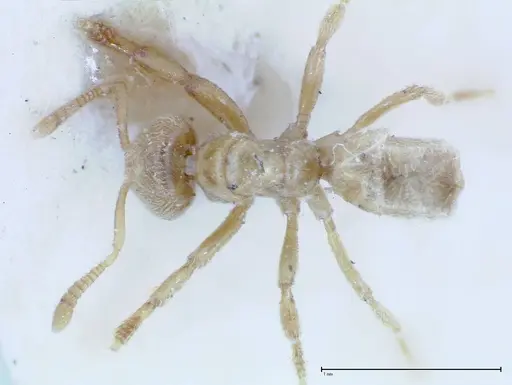
Literature
Loading...Loading products...