

Acropyga romeo
- Scientific Name
- Acropyga romeo
- Tribe
- Plagiolepidini
- Subfamily
- Formicinae
- Author
- LaPolla, 2004
- Distribution
- Found in 1 countries
Acropyga romeo Overview
Acropyga romeo is an ant species of the genus Acropyga. It is primarily documented in 1 countries , including Guyana. Detailed taxonomic data and occurrence records can be further explored via authoritative databases such as AntWeb or the Global Biodiversity Information Facility (GBIF).
Acropyga romeo
Acropyga romeo is an exceptionally tiny yellow ant species from the rainforests of Guyana and French Guiana. Workers measure just 1.41-1.44mm in total length, making them one of the smallest ant species you can keep [1]. They have distinctive 9-segmented antennae and mandibles with 4 teeth, with the basal tooth very small and offset from the chewing margin. The entire body is yellow and covered in short appressed hairs. This species belongs to the goeldii species-complex within the decedens species-group and was discovered at the base of Mt. Ayanganna in western Guyana at approximately 695m elevation [1].
Like all Acropyga species, these ants are obligate mealybug-tenders, forming symbiotic relationships with scale insects that they tend for honeydew. However, the specific mealybug partner for A. romeo remains unknown, researchers have only documented an association with another Acropyga species (A. stenotes) in the same leaf litter samples [2]. Almost nothing is known about this species' colony structure, founding behavior, or development timeline, making it a challenging species for even experienced antkeepers.
Quick Summary
- Difficulty: Expert
- Origin & Habitat: Guyana and French Guiana, tropical rainforest leaf litter at base of Mt. Ayanganna (695m elevation) in Dicymbe-dominated forest [1][3]
- Colony Type: Unconfirmed, likely single-queen colonies based on genus patterns
- Colony: Monogyne
- Founding: Claustral
- Size & Growth:
- Queen: Unknown, no queens have been described in scientific literature
- Worker: 1.41-1.44mm [1]
- Colony: Unknown, no colony size data available
- Growth: Unknown
- Development: Unconfirmed, no direct observations of development (No data exists for this species. Related Acropyga species typically develop from egg to worker in 4-8 weeks at tropical temperatures, but this is an estimate only.)
- Antkeeping:
- Temperature: Tropical species, keep at 24-28°C. Maintain stable warmth without temperature fluctuations [2]
- Humidity: High humidity (70-85%) typical of rainforest leaf litter environment. Keep substrate consistently moist but not waterlogged.
- Diapause: No, being a tropical species, they do not require hibernation. Maintain year-round warm conditions.
- Nesting: Very small nests required due to tiny worker size. Test tubes with small water reservoirs or miniature acrylic nests work well. Provide leaf litter or moist soil for foraging areas.
- Behavior: Very docile and non-aggressive, typical of mealybug-tending ants. Workers are slow-moving and likely forage primarily for honeydew from mealybugs. Their tiny size (under 1.5mm) makes them excellent escape artists, escape prevention must be excellent using fine mesh barriers. They are unlikely to sting due to their small size.
- Common Issues: tiny size means escapes are likely without fine mesh barriers, almost no documented care information exists for this species, wild-caught colonies may be difficult to establish, mealybug food source may be required, honeydew is essential, slow growth and development due to tiny colony size
Nest Preferences and Housing
Acropyga romeo is an extremely small ant requiring appropriately scaled housing. Workers measure just 1.41-1.44mm, making them among the smallest ants kept in captivity. Standard test tubes work but should have small water reservoirs to prevent flooding of such tiny ants. Miniature acrylic nests (like those designed for Pheidole or Solenopsis) provide better visibility. The outworld should contain moist substrate (coconut fiber or soil mix) to maintain high humidity and allow for natural foraging behavior. Given their leaf litter origin, a naturalistic setup with a thin layer of moist litter on top of a hydration station works well. Escape prevention is critical, even standard test tube cotton can be pulled through by ants this small. Use tight-fitting lids and consider wrapping connections with parafilm. [1][3]
Feeding and Diet
Acropyga ants are obligate mealybug-tenders, meaning they rely heavily on honeydew from scale insects as their primary food source. In captivity, you will need to provide either live mealybugs or a reliable honeydew substitute. Sugar water or honey water can be offered, but success varies, some Acropyga species show strong preference for mealybug honeydew over pure sugar solutions. Protein should be offered sparingly, tiny prey items like pinhead crickets, fruit flies, or tiny mealworms may be accepted. Some keepers report success with diluted honey or sugar water as a supplementary energy source. The key challenge is establishing a sustainable food source, as these ants have evolved to specialize on mealybug secretions. Consider culturing small mealybugs separately to provide a continuous honeydew source. [2][1]
Temperature and Care
As a tropical species from Guyana, Acropyga romeo requires warm, stable temperatures. Maintain nest temperatures between 24-28°C (75-82°F). Avoid temperature drops below 22°C as this species is adapted to consistent tropical warmth. Room temperature in most homes may be too cool, use a heating cable or small heat mat on one side of the nest to create a gentle thermal gradient. Humidity should be high (70-85%) to replicate the moist rainforest leaf litter environment. The substrate should remain consistently moist but never waterlogged. Mist the outworld regularly and ensure the nest has access to moisture. Do not provide hibernation, this is a tropical species that remains active year-round. Stable conditions are more important than exact temperatures, but avoid drafts and air conditioning vents near the colony. [2][1]
Behavior and Temperament
Acropyga romeo is expected to be docile and non-aggressive, typical of mealybug-tending ants in the genus. Workers are slow-moving and likely spend most of their time tending to mealybugs or foraging for honeydew. They are unlikely to exhibit territorial behavior or defend their nest aggressively. The most significant behavioral concern is their tiny size, workers are only 1.41-1.44mm and can squeeze through remarkably small gaps. Excellent escape prevention is essential. Use fine mesh (at least 0.5mm or smaller), seal all connections with parafilm or tape, and check enclosures daily. Unlike many ants, they are not climbers and may spend more time on the substrate than on walls. Their small size also means they dry out quickly if humidity drops, so consistent moisture is vital. [1]
Colony Establishment and Growth
Establishing an Acropyga romeo colony presents significant challenges due to the complete lack of documented captive breeding information. Queens have never been described for this species, so founding colonies from wild-caught queens is currently impossible. If you obtain a colony, it will likely be a queenless worker colony or must be collected as a colony with an unknown queen type. Growth is expected to be very slow given the tiny worker size, related species in the genus typically produce small colonies of just dozens to a few hundred workers. Do not expect rapid expansion. Patience is essential. If your colony includes mealybugs, do not remove them, the ants depend on these symbionts for their primary food source. Monitor for colony stress and be prepared for long establishment periods. [1][2]
Frequently Asked Questions
Can I keep Acropyga romeo in a test tube?
Yes, test tubes work but require modifications. Use a test tube with a small water reservoir, standard tubes can flood such tiny ants. Wrap connections tightly with parafilm to prevent escapes, as workers are only 1.41-1.44mm and can squeeze through cotton and gaps.
How long does it take for Acropyga romeo to produce first workers?
This is completely unconfirmed, no documented development timeline exists for this species. Based on related Acropyga species, expect 4-8 weeks from egg to worker at tropical temperatures (24-28°C), but this is only an estimate.
Can I keep multiple queens together?
Not documented for this species. Based on typical Acropyga genus patterns, they likely form single-queen colonies. Combining unrelated queens is not recommended as no research supports multi-queen housing for A. romeo.
What do Acropyga romeo ants eat?
They require honeydew as their primary food source. In captivity, provide either live mealybugs or sugar water/honey water as a substitute. Tiny protein prey may be accepted occasionally. The key is establishing a可持续 honeydew source.
Are Acropyga romeo good for beginners?
No, this is an expert-level species. Almost no documented care information exists, queens have never been described, and their tiny size requires specialized housing and excellent escape prevention. They are not recommended for beginners.
Do Acropyga romeo need hibernation?
No, as a tropical species from Guyana, they do not require hibernation. Maintain year-round warm conditions (24-28°C) and high humidity.
Why are my Acropyga romeo dying?
Common causes include: escape and desiccation (tiny size makes them vulnerable), too low humidity (they need 70-85%), temperatures below 22°C, lack of honeydew food source, or stress from improper housing. Establish a proper honeydew source and ensure escape-proof housing.
When should I move Acropyga romeo to a formicarium?
Move only when the colony is established and growing. Given their tiny size, a modified test tube setup often works better than standard formicariums. Only transition when you can maintain proper humidity and escape prevention in the new setup.
References

This caresheet is licensed under CC BY-SA 4.0 .
USNMENT00441085
View on AntWeb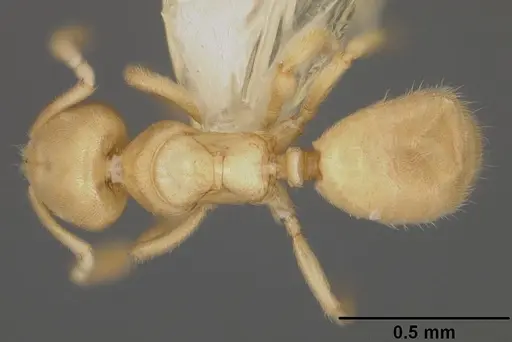
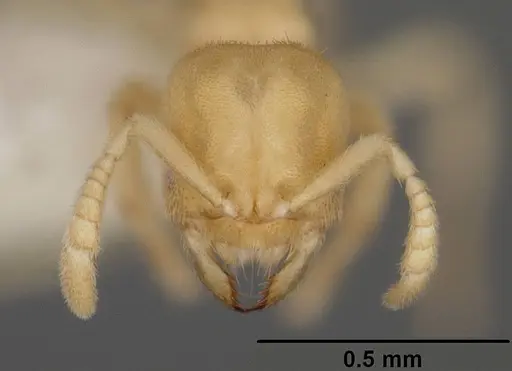
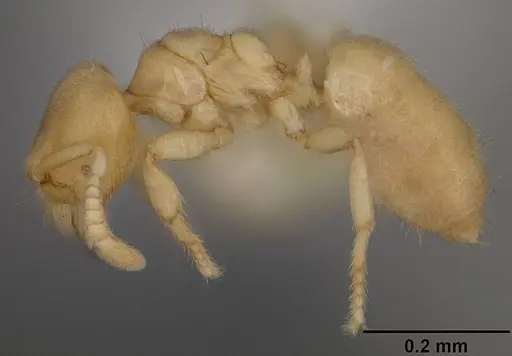
Literature
Loading...Loading products...