

Acropyga parvidens
- Scientific Name
- Acropyga parvidens
- Tribe
- Plagiolepidini
- Subfamily
- Formicinae
- Author
- Wheeler & Mann, 1914
- Distribution
- Found in 2 countries
Acropyga parvidens Overview
Acropyga parvidens is an ant species of the genus Acropyga. It is primarily documented in 2 countries , including Dominican Republic, Haiti. Detailed taxonomic data and occurrence records can be further explored via authoritative databases such as AntWeb or the Global Biodiversity Information Facility (GBIF).
Acropyga parvidens
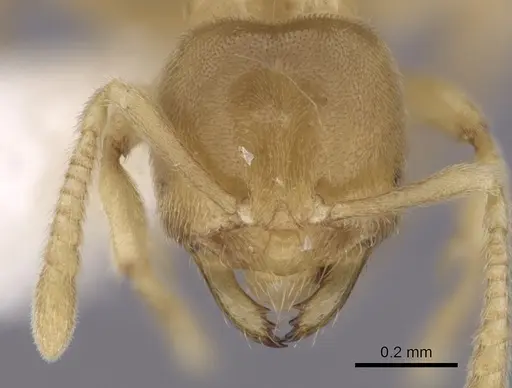
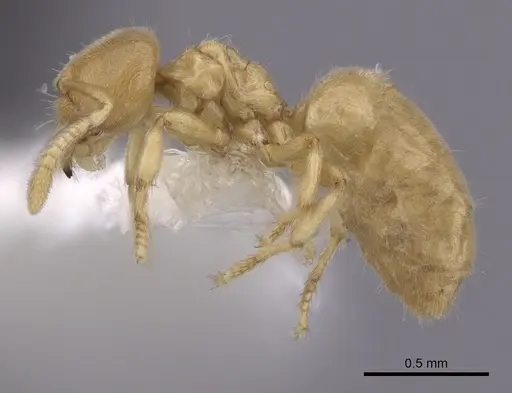
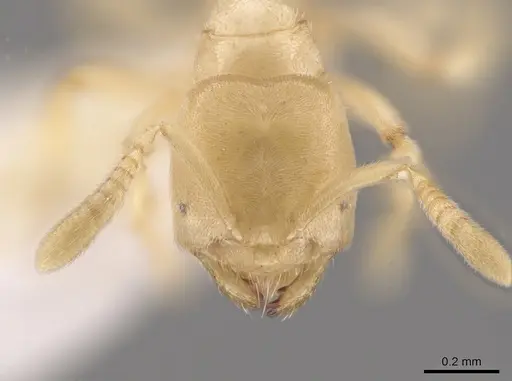
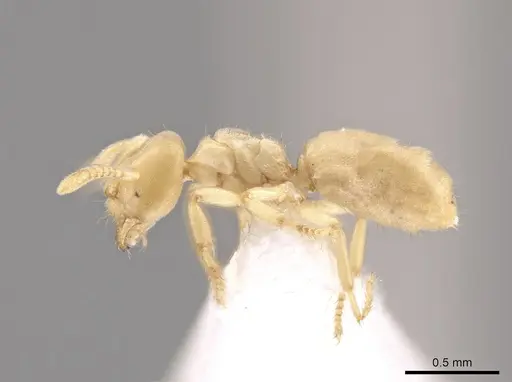
These are tiny pale yellow ants barely 2mm long, found only on the island of Hispaniola in the Caribbean. Workers have minute eyes with only about four lenses, short antennae, and distinctive four-toothed mandibles. They live in leaf litter and soil from 200 to over 1,300 meters elevation. What makes Acropyga parvidens truly different from most ants is their complete dependence on mealybugs, they cannot survive without them. Queens have been observed carrying mealybugs between their mandibles, likely transporting these insects to start new colonies [1][2].
Quick Summary
- Difficulty: Expert
- Origin & Habitat: Endemic to Hispaniola (Haiti and Dominican Republic), found in leaf litter and soil at 200-1,372m elevation [1][3].
- Colony Type: Unknown, likely single-queen based on genus patterns but unconfirmed.
- Size & Growth:
- Queen: ~2.8-2.9 mm [2]
- Worker: 1.8-2.2 mm [2]
- Colony: Unknown, based on related Acropyga species, likely under 100 workers.
- Growth: Unknown, likely slow.
- Development: Unknown, no development data exists for this species. (Development time has not been documented. Related Acropyga species typically have slow development.)
- Antkeeping:
- Temperature: Estimated 22-26°C based on tropical Caribbean origin and elevation range [1]. Start at 24°C and adjust based on activity levels.
- Humidity: High humidity required. Keep substrate consistently moist but not waterlogged, think damp forest floor [1].
- Diapause: No, tropical species that remains active year-round.
- Nesting: Small soil chambers or leaf litter layers. They need darkness and tight spaces appropriate for 2mm ants.
- Behavior: Subterranean and leaf-litter dwelling with reduced vision. Non-aggressive. They tend mealybugs for honeydew. Escape risk is extreme due to 2mm worker size, they can pass through the smallest gaps [2].
- Common Issues: mealybug colony collapse will kill the ant colony, they cannot survive without their symbiotic partners., escape prevention is critical, at 2mm long, workers squeeze through gaps in standard formicariums., founding success in captivity is essentially undocumented and likely extremely difficult., wild-caught colonies may carry parasites or pathogens from soil habitats., over-drying of substrate is fatal, they require consistently moist conditions.
The Mealybug Symbiosis
Acropyga parvidens is an obligate mealybug-tending ant. This means they cannot survive without maintaining colonies of mealybugs (scale insects) to feed on honeydew. In the wild, they have been found tending coccids on coffee plant roots in the soil [1]. The relationship is so tight that queens carry mealybugs in their mandibles, one specimen was recorded holding a mealybug between her mandibles [1]. For captive care, you must establish and maintain a healthy mealybug colony first. The ants will tend them, protect them from predators, and collect the honeydew they excrete. Without this food source, the colony will starve. This specialized diet makes them one of the most challenging ant species to maintain in captivity.
Housing and Escape Prevention
At only 1.8-2.2mm long, workers can escape through incredibly small gaps. Standard formicariums with loose-fitting lids or large ventilation holes will not contain them. You need fine mesh barriers (300 micron or smaller) and tight-sealing containers. Their reduced eyes, only about four lenses per eye, tell us they prefer darkness [2]. House them in small, dark chambers with soil or leaf litter substrate. Acrylic nests with tight-fitting covers work, but naturalistic setups with sterilized soil and leaf litter better replicate their wild habitat. Keep the setup in dim light or darkness, bright lights will stress them.
Temperature and Humidity
Coming from tropical Hispaniola at elevations between 200-1,372 meters, these ants need warm, stable temperatures [1]. Aim for roughly 22-26°C, avoiding fluctuations. The higher elevation collections suggest they can tolerate slightly cooler conditions than lowland tropical species, but they are not temperate ants and do not need hibernation. Humidity is critical, their leaf litter and soil habitat stays consistently moist [1]. Use a water tower or moist substrate that you rehydrate regularly, but avoid waterlogging which can drown the mealybugs they depend on. A slight gradient with one side slightly drier gives the ants and their mealybugs options.
Feeding and Mealybug Maintenance
You cannot feed these ants standard ant foods like sugar water and insects alone. They require living mealybugs. You will need to source mealybugs (often found on houseplants or available from biological supply companies) and establish them on plant roots or suitable substrates before introducing the ants. The ants will tend the mealybugs, stroking them to collect honeydew. They may also take small amounts of protein from dead insects, but the mealybug honeydew is their primary food source. If the mealybug colony crashes, your ant colony will die. This is the single biggest challenge in keeping Acropyga parvidens. [1]
Colony Founding
Founding behavior in captivity is unconfirmed and likely extremely difficult. In nature, queens carry mealybugs during the founding process [1]. This suggests that to start a colony, a queen needs not just a suitable nest site, but an established mealybug colony to tend. If you acquire a queen, you would likely need to provide her with mealybugs immediately and hope she accepts them. Success rates are unknown and likely low. Most keepers attempting Acropyga species start with wild-collected colonies that already have established mealybug populations, though this carries risks of parasites and soil-borne pathogens.
Frequently Asked Questions
Can I keep Acropyga parvidens without mealybugs?
No. They are obligate mealybug-tending ants and will starve without their symbiotic partners. They have been observed tending coccids on plant roots in the wild [1].
How do I found an Acropyga parvidens colony from a queen?
Founding in captivity is unconfirmed and likely very difficult. Queens carry mealybugs between their mandibles, suggesting they need these insects to start colonies [1]. You would need to provide a queen with established mealybugs, but success is not guaranteed.
Are Acropyga parvidens good for beginners?
No. They are expert-level ants due to their specialized mealybug requirements, extremely small size requiring excellent escape prevention, and undocumented founding behavior.
How big do Acropyga parvidens colonies get?
Unknown. Based on related Acropyga species, they likely remain small with under 100 workers, but this is an estimate.
Where do Acropyga parvidens come from?
They are endemic to Hispaniola, found only in Haiti and the Dominican Republic at elevations of 200-1,372 meters [1][3].
Do Acropyga parvidens need hibernation?
No. They are a tropical Caribbean species and remain active year-round. They do not require diapause or cooling [1].
Why are my Acropyga parvidens dying?
The most likely cause is loss of their mealybug colony. Check that your mealybugs are alive and healthy. Also check for escapes, at 2mm, workers can easily leave the nest unnoticed, or they may be drowning if the substrate is too wet [2].
What is the best nest type for Acropyga parvidens?
Small, dark setups with soil or leaf litter substrate work best. They need high humidity and darkness due to their reduced eyesight. Ensure all gaps are sealed with fine mesh as they are only 2mm long [2].
References

This caresheet is licensed under CC BY-SA 4.0 .
CASENT0249923
View on AntWeb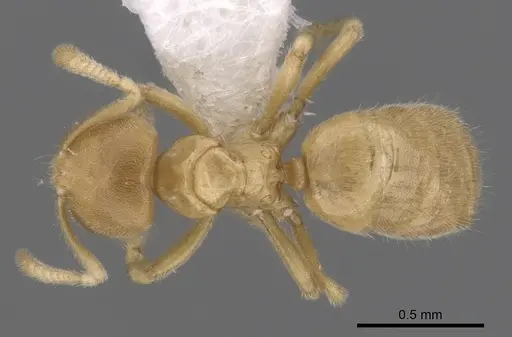
CASENT0630114
View on AntWeb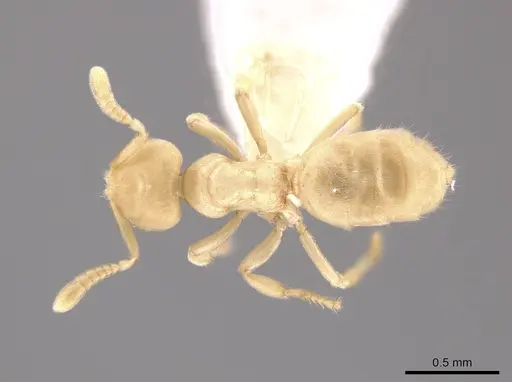
Literature
Loading...Loading products...