

Acropyga panamensis
- Scientific Name
- Acropyga panamensis
- Tribe
- Plagiolepidini
- Subfamily
- Formicinae
- Author
- Weber, 1944
- Distribution
- Found in 7 countries
Acropyga panamensis Overview
Acropyga panamensis is an ant species of the genus Acropyga. It is primarily documented in 7 countries , including Costa Rica, Guatemala, Guyana. Detailed taxonomic data and occurrence records can be further explored via authoritative databases such as AntWeb or the Global Biodiversity Information Facility (GBIF).
Acropyga panamensis
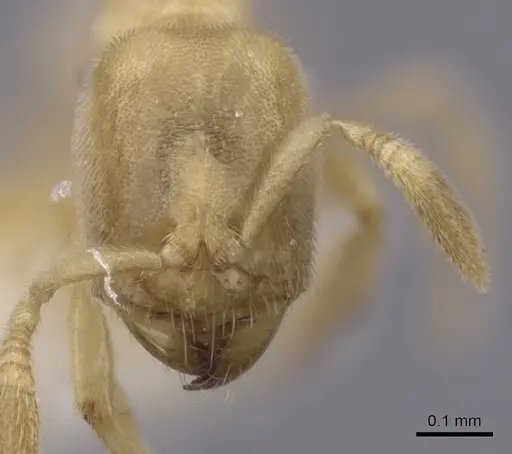
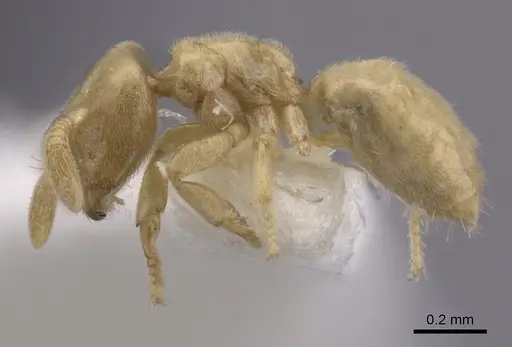
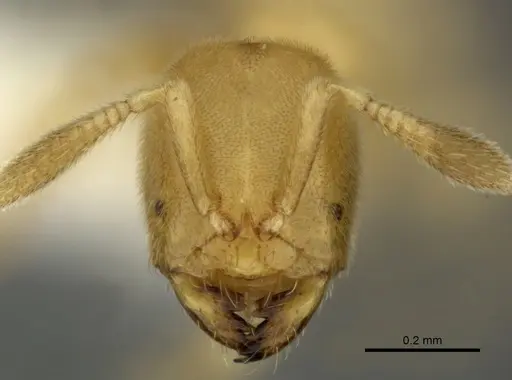
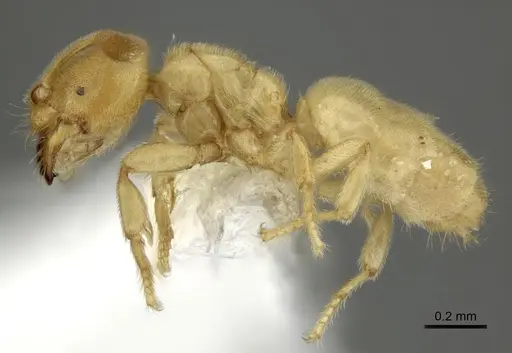
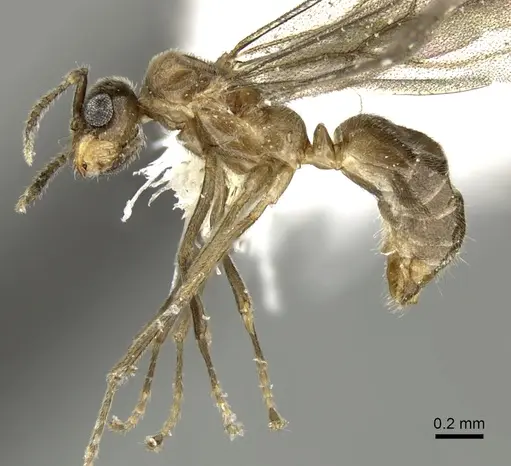
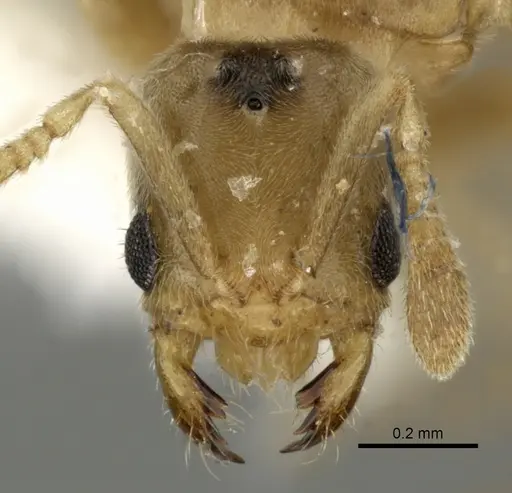
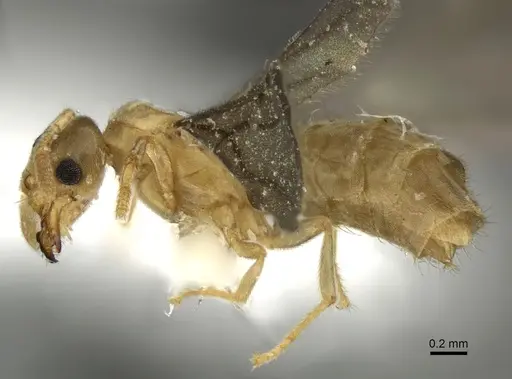
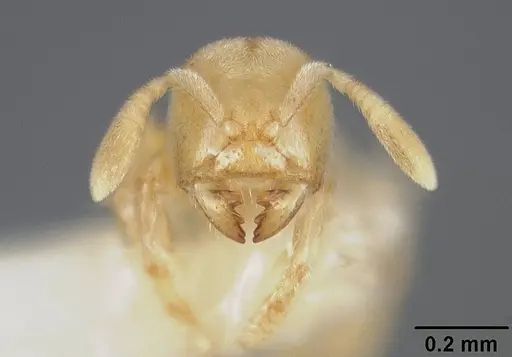
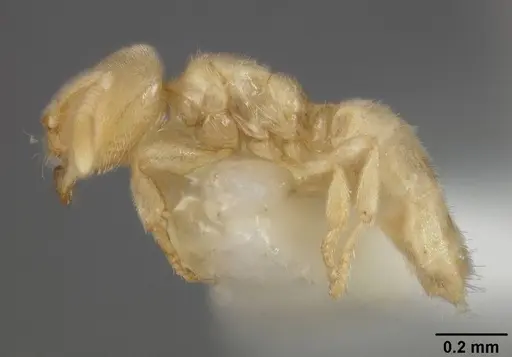
Acropyga panamensis are tiny yellowish ants that live in the leaf litter of Central and South American forests. Workers measure just 1.4 to 1.6 millimeters, small enough to walk through the finest mesh screen [1]. You can recognize them by their distinctive antennae: the last segment is swollen and much wider than the rest, giving it a club-like appearance, and their mandibles have an unusual rectangular tooth at the base [1][2].
These ants are obligate mealybug farmers. Like other Acropyga, they maintain underground herds of tiny Rhizoecus mealybugs and drink the sweet honeydew the mealybugs produce [2]. This relationship is not optional, the ants cannot survive without their mealybug partners. They nest under stones and in rotten wood in moist forests from Costa Rica to Guyana, always below 300 meters elevation [1][3].
Quick Summary
- Difficulty: Expert
- Origin & Habitat: Neotropical region including Costa Rica, Panama, Guatemala, Guyana, and Mexico, found in moist forests, leaf litter, rotten logs, and under stones below 300m elevation [1][3][4]
- Colony Type: Likely single-queen (monogyne), but colony structure is unconfirmed for this species
- Size & Growth:
- Queen: 1.97-2.54 mm total length [1]
- Worker: 1.39-1.58 mm total length [1]
- Colony: Unknown, likely small to moderate (hundreds of workers) based on genus patterns
- Growth: Unknown, likely slow to moderate due to mealybug-dependent diet
- Development: Unknown, estimated 6-10 weeks at 25-28°C based on tropical Formicinae patterns (Timeline is inferred from related tropical ants, actual development unstudied)
- Antkeeping:
- Temperature: Warm and stable, roughly 24-28°C (inferred from tropical lowland habitat). Use a heating cable on one side of the nest to create a gradient.
- Humidity: High, keep the nest substrate consistently moist like forest floor leaf litter. The substrate should feel damp but not waterlogged (inferred from habitat).
- Diapause: No, tropical species that remains active year-round [1]
- Nesting: Naturalistic setup required with soil, stones, and living plant roots to support their mealybug herds. Tight-fitting lids essential due to tiny worker size [1]
- Behavior: Slow-moving and non-aggressive. Workers forage underground and in leaf litter. Extreme escape risk, at 1.4mm, workers fit through the tiniest gaps [1]
- Common Issues: colony starvation if mealybugs die, the ants cannot digest solid food or survive without their mealybug partners, escapes through the tiniest gaps, workers are only 1.4mm long and fit through standard mesh, difficulty establishing founding colonies, queens need mealybugs to start colonies, making captive founding nearly impossible, mealybug death, if plant roots die or dry out, the mealybugs starve and the colony follows, mold in high humidity setups, balance moisture with adequate ventilation
The Mealybug Symbiosis - Why These Ants Are Expert-Only
Acropyga panamensis are obligate mealybug farmers. They maintain underground colonies of Rhizoecus mealybugs, tiny insects that suck sap from plant roots and excrete sweet honeydew [2]. The ants eat this honeydew and cannot survive without it. They cannot digest solid food on their own.
This makes them extremely difficult to keep in captivity. When you collect a colony, you must also collect the mealybugs living with them. In captivity, you need living plant roots (grass or other small plants) growing in the nest so the mealybugs have food. If the mealybugs die, the ant colony starves within days.
You cannot found a new colony from just a queen. Queens need to bring mealybugs with them when they start nests. While this behavior is documented in other Acropyga species, it remains unconfirmed for A. panamensis specifically, but you should assume the same requirement applies.
Housing and Escape Prevention
At 1.4 to 1.6 millimeters, workers are smaller than fruit flies and fit through gaps you cannot see [1]. You need excellent escape prevention: tight-fitting lids with no gaps, fine mesh (under 0.5mm) for ventilation, and Fluon or talcum powder barriers on vertical surfaces.
Use a naturalistic setup. In nature, they live under stones and in rotten wood in moist forests [1]. Recreate this with a soil-based nest, flat stones or wood pieces for cover, and living plant roots. The roots are not optional, they feed the mealybugs that feed the ants.
Keep the nest in a dark area. These ants live underground and in leaf litter, so they avoid light [4].
Temperature and Humidity
These ants come from tropical lowlands below 300 meters elevation [1]. They need warm, stable temperatures around 24-28°C year-round. They do not hibernate [1].
Humidity should stay high, think damp forest floor, not dry bedroom. Keep the substrate moist but not waterlogged. You can achieve this by watering one side of the nest and letting the moisture spread through the soil. Check that the soil feels damp to the touch but does not drip when squeezed.
Provide a gentle heat gradient by placing a heating cable on top of one side of the nest. This lets the ants choose their preferred temperature and helps prevent condensation from flooding chambers.
Feeding
Do not attempt to feed these ants standard ant foods like mealworms or crickets. They cannot process solid food. Their entire diet consists of honeydew from their mealybugs [2].
You can offer diluted honey or sugar water as a supplement, placing it in a small dish or on cotton. However, if the mealybugs are healthy and have living roots to feed on, the ants may ignore these offerings. Never let sugary foods mold in the nest.
The key to keeping this species alive is keeping their mealybugs alive. Ensure the plant roots in the nest remain living and healthy. If the plants die, replace them immediately or the mealybugs will starve.
Collection and Colony Founding
Do not attempt to start a colony from a single queen. Founding behavior is unconfirmed for this species, but related Acropyga queens carry mealybugs in their mandibles during their nuptial flight to start new colonies. Without mealybugs, a lone queen will starve.
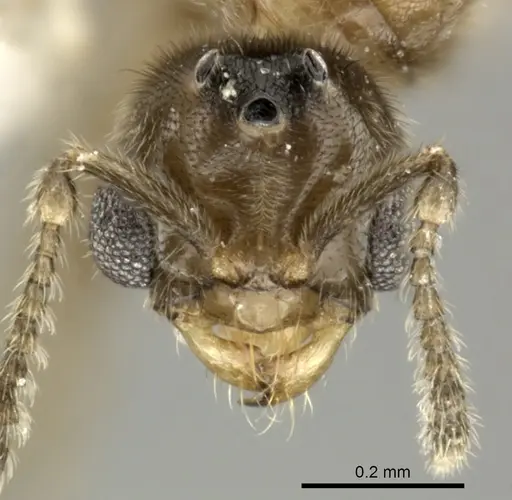
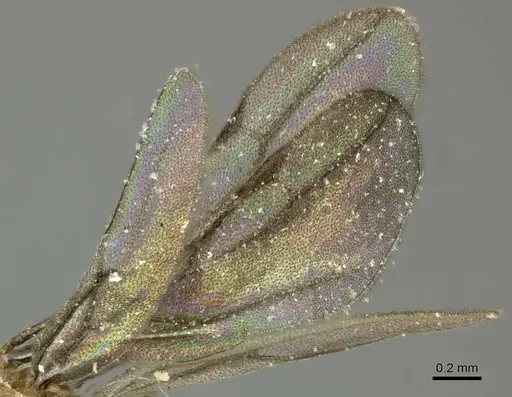
Instead, collect established colonies from the wild. Look under stones and in rotten logs in moist forest areas. You must collect the soil and root material containing the mealybugs along with the ants. Alates (winged queens and males) have been collected in January in Panama and July in Costa Rica, suggesting these may be flight months [1].
Frequently Asked Questions
Can I keep Acropyga panamensis without mealybugs?
No. These ants are obligate mealybug farmers and cannot survive without them. They feed entirely on honeydew produced by Rhizoecus mealybugs that live in their nests. Without the mealybugs, the colony will starve.
Are Acropyga panamensis good for beginners?
No. These are expert-level ants due to their obligate mealybug symbiosis, extremely small size (1.4mm workers), and difficulty in establishing captive colonies. You need experience keeping delicate tropical species and managing live plant roots in ant nests.
How do I prevent Acropyga panamensis from escaping?
Use extreme escape prevention. Workers are only 1.4mm long and fit through gaps smaller than standard ant mesh. Use tight-fitting lids with no gaps, ventilation mesh under 0.5mm, and apply Fluon or talcum powder barriers to all vertical surfaces. Check seals regularly.
What do Acropyga panamensis eat?
They eat honeydew produced by Rhizoecus mealybugs that they farm underground. The mealybugs feed on living plant roots. You can offer diluted honey or sugar water as a supplement, but the mealybugs are essential for survival.
Do Acropyga panamensis need hibernation?
No. They are a tropical species from lowland forests and remain active year-round. Keep them warm (24-28°C) consistently.
How big do Acropyga panamensis colonies get?
Colony size is unknown for this specific species, but based on other Acropyga, they likely remain small to moderate, probably under 1000 workers. They grow slowly due to their specialized diet.
Can I keep multiple Acropyga panamensis queens together?
Not recommended. While the natural colony structure is unconfirmed, combining unrelated queens has not been documented and likely leads to fighting. Collect established colonies rather than attempting to combine queens.
Why did my Acropyga panamensis colony die?
The most likely cause is loss of their mealybug herd. Check that the plant roots in the nest are still alive and that mealybugs are present. Without mealybugs, the ants starve. Other common causes are escapes (workers are tiny) or desiccation (they need high humidity).
References

This caresheet is licensed under CC BY-SA 4.0 .
CASENT0249922
View on AntWeb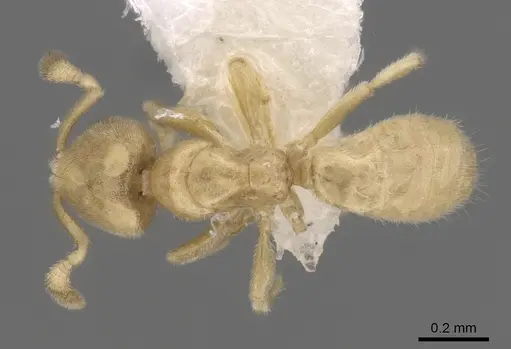
CASENT0611902
View on AntWeb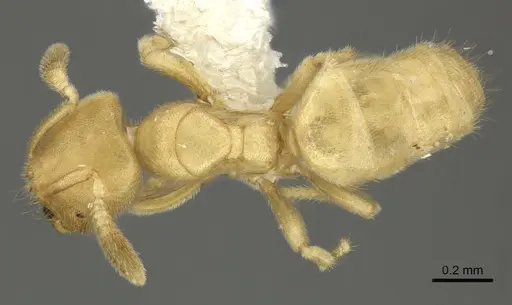
CASENT0611915
View on AntWeb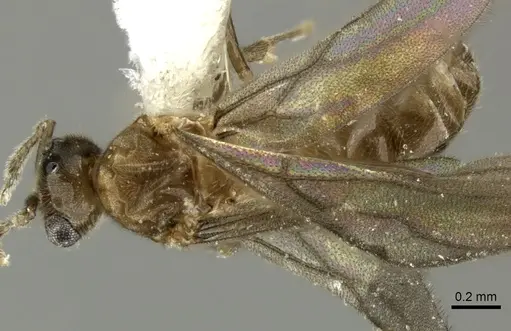
CASENT0611916
View on AntWeb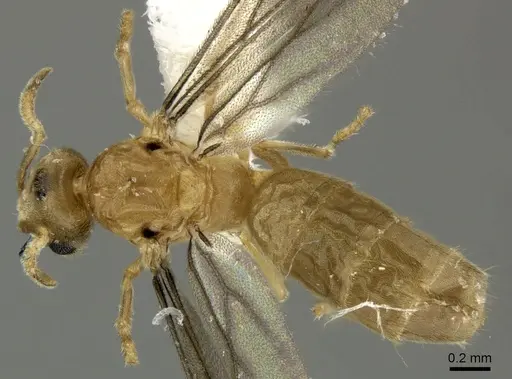
USNMENT00412320
View on AntWeb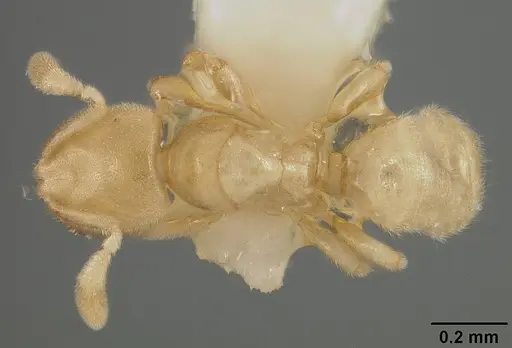
Literature
Loading...Loading products...