

Acropyga oceanica
- Scientific Name
- Acropyga oceanica
- Tribe
- Plagiolepidini
- Subfamily
- Formicinae
- Author
- Emery, 1900
- Distribution
- Found in 3 countries
Acropyga oceanica Overview
Acropyga oceanica is an ant species of the genus Acropyga. It is primarily documented in 3 countries , including Indonesia, Malaysia, Papua New Guinea. Detailed taxonomic data and occurrence records can be further explored via authoritative databases such as AntWeb or the Global Biodiversity Information Facility (GBIF).
Acropyga oceanica
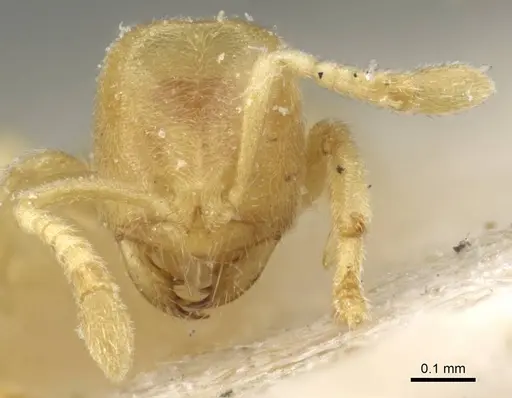
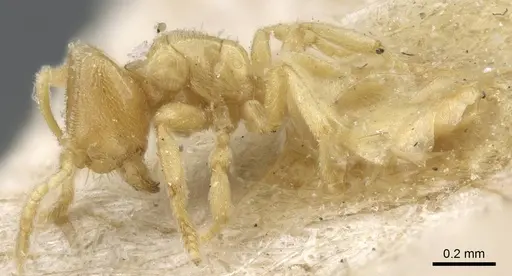
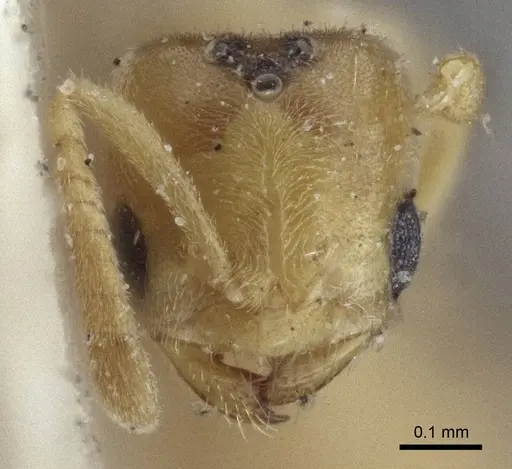
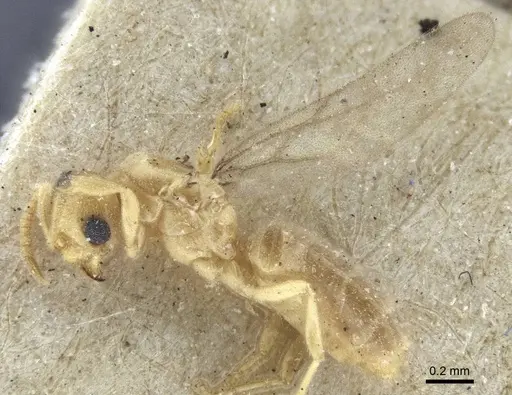
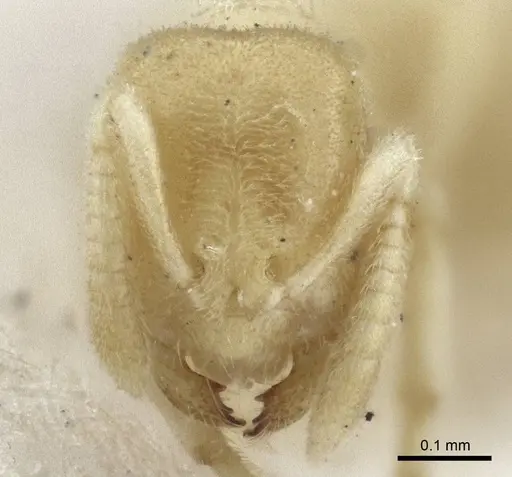
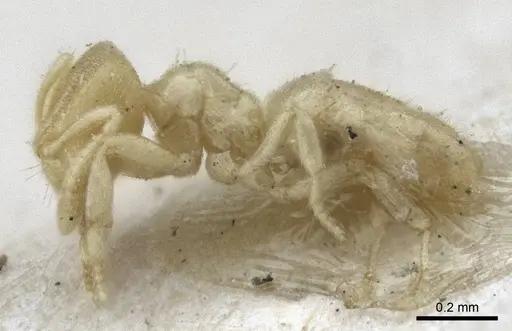
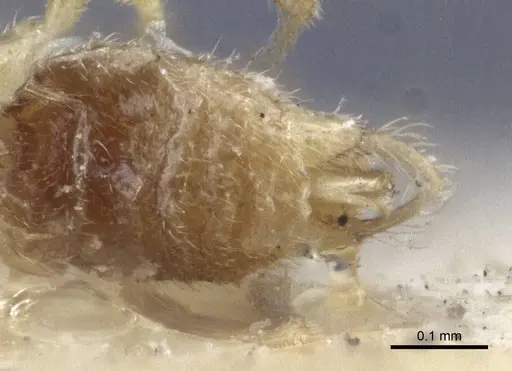
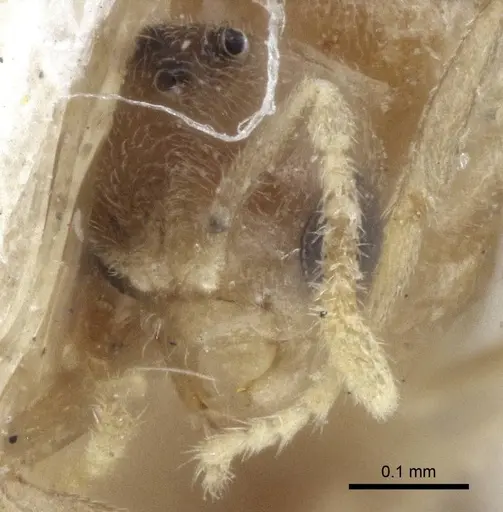
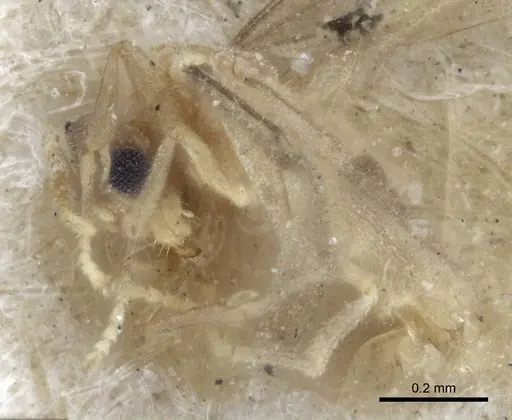
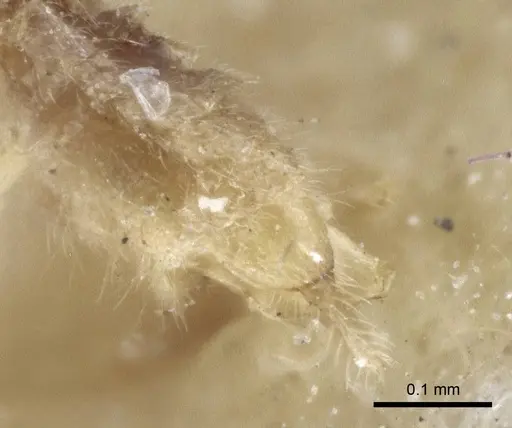
Acropyga oceanica is an exceptionally tiny yellow ant, workers measure just 1.16-1.43mm, making it the smallest known Acropyga species in the world [1]. It has an unusual feature among ants: only 7-8 segmented antennae, which is the lowest count of any known Old World species [1]. The mandible has 4 distinct teeth, and the antennae have an unusually long final segment about as long as the preceding 4 segments combined [1]. This species ranges throughout the Indo-Australian region, found in Papua New Guinea, Borneo, Indonesia, Malaysia, Singapore, the Solomon Islands, and as far north as southern China [1]. They live in leaf litter and bamboo forest habitats [1]. A notable trait of this genus is their association with mealybugs (scale insects), which they tend for honeydew, this species has been recorded with a Eumyrmococcus mealybug, though the record is considered questionable due to identification difficulties [1]. The queen and male of this species remain unknown to science.
Quick Summary
- Difficulty: Expert
- Origin & Habitat: Tropical Indo-Australian region including Papua New Guinea, Borneo, Indonesia, Malaysia, Singapore, Solomon Islands, and southern China. Found in leaf litter and bamboo forest habitats [1].
- Colony Type: Unconfirmed, the queen and male remain undescribed, so colony structure is unknown. Based on typical Acropyga genus patterns, likely single-queen colonies, but this is inferred.
- Size & Growth:
- Queen: Unknown, queen has not been described [1]
- Worker: 1.16-1.43mm [1]
- Colony: Unknown, no colony size data exists for this species
- Growth: Unknown, no development data available
- Development: Unknown, no direct observations. Based on related Formicinae species, estimate 6-10 weeks at tropical temperatures, but this is a rough guess. (No species-specific development data exists. Queens have never been described, so founding behavior is completely unstudied.)
- Antkeeping:
- Temperature: Keep at 24-28°C, this matches their tropical distribution in SE Asia and Pacific islands. A gentle gradient is recommended.
- Humidity: Maintain moderate to high humidity (70-80%), they inhabit leaf litter in tropical forests. Keep the substrate consistently moist but not waterlogged.
- Diapause: No, these are tropical ants from regions without cold winters. They do not require hibernation.
- Nesting: Provide a naturalistic setup with moist substrate for tunneling. Given their tiny size and leaf litter habitat, a Y-tong or plaster nest with very small chambers would work. They likely prefer to nest in damp soil or rotting wood.
- Behavior: This is a poorly understood species. Based on genus behavior, they are likely subterranean (spending most of their time underground), docile, and not aggressive. They probably form small colonies. Escape prevention is critical due to their extremely small size, they can squeeze through gaps that larger ants cannot. They likely tend mealybugs for honeydew and may accept small prey items. Workers are yellow and very small at just over 1mm.
- Common Issues: escape prevention is critical, at only 1.16-1.43mm, they can squeeze through the tiniest gaps in equipment, queen and male remain undescribed, no information on how to establish a colony from founding, no established captive care guidelines exist, this is essentially an unstudied species in captivity, colony size is unknown, keepers should expect small colonies based on tiny worker size, mealybug association means they likely need honeydew/sugar sources, but acceptance in captivity is completely unverified
Why This Species Is Challenging
Acropyga oceanica is one of the most poorly documented ant species in the world. The queen and male have never been described, scientists simply do not know what they look like [1]. This means there is no established method for breeding this species in captivity. You cannot catch a founding queen because none have ever been identified. The entire colony structure (single queen vs multiple queens, colony size, reproductive system) remains a mystery to science. This makes A. oceanica fundamentally different from most ant species kept in captivity, where basic biology is at least understood. Only a handful of specimens have ever been collected and studied [1]. This is truly a species for advanced antkeepers who want to contribute to citizen science, there is genuine opportunity to discover things that scientists do not yet know.
What We Know About Their Size
Workers are exceptionally tiny at just 1.16-1.43mm total length [1]. To put this in perspective, these ants are smaller than a grain of rice. Their small size is reflected in their morphology, they have only 7-8 antennal segments, which is the lowest count of any known Old World ant species [1]. The final antennal segment is unusually long, about as long as the preceding 4 segments combined [1]. Their mandibles have 4 distinct teeth. The entire body is yellow, including the head, mesosoma, and gaster [1]. This tiny size means standard antkeeping equipment will need modification, even small test tube setups may feel cavernous to them, and escape prevention requires exceptional attention to detail.
Distribution and Natural Habitat
This species has been found across a vast tropical region: Papua New Guinea (where it was originally described), Borneo, Indonesia, Malaysia, Singapore, the Solomon Islands, and as far north as southern China [1]. They have been collected from leaf litter and in bamboo forests using pitfall traps [1]. This suggests they are ground-dwelling ants that live in moist forest floor environments. The fact that they are caught in pitfall traps (which are placed on the ground) rather than being found in elevated locations confirms they are terrestrial. Their association with mealybugs (scale insects) is known from the genus Acropyga as a whole, these ants tend mealybugs underground and feed on the honeydew the mealybugs produce.
Housing and Setup Recommendations
Given their tiny size and leaf litter habitat, provide a naturalistic setup with moist substrate they can tunnel through. A small container with damp soil or a plaster nest with very tight chambers would be appropriate. The key concern is escape prevention, at 1.16-1.43mm, these ants can squeeze through gaps that seem sealed. Use fine mesh on any ventilation holes, and check all connections carefully. Since nothing is known about their captive behavior, start with standard setups and observe. They will likely do best in a humid, warm environment that mimics tropical forest floor conditions. Keep temperatures in the 24-28°C range and humidity around 70-80%.
Feeding and Diet
Based on genus behavior, Acropyga species tend mealybugs (scale insects) underground and feed on honeydew. This species has been recorded with an Eumyrmococcus mealybug, though the identification is uncertain [1]. In captivity, you should offer sugar sources (honey water, sugar water) and small protein items. However, nothing is known about what this specific species accepts. Start with small drops of honey water and observe. They are likely to be slow-growing and may have specialized dietary needs. Given their tiny size, any prey items must be extremely small, micro arthropods like springtails would be appropriate if they are predatory.
Frequently Asked Questions
Can I keep Acropyga oceanica in a test tube?
A test tube setup could work, but given their extremely small size (1.16-1.43mm), you must ensure the cotton is packed tightly and there are no gaps. The tube would need to be kept humid and warm. However, since no one has successfully kept this species, this is speculative.
How long does it take for Acropyga oceanica to develop from egg to worker?
This is completely unknown, no one has ever documented the development of this species. The queen has never been described, so there are no captive colonies to study. Based on related Formicinae ants, it might take 6-10 weeks at tropical temperatures, but this is a rough estimate.
Are Acropyga oceanica ants good for beginners?
No. This is an expert-level species, possibly the most challenging ant to keep because the queen has never been described. There is no established method for obtaining or breeding this species in captivity. Everything about their care is unknown.
Where can I get an Acropyga oceanica queen?
You likely cannot. The queen of this species has never been described by science, no one knows what she looks like [1]. There are no documented cases of this species being kept in captivity. This is not a species you can obtain through normal means.
What do Acropyga oceanica ants eat?
Based on genus behavior, they likely feed on honeydew from mealybugs and may accept small insects. In captivity, offer honey water or sugar water and small protein sources. However, nothing has been documented about what this specific species accepts.
Do Acropyga oceanica ants need hibernation?
No. They are tropical ants from regions like Papua New Guinea and the Solomon Islands that do not have cold winters. They do not require a diapause period.
How big do Acropyga oceanica colonies get?
Unknown. No colony size data exists for this species. Based on their tiny worker size (1.16-1.43mm), colonies are likely small, possibly under 100 workers. The queen has never been described, so we have no information about colony founding or growth.
Can I keep multiple queens together?
Unknown. The colony structure of this species has never been studied. The queen has never been described, so we do not even know what she looks like. There is no information on whether they are single-queen or multi-queen colonies.
Why is Acropyga oceanica so rarely kept?
Because the queen has never been described. Without a described queen, no one can identify a founding queen in the wild. This species was first described in 1900,but over 120 years later, the queen and male remain unknown to science [1]. This makes it essentially impossible to establish a captive colony.
References

This caresheet is licensed under CC BY-SA 4.0 .
CASENT0905162
View on AntWeb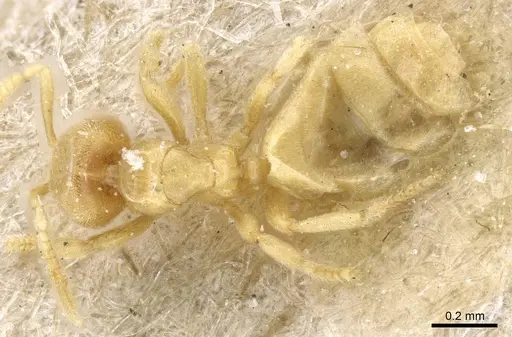
CASENT0916669
View on AntWeb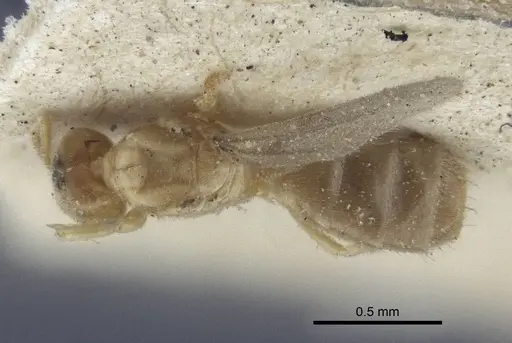
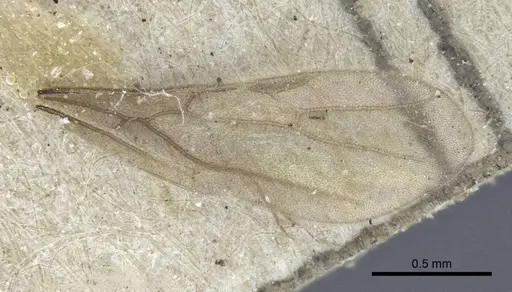
CASENT0916670
View on AntWeb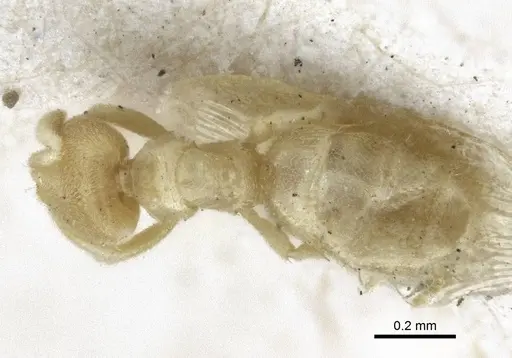
CASENT0916671
View on AntWeb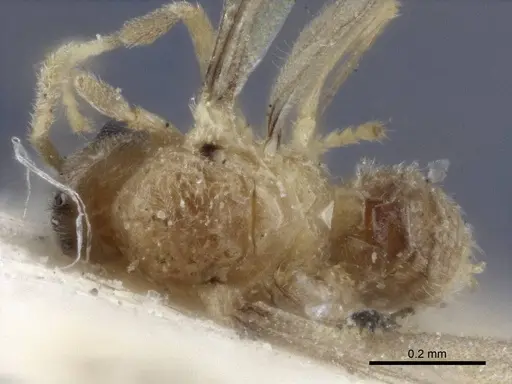
Literature
Loading...Loading products...