

Acropyga myops
- Scientific Name
- Acropyga myops
- Tribe
- Plagiolepidini
- Subfamily
- Formicinae
- Author
- Forel, 1910
- Distribution
- Found in 1 countries
Acropyga myops Overview
Acropyga myops is an ant species of the genus Acropyga. It is primarily documented in 1 countries , including Australia. Detailed taxonomic data and occurrence records can be further explored via authoritative databases such as AntWeb or the Global Biodiversity Information Facility (GBIF).
Acropyga myops
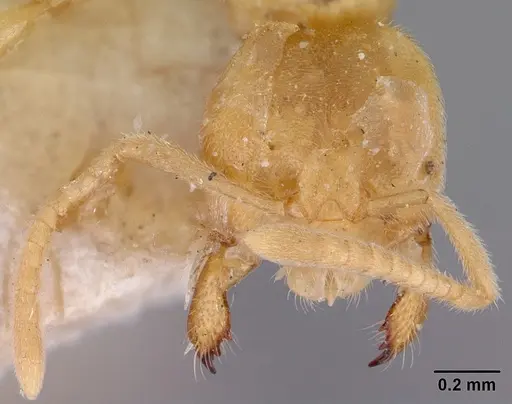
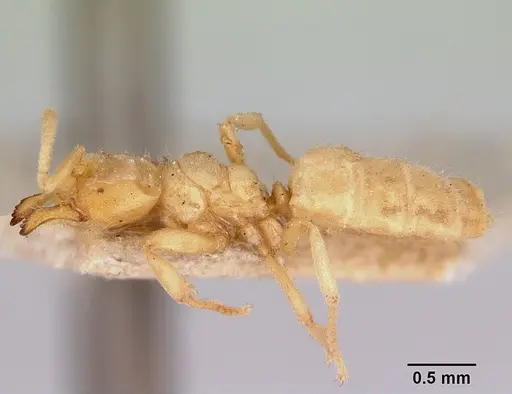
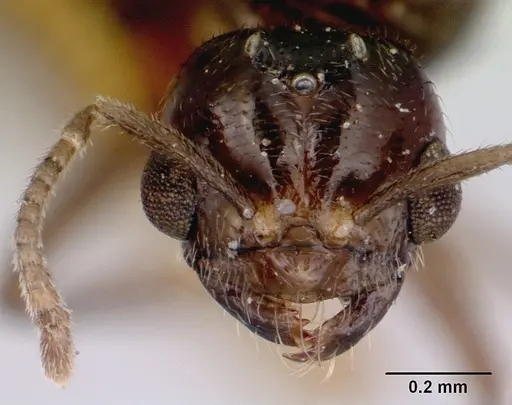
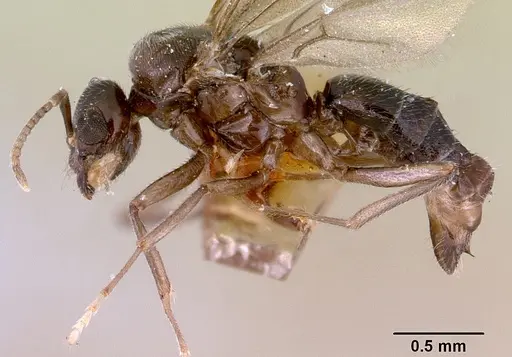
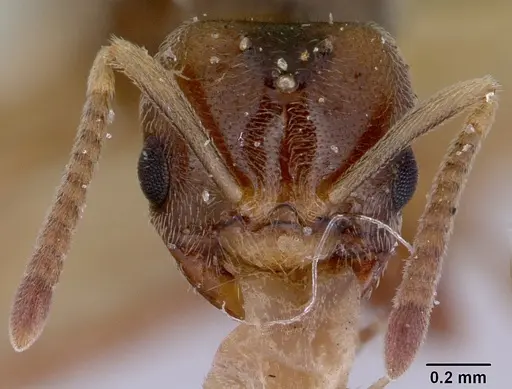
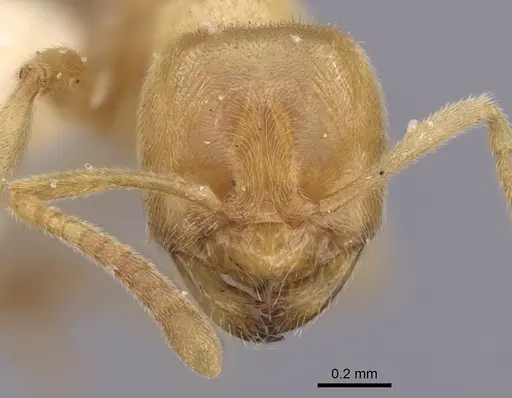
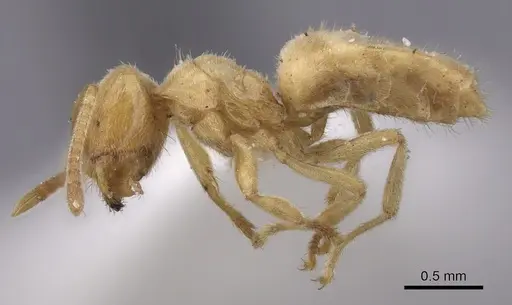
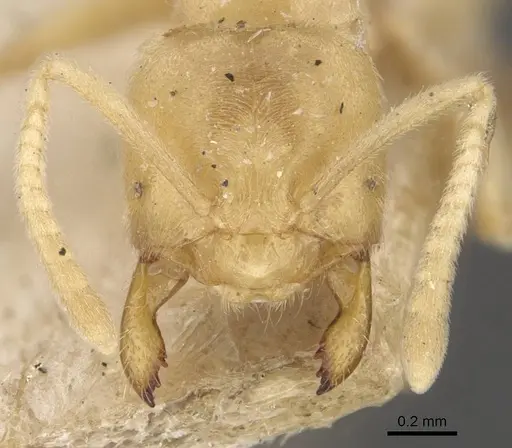
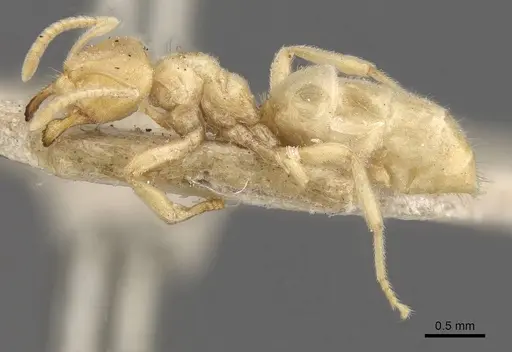
Acropyga myops are small yellow ants found only in Australia. Workers measure just 2.8 to 3.4 millimeters long with pale yellow bodies and 11-segmented antennae [1]. They live in soil nests under rocks in drier forests across coastal Australia, though they also appear in wet sclerophyll and rainforest edges [1][2]. Unlike any other ant in their genus, these ants tend a special type of scale insect called an ortheziid (Acropygorthezia williamsi) rather than the mealybugs other Acropyga species keep [3][4]. This unique feeding relationship makes them the only Acropyga in the world that relies on scale insects from the family Ortheziidae instead of the typical mealybug family Pseudococcidae.
Quick Summary
- Difficulty: Expert
- Origin & Habitat: Australia, widespread in coastal drier forests and riparian (streamside) woodlands with sandy-loam soil and leaf litter [2][4][1].
- Colony Type: Unknown, colony structure (single or multiple queens) has not been documented in field studies [4].
- Size & Growth:
- Queen: Approximately 2 mm body length with stockier build (head width 0.87-0.93 mm) [1].
- Worker: 2.8-3.4 mm total length [1][5].
- Colony: Unknown, likely small given subterranean habits.
- Growth: Unknown, likely slow due to specialized diet and underground lifestyle.
- Development: Unknown, estimated 8-12 weeks based on similar small Formicinae, but unconfirmed. (Development timing has not been studied. Subterranean species often grow slowly.)
- Antkeeping:
- Temperature: Unconfirmed, start at 22-26°C based on Australian temperate to subtropical distribution. Avoid overheating.
- Humidity: Moderate to high, nest in top 10-15 cm of damp sandy-loam soil beneath leaf litter. Keep substrate moist but not waterlogged [4].
- Diapause: Unknown, possibly yes for colonies from temperate southern Australia.
- Nesting: Soil-based nests under rocks or flat stones, create narrow galleries and distinct chambers 10-15 cm below surface [4].
- Behavior: Subterranean and rarely seen above ground, workers forage in soil and leaf litter [2]. Peaceful temperament with no observed aggression. Small size (under 4 mm) creates high escape risk without fine mesh barriers.
- Common Issues: cannot survive without their specific scale insect host (Acropygorthezia williamsi), they will starve without these ortheziids in the nest., subterranean lifestyle means colonies are rarely visible and difficult to observe., tiny worker size (under 4 mm) allows escape through the smallest gaps in standard formicarium setups., queens have not been documented carrying scale insects during flights (trophophoresy unconfirmed), making founding attempts nearly impossible [4]., wild colonies collected with soil often contain parasites or pathogens that kill them in captivity.
The Unique Scale Insect Relationship
Acropyga myops maintains a specialized mutualistic relationship with the ortheziid scale insect Acropygorthezia williamsi [3][4]. While other Acropyga species worldwide tend mealybugs (family Pseudococcidae), this is the only known Acropyga that keeps scale insects from the family Ortheziidae [3]. Workers actively transport these scale insects through nest tunnels, carrying them dorsally (on their backs) with the scale insect's head facing forward [4]. When workers encounter loose ortheziids in the nest, they pick them up and move them to chambers containing brood. The ants feed on honeydew droplets secreted by the scale insects, and workers have been observed directly drinking these droplets from the ortheziids' anal rings [4]. The scale insects feed on tree roots (observed on Allocasuarina littoralis) within the ant tunnels, creating a closed food loop underground [4]. This obligate dependency means the ants cannot survive without maintaining live colonies of their specific scale insect partner.
Nest Preferences and Structure
In nature, Acropyga myops nests in the top 10 to 15 centimeters of sandy-loam soil beneath a thick layer of leaf litter, usually positioned under rocks or flat stones [4]. Excavations reveal narrow tunnels connecting distinct chambers, some chambers contain ant brood (pupae and larvae) mixed with ortheziid scale insects of various life stages, while other chambers contain only ant pupae without scale insects [4]. The ants prefer riparian zones and open woodlands with unburnt understorey, often near streams with dominant trees like Eucalyptus grandis and Allocasuarina littoralis [4]. In captivity, this translates to a need for deep soil substrates with flat stones or rock slabs providing cover, rather than standard acrylic nests. The nest must accommodate both the ants and their root-feeding scale insects, requiring living plant roots or a complex naturalistic setup.
Feeding and Diet
These ants are obligate coccidophiles, they absolutely require honeydew from their specific scale insects to survive [4]. Workers do not forage for insect prey above ground, instead, they tend their underground ortheziid colonies and consume the carbohydrate-rich honeydew droplets the scale insects produce [4]. While they might accept sugar water or honey in captivity temporarily, long-term survival depends on maintaining healthy populations of Acropygorthezia williamsi. The scale insects feed on living tree roots, meaning captive colonies would need established potted plants with suitable root systems (such as Allocasuarina or Acacia species) infested with the scale insects. Without this specific symbiotic partner, the ant colony will eventually starve regardless of other food offered.
Temperature and Environmental Care
Specific temperature requirements have not been studied for this species. Based on their distribution across coastal Australia from Queensland to New South Wales, including both temperate and subtropical regions, you should start with temperatures around 22-26°C [2][1]. Provide a gentle heat gradient if possible, allowing the ants to choose their preferred zone. Humidity is critical, the nest substrate should feel damp to the touch but not waterlogged, mimicking the moist sandy-loam soil under leaf litter where they naturally occur [4]. Ventilation must be adequate to prevent mold growth in the humid soil environment, but not so strong that it dries out the substrate. If your colony originates from southern temperate regions, they may require a winter rest period (diapause) at cooler temperatures around 15-18°C, though this has not been confirmed.
Colony Founding and Reproduction
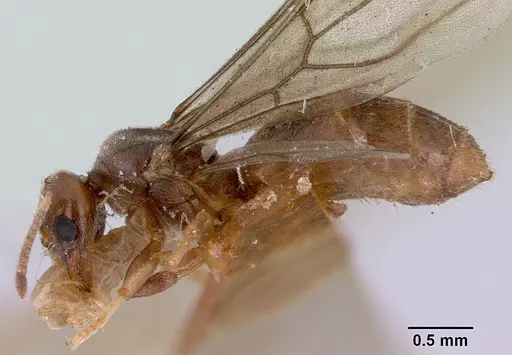
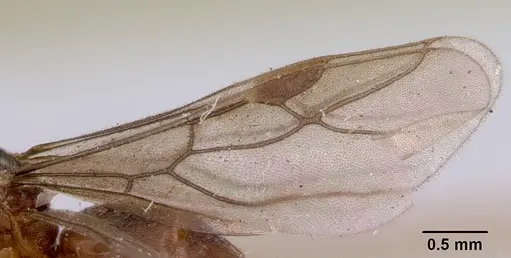
The founding behavior of Acropyga myops queens remains unconfirmed. In many Acropyga species, queens perform trophophoresy, carrying a scale insect in their jaws during their mating flight to seed their new nest with a food source. However, researchers specifically noted that this behavior was not observed in Acropyga myops and could not confirm whether it occurs [4]. Nests in the wild contain both winged males and queens, suggesting colonies produce sexual reproductives regularly [4]. Without confirmed knowledge of how queens establish new colonies, whether they seal themselves in (claustral) or forage (semi-claustral), and whether they require scale insects to start, captive founding attempts are not recommended. Wild-caught mature colonies are the only practical option for keeping this species, though even these rarely survive long-term in captivity.
Why These Ants Are Not Suitable for Standard Captive Keeping
Acropyga myops presents extreme challenges that make them unsuitable for typical ant keeping. First, they require a living colony of their specific ortheziid scale insect partner (Acropygorthezia williamsi), which feeds on particular Australian tree roots [3][4]. This symbiosis cannot be replicated with standard ant farm setups or substitute foods. Second, their subterranean habits mean they require deep soil substrates with living plants and rocks, not visible acrylic or plaster nests [4]. Third, they are rarely encountered even by entomologists due to their underground lifestyle [2]. Finally, their small size (under 4 mm) makes escape prevention difficult while their specific humidity and soil requirements make them prone to desiccation or mold in standard setups. These factors combine to make this an expert-only species that most keepers should observe in the wild rather than attempt to maintain in captivity.
Frequently Asked Questions
Can I keep Acropyga myops without scale insects?
No. These ants are obligate partners with the ortheziid scale insect Acropygorthezia williamsi. They feed on honeydew produced by these specific scale insects and have not been documented surviving on substitute foods like sugar water or honey long-term [4].
What do Acropyga myops eat?
They eat honeydew secreted by their partner scale insects (Acropygorthezia williamsi). Workers drink droplets directly from the scale insects' anal rings and carry the scale insects to different chambers in the nest [4]. They do not forage for insect prey.
How big do Acropyga myops colonies get?
Colony size has not been documented in scientific studies. Based on their subterranean lifestyle and specialized diet, they likely remain small, possibly under a few hundred workers, but this is an estimate [4].
Are Acropyga myops good for beginners?
No. They are expert-level ants due to their obligate relationship with specific scale insects that require living plant roots, their subterranean habits making observation difficult, and their rarity in the hobby [2][4].
Do Acropyga myops need hibernation?
Their diapause requirements are unknown. Since they live across various Australian climates including temperate regions, southern colonies might benefit from a cooler winter rest period around 15-18°C, but this has not been confirmed [1].
How do I find Acropyga myops queens?
You likely cannot. They are rarely encountered due to subterranean habits, and their nuptial flights have not been observed or documented [2][4]. Unlike other Acropyga, queens carrying scale insects during flights (trophophoresy) has not been confirmed for this species.
Can I use other scale insects or mealybugs for Acropyga myops?
Unknown and unlikely. This species specifically associates with Acropygorthezia williamsi (family Ortheziidae) and is the only Acropyga known to use this family instead of mealybugs (Pseudococcidae). Other scale insects have not been tested and probably would not provide the correct nutritional profile or chemical signals [3][4].
What nest type is best for Acropyga myops?
Naturalistic soil setups with flat stones or rock slabs covering 10-15 cm of sandy-loam substrate. They need space for their scale insects to feed on roots and create underground galleries. Standard acrylic or plaster nests will not work [4].
How long until Acropyga myops get their first workers?
The egg-to-worker timeline is unknown. Based on similar small Formicinae ants, it might take 8-12 weeks at 25°C, but this is an unconfirmed estimate.
Why are my Acropyga myops dying in captivity?
They likely lack their essential scale insect food source (Acropygorthezia williamsi) or the specific soil and root conditions needed to maintain these scale insects. They cannot survive on standard ant foods like sugar water and insects alone [4].
References

This caresheet is licensed under CC BY-SA 4.0 .
CASENT0172016
View on AntWeb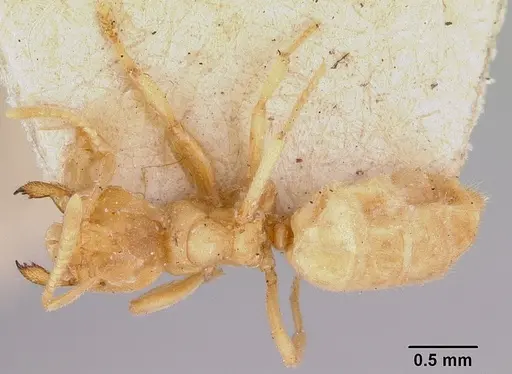
CASENT0172017
View on AntWeb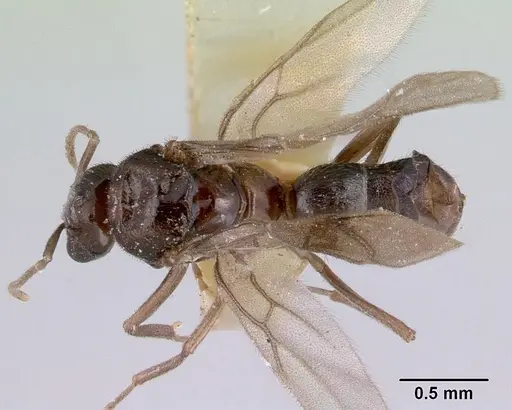
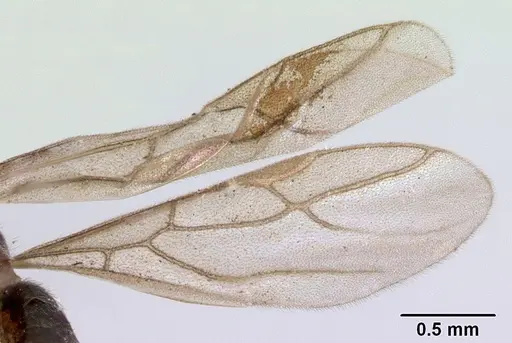
CASENT0172018
View on AntWeb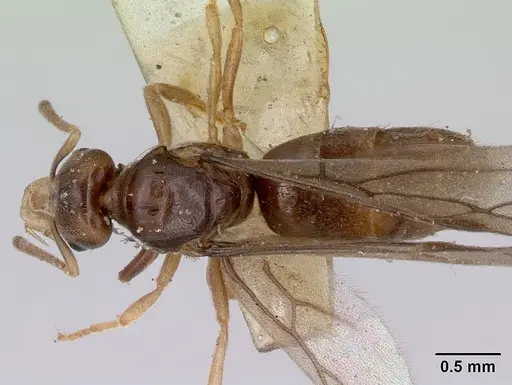
CASENT0249912
View on AntWeb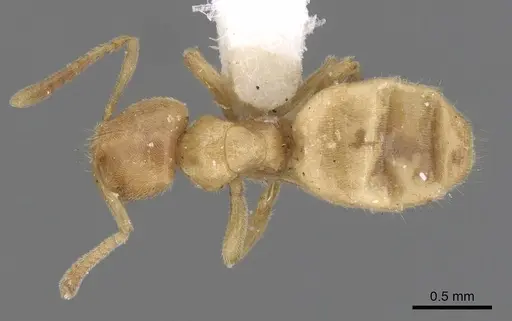
CASENT0909906
View on AntWeb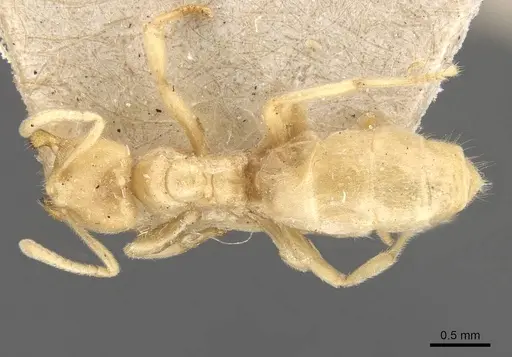
Literature
Loading...Loading products...