

Acropyga lauta
- Scientific Name
- Acropyga lauta
- Tribe
- Plagiolepidini
- Subfamily
- Formicinae
- Author
- Mann, 1919
- Distribution
- Found in 2 countries
Acropyga lauta Overview
Acropyga lauta is an ant species of the genus Acropyga. It is primarily documented in 2 countries , including Fiji, Solomon Islands. Detailed taxonomic data and occurrence records can be further explored via authoritative databases such as AntWeb or the Global Biodiversity Information Facility (GBIF).
Acropyga lauta
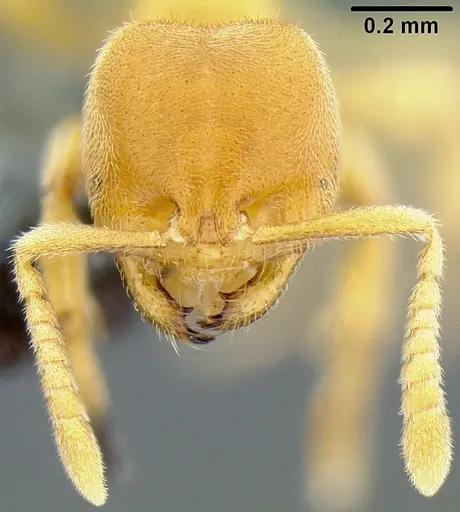
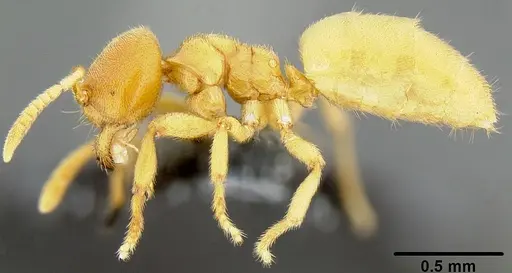
These are tiny yellow ants from the Solomon Islands and Fiji, with workers measuring under 2.5mm and queens barely reaching 3mm [1]. They live underground in soil and are nearly blind, with reduced eyes suited for dark habitats [2]. What makes them unique is their complete dependence on mealybugs, tiny scale insects that live underground, which they farm for honeydew. When the colony moves, workers physically carry their mealybug partners in their jaws, a behavior called trophophoresis [2]. They have been found associated with the mealybugs Eumyrmococcus kolobangarae and E. kusiacus [2].
Quick Summary
- Difficulty: Expert
- Origin & Habitat: Solomon Islands (Malaita, Makira, Guadalcanal) and Fiji (Kadavu, Vanua Levu, Viti Levu) [2][3][4]. Found in soil, often discovered while excavating other ant nests [2].
- Colony Type: Unconfirmed, colony structure has not been documented for this species.
- Size & Growth:
- Queen: 2.8-3.4 mm total length [1]
- Worker: 1.9-2.3 mm total length [1]
- Colony: Unknown, likely small to moderate based on related Acropyga species.
- Growth: Unknown, likely slow due to specialized diet.
- Development: Unknown, estimated 8-12 weeks based on tropical Formicinae of similar size. (Timeline is unconfirmed for this species. Tropical temperatures likely speed development compared to temperate ants.)
- Antkeeping:
- Temperature: 24-28°C (75-82°F), inferred from tropical Solomon Islands and Fiji climate. Keep stable with minimal fluctuation.
- Humidity: High humidity required. Use moist soil or substrate that feels damp but not waterlogged. These are subterranean ants that need consistent soil moisture [2].
- Diapause: No, tropical species that remains active year-round.
- Nesting: Soil-based naturalistic setup required. They need darkness and soil to tunnel through. Standard acrylic nests with clear viewing areas will stress these light-sensitive ants.
- Behavior: Subterranean and secretive. Workers are nearly blind and avoid light [2]. They are not aggressive and pose no sting risk (Formicinae). However, their extremely small size means they can escape through the tiniest gaps in standard formicariums.
- Common Issues: cannot survive without their specific mealybug symbionts (Eumyrmococcus species), this is the primary barrier to keeping them., tiny size means standard escape prevention is inadequate, they require extremely fine mesh and perfect seals., easily stressed by light and vibration, will remain hidden and may fail to thrive in typical display setups., diet is restricted to honeydew from their mealybugs, they cannot be fed standard ant foods like insects or honey alone.
The Mealybug Symbiosis
Acropyga lauta maintains an obligate relationship with underground mealybugs, specifically Eumyrmococcus kolobangarae and E. kusiacus [2]. This means the ants cannot survive without these insects. The mealybugs feed on plant roots and excrete honeydew, which the ants consume. In exchange, the ants protect the mealybugs and move them to new feeding sites. When the colony relocates, workers carry the mealybugs in their mandibles, this is called trophophoretic behavior [2]. Without establishing and maintaining a healthy population of these specific mealybugs, any captive colony will starve. You cannot substitute other foods like sugar water or honey long-term, as the ants rely on specific nutrients and symbiotic bacteria transferred through the mealybugs.
Housing and Substrate
These ants need a naturalistic, soil-based setup. They are subterranean and were collected from soil while excavating other nests [2]. A standard acrylic formicarium with clear viewing windows will not work, they need darkness and soil to tunnel through. Use a container with at least 10-15cm of soil mix (coconut fiber, potting soil, and sand). Keep the soil consistently moist but not waterlogged. Because they are nearly blind and sensitive to light, provide plenty of cover and avoid disturbing the nest. If you must check on them, use a red light or check only at night, as they are likely more active in darkness.
Temperature and Environment
Coming from the Solomon Islands and Fiji, these ants need tropical conditions. Aim for 24-28°C with stable temperatures, avoid drops below 20°C [2][3]. They do not require hibernation and should be kept active year-round. Humidity is critical, the soil should feel damp to the touch. If the substrate dries out, the mealybugs will die, and the colony will follow. Provide ventilation to prevent mold, but ensure the setup retains moisture. A heating cable on one side of the setup can create a gentle gradient, but avoid overheating, these are soil-dwelling ants that naturally experience buffered, stable temperatures.
Why These Are Specialist-Only Ants
Acropyga lauta is not suitable for beginners or even most intermediate keepers. The primary challenge is sourcing and maintaining the specific mealybug symbionts. Even if you acquire a wild colony with mealybugs, maintaining the delicate balance between ant and mealybug populations in captivity is extremely difficult. The ants' tiny size (under 2.5mm) makes escape prevention nearly impossible with standard equipment, they can squeeze through the smallest gaps in lids and tubing. Additionally, their subterranean nature means they will spend all their time hidden in soil, providing little visible activity for observation. These factors combine to make them a species only suitable for advanced keepers with specific research interests and access to proper mealybug cultures. [2][1]
Frequently Asked Questions
Can I keep Acropyga lauta without mealybugs?
No. These ants have an obligate symbiosis with specific mealybug species (Eumyrmococcus kolobangarae and E. kusiacus) and cannot survive without them [2]. They rely entirely on honeydew from these mealybugs for nutrition.
What do Acropyga lauta eat?
They eat honeydew excreted by underground mealybugs that they farm [2]. They do not forage for other foods and cannot survive on sugar water or insect prey alone.
How do I prevent Acropyga lauta from escaping?
Their tiny size (workers under 2.5mm) makes escape prevention extremely difficult [1]. You need fine mesh (under 0.5mm) for ventilation, perfect seals on all container joints, and barriers like Fluon applied carefully to ensure no gaps. Even small imperfections in standard formicariums will allow escape.
Are Acropyga lauta good for beginners?
No. They are expert-level ants due to their mealybug requirements, tiny size, subterranean habits, and sensitivity to disturbance. They require specialized naturalistic setups and specific symbiotic partners that are difficult to maintain.
How long does Acropyga lauta take from egg to worker?
The development time is unknown for this species. Based on similar small tropical Formicinae, estimate 8-12 weeks at 25-28°C, but this is speculative.
What is the best nest type for Acropyga lauta?
They require a naturalistic soil setup with at least 10-15cm of substrate for tunneling [2]. Standard acrylic formicariums do not work for these subterranean, light-sensitive ants. Use a soil container with minimal viewing areas.
References

This caresheet is licensed under CC BY-SA 4.0 .
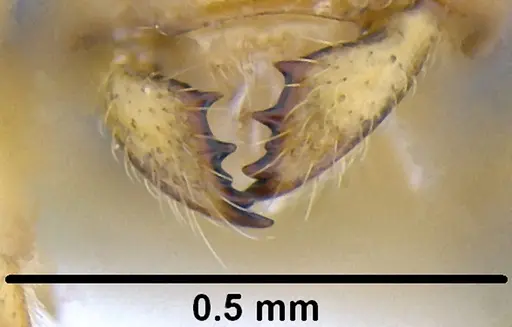
CASENT0171066
View on AntWeb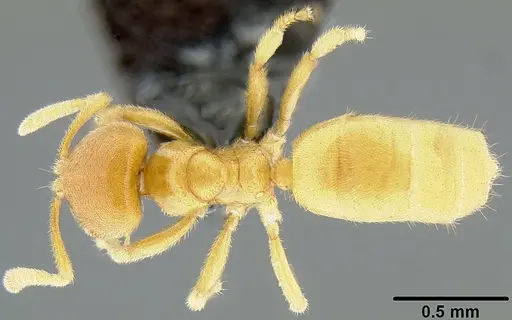
Literature
Loading...Loading products...