

Acropyga keira
- Scientific Name
- Acropyga keira
- Tribe
- Plagiolepidini
- Subfamily
- Formicinae
- Author
- LaPolla, 2004
- Distribution
- Found in 1 countries
Acropyga keira Overview
Acropyga keira is an ant species of the genus Acropyga. It is primarily documented in 1 countries , including Costa Rica. Detailed taxonomic data and occurrence records can be further explored via authoritative databases such as AntWeb or the Global Biodiversity Information Facility (GBIF).
Acropyga keira
Acropyga keira is a small ant species native to Costa Rica, belonging to the subfamily Formicinae [1]. These are tiny ants, with workers typically measuring just 2-3mm. The genus Acropyga is known for its association with mealybugs and other sap-sucking insects, which the ants tend for their honeydew secretions, a behavior that has earned them the nickname 'mealybug ants' in some regions. In their natural habitat in Costa Rica, they are ground-nesting ants that prefer damp, shaded forest environments [1]. The species is classified as ground-dwelling in stratum classification, meaning they nest and forage primarily at ground level [1].
Quick Summary
- Difficulty: Medium
- Origin & Habitat: Costa Rica, tropical forest environments, ground-nesting species [1]
- Colony Type: Likely single-queen colonies based on typical Acropyga genus patterns
- Colony: Monogyne
- Founding: Claustral
- Size & Growth:
- Queen: Estimated 4-5mm based on genus Acropyga morphology
- Worker: Estimated 2-3mm based on genus Acropyga morphology
- Colony: Likely small colonies of a few hundred workers based on genus patterns
- Growth: Moderate, estimated based on typical tropical Formicinae
- Development: Estimated 6-8 weeks at tropical temperatures (24-28°C) based on related Formicinae species (Development time is estimated, not directly studied for this species)
- Antkeeping:
- Temperature: Keep at 24-28°C, tropical species requiring warm conditions
- Humidity: High humidity preferred (70-80%), they naturally inhabit damp forest floor environments
- Diapause: No, being a tropical species, they do not require hibernation
- Nesting: Ground-nesting, test tubes with moist cotton or plaster nests work well. They prefer tight, humid chambers
- Behavior: Generally docile and non-aggressive. As small ground-nesting ants, they are not strong climbers and have low escape risk. They are likely nocturnal or crepuscular foragers based on typical Acropyga behavior. Their association with mealybugs means they will readily accept sugar sources.
- Common Issues: tropical species may struggle in cool or dry environments, small colony size means they are sensitive to disturbance, humidity control is critical, they dry out easily, limited specific research means care requirements are partially inferred from genus, wild-caught colonies may introduce pests or parasites
Housing and Nest Setup
Acropyga keira is a ground-nesting species that thrives in humid conditions. Test tube setups work well for founding colonies, use a test tube with a water reservoir sealed with cotton, providing a constant moisture source. The tube should be kept in a dark area to simulate their natural underground environment. For established colonies, plaster nests or acrylic formicaria with moisture chambers maintain the high humidity they need. Avoid dry environments or excessive ventilation that could dry out the nest. A small outworld for foraging is sufficient, these are small ants that don't need much space.
Feeding and Diet
Like other Acropyga species, these ants are likely to be omnivorous with a strong preference for sugar sources. They have a mutualistic relationship with mealybugs in the wild, tending them for honeydew. In captivity, offer sugar water (1:3 ratio honey to water) or diluted maple syrup constantly. For protein, offer small insects like fruit flies, pinhead crickets, or mealworm pieces. Feed protein 2-3 times per week, and keep sugar available at all times. Given their small size, prey items should be appropriately sized, very small pieces that they can handle.
Temperature and Humidity
As a tropical species from Costa Rica, Acropyga keira requires warm and humid conditions. Maintain temperatures between 24-28°C (75-82°F). A small heat mat placed under one end of the nest can create a temperature gradient, allowing the ants to self-regulate. Humidity should be kept high at 70-80%. This can be achieved by keeping the water reservoir in the test tube or nest topped up, and avoiding placement near air conditioning or heating vents that could cause drying. Mist the nest occasionally if it appears to be drying out.
Colony Development
A newly mated queen will dig a small chamber and seal herself inside, this is claustral founding. She will lay eggs and survive entirely on her stored fat reserves until the first workers emerge (nanitics). This process typically takes 6-8 weeks in warm conditions. The first workers will be smaller than normal workers (nanitics) and will begin foraging for food to feed the developing brood. Colony growth is moderate, expect several months before you have a dozen workers, and a year or more to reach a few hundred workers. Be patient with these slow-growing tropical ants.
Behavior and Temperament
Acropyga keira is a docile species that poses no threat to keepers. They are not aggressive and do not have a potent sting. Their small size and ground-nesting habits mean they are not strong climbers, reducing escape risk compared to arboreal species. They are likely nocturnal or crepuscular, becoming more active during dim light periods. In the wild, they associate with mealybugs and other sap-sucking insects for honeydew, so don't be surprised if they show strong interest in sweet liquids. They are a calm, low-maintenance species suitable for observation.
Frequently Asked Questions
How long does it take for Acropyga keira to produce first workers?
Expect first workers (nanitics) to emerge in 6-8 weeks after the queen lays eggs, provided temperatures are maintained at 24-28°C. This is typical for tropical Formicinae species.
What do Acropyga keira ants eat?
They are omnivorous with a strong sweet tooth. Offer sugar water, honey, or maple syrup constantly. For protein, provide small insects like fruit flies or tiny mealworm pieces 2-3 times per week.
What temperature do Acropyga keira need?
Keep them warm at 24-28°C (75-82°F). As a tropical species from Costa Rica, they require consistent warmth and do not tolerate cool temperatures.
Do Acropyga keira need hibernation?
No, being a tropical species, they do not require hibernation or diapause. Maintain warm temperatures year-round.
How big do Acropyga keira colonies get?
Based on genus patterns, colonies likely reach 200-500 workers at maturity. Growth is moderate and takes over a year to reach significant numbers.
Can I keep multiple Acropyga keira queens together?
This species is likely monogyne (single queen). Combining unrelated queens is not recommended as they likely will fight. Only one queen per colony is advised.
What humidity level do Acropyga keira need?
High humidity of 70-80% is required. Keep the nest substrate moist but not waterlogged. Test tube setups with water reservoirs maintain humidity well.
Are Acropyga keira good for beginners?
They are moderately difficult to keep due to their specific humidity and temperature requirements. They are docile and fascinating to watch, but require more precise conditions than hardy temperate species.
When should I move Acropyga keira to a formicarium?
Wait until the colony reaches at least 20-30 workers before moving. They do well in test tube setups long-term, only move to a larger nest when the tube becomes crowded or the water reservoir runs out frequently.
References

This caresheet is licensed under CC BY-SA 4.0 .
CASENT0619182
View on AntWeb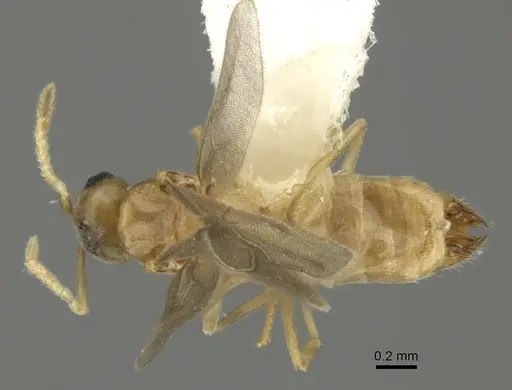
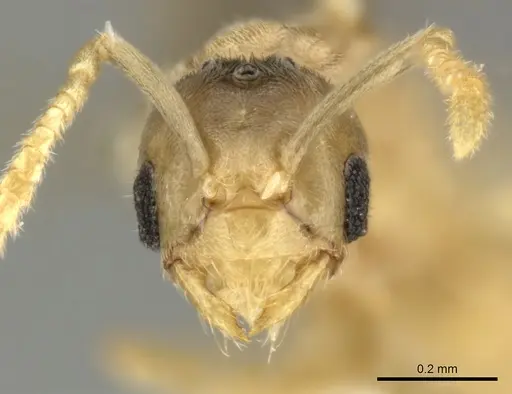
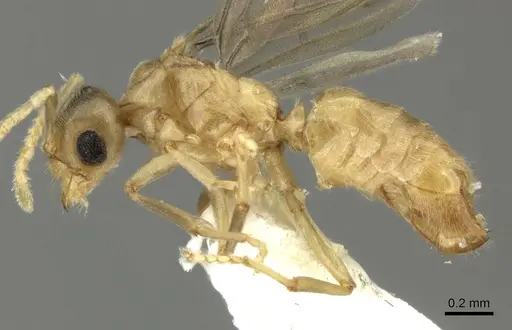
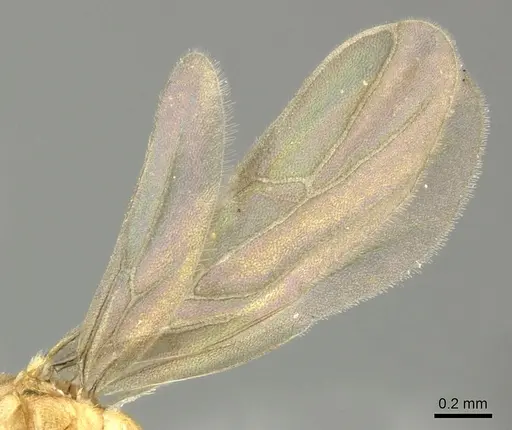
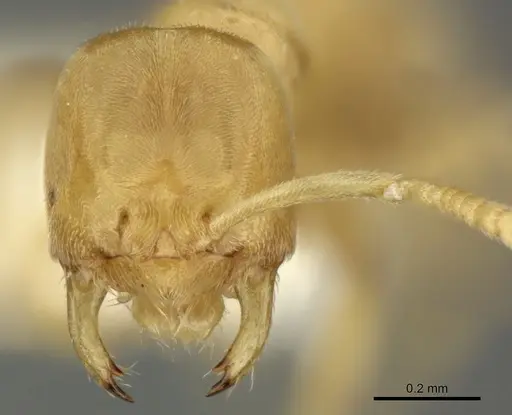
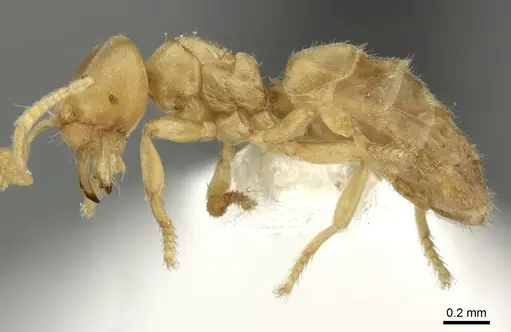
INBIOCRI001238061
View on AntWeb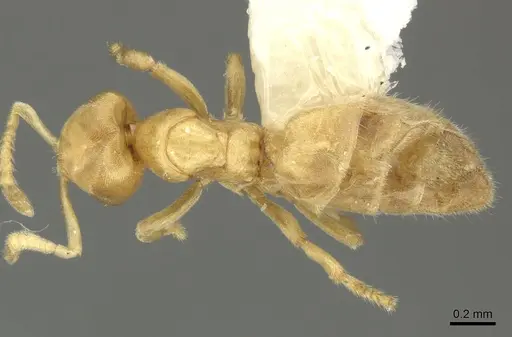
Literature
Loading...Loading products...