

Acropyga inezae
- Scientific Name
- Acropyga inezae
- Tribe
- Plagiolepidini
- Subfamily
- Formicinae
- Author
- Forel, 1912
- Distribution
- Found in 1 countries
Acropyga inezae Overview
Acropyga inezae is an ant species of the genus Acropyga. It is primarily documented in 1 countries , including Indonesia. Detailed taxonomic data and occurrence records can be further explored via authoritative databases such as AntWeb or the Global Biodiversity Information Facility (GBIF).
Acropyga inezae
Acropyga inezae is a tiny yellow ant species from the Formicinae subfamily, found only in Borneo and Sumatra in Southeast Asia. Workers measure just 1.5-1.7mm and are entirely yellow with a distinctive covering of appressed hairs. The species belongs to the butteli species-group and can be identified by its 4-toothed mandibles, with the basal tooth being enlarged and rectangular. Queens are larger at 2.7-2.9mm and retain the yellow coloration. This species has a unique trophobiotic relationship with subterranean mealybugs that feed on plant roots, which is the primary known aspect of its biology [1].
Quick Summary
- Difficulty: Unknown
- Origin & Habitat: Borneo and Sumatra (Indonesia), Singapore, Brunei, tropical rainforest regions of the Indomalaya region [2]
- Colony Type: Colony structure is unconfirmed, no data on whether they are single-queen or multi-queen colonies
- Size & Growth:
- Queen: 2.74-2.92mm
- Worker: 1.48-1.7mm
- Colony: Unknown, no colony size data available
- Growth: Unknown
- Development: Unknown, no development data available for this species (Development timeline has not been studied. Related Acropyga species typically develop in 4-8 weeks at tropical temperatures, but this is an estimate.)
- Antkeeping:
- Temperature: Keep at tropical room temperature, roughly 24-28°C. No specific studies exist for this species, but being from Borneo and Sumatra, they likely prefer warm, stable conditions.
- Humidity: High humidity is likely needed, these ants live in forest floor environments and have trophobiotic relationships with subterranean mealybugs. Keep nest substrate consistently moist but not waterlogged.
- Diapause: Unknown, no data on overwintering requirements. Being a tropical species from lowland Southeast Asia, they likely do not require hibernation.
- Nesting: No specific nesting data exists. In captivity, small test tubes or acrylic nests with tight chambers would work well given their tiny size. The subterranean mealybug relationship suggests they may prefer enclosed, humid nest environments.
- Behavior: Behavior is poorly documented. They are tiny yellow ants that likely forage underground or in leaf litter. Their relationship with mealybugs suggests they tend root-feeding insects for honeydew. Escape prevention is critical, at 1.5mm, they can squeeze through standard barrier gaps. Use fine mesh and tight-fitting lids.
- Common Issues: escape prevention is critical due to their very small size, they can slip through tiny gaps, virtually nothing is known about their biology, making successful captive breeding uncertain, no data on founding behavior or what queens need to establish colonies, humidity control may be challenging, they likely need high humidity but risk of mold in enclosed nests, no confirmed diet information, mealybug relationship suggests they may need sugar sources but this is unconfirmed
Appearance and Identification
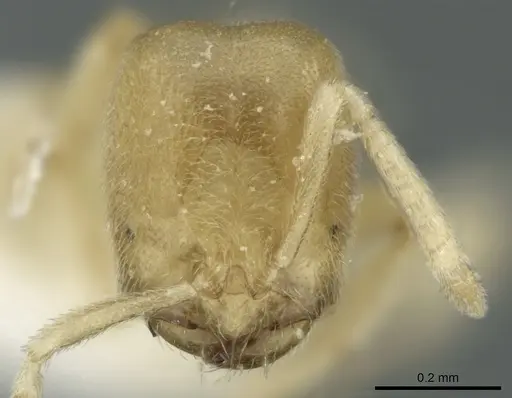
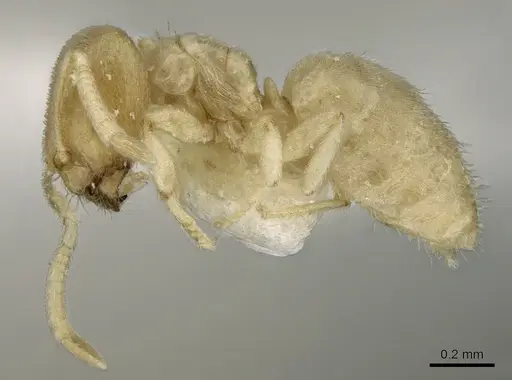
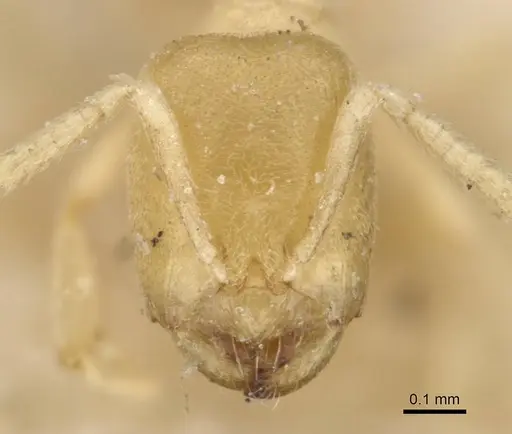
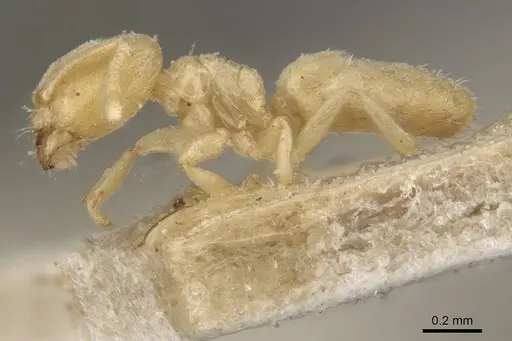
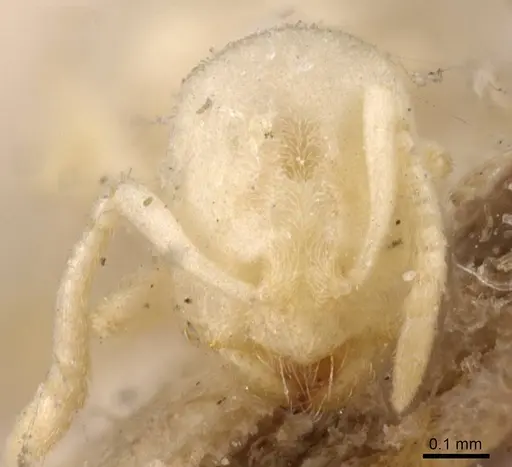
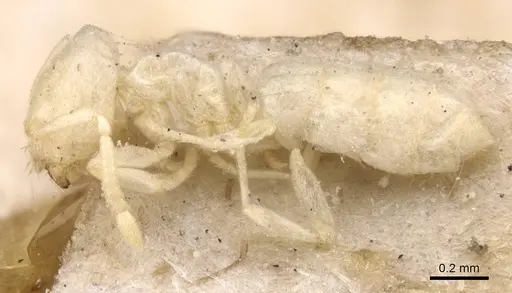
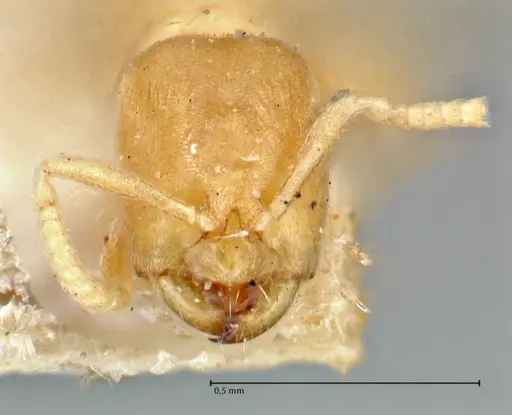
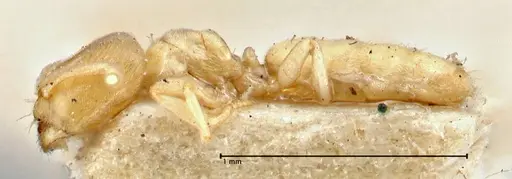
Acropyga inezae is one of the smaller ant species kept in captivity, with workers measuring just 1.48-1.7mm and queens reaching 2.74-2.92mm. They are entirely yellow to yellowish-brown in color, covered throughout with a layer of appressed hairs that gives them a slightly fuzzy appearance. Workers have 11-segmented antennae that are noticeably thickened (incrassate), and their most distinctive feature is the 4-toothed mandible with an enlarged, rectangular basal tooth that is apically truncated. This species can be distinguished from others in the butteli species-group by having only 4 mandibular teeth instead of 5. The third tooth from the apical end sometimes appears fused, creating a diagnostic truncated appearance similar to the basal tooth.
Natural History and Trophobiosis
This is one of the most poorly studied ant species in captivity, with the scientific literature explicitly stating that nothing is known about its biology. However, one key ecological trait has been documented: Acropyga inezae has trophobiotic relationships with subterranean mealybugs that feed on plant roots [1]. This means they likely tend these mealybugs for honeydew, similar to how other Acropyga species operate. The species is known only from Sumatra and Borneo, with records from Brunei, Indonesia (Kalimantan and Sumatra), and Singapore. They have been collected from undisturbed forest plots, suggesting they may be sensitive to habitat disturbance. The combination of being a tiny yellow ant with mealybug-tending behavior makes them somewhat unique among Formicinae ants available in the hobby [1][2].
Housing and Escape Prevention
Given their extremely small size of 1.5-1.7mm for workers, escape prevention is absolutely critical when keeping Acropyga inezae. Standard test tube setups may work, but you must ensure all connections are sealed and use fine mesh barriers. These ants can slip through gaps that would hold back larger species. A small acrylic nest with tight chambers scaled to their tiny size would be ideal. The nest should maintain high humidity without becoming stagnant, small ventilation holes covered with fine mesh will help balance airflow while preventing escapes. Because their natural history is unknown, err on the side of providing humid, enclosed spaces similar to what subterranean mealybug-tending ants would prefer.
Feeding and Diet
The trophobiotic relationship with subterranean mealybugs documented in the wild suggests these ants likely rely heavily on honeydew from root-feeding insects [1]. In captivity, you should likely provide a constant sugar source such as sugar water or honey diluted with water. However, since their exact dietary needs are unknown, you should also offer protein sources like small fruit flies, pinhead crickets, or other tiny insects to see what they accept. Being a Formicinae, they may also accept some seeds or plant matter, but this is speculative. Start with sugar water always available, and supplement with small protein prey items. Remove uneaten prey within 24-48 hours to prevent mold in the humid nest environment.
Temperature and Seasonal Care
Acropyga inezae comes from tropical regions of Borneo and Sumatra, where temperatures remain warm year-round. Keep them at room temperature in the low-to-mid 20s Celsius (roughly 24-28°C). No specific data exists on whether they require any seasonal temperature changes, but being a lowland tropical species, they likely do not need hibernation or diapause. Avoid temperature drops below 20°C unless the colony shows clear signs of distress. A heating cable on one side of the nest can create a gentle gradient if your room temperature runs cool, but monitor to ensure the nest does not dry out. The key is stable, warm, humid conditions.
Challenges and Unknowns
This species presents significant challenges for antkeepers because virtually nothing is known about its captive care requirements. The scientific literature explicitly states that nothing is known about the biology of Acropyga inezae [2]. This means you are essentially pioneering captive husbandry for this species. Key unknowns include: colony founding behavior (claustral vs semi-claustral), exact humidity requirements, preferred nest materials, colony growth rate, and what triggers reproduction. You should expect a steep learning curve and be prepared for trial and error. Starting with multiple colonies if possible will increase your chances of success. Document your observations carefully so the antkeeping community can learn from your experience.
Frequently Asked Questions
How long does it take for Acropyga inezae to produce first workers?
The egg-to-worker development timeline is completely unknown for this species. No scientific studies have documented their development time. Based on related Acropyga species in tropical conditions, you might expect 4-8 weeks from egg to first worker, but this is purely an estimate.
What do Acropyga inezae ants eat?
Their exact diet is unconfirmed, but their documented relationship with subterranean mealybugs suggests they feed on honeydew from root-feeding insects. In captivity, provide sugar water or honey as a constant energy source, and offer small protein prey like fruit flies or tiny crickets. Acceptances may vary, experiment to see what your colony takes.
Are Acropyga inezae good for beginners?
No, this species is not recommended for beginners. Virtually nothing is known about their biology, and they are extremely small, making escape prevention challenging. They are better suited for experienced antkeepers who want to pioneer captive breeding of an understudied species.
Can I keep multiple queens together?
Colony structure is unconfirmed, no data exists on whether Acropyga inezae is monogyne (single queen) or polygyne (multiple queens). Combining unrelated queens is not recommended since this has not been studied and could result in aggression.
What size colony does Acropyga inezae reach?
Maximum colony size is unknown. No studies have documented colony sizes in the wild or captivity for this species.
Do Acropyga inezae need hibernation?
Diapause requirements are unconfirmed. However, being a tropical species from Borneo and Sumatra, they likely do not require hibernation. Keep them at warm tropical temperatures year-round.
How do I set up a nest for Acropyga inezae?
Use a small nest scaled to their tiny 1.5mm worker size. Tight-fitting test tubes or small acrylic nests with narrow chambers work well. Maintain high humidity and ensure excellent escape prevention with fine mesh barriers. The documented mealybug relationship suggests they prefer enclosed, humid environments.
Why are my Acropyga inezae dying?
Without known biology, colony failures are difficult to diagnose. Common issues likely include: escape through tiny gaps, improper humidity (too dry or too wet causing mold), temperature stress, or inadequate food. Since their needs are so poorly understood, trial and error is necessary. Document your conditions and adjust gradually.
Where is Acropyga inezae found in the wild?
This species is known only from Borneo and Sumatra (Indonesia), with records from Brunei, Malaysia, and Singapore. They live in tropical rainforest environments in the Indomalaya region.
References

This caresheet is licensed under CC BY-SA 4.0 .
CASENT0906269
View on AntWeb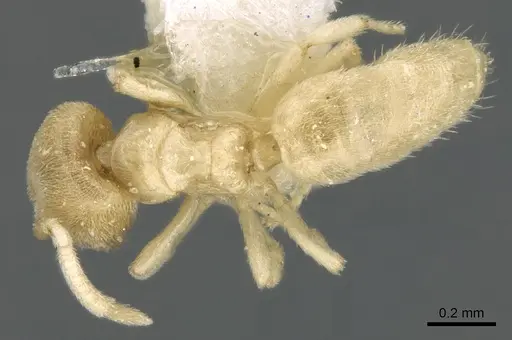
CASENT0909909
View on AntWeb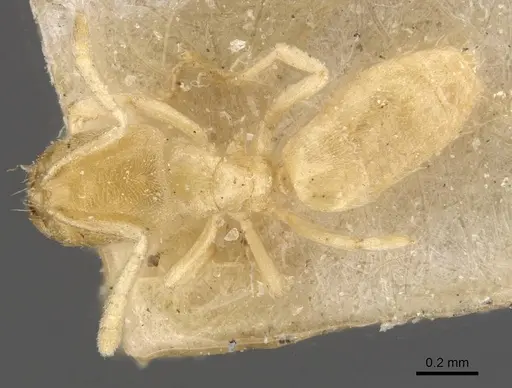
CASENT0912351
View on AntWeb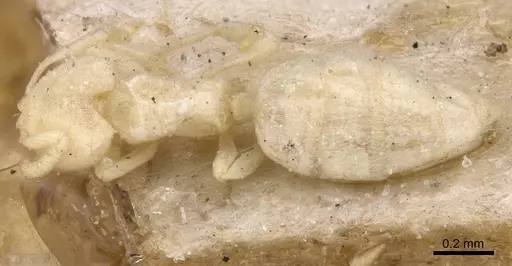
FOCOL2961
View on AntWeb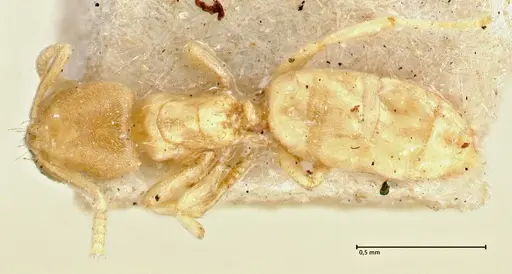
Literature
Loading...Loading products...