

Acropyga guianensis
- Scientific Name
- Acropyga guianensis
- Tribe
- Plagiolepidini
- Subfamily
- Formicinae
- Author
- Weber, 1944
- Distribution
- Found in 4 countries
Acropyga guianensis Overview
Acropyga guianensis is an ant species of the genus Acropyga. It is primarily documented in 4 countries , including Brazil, Colombia, Ecuador. Detailed taxonomic data and occurrence records can be further explored via authoritative databases such as AntWeb or the Global Biodiversity Information Facility (GBIF).
Acropyga guianensis
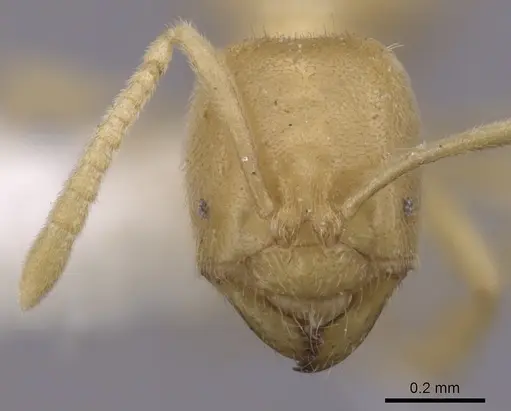
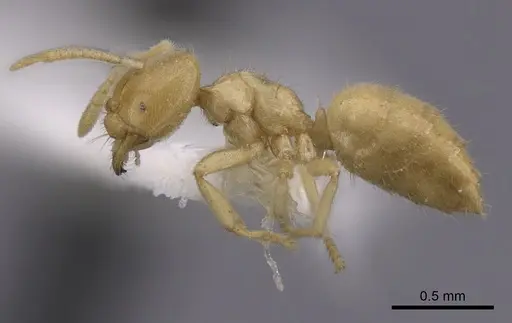
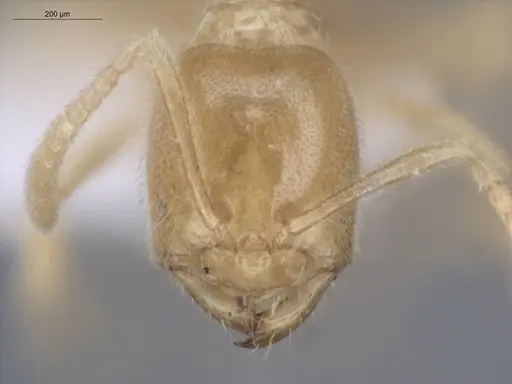
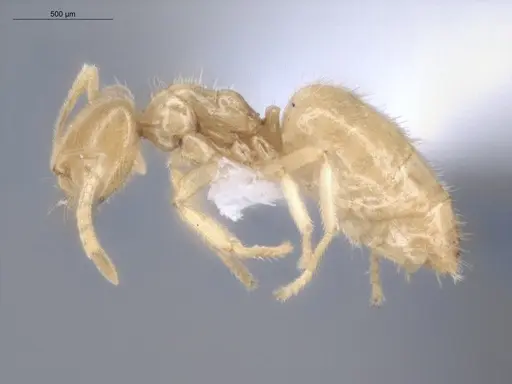
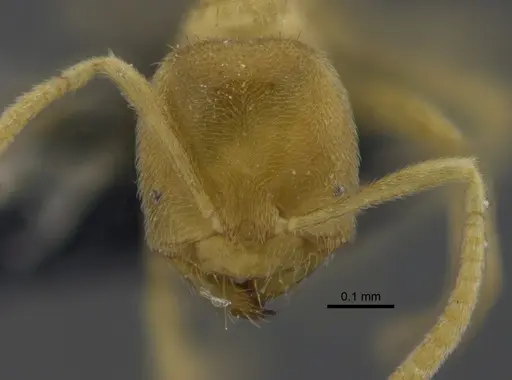
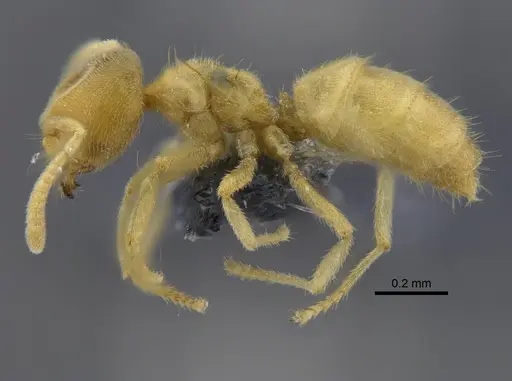
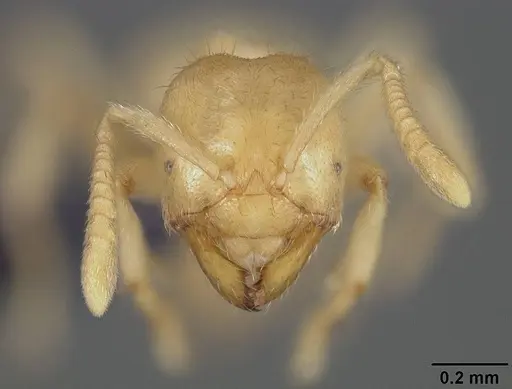
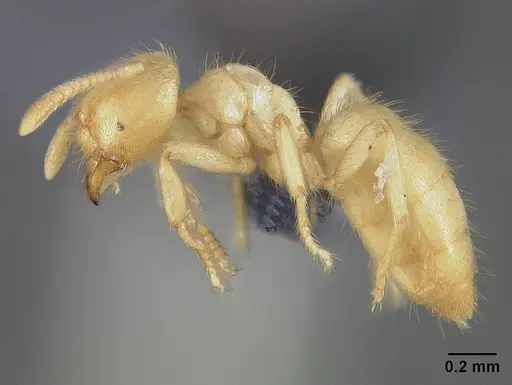
Acropyga guianensis is a tiny, yellowish-brown ant belonging to the Formicinae subfamily. Workers measure just 1.83-2.4mm, making them one of the smaller ant species you'll encounter. Queens are larger at 3.48-3.65mm and are significantly darker than workers, often appearing brown dorsally. These ants have distinctive 10-11 segmented antennae and mandibles with 4-5 teeth. They were originally described from Guyana in 1944 and have since been found across northern South America, from Colombia and Ecuador south through Brazil and into Bolivia [1][2].
What makes Acropyga ants special is their obligate relationship with mealybugs. Like all species in this genus, A. guianensis tends mealybugs of the genus Neochavesia, which they farm for honeydew. This symbiotic relationship is so tight that the ants cannot survive without their mealybug partners. The entire colony moves with their mealybug hosts, which live in soil and root environments [2][3].
Quick Summary
- Difficulty: Hard
- Origin & Habitat: Northern South America, found in Bolivia, Brazil, Colombia, Ecuador, French Guiana, and Guyana. They live in rainforest leaf litter and soil, typically in lowland tropical environments [1][2].
- Colony Type: Likely single-queen (monogyne) colonies based on typical Acropyga genus patterns. Colony size is unknown but likely small, probably under 100 workers given their tiny size and cryptic lifestyle [1].
- Colony: Monogyne
- Founding: Claustral
- Size & Growth:
- Queen: 3.48-3.65mm [1]
- Worker: 1.83-2.4mm [1]
- Colony: Unknown, likely small colonies of under 100 workers based on typical Acropyga patterns
- Growth: Unknown, likely slow to moderate given their cryptic lifestyle
- Development: Unknown, no direct data available. Based on similar small Formicinae, estimate 6-10 weeks at optimal temperature (Development timeline has not been studied for this species. Estimates based on genus-level patterns.)
- Antkeeping:
- Temperature: Keep warm, around 24-28°C. These are tropical ants from lowland rainforests, so they need consistent warmth [2].
- Humidity: High humidity is essential, they naturally live in moist leaf litter and soil. Keep the nest substrate consistently damp but not waterlogged. Think rainforest floor conditions.
- Diapause: Unlikely, as tropical ants from northern South America, they probably do not require a hibernation period. Maintain warm conditions year-round.
- Nesting: These ants live in soil and leaf litter. In captivity, they do well in naturalistic setups with moist substrate or small test tube setups with access to a foraging area. They need tight spaces scaled to their tiny size.
- Behavior: Very cryptic and docile. As tiny leaf-litter ants, they are not aggressive and rarely sting. They are slow-moving and spend most of their time tending their mealybug partners. Escape prevention is critical due to their tiny 2mm size, they can squeeze through remarkably small gaps. They are not escape artists in the traditional sense but their small size means they will find any gap in your setup [1].
- Common Issues: tiny size makes escape prevention critical, use fine mesh and tight-fitting lids, obligate mealybug dependence means colonies may fail without proper host insects, high humidity requirements can lead to mold problems if ventilation is poor, slow growth and cryptic behavior make it hard to monitor colony health, virtually no species-specific care information exists, much is educated guesswork
The Mealybug Relationship
Acropyga guianensis is an obligate mealybug-tending ant, this is perhaps the most important thing to understand about keeping them. Like all Acropyga species, they form an exclusive partnership with mealybugs of the genus Neochavesia. The ants protect the mealybugs and in return feed on the honeydew they produce. This relationship is so specialized that the ants cannot survive without their mealybug partners [2][3].
In captivity, this means you must provide suitable mealybug hosts. Without them, your colony will starve. Mealybugs can be kept in the same enclosure as the ants, typically in the substrate or on small plant roots. The mealybugs feed on plant sap and the ants harvest the sugary honeydew excretion. This is fundamentally different from most ant species where you can simply offer sugar water and protein foods.
Housing and Nest Setup
Given their tiny size and soil-dwelling nature, Acropyga guianensis needs a setup that mimics rainforest floor conditions. A small test tube setup can work for founding colonies, but you'll need to provide a way to introduce and maintain mealybug hosts. A naturalistic terrarium-style setup with moist soil and leaf litter is ideal for established colonies.
Because workers are only 2mm tall, escape prevention must be excellent. Even the tiniest gaps will allow them to escape. Use fine mesh on any ventilation, and ensure all connections between nest and outworld are tight. These are not aggressive ants and won't attack you, but they are expert escape artists simply due to their size.
Keep the nesting area humid but provide some ventilation to prevent mold. A layer of moist coco fiber or soil works well as substrate. Avoid deep, waterlogged substrate as this can drown both ants and mealybugs. [1]
Feeding and Diet
The primary food source is honeydew from their mealybug partners. The ants will also consume small insects and may accept sugar sources, but the mealybug relationship is essential for long-term colony survival [2].
In captivity, you should establish a mealybug colony first before introducing ants, or introduce them simultaneously. Mealybugs can be fed small pieces of potato, carrot, or other vegetables placed in the enclosure. The mealybugs will feed on the vegetable matter and produce honeydew that the ants can harvest.
You can supplement with very small protein sources like pinhead crickets or fruit flies, but these ants are not active hunters. Their main diet comes from the honeydew relationship. Sugar water may be accepted occasionally but should not be relied upon as a primary food source.
Temperature and Humidity
As tropical ants from northern South America, Acropyga guianensis needs warm, humid conditions. Aim for temperatures around 24-28°C, consistent warmth is more important than exact numbers. Room temperature in most homes (around 20-24°C) may be slightly cool, consider using a gentle heat source like a heating cable on one side of the enclosure to create a warm zone.
Humidity should be high, think rainforest floor. The substrate should remain consistently moist but never waterlogged. Mist occasionally to maintain humidity, but ensure some ventilation to prevent stagnant air and mold growth. A hygrometer can help you monitor conditions, aim for 70-80% humidity in the nest area. [2]
Colony Growth and Development
Very little is known about the development of this specific species. Queens are 3.48-3.65mm and workers are 1.83-2.4mm, both are quite small. Colony size in the wild is unknown but likely small given their cryptic lifestyle in leaf litter.
Based on typical patterns for small tropical ants, you can expect the first workers (nanitics) to emerge roughly 6-10 weeks after founding, but this is a rough estimate. The queen will remain hidden in her chamber while raising the first brood, and you should not disturb her during this critical period.
Growth is likely slow compared to faster-growing ants like Lasius or Camponotus. Patience is essential with this species. Do not overfeed or try to rush growth, a stable, consistent environment is more important than maximizing food. [1]
Frequently Asked Questions
How long does it take for Acropyga guianensis to produce first workers?
The exact timeline is unknown, no research exists on their development. Based on similar small Formicinae, estimate 6-10 weeks from egg to worker at optimal temperature (around 26°C). Be patient with this slow-growing species.
Can I keep Acropyga guianensis in a test tube?
Yes, test tubes work for founding colonies. However, you must also maintain a mealybug colony since these ants are obligate mealybug-tenders and cannot survive without their symbiotic partners. Consider a setup where mealybugs can live in a small piece of potato or vegetable matter inside the test tube setup.
What do Acropyga guianensis eat?
They primarily eat honeydew from their mealybug partners (Neochavesia genus). In captivity, establish a mealybug colony first. Mealybugs can be fed vegetables like potato or carrot. The ants may accept small insects and sugar water as supplements, but the mealybug relationship is essential.
Are Acropyga guianensis good for beginners?
No, this is an expert-level species. Almost nothing is known about their specific care requirements, they require live mealybug hosts to survive, and their tiny size makes them challenging to house properly. They are not recommended for beginners.
Do Acropyga guianensis need hibernation?
No, they are tropical ants from northern South America and do not require hibernation. Keep them warm year-round at 24-28°C. Cold temperatures will stress and potentially kill them.
How big do Acropyga guianensis colonies get?
Colony size is unknown but likely small, probably under 100 workers based on typical Acropyga patterns. These are cryptic leaf-litter ants that do not form large colonies.
Why are my Acropyga guianensis dying?
Common causes include: lack of mealybug hosts (they cannot survive without honeydew), too low temperature (they need 24-28°C), incorrect humidity (too dry or too wet), or escape due to their tiny size. Review each of these factors. Also consider that wild-caught colonies may have parasites or disease.
Can I keep multiple queens together?
This has not been studied for this species. Based on typical Acropyga patterns, they likely form single-queen colonies. Combining unrelated queens is not recommended as there is no evidence they accept pleometrosis (multiple queen founding).
When should I move them to a formicarium?
Wait until the colony is established with at least 10-20 workers. For this species, a naturalistic setup with soil substrate is often better than a traditional formicarium. They prefer humid, soil-based environments.
References

This caresheet is licensed under CC BY-SA 4.0 .
CASENT0249920
View on AntWeb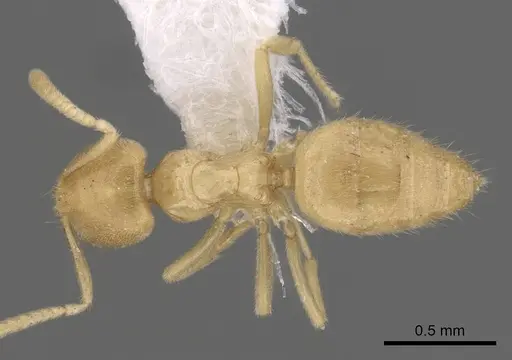
ECOFOG-MI15-0489-18
View on AntWeb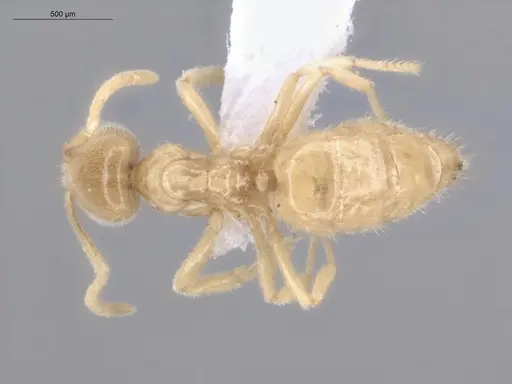
IAVH-E-263122
View on AntWeb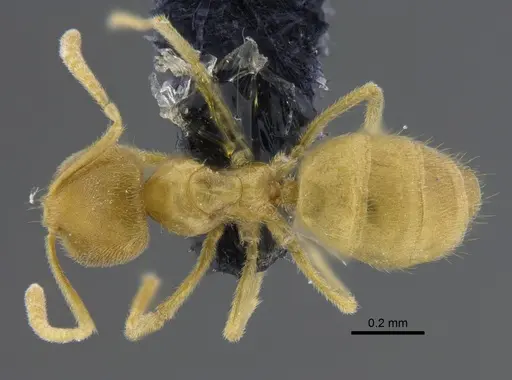
USNMENT00446087
View on AntWeb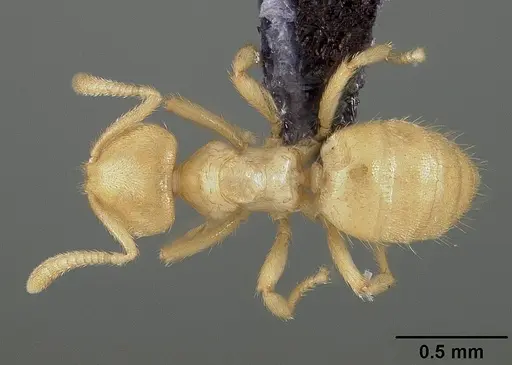
Literature
Loading...Loading products...