

Acropyga epedana
- Scientific Name
- Acropyga epedana
- Tribe
- Plagiolepidini
- Subfamily
- Formicinae
- Author
- Snelling, 1973
- Distribution
- Found in 2 countries
Acropyga epedana Overview
Acropyga epedana is an ant species of the genus Acropyga. It is primarily documented in 2 countries , including Mexico, United States of America. Detailed taxonomic data and occurrence records can be further explored via authoritative databases such as AntWeb or the Global Biodiversity Information Facility (GBIF).
Acropyga epedana
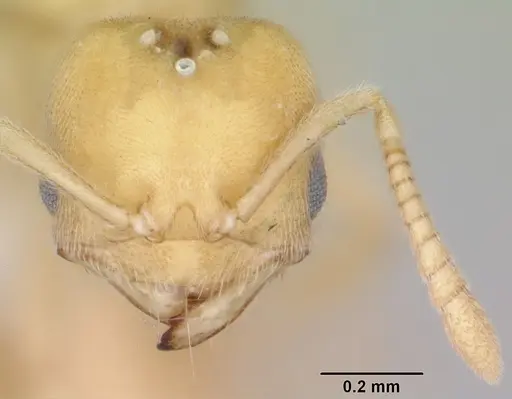
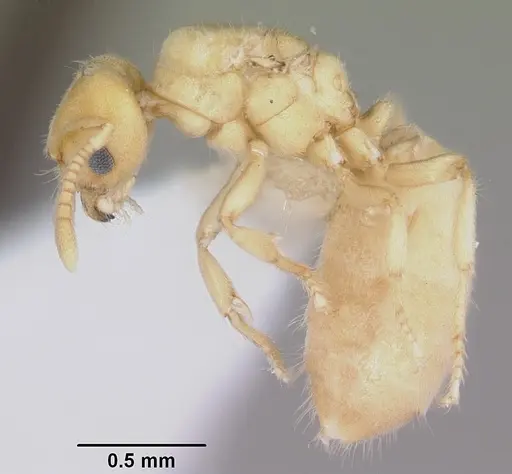
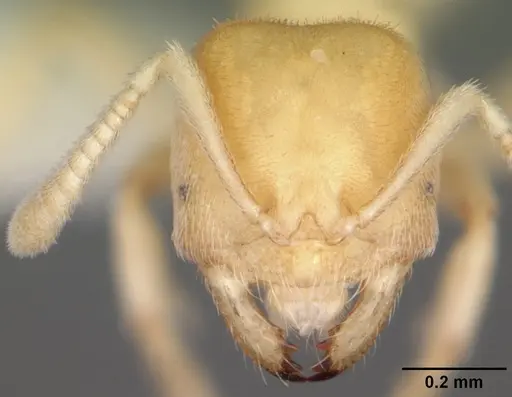
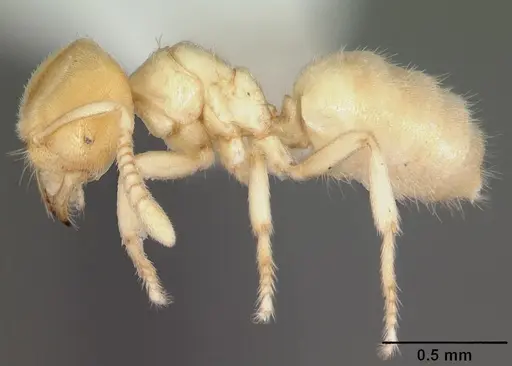
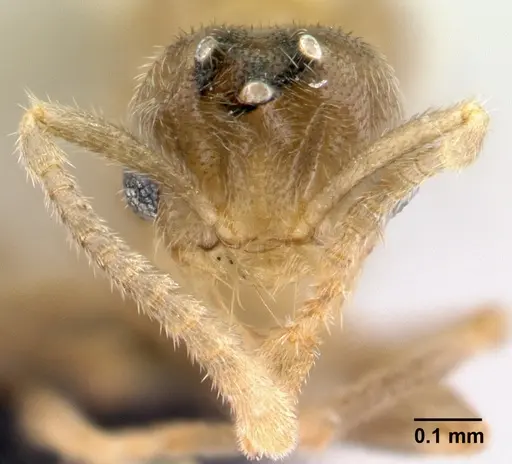
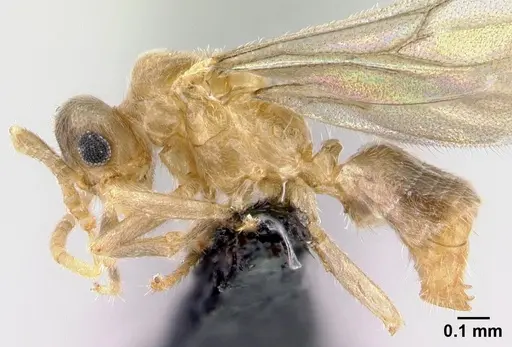
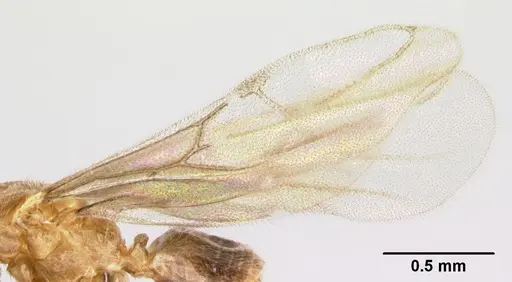
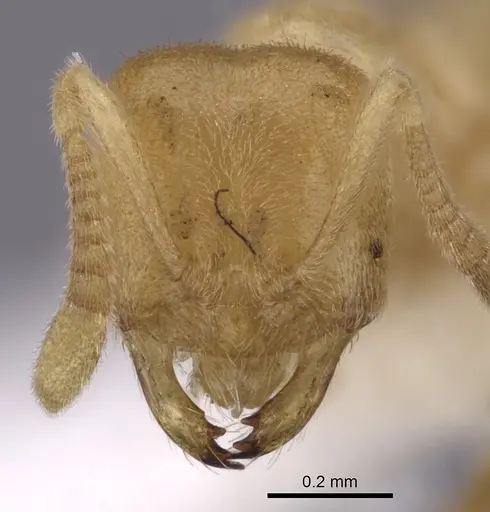
Acropyga epedana is a tiny, subterranean ant and the only member of its pantropical genus found in the Nearctic region. Workers measure just 1.75-2.28mm and are pale yellow-brown with extremely reduced eyes and thin cuticles, adaptations to their completely underground lifestyle. This species is found only in southeastern Arizona at higher elevations (1052-1676m) in oak-juniper woodland habitat. What makes A. epedana extraordinary is its absolute dependence on a specific mealybug (Rhizoecus colombiensis) for survival, the ants feed on the sugar-rich feces produced by these mealybugs, which in turn feed on plant root sap. Queens carry live mealybugs in their mandibles during mating flights to establish new mealybug herds when founding colonies [1][2].
Quick Summary
- Difficulty: Expert
- Origin & Habitat: Southeastern Arizona, USA, in open oak-pine-juniper woodland at elevations between 1052-1676m [1][2].
- Colony Type: Polygynous (multiple queens per colony) is suspected based on field observations, though single-queen colonies have been documented [1][2].
- Colony: Optionally polygyne
- Founding: Semi-claustral
- Size & Growth:
- Antkeeping:
- Temperature: Keep at room temperature (20-24°C) but avoid temperature fluctuations. These ants live underground and prefer stable, cool conditions [1].
- Humidity: High humidity is essential. The nest substrate must remain consistently moist but not waterlogged, think damp soil conditions 10-30cm below ground where they naturally nest [1][2].
- Diapause: Likely yes, based on seasonal activity patterns, they probably slow down during winter months when ground conditions are colder and drier [1].
- Nesting: Entirely subterranean. Use a naturalistic setup with deep, moist substrate (at least 10-15cm deep) or a plaster/acrylic nest with narrow chambers. They require darkness and will die quickly when exposed to light. Provide soil or fine substrate they can tunnel through [1][2].
- Behavior: Extremely photophobic, workers immediately flee from any light source and desiccate rapidly when exposed. They never forage above ground and completely depend on mealybugs for food. Workers exhibit a unique 'body jerking' behavior when meeting in tunnels, they jerk forward horizontally 3-6 times, possibly as vibrational communication. They are not aggressive and have no sting [1]. Escape risk is low since they stay underground, but their tiny size and extreme sensitivity to light makes them difficult to contain without proper setup.
- Common Issues: they refuse all conventional ant foods, sugar water, honey, insects, making captive nutrition nearly impossible without live mealybugs, extreme photophobia causes rapid death when exposed to light, keeper error is the most common cause of colony loss, thin cuticle leads to quick desiccation, they must stay in humid, dark conditions at all times, no documented captive breeding success exists, all specimens are wild-caught foundresses that die within weeks without producing workers, mite parasitism is common in wild colonies, approximately 95% of workers in studied colonies carried mites [2]
The Mealybug Dependency
This is the most critical aspect of keeping Acropyga epedana, they are obligate coccidiphiles, meaning they cannot survive without their mealybug partners. In the wild, workers feed exclusively on the sugar-rich feces produced by Rhizoecus colombiensis mealybugs, which feed on root sap. The ants also likely feed mealybugs to their larvae for protein. Laboratory feeding trials showed workers refused every offered food item: sugar water, honey, dead insects, aphids, and even halictid bees. They obtained all energy requirements from their tended mealybugs [1][2]. This means keeping this ant is essentially impossible without also culturing live mealybugs. The mealybugs live on plant roots underground, and queens carry gravid female mealybugs during their nuptial flights to start new herds in their colonies, this behavior is called trophophoresy [3][2].
Housing and Nest Setup
These ants require a setup that mimics deep, subterranean conditions. A naturalistic setup with at least 10-15cm of moist substrate (a soil-sand mix works well) is ideal, with the nest chambers located 10-30cm below the surface. The substrate must remain consistently damp but never waterlogged. The setup must be completely dark, even brief exposure to light causes workers to panic, flee, and desiccate rapidly. Use a nest box covered entirely in blackout material, with only a small red film or dim light for observation. Some keepers use plaster nests with very narrow chambers filled with moist substrate. Avoid any formicarium with large, open spaces or glass walls that transmit light. The nest should have no exposed openings to the surface, these ants never come above ground [1][2].
Feeding and Nutrition
You cannot feed these ants conventional ant foods. Laboratory colonies refused sugar water, honey, and dead insects when offered. Their entire nutritional requirements come from their mealybug partners. If you obtain a colony, you must also obtain live Rhizoecus colombiensis mealybugs and maintain them on living plant roots within the nest. The mealybugs feed on root sap and the ants consume their sugar-rich honeydew excretion. The mealybugs likely also provide protein when the ants cull and feed them to larvae. This specialized trophobiotic relationship cannot be replicated with any alternative food source, this is why this species is almost never kept successfully in captivity [1][2][3].
Light Sensitivity and Handling
Acropyga epedana is among the most light-sensitive ants in existence. Workers are extremely photophobic, when exposed to microscope light or any light source, they immediately move in the opposite direction. In the field, they hide under dirt or vegetation when their nests are exposed to sunlight. Their thin, light-colored cuticle makes them highly susceptible to desiccation when removed from the humid underground environment. When nests are opened, workers immediately grab brood and mealybugs in their mandibles and flee into deeper tunnels. In captivity, any light exposure beyond dim red light causes rapid mortality. Handle these ants only under complete darkness or with red-light illumination, and minimize disturbance to the nest [1][2].
Colony Structure and Reproduction
Colonies are polygynous (multiple queens) in most cases, though single-queen colonies have been found. One excavated nest contained 234 workers,1 queen,48 mealybugs, and 100 males. Mating flights occur from late July through mid-August, triggered by summer monsoon rains that moisten the ground. During nuptial flights, all females (queens) carry a female mealybug in their mandibles, this is how the symbiotic relationship is propagated. Males vastly outnumber females (about 10:1) at mating aggregations. After mating, females shed their wings and search for suitable nest sites under rocks. No captive breeding has ever been successful, foundresses collected after mating flights lived only 36 days on average and never produced eggs [1][2].
Frequently Asked Questions
Can I keep Acropyga epedana like other ant species?
No. This species is extremely difficult to keep and is not suitable for most antkeepers. They require live mealybugs (Rhizoecus colombiensis) to survive, refuse all conventional ant foods, and are extremely sensitive to light. They are considered expert-only and have never been successfully bred in captivity [1][2].
What do Acropyga epedana eat?
They eat nothing except what they get from their mealybug partners. Workers feed on the sugar-rich honeydew feces produced by Rhizoecus colombiensis mealybugs, and likely feed mealybugs to larvae for protein. Laboratory tests showed they refuse sugar water, honey, dead insects, and all other conventional ant foods [1][2].
How do I house Acropyga epedana?
Use a deep naturalistic setup with at least 10-15cm of moist substrate where they can tunnel 10-30cm deep. The entire setup must be kept dark, even brief light exposure kills them quickly. Keep the substrate consistently moist but not waterlogged. They never come above ground, so no outworld is needed [1][2].
Do Acropyga epedana need hibernation?
Likely yes, based on their seasonal activity patterns in Arizona. They probably slow down during winter when ground conditions are colder and drier. However, captive hibernation has never been attempted successfully due to the extreme difficulty of maintaining these ants [1].
Can I breed Acropyga epedana in captivity?
No successful captive breeding has ever been documented. All available colonies are wild-caught foundresses collected after nuptial flights. These foundresses consistently die within 6 weeks in captivity without producing any eggs or workers [2].
Where does Acropyga epedana live in the wild?
Only in southeastern Arizona, USA at elevations between 1052-1676m in oak-pine-juniper woodland habitat. They are the only Acropyga species found in the Nearctic region. Their range likely extends south into Mexico through the Sierra Madre Occidental mountain range [1][2].
Why do queens carry mealybugs during mating flights?
This behavior is called trophophoresy. Queens carry gravid female mealybugs in their mandibles during nuptial flights so they can establish a new mealybug herd when they found their colony. The mealybug becomes the foundress of the ant colony's food source, without it, the queen and subsequent colony cannot survive [2][3].
Are Acropyga epedana dangerous?
No. These ants are completely harmless to humans. They have no sting, are not aggressive, and spend their entire lives underground. Their main defense is fleeing into darkness [1].
How big do Acropyga epedana colonies get?
The largest documented colony had 234 workers,1 queen,48 mealybugs, and 100 males. This is relatively small compared to neotropical Acropyga species, which can have colonies an order of magnitude larger [2].
Why is this ant so hard to find in the wild?
They are hypogaeic (completely subterranean) and never forage above ground. Their nests have no visible openings on the surface. They live 10-30cm underground in diffuse tunnel systems, making them extremely difficult to locate [1][2].
References

This caresheet is licensed under CC BY-SA 4.0 .
CASENT0006063
View on AntWeb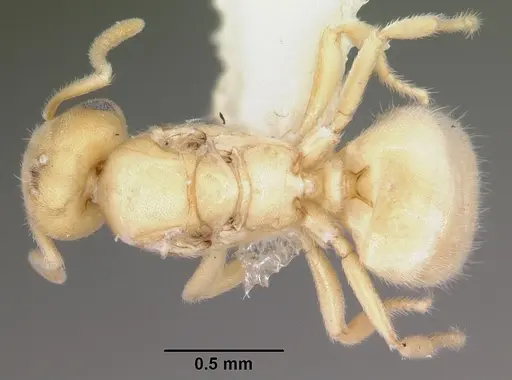
CASENT0006064
View on AntWeb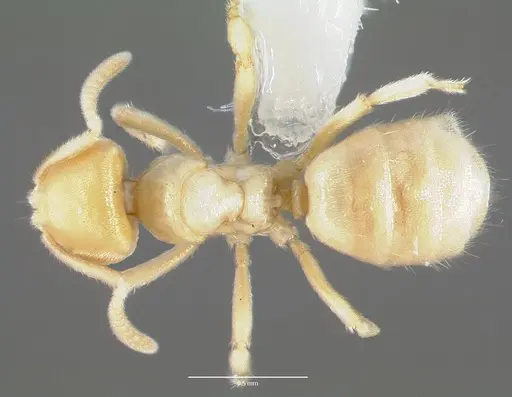
CASENT0188857
View on AntWeb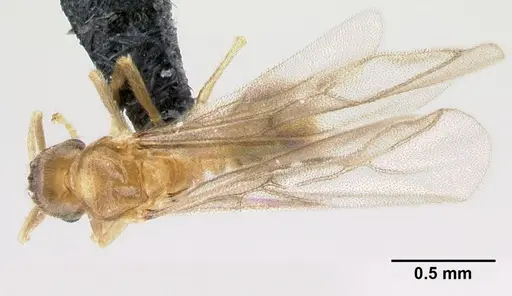
CASENT0249917
View on AntWeb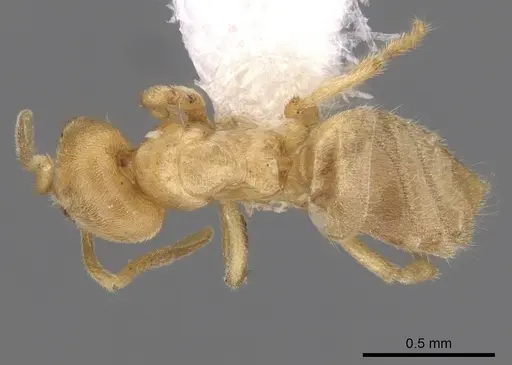
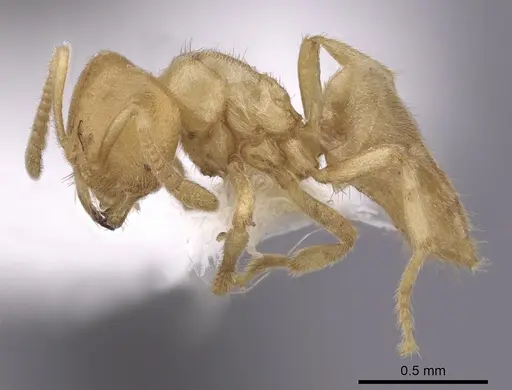
CBUMAGENT41895
View on AntWeb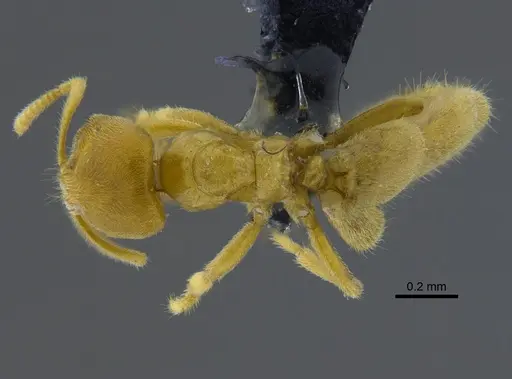
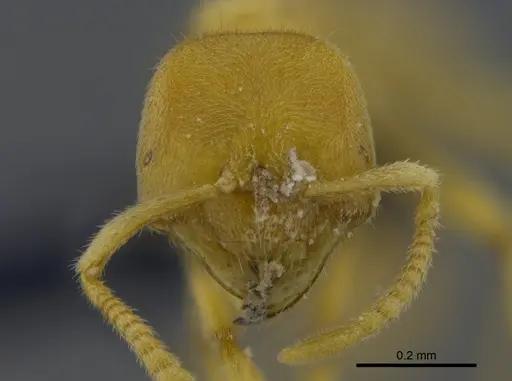
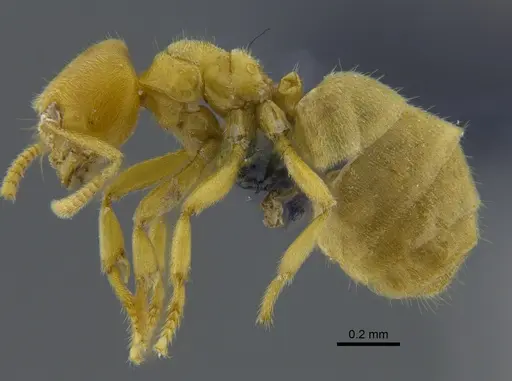
Literature
Loading...Loading products...