

Acropyga decedens
- Scientific Name
- Acropyga decedens
- Tribe
- Plagiolepidini
- Subfamily
- Formicinae
- Author
- Mayr, 1887
- Distribution
- Found in 3 countries
Acropyga decedens Overview
Acropyga decedens is an ant species of the genus Acropyga. It is primarily documented in 3 countries , including Brazil, Ecuador, French Guiana. Detailed taxonomic data and occurrence records can be further explored via authoritative databases such as AntWeb or the Global Biodiversity Information Facility (GBIF).
Acropyga decedens
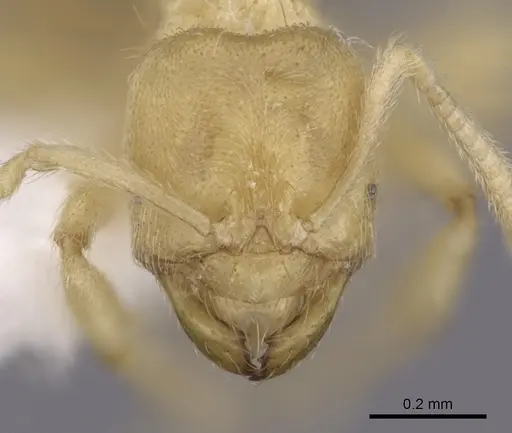
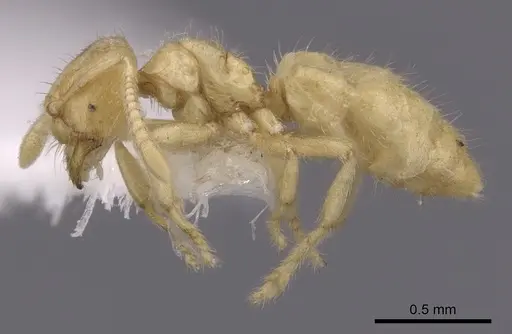
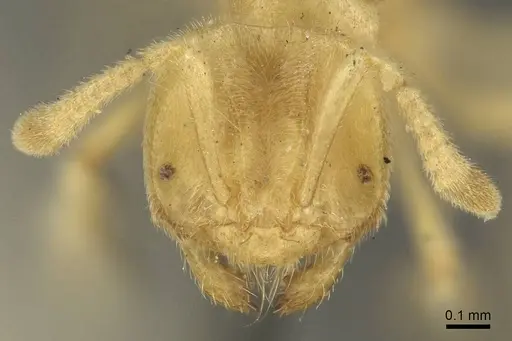
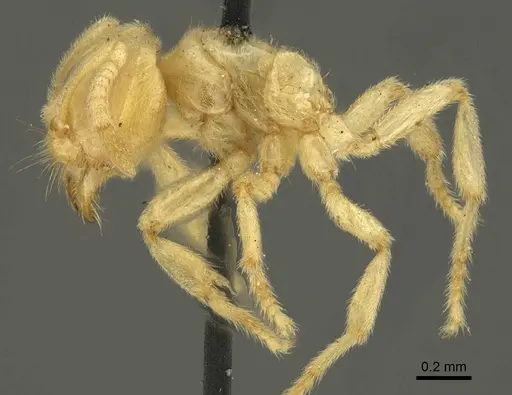
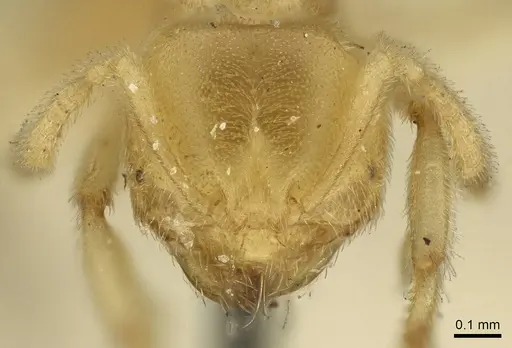
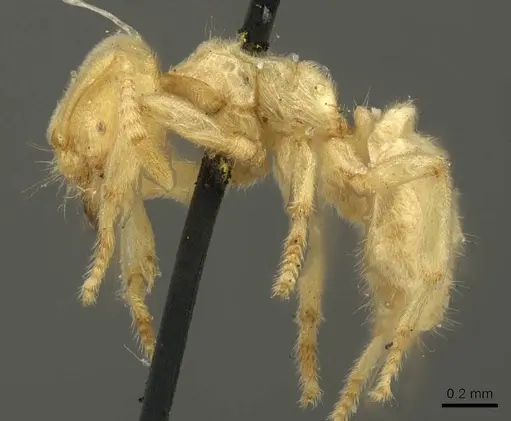
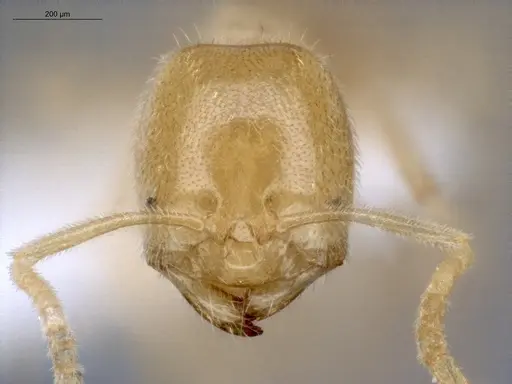
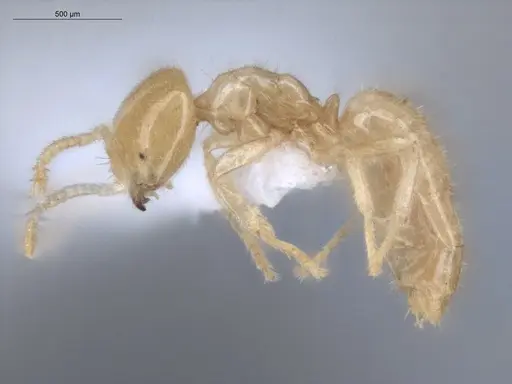
Acropyga decedens is a small, yellowish ant native to the Neotropical region, found in Brazil, Ecuador, and French Guiana. Workers measure 2.0-2.6mm with a distinctive hairy appearance and broad mandibles with 4-5 teeth. Queens are larger at 3.0-3.1mm. This species is part of the decedens species group and is morphologically similar to A. goeldii, with the best identification coming from associated male specimens. What makes A. decedens particularly fascinating is its obligate relationship with mealybugs, these ants tend mealybugs on plant roots and queens actually carry a reproductive mealybug during their nuptial flight to establish their symbiotic partner in the new colony [1].
Quick Summary
- Difficulty: Medium
- Origin & Habitat: Neotropical region, Brazil (Santa Catarina), Ecuador, and French Guiana. Found in subtropical forests, leaf litter, and soil environments. This is a subterranean species that lives in damp forest floor conditions [2][3].
- Colony Type: Likely monogyne (single queen) colonies. Large nests can contain thousands of workers and their symbiotic mealybugs [4].
- Colony: Monogyne
- Founding: Claustral
- Size & Growth:
- Queen: 3.0-3.1mm [5]
- Worker: 2.0-2.6mm [5]
- Colony: Thousands of workers in mature colonies [4]
- Growth: Moderate, estimated based on related tropical ants
- Development: Estimated 6-10 weeks at tropical temperatures (25-28°C) (Development time not directly studied, inferred from related Formicinae species)
- Antkeeping:
- Temperature: Keep at 24-28°C. These are tropical/subtropical ants that prefer warm conditions. A gentle heat gradient allows them to regulate temperature [6].
- Humidity: High humidity is essential, think damp forest floor conditions. Keep substrate consistently moist but not waterlogged. These root-dwelling ants need humid conditions to prevent their mealybug symbionts from drying out.
- Diapause: No, these are tropical ants that do not require hibernation. Maintain warm temperatures year-round.
- Nesting: Subterranean/naturalistic setup works best. These ants nest in soil and leaf litter, so a naturalistic setup with moist substrate or a Y-tong/plaster nest with high humidity works well. They are hypogaeic (ground-dwelling) and prefer dark, humid nest conditions [2].
- Behavior: Generally docile and non-aggressive. As subterranean ants, they are not strong climbers and spend most of their time in the nest or foraging through soil/substrate. Workers are small but can squeeze through small gaps, use standard escape prevention. They are slow-moving compared to surface-active ants. Their primary activity is tending their mealybug symbionts rather than active foraging.
- Common Issues: maintaining adequate humidity without causing mold, balance is critical for these root-dwelling ants, establishing mealybug symbionts, captive colonies may struggle without their trophobiont partners, small colony size initially means slow growth and higher mortality risk, subterranean lifestyle makes them less active and visible than surface ants, temperature drops below 22°C can slow metabolism and colony development
The Mealybug Symbiosis
Acropyga decedens has an obligate mutualistic relationship with mealybugs (Pseudococcidae), specifically rhizoecine mealybugs. In the wild, these ants tend mealybugs on plant roots, protecting them and feeding on the honeydew they produce. This relationship is so specialized that when a queen leaves for her nuptial flight, she carries a reproductive stage of her mealybug symbiont in her mandibles to establish the partnership in her new colony [1]. Known mealybug associates include Geococcus coffeae, Neochavesia sp., and Rhizoecus coffeae. In captivity, you'll need to either maintain live mealybugs or provide alternative sugar sources. The mealybugs are essential for the ants' nutrition, so consider this carefully when setting up a colony.
Housing and Nest Setup
These subterranean ants require a setup that maintains high humidity while providing darkness. A naturalistic setup with moist soil and leaf litter works well, or a Y-tong/plaster nest with a water reservoir to maintain humidity. The key is creating conditions similar to their natural root-zone habitat, consistently damp but not flooded. Because they are hypogaeic (ground-dwelling), they do not need vertical space like tree-nesting ants. A horizontal setup with depth for tunneling is ideal. Use a test tube setup for founding colonies, then transition to a naturalistic or plaster nest as the colony grows. Escape prevention is important though these small ants are less likely to climb aggressively than some genera. [2][3]
Feeding and Nutrition
In the wild, Acropyga decedens gets most of its nutrition from honeydew produced by their tended mealybugs. The ants protect the mealybugs and 'milk' them for honeydew. In captivity, you can replicate this by maintaining a colony of root-feeding mealybugs in the nest setup, or by providing sugar water, honey, or diluted sugar sources. They will also accept small insects as protein, but sugar sources are more important for their energy needs. Some keepers report success with standard ant sugar mixes. The mealybug symbiosis is central to their care, without it, colonies may struggle to thrive. If you cannot provide live mealybugs, ensure consistent sugar availability. [1][6]
Temperature and Seasonal Care
As tropical ants from Brazil and surrounding regions, Acropyga decedens requires warm temperatures year-round. Keep the nest area at 24-28°C (75-82°F). Temperatures below 22°C can slow colony development significantly. They do not require hibernation or cooling periods. A heating cable or mat on one side of the nest can create a gentle gradient, but ensure the moisture in the nest doesn't evaporate too quickly. Monitor humidity carefully when using heat, as it can dry out the substrate. Room temperature in heated homes (around 24°C) is often suitable. Avoid temperature fluctuations and cold drafts. [6][4]
Colony Development
Colony growth is moderate. A newly mated queen will found her colony claustrally, sealing herself in a chamber with her stored fat reserves and the mealybug reproductive she carries. The first workers (nanitics) will be smaller than mature workers and will emerge to begin tending the mealybug colony. Large colonies can contain thousands of workers along with their mealybug symbionts [4]. Growth rate depends on temperature and food availability. Expect the colony to expand gradually over several months to years. The presence of healthy mealybugs is a good indicator that the colony is thriving. Patience is key, these ants grow more slowly than many common pet ant species.
Frequently Asked Questions
How long does it take for Acropyga decedens to produce first workers?
Expect first workers (nanitics) approximately 6-10 weeks after the queen lays eggs, assuming temperatures around 25-28°C. This is an estimate based on related Formicinae species, as specific development data for this species is not available.
Can I keep Acropyga decedens in a test tube setup?
Yes, test tubes work well for founding colonies. Keep the water reservoir filled and maintain high humidity around the tube. Cover the tube to block light since these are subterranean ants. Once the colony reaches 20-30 workers, consider transitioning to a naturalistic or plaster nest that can maintain higher humidity.
Do Acropyga decedens ants need mealybugs to survive?
Yes, these ants have an obligate mutualistic relationship with mealybugs. In the wild, they exclusively feed on honeydew from their tended mealybugs. In captivity, you should either maintain live mealybugs in the setup or provide consistent sugar sources (honey water, sugar water) as a replacement. Colonies may struggle without either option.
Are Acropyga decedens good for beginners?
This species is rated as medium difficulty. While not aggressive and relatively easy to contain, the specific humidity requirements and the need to establish their mealybug symbiosis make them more challenging than beginner species like Lasius or Camponotus. They require more attention to humidity and have slower growth.
How big do Acropyga decedens colonies get?
Mature colonies can reach thousands of workers. Large nests with established mealybug populations can contain many thousands of individual ants and their mealybug symbionts [4]. Growth is gradual over several years.
What temperature is best for Acropyga decedens?
Keep them warm at 24-28°C (75-82°F). These tropical ants need consistent warmth year-round. Avoid temperatures below 22°C. A heating cable on one side of the nest can help maintain optimal temperatures, but monitor humidity as heating can dry out the substrate.
Why is my Acropyga decedens colony declining?
Common causes include: low humidity (critical for these root-dwelling ants), temperatures below 22°C, lack of sugar sources or mealybug symbionts, mold from overwatering, or stress from excessive disturbance. Check that the substrate is consistently moist but not waterlogged, temperatures are in the optimal range, and sugar is available.
When should I move Acropyga decedens to a formicarium?
Move from the test tube to a naturalistic or plaster nest when the colony reaches 20-30 workers and you notice condensation disappearing quickly or the ants spending more time outside the tube. The transition should be into a setup that can maintain high humidity, standard formicariums may dry out too quickly for this species.
References

This caresheet is licensed under CC BY-SA 4.0 .
CASENT0249915
View on AntWeb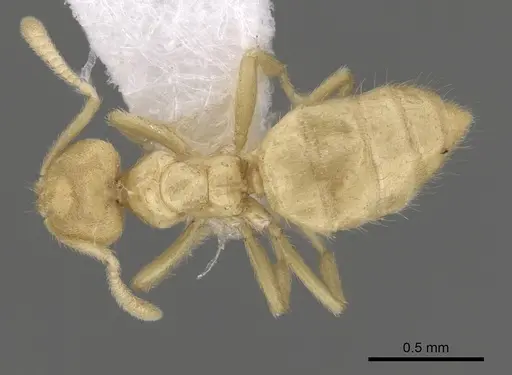
CASENT0915708
View on AntWeb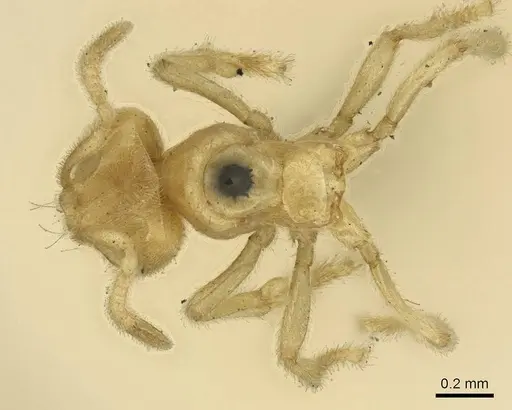
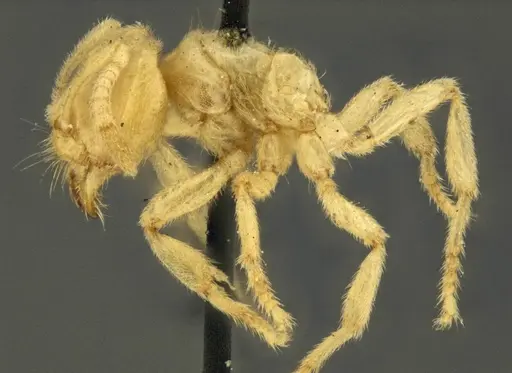
CASENT0915709
View on AntWeb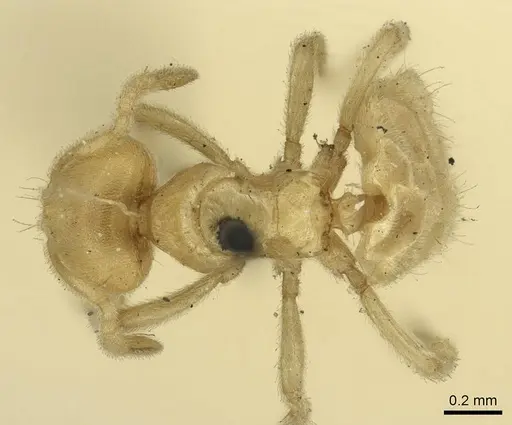
ECOFOG-IT14-0056-63
View on AntWeb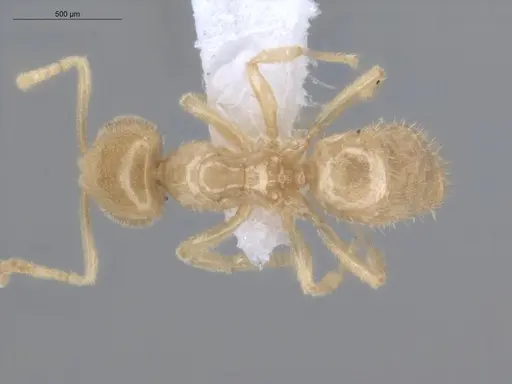
Literature
Loading...Loading products...