

Acropyga butteli
- Scientific Name
- Acropyga butteli
- Tribe
- Plagiolepidini
- Subfamily
- Formicinae
- Author
- Forel, 1912
- Distribution
- Found in 2 countries
Acropyga butteli Overview
Acropyga butteli is an ant species of the genus Acropyga. It is primarily documented in 2 countries , including Indonesia, Malaysia. Detailed taxonomic data and occurrence records can be further explored via authoritative databases such as AntWeb or the Global Biodiversity Information Facility (GBIF).
Acropyga butteli
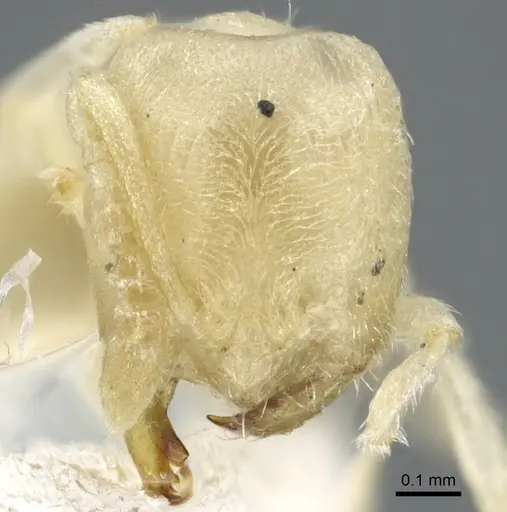
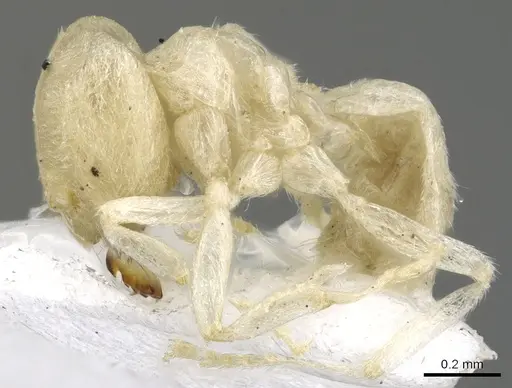
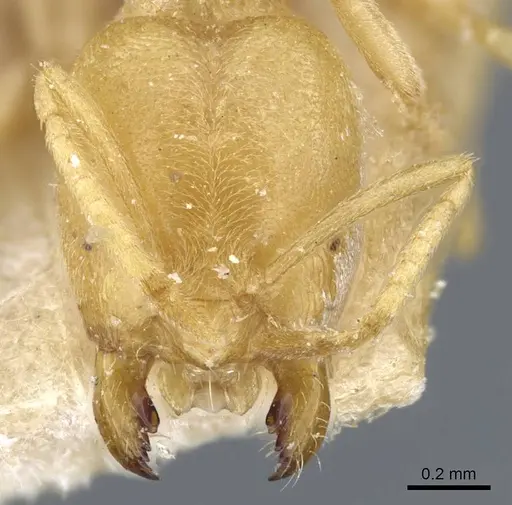
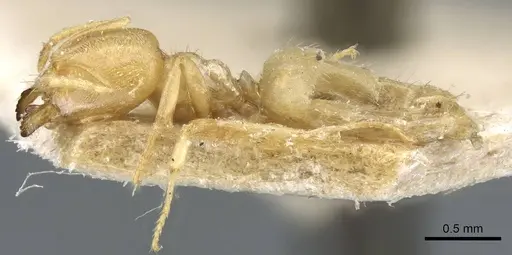
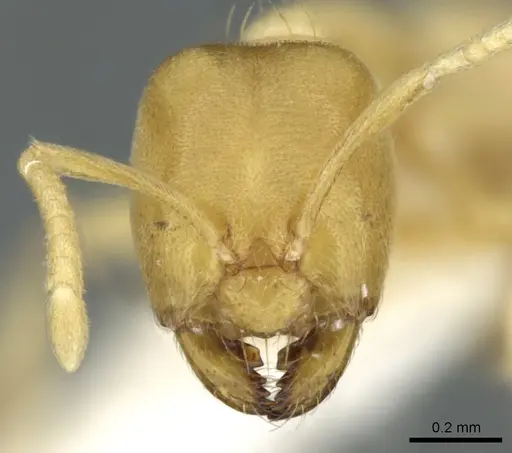
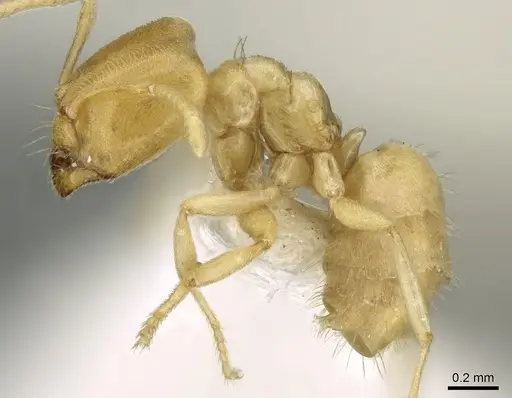
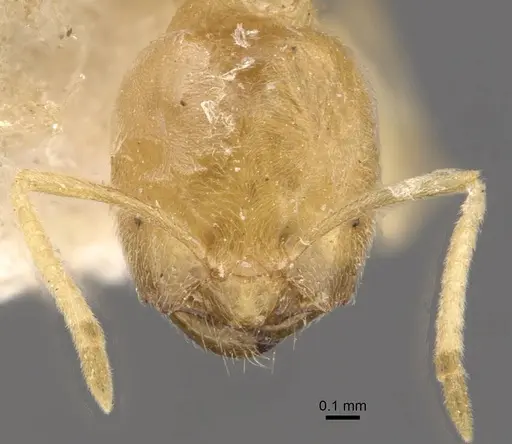
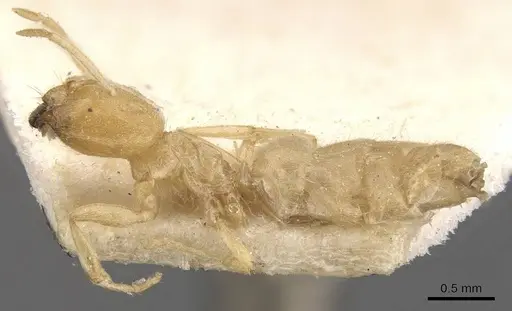
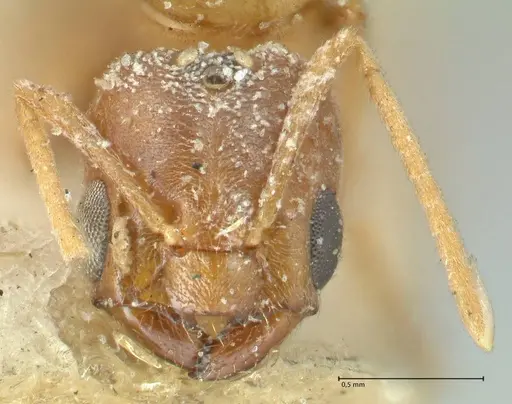
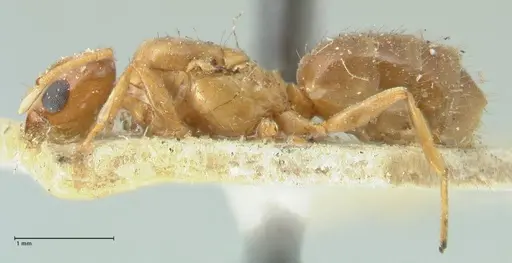
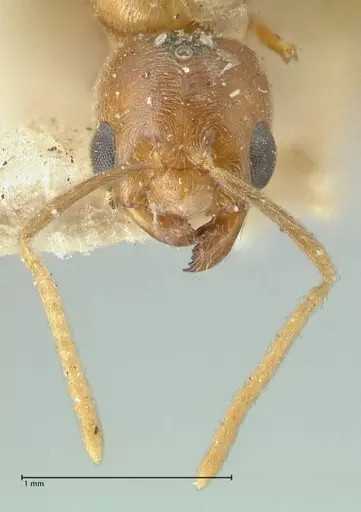
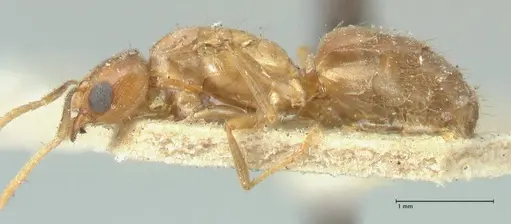
Acropyga butteli is a small to medium-sized yellow ant native to the rainforests of Southeast Asia and the Oriental region, including Taiwan, Vietnam, Laos, Malaysia, Indonesia, and Borneo. Workers measure 2.16-3.00mm and have a distinctive appearance with 11-segmented antennae and broad mandibles featuring five teeth, with the basal tooth enlarged and rectangular. Queens are larger at around 4mm. This species is part of the butteli species-group and is notable for its specialized relationship with root mealybugs, which it tends for honeydew. They nest in root mats, soil cores, and rotting wood in humid rainforest environments [1].
Quick Summary
- Difficulty: Medium
- Origin & Habitat: Rainforests of the Indomalaya region, found in Taiwan, Vietnam, Laos, Malaysia, Indonesia (Sumatra, Sulawesi), Brunei, and Borneo. They inhabit humid forest floors, nesting in root mats, soil, and rotting wood [1][2].
- Colony Type: Colony structure is not well documented in scientific literature. Based on related Acropyga species, they likely form small to moderate colonies. The genus is known for living in close association with mealybugs.
- Colony: Monogyne
- Founding: Claustral
- Size & Growth:
- Queen: Approximately 4.02mm [1]
- Worker: 2.16-3.00mm [1]
- Colony: Estimated small to moderate colonies, likely under 500 workers based on related species patterns
- Growth: Moderate, estimated based on typical Acropyga development patterns
- Development: Estimated 6-10 weeks at optimal temperature, development timeline is not directly documented for this species (Based on typical Formicinae development patterns. Tropical origin suggests faster development than temperate species.)
- Antkeeping:
- Temperature: Keep at 24-28°C, they are a tropical species from Southeast Asian rainforests. A gentle gradient is recommended. Room temperature within this range is acceptable.
- Humidity: High humidity is essential, they naturally live in damp rainforest environments with root mats and rotting wood. Keep substrate consistently moist but not waterlogged. Mist regularly and provide a water source.
- Diapause: No, as a tropical species, they do not require hibernation. Maintain consistent warm conditions year-round.
- Nesting: They prefer humid nest setups like Y-tong (AAC), plaster nests, or naturalistic setups with damp soil/rotting wood. They do well in setups that retain moisture. Avoid dry environments.
- Behavior: These ants are relatively docile and not aggressive. They are specialized mealybug-tenders, forming symbiotic relationships with root mealybugs for honeydew. Workers are small but not particularly prone to escaping if given proper barriers. They are slow-moving and calm in temperament.
- Common Issues: high humidity requirements can lead to mold if ventilation is poor, balance is critical, specialized diet means they may not accept standard ant foods, mealybug honeydew is essential, small colony sizes mean slower growth than more common species, patience required, wild-caught colonies may be stressed from habitat disruption and have low acceptance of captive conditions
Housing and Nest Setup
Acropyga butteli requires a humid nest environment that mimics their natural rainforest floor habitat. Y-tong (AAC) nests work well because they retain moisture effectively. Plaster nests or naturalistic setups with damp soil and rotting wood are also suitable. The key is maintaining consistently high humidity without creating stagnant conditions. Use a test tube setup for founding colonies, transitioning to a formicarium once the colony reaches 15-20 workers. Ensure the outworld also maintains some humidity, as these ants are not suited to dry conditions. Provide a water source in the outworld. [1]
Feeding and Diet
This species is specialized for mealybug-tending and relies heavily on honeydew as their primary food source. In captivity, you must provide a consistent honeydew source, this is their most critical dietary requirement. You can maintain root mealybugs (Rhizoecinae) in the nest setup, or offer sugar water/honey as an alternative. They will also accept small insects as protein, but this is secondary to their honeydew needs. Feed sugar water constantly and offer small prey items like fruit flies or pinhead crickets once or twice weekly. Without a mealybug symbiont or consistent sugar source, colonies may struggle to thrive. [2]
Temperature and Seasonal Care
As a tropical species from Southeast Asia, Acropyga butteli requires warm temperatures year-round. Keep the nest area at 24-28°C. A heating cable on one side of the nest can create a gentle gradient, but ensure they can move to cooler areas if needed. Room temperature within this range is acceptable in most homes. Do not allow temperatures to drop below 22°C for extended periods. No hibernation or diapause is required, maintain consistent warm conditions throughout the year. Avoid temperature fluctuations and drafts. [1]
Behavior and Colony Dynamics
Acropyga butteli is a calm, docile species that does not show aggressive behavior. Workers are small and relatively slow-moving compared to more active ant species. They form specialized symbiotic relationships with root mealybugs, tending them in exchange for honeydew, this is their primary food source in the wild. Colonies are likely small to moderate in size, probably reaching several hundred workers at maturity. Queens are larger than workers and can be distinguished by their size and caste-specific morphology. The colony will grow gradually, with new workers emerging over time to replace aging individuals. [1]
Growth and Development
Development from egg to worker likely takes 6-10 weeks at optimal temperature, based on typical Formicinae development patterns. Queens areclaustral, meaning they seal themselves in a chamber and raise the first brood alone using stored body reserves. The first workers (nanitics) will be smaller than mature workers. Growth rate is moderate, faster than temperate species but not as rapid as some tropical specialists. Colonies will expand gradually as the queen continues laying eggs and workers take on nest maintenance and foraging duties.
Common Challenges
The primary challenge with Acropyga butteli is their specialized dietary requirements. Without a mealybug symbiont or consistent sugar source, colonies may fail to thrive. High humidity needs can also lead to mold problems if ventilation is inadequate, balance humidity with some air flow. Their small colony sizes mean slower growth than more common species, requiring patience from keepers. Wild-caught colonies may arrive stressed and have low acceptance of captive conditions. Ensure escape prevention is adequate, though they are not particularly aggressive or determined escape artists.
Frequently Asked Questions
How long does it take for Acropyga butteli to raise their first workers?
Based on typical Formicinae development, expect 6-10 weeks from egg to first worker at optimal temperature (24-28°C). The exact timeline for this species is not directly documented, so this is an estimate.
What do Acropyga butteli eat?
They are specialized mealybug-tenders that rely on honeydew from root mealybugs. In captivity, provide constant sugar water or honey. They will also accept small insects as protein, but honeydew/sugar is essential for their survival.
Can I keep Acropyga butteli in a test tube?
Yes, test tubes work well for founding colonies. Keep the cotton moist but not flooded, and maintain high humidity around the setup. Once the colony grows beyond 15-20 workers, consider transitioning to a more spacious formicarium.
Are Acropyga butteli good for beginners?
This species is rated as Medium difficulty. While they are docile and interesting, their specialized dietary requirements (honeydew/mealybug dependence) and high humidity needs make them better suited for keepers with some ant-keeping experience.
Do Acropyga butteli need hibernation?
No, they do not require hibernation. As a tropical species from Southeast Asia, they need warm temperatures year-round (24-28°C). Do not expose them to cold temperatures.
How big do Acropyga butteli colonies get?
Based on related species, colonies likely reach several hundred workers at maximum. They are not among the largest ant species, but they form established colonies that can persist for years with proper care.
What humidity do Acropyga butteli need?
High humidity is essential, they naturally live in damp rainforest environments. Keep substrate consistently moist but not waterlogged. Mist regularly and ensure the nest environment maintains humidity above 60-70%.
When should I move Acropyga butteli to a formicarium?
Transition from test tube to formicarium once the colony reaches 15-20 workers. Choose a formicarium that retains moisture well, such as Y-tong (AAC) or plaster nests.
Why are my Acropyga butteli dying?
Common causes include: too low humidity, lack of sugar/honeydew source, temperatures below 22°C, mold from poor ventilation, or stress from wild collection. Ensure they have constant sugar water, high humidity, and warm temperatures.
References

This caresheet is licensed under CC BY-SA 4.0 .
CASENT0903178
View on AntWeb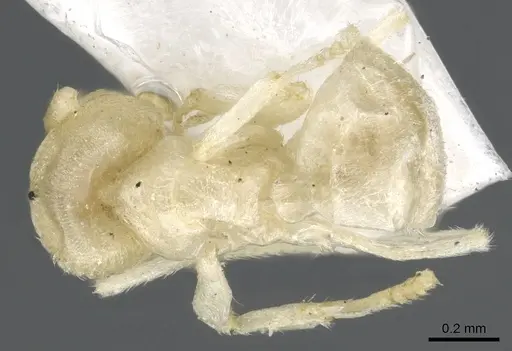
CASENT0905161
View on AntWeb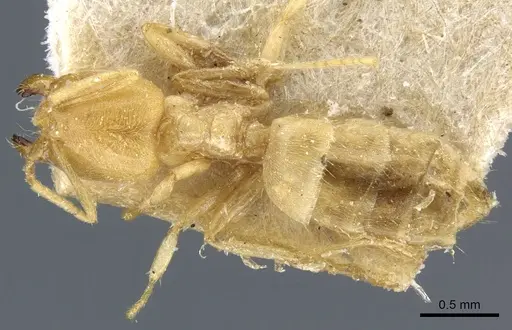
CASENT0906270
View on AntWeb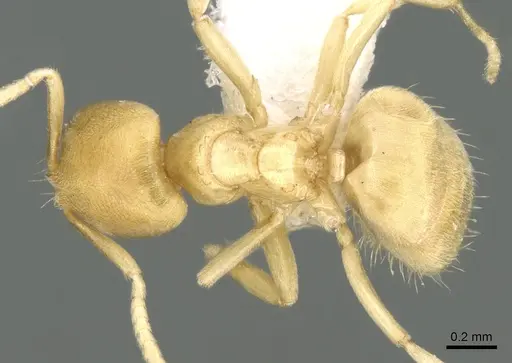
CASENT0909908
View on AntWeb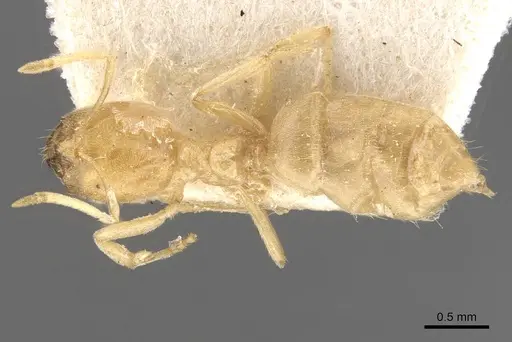
FOCOL2241
View on AntWeb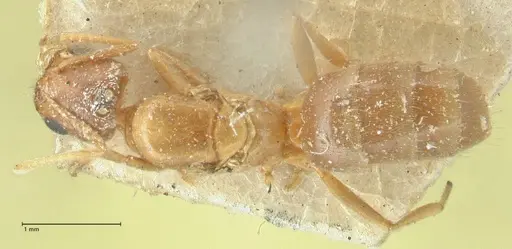
FOCOL2242
View on AntWeb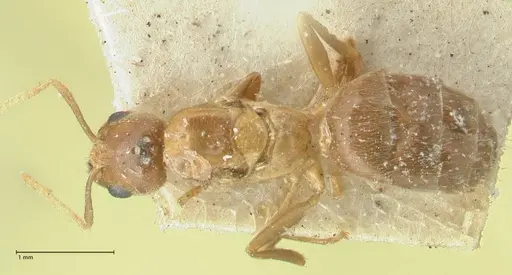
Literature
Loading...Loading products...