

Acropyga ambigua
- Scientific Name
- Acropyga ambigua
- Tribe
- Plagiolepidini
- Subfamily
- Formicinae
- Author
- Emery, 1922
- Distribution
- Found in 2 countries
Acropyga ambigua Overview
Acropyga ambigua is an ant species of the genus Acropyga. It is primarily documented in 2 countries , including Indonesia, Papua New Guinea. Detailed taxonomic data and occurrence records can be further explored via authoritative databases such as AntWeb or the Global Biodiversity Information Facility (GBIF).
Acropyga ambigua
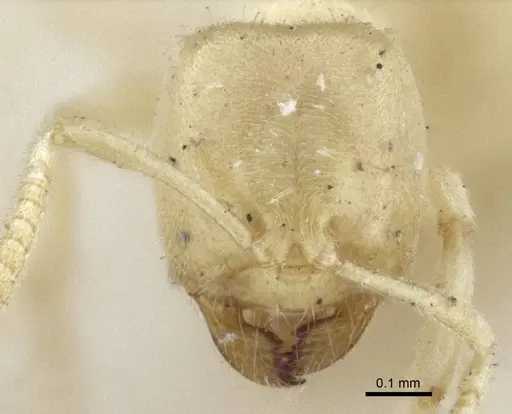
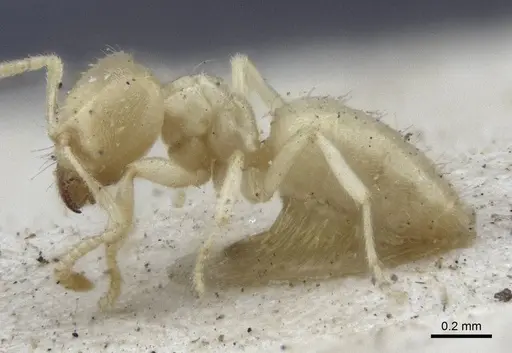
Acropyga ambigua is a tiny yellow ant belonging to the Formicinae subfamily. Workers measure just 1.5-2mm in length, making them one of the smaller ant species kept in captivity. The queen reaches about 3mm. These ants are native to the Australasian and Indomalayan regions, specifically found in New Guinea, Borneo, Indonesia, and Malaysia [1]. They inhabit rainforest environments where they live among leaf litter and in soil [2].
What makes Acropyga ambigua truly special is their obligate relationship with mealybugs. These ants are mealybug farmers, they actively tend and protect mealybug colonies (specifically Eumyrmococcus and Xenococcus species) and feed on the honeydew the mealybugs produce [2]. This is a specialized mutualistic relationship where the ants gain a steady sugar source while the mealybugs receive protection from predators.
Quick Summary
- Difficulty: Medium
- Origin & Habitat: New Guinea, Borneo, Indonesia, and Malaysia. Found in rainforest habitats, specifically in leaf litter and soil cores [2][1].
- Colony Type: Colony structure is not well documented in scientific literature. As an obligate mealybug-tending ant, they likely maintain colonies with multiple workers tending mealybug colonies for honeydew.
- Size & Growth:
- Queen: Approximately 3mm [2]
- Worker: 1.5-2mm [2]
- Colony: Unknown, likely small colonies based on related species
- Growth: Unknown, likely moderate based on small worker size
- Development: Unknown, no specific development data available. Based on related Formicinae species, estimate 6-10 weeks at optimal temperature. (Development timeline is unconfirmed. Related Acropyga species typically develop within 2-3 months from egg to worker.)
- Antkeeping:
- Temperature: Keep warm, around 24-28°C. As a tropical rainforest species, they need stable warm temperatures [2].
- Humidity: High humidity required, rainforest leaf litter habitat. Keep substrate consistently moist but not waterlogged. Aim for 70-80% humidity.
- Diapause: No, being a tropical species, they do not require hibernation. Maintain warm conditions year-round.
- Nesting: Use a naturalistic setup with moist soil/leaf litter or a Y-tong/plaster nest with high humidity. They naturally nest in soil cores and leaf litter in forest floors.
- Behavior: These are docile, slow-moving ants that spend most of their time tending mealybugs. They are not aggressive and lack a functional sting. Their main defense is escaping to the nest rather than fighting. Because of their tiny size, escape prevention is critical, they can squeeze through very small gaps. They are primarily active in the nest and on the nest surface, not highly active foragers.
- Common Issues: tiny size makes escape prevention critical, use fine mesh and tight-fitting lids, specialized diet means they may not accept standard ant foods, honeydew/sugar sources are essential, high humidity requirements can lead to mold if ventilation is poor, wild-caught colonies may arrive with mealybugs that need to be maintained, slow colony growth can frustrate beginners, patience is required
Housing and Nest Setup
Acropyga ambigua requires a setup that maintains high humidity while providing space for their mealybug-tending activities. A naturalistic terrarium-style setup with moist soil and leaf litter works well, as this mimics their natural rainforest floor habitat. Alternatively, a Y-tong or plaster nest with a water reservoir can maintain the humidity they need. Because workers are only 1.5-2mm, use tight-fitting lids and fine mesh on any ventilation holes. A small outworld connected to the nest allows for foraging space. Keep the nest area dark or covered, as these ants prefer dim conditions. [2]
Feeding and Diet
This is the most critical aspect of keeping Acropyga ambigua. As obligate mealybug-tending ants, they rely on honeydew as their primary food source. In captivity, you must either maintain live mealybug colonies or provide sugar alternatives. Offer sugar water, honey, or diluted maple syrup regularly, these should be the constant food source. For protein, offer tiny prey items like fruit flies, pinhead crickets, or small mealworms. However, sugar sources are essential, without them, the colony will not survive. Some keepers report success with providing both sugar water and small protein prey twice weekly. [2]
Temperature and Humidity
Maintain temperatures between 24-28°C. Being a tropical rainforest species from New Guinea and Southeast Asia, they need consistent warmth. A small heating mat on one side of the nest can help maintain temperature, but avoid direct heat on the ants. Humidity is crucial, aim for 70-80% relative humidity. The substrate should feel consistently moist but never waterlogged. Using a water reservoir in plaster nests or misting the setup regularly helps maintain humidity. Avoid placing the setup near air conditioning or drafts that could cause temperature fluctuations. [2]
Obtaining and Establishing a Colony
Acropyga ambigua is rarely available in the antkeeping hobby due to its limited distribution and specialized care requirements. If available, wild-caught colonies may already be tending mealybugs, which you will need to maintain. When establishing a new colony, ensure you have appropriate sugar sources ready before introducing the ants. The queen (if present) should be around 3mm and can be distinguished from workers by her larger size and thorax. Colony founding is likely claustral like related species, where the queen seals herself in and raises the first brood alone on stored fat reserves. [2]
Behavior and Temperament
These are gentle, non-aggressive ants that pose no threat to keepers. They move slowly and deliberately, spending much of their time near their mealybug partners. Workers are tiny and can easily escape through gaps that seem too small, always use excellent escape prevention. They do not have a functional sting, so there is no danger of being stung. The most interesting behavior to observe is their tending of mealybugs, which they carry and protect. This mutualistic relationship is their defining characteristic and watching this interaction is a key part of keeping this species. [2]
Frequently Asked Questions
What do Acropyga ambigua ants eat?
They are obligate mealybug-tending ants that need honeydew. In captivity, provide constant sugar sources like sugar water, honey, or maple syrup. They will also accept small protein prey like fruit flies or tiny crickets, but sugar is essential for their survival.
How big do Acropyga ambigua colonies get?
Colony size is not well documented, but based on related species, they likely reach dozens to a few hundred workers. They are not large colony builders.
What temperature do Acropyga ambigua need?
Keep them warm at 24-28°C. As a tropical rainforest species from New Guinea and Southeast Asia, they need consistent warmth year-round.
Are Acropyga ambigua good for beginners?
They are considered intermediate difficulty due to their specialized diet (honeydew requirement) and high humidity needs. They are not recommended as a first ant but are manageable for keepers willing to provide sugar sources consistently.
How do I keep Acropyga ambigua?
Use a naturalistic setup with moist soil/leaf litter or a humid Y-tong/plaster nest. Maintain high humidity (70-80%) and warm temperatures (24-28°C). Provide constant sugar water or honey, and use excellent escape prevention due to their tiny 1.5-2mm size.
Do Acropyga ambigua need hibernation?
No, they do not require hibernation. Being a tropical species from New Guinea and Southeast Asia, they need warm conditions year-round.
Where is Acropyga ambigua found?
They are native to New Guinea, Borneo, Indonesia, and Malaysia. They live in rainforest habitats in leaf litter and soil.
How long does it take for Acropyga ambigua to develop from egg to worker?
The exact development timeline is unconfirmed. Based on related Formicinae species, estimate 6-10 weeks at optimal temperature.
Can I keep multiple queens together?
Colony structure (monogyne/polygyne) is not documented for this species. It is not recommended to combine unrelated queens as this has not been studied.
References

This caresheet is licensed under CC BY-SA 4.0 .
CASENT0249914
View on AntWeb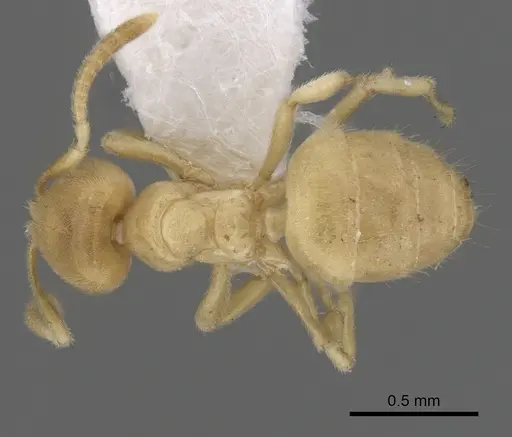
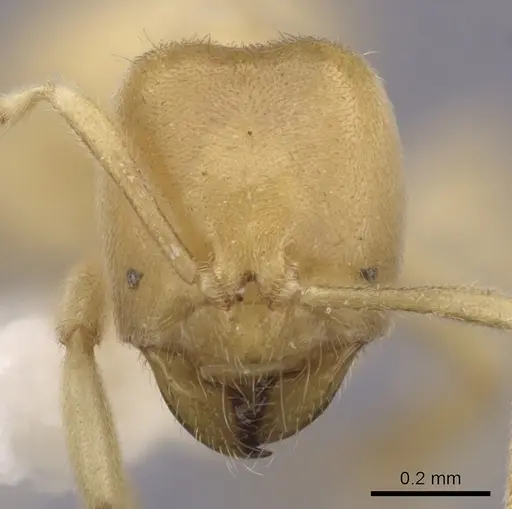
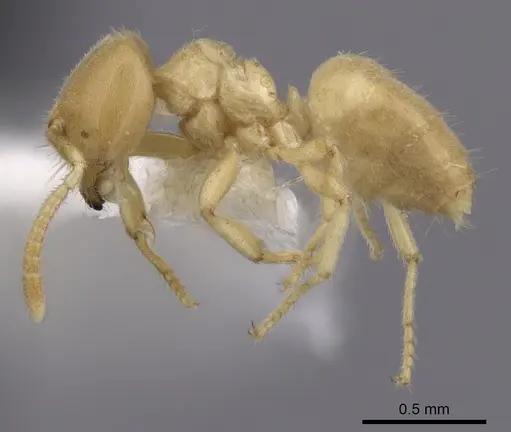
CASENT0916666
View on AntWeb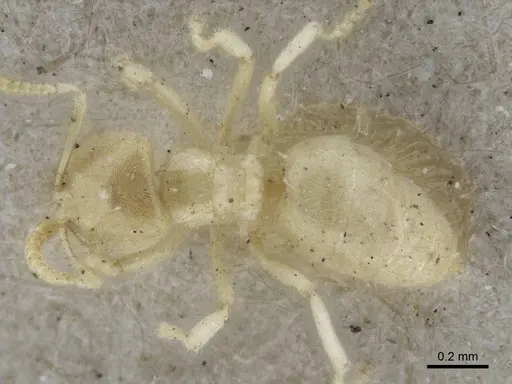
Literature
Loading...Loading products...