
Acromyrmex versicolor exhibits a clear seasonal activity window. Peak activity is concentrated in July, with the overall period spanning July to September.
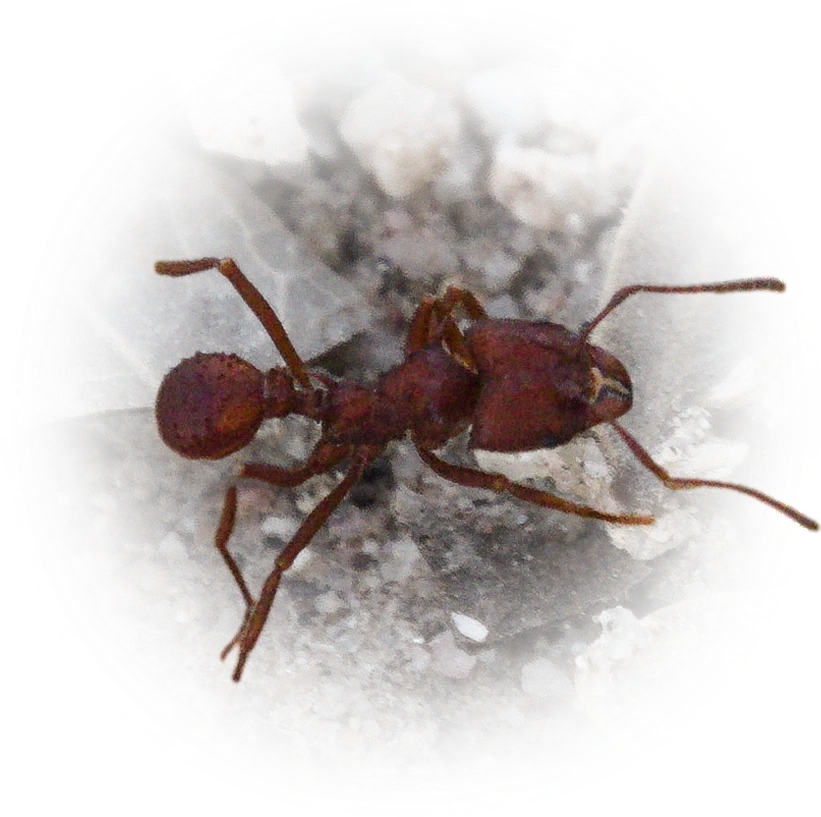
Acromyrmex versicolor
- Scientific Name
- Acromyrmex versicolor
- Tribe
- Attini
- Subfamily
- Myrmicinae
- Author
- Pergande, 1893
- Common Name
- Desert Leaf-cutter Ant
- Distribution
- Found in 2 countries
- Nuptial Flight
- from July to September, peaking in July
AI Identifiable
try →
Acromyrmex versicolor Overview
Acromyrmex versicolor (commonly known as the Desert Leaf-cutter Ant) is an ant species of the genus Acromyrmex. It is primarily documented in 2 countries , including Mexico, United States of America. Detailed taxonomic data and occurrence records can be further explored via authoritative databases such as AntWeb or the Global Biodiversity Information Facility (GBIF).
The nuptial flight of Acromyrmex versicolor is a significant biological event, typically occurring from July to September, peaking in July. During this time, winged queens and males leave the nest to mate and establish new colonies.
Acromyrmex versicolor - "Desert Leaf-cutter Ant"
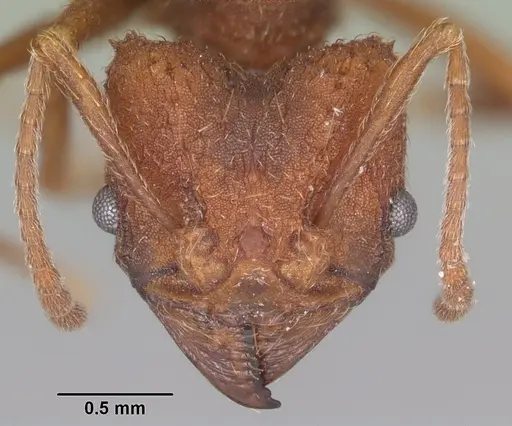
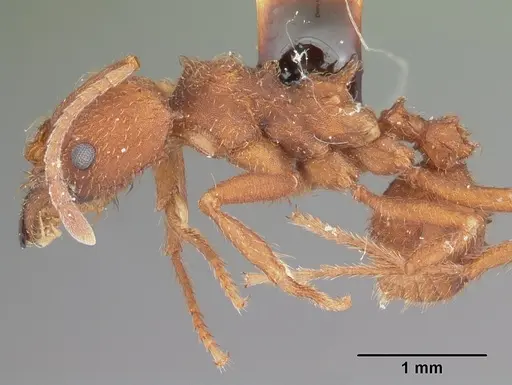
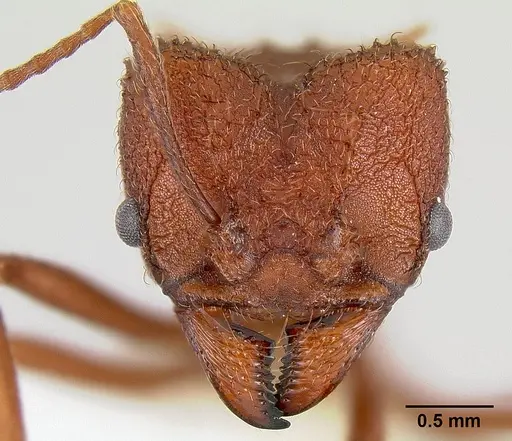
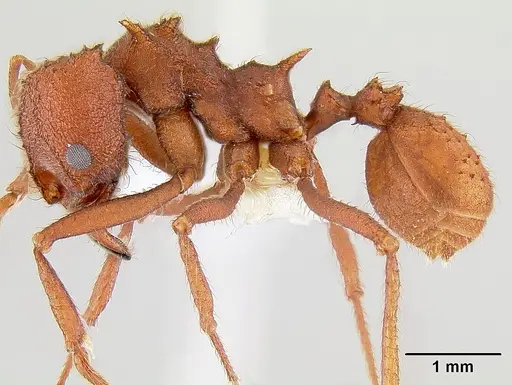
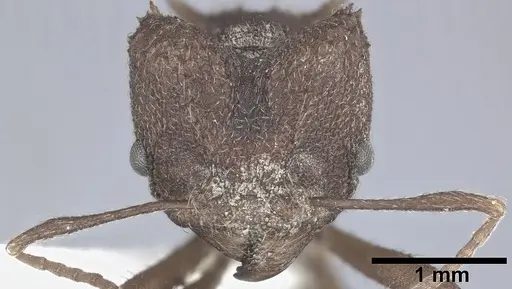
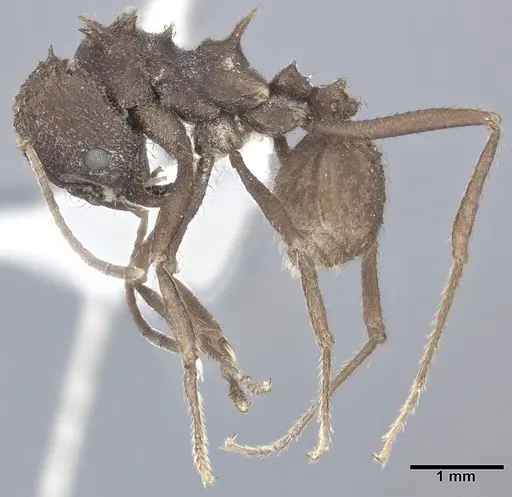
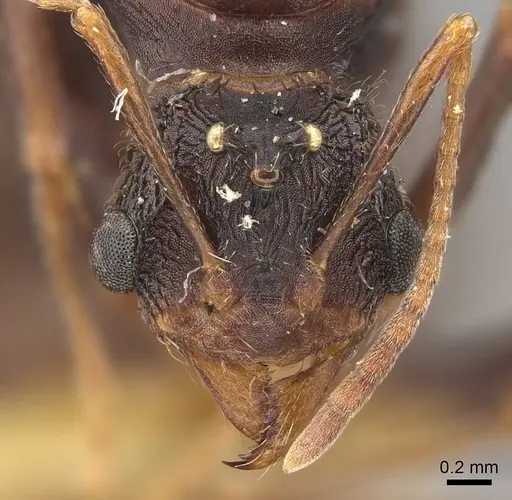
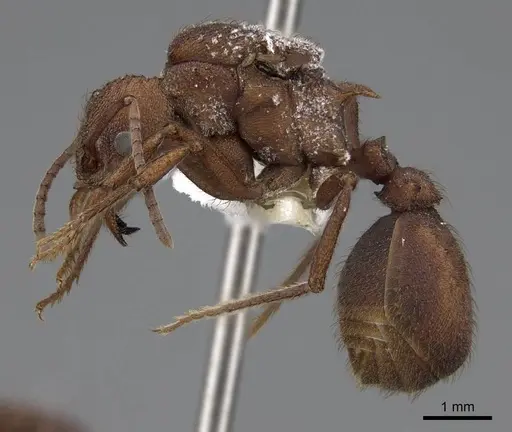
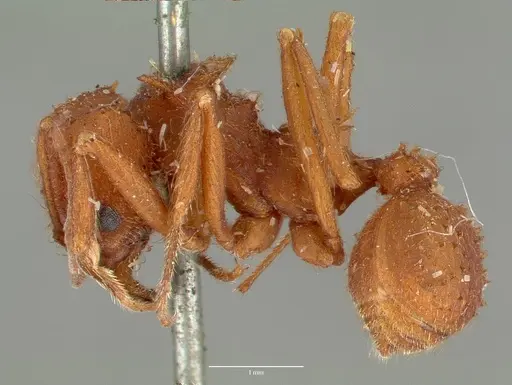
Acromyrmex versicolor is a striking leafcutter ant native to the deserts of the southwestern United States and northern Mexico. Workers are about 6mm long with a reddish-brown body, dark eyes, and distinctive pointed tubercles on the abdomen. Queens are larger at 8mm with a dark brown to blackish thorax and gaster. This species forms large nests with multiple crater entrances in sandy soils surrounding desert washes, often found under mature Sonoran desert trees like mesquite and ironwood [1].
What makes A. versicolor truly remarkable is its cooperative colony founding. Unlike most ants where a single queen starts a nest, these ants frequently use pleometrosis, multiple queens (often unrelated) team up to found a colony together. One queen takes on the dangerous task of foraging above ground to collect leaves for the fungus garden while others tend the nest. This cooperation helps the colony survive the vulnerable early stages and gives them a competitive edge against neighboring colonies through brood raiding. The ants cultivate an obligate mutualistic fungus that serves as their primary food source, the ants cannot survive without the fungus, and the fungus cannot survive without the ants [2][3].
Quick Summary
- Difficulty: Expert
- Origin & Habitat: Deserts of southwestern United States and northern Mexico, primarily the Sonoran Desert. Found in sandy soils around desert washes, nesting under mature Sonoran trees like mesquite (Prosopis), ironwood (Olneya tesota), and palo verde. Most common in southern Arizona, also found in southern California, western Texas, and through Baja California to Sonora [1][4][5].
- Colony Type: Facultatively pleometrotic, colonies can be founded by single queens (haplometrosis) or groups of unrelated queens (pleometrosis). About 82.5% of wild foundresses use pleometrosis with an average of 3-7 queens per founding group. Mature colonies remain polygynous (multiple queens) and can grow to several thousand workers [3][2].
- Colony: Optionally polygyne
- Founding: Semi-claustral, Pleometrosis
- Size & Growth:
- Queen: 8mm [1]
- Worker: About 6mm [1]
- Colony: Several thousand workers [1]
- Growth: Moderate
- Development: 6-8 weeks to first minim workers [2] (First workers (minims) emerge around week 6-8. Colonies reach a critical transition point at around 89 workers (week 27) when growth shifts from slow to exponential. Full maturity takes several years [2][6].)
- Antkeeping:
- Temperature: Keep nest area at 24-28°C. Workers are active from 7.7-44°C on the surface, but the fungus garden prefers stable temperatures in the mid-20s°C range. A gentle gradient allowing warmer and cooler zones is ideal [1][6].
- Humidity: Moderate to high, the fungus garden needs consistent moisture. Keep substrate damp but not waterlogged. The desert environment means they can tolerate some dryness but the fungus cannot dry out. Provide a water tube and mist occasionally [6].
- Diapause: No, this is a desert species that remains active year-round in the southwestern US. However, colony activity may slow during winter months when temperatures drop. No true hibernation required [1].
- Nesting: Large formicarium with multiple chambers to accommodate the fungus garden. They prefer to start nests under canopy edges of trees where branches droop to ground, providing easy leaf access. In captivity, use a spacious setup with a deep soil area for the fungus garden to hang from the ceiling as they do in the wild [6][1].
- Behavior: These ants are docile but determined foragers. Workers forage in columns along trails up to 17m long, cutting and carrying leaf pieces back to the nest. They are not aggressive toward humans and rarely sting. They have specialized workers: larger workers cut leaves while smaller workers tend the fungus garden. They perform undertaking behavior, specialized workers remove dead ants from the colony. Escape risk is moderate, use standard barrier methods but they are not particularly good climbers [7][1].
- Common Issues: Fungus garden collapse is the #1 killer of young colonies, without the fungus, the colony dies. This happens in over 75% of incipient colonies in the first 9 weeks [6]., Single-queen colonies have much higher mortality than pleometrotic groups. If starting with a single queen, expect high failure rate [2]., Forager death or failure to replace the forager leads to fungus death, the colony must maintain continuous foraging to keep the fungus alive [3]., Brood raiding from neighboring colonies can decimate young colonies, provide isolation in captivity [3]., Temperature extremes can kill the fungus, keep away from direct heat sources and cold drafts.
Queen Ant Activity Analysis 165 observations
Queen Activity by Hour 165 observations
Acromyrmex versicolor queen activity peaks around 07:00 during the morning. Activity is spread across a 16-hour window (05:00–20:00). Times may be influenced by human observation patterns.
The Fungus Garden: Your Colony's Life Source
Acromyrmex versicolor, like all leafcutter ants, cannot survive without their symbiotic fungus. The fungus is their sole food source, the ants eat nothing but the gongylidia, the special nutrient-rich structures the fungus produces. This means your job as a keeper is essentially to be a fungus farmer. The queen starts the garden by placing a small piece of fungus she carried from her natal nest into a chamber. She then forages for leaf material to feed the fungus. Once workers emerge, they take over foraging and fungus care. In wild colonies, the fungus garden hangs from the ceiling of chambers in 'curtains' that increase in density as the colony ages. In captivity, provide enough vertical space for this behavior. The fungus requires warmth, humidity, and constant leaf inputs to thrive. If the fungus dies, the colony will follow within weeks [6][2].
Feeding and Foraging
These ants are herbivores that collect plant material to feed their fungus garden. Workers forage along defined trails that can extend up to 17 meters from the nest. They cut leaf pieces from both live and dead vegetation, in the wild they collect from mesquite, creosotebush, ironwood, acacia, and palo verde. Studies show they prefer higher-quality (HQ) leaves and shift preferences based on rainfall patterns, preferring fresh green vegetation after rains and dried material during dry periods. In captivity, offer fresh leaf pieces from safe plants (avoid toxic or pesticide-treated foliage). They will cut the leaves, let them drop to the ground, then collect them the following day. Remove uneaten leaf material before it molds, mold kills the fungus. Feed leaf material 2-3 times per week for established colonies, more frequently for young colonies building their gardens [1][2][9].
Colony Founding: The Pleometrosis Advantage
One of the most fascinating aspects of A. versicolor is how they found colonies. Unlike most ants where a single queen seals herself in a chamber, these ants commonly use pleometrosis, multiple queens team up to found a nest together. In the wild, about 82.5% of foundresses form groups with an average of 3-7 queens. These queens are unrelated, they don't choose each other based on kinship. Once underground, the queens divide labor: one becomes the 'surface excavator' who removes soil to the surface and thus becomes the forager, while others stay underground tending the nest and fungus. This division is voluntary and serves as a coordination mechanism. Group-founded colonies have dramatically higher survival rates, single queens suffer much higher mortality, often because the forager dies or fails to find leaves, causing the fungus to die. If you're starting a colony, consider starting with multiple foundresses for better success [3][2][6].
Temperature and Seasonal Activity
As a desert species, A. versicolor is adapted to extreme temperature ranges. Workers are active on the surface at temperatures between 7.7°C and 44°C. During hot summer months, they shift to primarily nocturnal foraging, avoiding the scorching daytime heat. In cooler months, they become more diurnal, foraging during morning and afternoon bouts. This temperature-dependent activity means you should adjust feeding times in summer (offer food in evening/night) versus winter (morning/afternoon). Keep the nest area at 24-28°C for optimal fungus growth. The fungus itself is more sensitive than the ants, avoid temperature extremes. A heating cable on one side of the nest can create a beneficial gradient, but never place heat directly over the fungus chamber [1].
Behavior and Task Specialization
A. versicolor colonies show remarkable division of labor. As colonies grow, workers specialize on different tasks: larger workers tend to cut and transport leaves, while smaller workers (minims) care for the fungus garden, including 'weeding' to remove parasites and pathogens. Workers also specialize in undertaking, removing dead ants from the colony. Studies show some workers are 'specialists' who perform these tasks repeatedly, while others never do. This specialization is not random and is influenced by genetics. Workers also perform brood raids on neighboring colonies, this intense competition is actually thought to be the evolutionary driver behind pleometrosis. More queens means more workers faster, which means better odds of winning raiding contests [7][3].
Growth and Development Timeline
Colony growth follows a predictable pattern. Queens lay eggs shortly after establishing the fungus garden. First minim workers emerge after 6-8 weeks, these are smaller than normal workers and initially focus on fungus care rather than foraging. The critical transition point occurs around week 27 when colonies reach approximately 89 workers. Before this point, the relationship between fungus size and worker population is weak, after it, growth becomes exponential. Colonies can live 15-20 years and grow to several thousand workers. However, mortality is extremely high in the first weeks, studies show 75% of incipient colonies lose their fungus gardens and die within the first 9 weeks. This makes the founding stage the most critical period for keepers [6][2].
Frequently Asked Questions
How long does it take for Acromyrmex versicolor to produce first workers?
First minim workers typically emerge 6-8 weeks after the queen establishes the colony. This timeline depends on temperature and food availability, warmer temperatures and consistent leaf feeding can speed development slightly. The first workers are smaller than mature workers and initially focus on fungus garden care [2].
Can I keep multiple Acromyrmex versicolor queens together?
Yes, and it's actually recommended for better success. In the wild, about 82.5% of colonies are founded through pleometrosis (multiple queens cooperating). Groups of 3-7 queens have dramatically higher survival rates than single queens. Queens are unrelated and cooperate voluntarily, one takes on the risky forager role while others tend the nest. In captivity, you can introduce multiple unrelated foundresses [3][2].
What do Acromyrmex versicolor ants eat?
They don't eat directly, they feed their fungus garden leaf material, then eat the fungus gongylidia (nutrient-rich structures). Offer fresh leaf pieces from safe plants like rose, hibiscus, or fruit tree leaves. Avoid toxic plants, conifers, or pesticide-treated foliage. They prefer higher-quality leaves and shift between fresh and dried material based on availability. Remove uneaten leaves before they mold [2][1].
Do desert leafcutter ants need hibernation?
No, they don't require true hibernation. As a desert species from the southwestern US, they remain active year-round though activity may slow in winter. No diapause period is needed. However, you should reduce feeding and keep them slightly cooler during winter months if your room temperature drops significantly [1].
Why is my Acromyrmex versicolor colony dying?
The most common cause is fungus garden collapse. Without the fungus, the colony cannot survive. This happens due to: 1) Forager death or failure to replace the forager (queens/workers must continuously bring leaf material),2) Temperature extremes killing the fungus,3) Mold from uneaten leaf material,4) Too dry conditions. Over 75% of incipient colonies fail in the first 9 weeks. Ensure consistent leaf feeding, proper humidity, and stable temperatures [6][3].
What temperature should I keep Acromyrmex versicolor at?
Keep the nest area at 24-28°C. The ants themselves can tolerate 7.7-44°C, but the fungus garden is more sensitive. Provide a temperature gradient so ants can choose their preferred zone. Avoid placing the nest near heating elements that cause rapid temperature swings. Room temperature in the low-to-mid 20s°C is ideal for most of the year [6].
Are Acromyrmex versicolor ants good for beginners?
No, this is an expert-level species. The biggest challenge is maintaining the fungus garden, which is absolutely required for colony survival. Over 75% of young colonies fail due to fungus collapse. They also require consistent leaf inputs, proper humidity, and careful attention during the founding stage. If you're new to ant keeping, start with easier species like Lasius or Camponotus before attempting leafcutters [6].
How big do Acromyrmex versicolor colonies get?
Mature colonies can reach several thousand workers over several years. They grow exponentially after reaching about 89 workers (around week 27). Colonies can live 15-20 years in the wild. The fungus garden also grows substantially, forming characteristic 'curtains' hanging from chamber ceilings [1][6].
When should I move my colony to a formicarium?
Keep foundresses in a simple setup (test tube or small container with soil) until workers emerge. Once you have 20-30 workers and the fungus garden is established, you can move to a larger formicarium. They need vertical space for the fungus to hang in 'curtains' as they would in natural nests. A setup with multiple connected chambers works well [6].
Why do my ants need multiple queens?
Multiple queens (pleometrosis) dramatically improves colony survival during the vulnerable founding stage. Single queens must do all the dangerous foraging themselves, if they die or fail to find leaves, the fungus dies and the colony fails. Groups of queens share the risk: one becomes the forager while others tend the nest. Group-founded colonies produce workers faster, giving them a competitive edge in the intense brood-raiding competition that exists between neighboring colonies [3][2].
References

This caresheet is licensed under CC BY-SA 4.0 .
CASENT0005662
View on AntWeb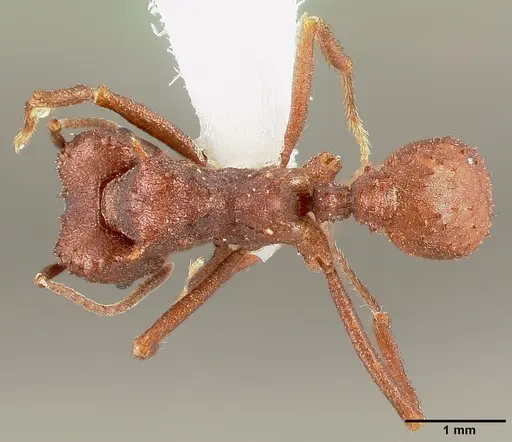
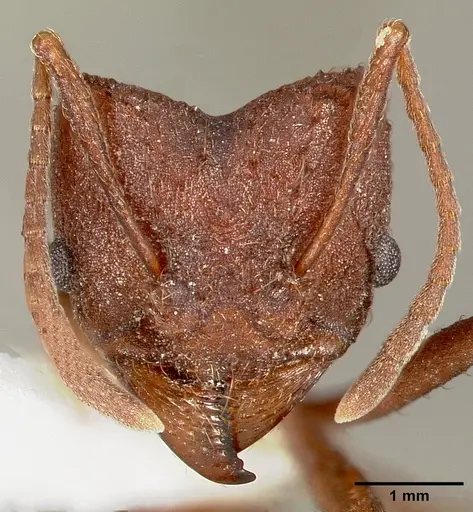
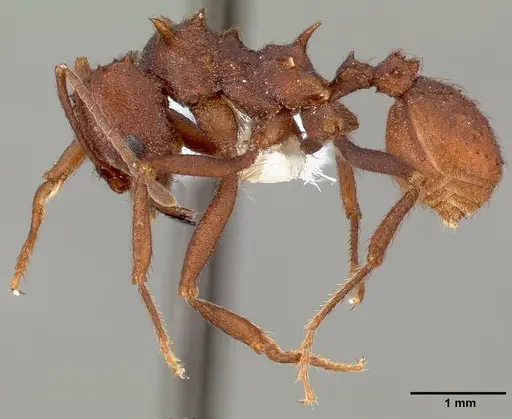
CASENT0104036
View on AntWeb
CASENT0106056
View on AntWeb
CASENT0246631
View on AntWeb
CASENT0922032
View on AntWeb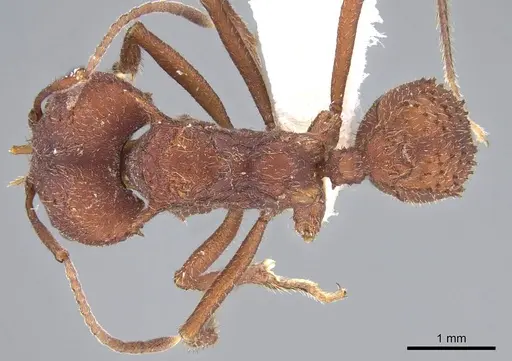


CASENT0923024
View on AntWeb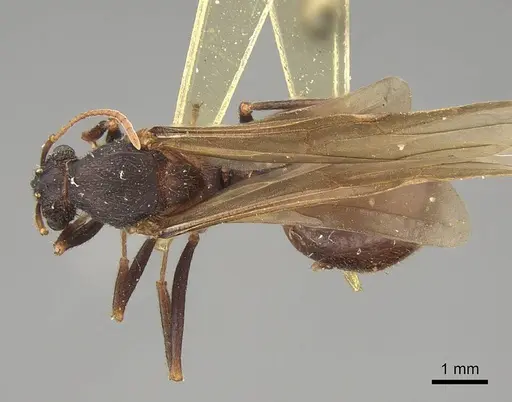


CASENT0923051
View on AntWeb

CASTYPE00618
View on AntWeb

Literature
Loading...Loading products...