

Acromyrmex santschii
- Scientific Name
- Acromyrmex santschii
- Tribe
- Attini
- Subfamily
- Myrmicinae
- Author
- Forel, 1912
- Distribution
- Found in 1 countries
Acromyrmex santschii Overview
Acromyrmex santschii is an ant species of the genus Acromyrmex. It is primarily documented in 1 countries , including Colombia. Detailed taxonomic data and occurrence records can be further explored via authoritative databases such as AntWeb or the Global Biodiversity Information Facility (GBIF).
Acromyrmex santschii
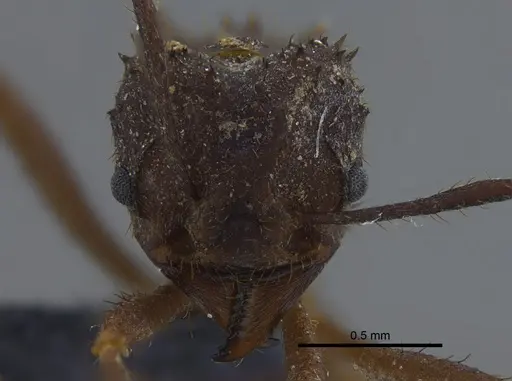
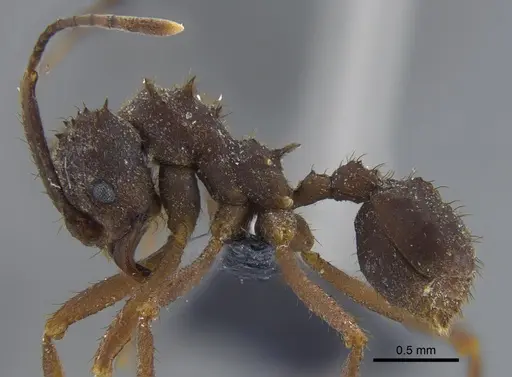
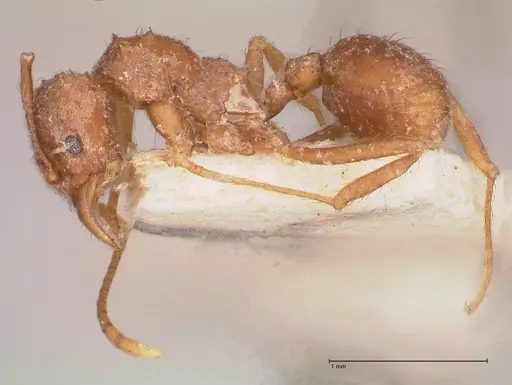
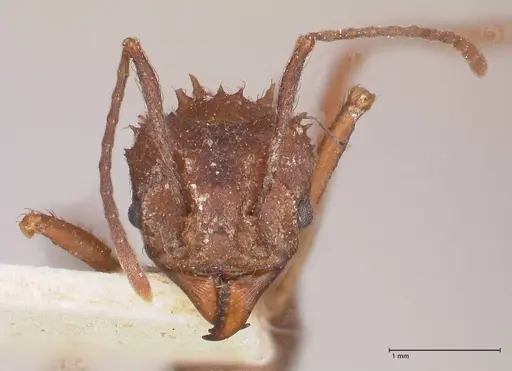
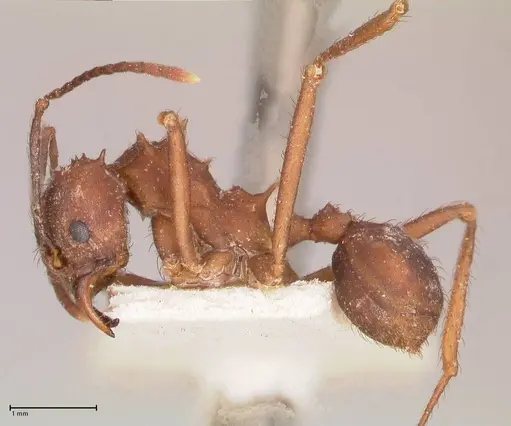
Acromyrmex santschii is a leaf-cutter ant species native to Colombia and surrounding regions in the Neotropics. These ants are famous for their fungus-farming behavior, they cut and carry leaf fragments back to their nest to cultivate a special fungus that serves as their primary food source. Workers are polymorphic, meaning they come in different sizes, with larger workers having distinctive spines on their thorax. The species was originally described as a variety of Atta aspersus but is now recognized as a distinct species [1][2].
Unlike many ants, leaf-cutter ants don't hunt for protein or sugar sources, they farm fungus. This makes them unique in the antkeeping hobby and requires a different approach to care. They are found across multiple Colombian departments including Magdalena (where the type locality is), Bolívar, and Santander, typically in tropical dry forest environments.
Quick Summary
- Difficulty: Medium
- Origin & Habitat: Colombia and Aruba in the Neotropical Region. Found in tropical dry forests at elevations ranging from sea level to mid elevations. The type locality is near Santa Marta in northern Colombia [1][2].
- Colony Type: Polygyne (multiple queens), leaf-cutter ants typically form colonies with multiple reproductive queens that work together to establish and expand the colony.
- Colony: Polygyne
- Founding: Semi-claustral
- Size & Growth:
- Queen: 18-22mm (estimated based on genus Acromyrmex patterns)
- Worker: 6-18mm (polymorphic, major and minor workers)
- Colony: Can reach several thousand workers in mature colonies
- Growth: Moderate to fast
- Development: 6-10 weeks at optimal temperature (estimated based on related Atta and Acromyrmex species) (Development is temperature-dependent, warmer conditions accelerate growth. First workers (nanitics) are smaller but help expand the fungus garden quickly.)
- Antkeeping:
- Temperature: Keep at 24-28°C. Leaf-cutter ants are tropical and need consistent warmth. A heating cable on one side of the nest creates a gradient allowing ants to regulate their temperature.
- Humidity: High humidity is critical, aim for 70-80%. The fungus garden needs constant moisture. Keep the nest substrate consistently damp but not waterlogged. Mist the fungus garden area regularly but avoid flooding.
- Diapause: No, these are tropical ants that do not hibernate. Maintain warm temperatures year-round.
- Nesting: Use a spacious formicarium with a dedicated fungus garden chamber. They need room to expand their fungus culture. A naturalistic setup with soil substrate works well, or an acrylic/plaster nest with a large foraging area. The nest should have a water reservoir to maintain humidity.
- Behavior: These ants are active foragers that cut and carry leaf material. Workers are determined and persistent, with good escape abilities. They are not aggressive toward humans but will defend their fungus garden. Major workers can deliver a mild sting. They are diurnal, actively foraging during daylight hours. Escape prevention is important, use a barrier like fluon on the rim of the formicarium.
- Common Issues: Fungus garden collapse is the most serious issue, if the fungus dies, the colony starves. This happens if humidity drops too low or temperature fluctuates dramatically., Leaf quality matters, avoid pesticide-treated plants or toxic foliage. Only use organic, untreated leaf material., Overfeeding can cause mold problems in the nest. Remove uneaten leaf material within 24-48 hours., Colony stress from disturbance, leaf-cutter ants are sensitive to vibrations and frequent nest inspections. Minimize disruptions., Humidity drops cause rapid colony decline. Monitor moisture levels consistently.
The Fungus Garden - Their Unique Food Source
Acromyrmex santschii belongs to the tribe Attini, a group of ants that evolved to farm fungus for food. This is their sole food source, they do not eat insects, honey, or sugar water like many other ant species. Workers cut leaf fragments and carry them back to the nest, where they chew the material into a pulp and use it to cultivate their fungus garden. The ants tend the fungus meticulously, weeding out competing molds and adding fresh leaf material as needed. In return, the fungus produces special structures called gongylidia that the ants eat. This symbiotic relationship is essential, the colony cannot survive without its fungus garden. For keepers, this means your primary responsibility is providing fresh, clean leaf material and maintaining the conditions the fungus needs to thrive.
Feeding Your Colony
The diet for Acromyrmex santschii consists entirely of fresh leaf material. Offer a variety of organic leaves from pesticide-free plants. Good options include rose leaves, bramble, oak, maple, and fruit tree leaves. Always ensure any plant material has not been treated with chemicals. Cut fresh leaves and place them in the foraging area, workers will cut them into smaller pieces and transport them to the fungus garden. Remove uneaten leaves within 24-48 hours to prevent mold. The amount to feed depends on colony size, start with a small amount and increase as you see consistent consumption. Do not offer sugar water, honey, or protein sources like insects, these are not part of their natural diet and can harm the fungus.
Temperature and Humidity Control
Leaf-cutter ants need warm, humid conditions to thrive. Maintain temperatures between 24-28°C consistently. Temperatures below 20°C can slow colony growth, while temperatures above 30°C may stress both the ants and the fungus. Use a heating cable or mat on one side of the nest to create a temperature gradient. Humidity is equally critical, the fungus garden must stay moist. Aim for 70-80% humidity in the nest area. Use a water reservoir connected to the nest or regular misting to maintain moisture. Check the substrate daily, it should feel damp but never have standing water. A hygrometer helps monitor conditions accurately.
Nest Setup and Space Requirements
Acromyrmex santschii needs more space than typical ant species due to their fungus-farming lifestyle. A formicarium with a dedicated fungus garden chamber is essential. The nest should have a large foraging area where you place fresh leaves. Acrylic nests with a water chamber for humidity maintenance work well, or you can use a naturalistic setup with a soil chamber. The colony will expand its fungus garden as it grows, so plan for expansion. A nest size of at least 20x20cm is recommended even for starting colonies. Ensure excellent escape prevention, these ants are persistent and will find any gap. Apply fluon or similar barrier to the rim of the formicarium.
Colony Development and Growth
Leaf-cutter ant colonies grow differently from typical ants. Queens are polygyne, meaning multiple queens can exist in one colony. After mating, queens establish new colonies by carrying a starter piece of fungus from their natal nest. The queen tends the initial fungus garden while laying eggs. The first workers (nanitics) are smaller but help expand the fungus, which then allows faster growth. Colony growth is moderate, it takes several months to reach 100 workers, but growth accelerates as the fungus garden expands. A mature colony can contain several thousand workers. Growth rate depends heavily on temperature and leaf quality, better conditions mean faster development.
Frequently Asked Questions
What do Acromyrmex santschii ants eat?
They eat only the fungus they cultivate. You must provide fresh, organic leaf material for them to farm their fungus. Do not offer sugar, honey, or insects, these can harm the fungus garden.
How often should I feed leaf-cutter ants?
Offer fresh leaves every 1-2 days. Remove uneaten leaves within 24-48 hours to prevent mold. Adjust based on consumption, a healthy colony will process leaves quickly.
Do leaf-cutter ants need hibernation?
No. Acromyrmex santschii is a tropical species that does not hibernate. Keep temperatures warm (24-28°C) year-round.
Can I keep multiple queens together?
Yes, this species is naturally polygynous (multiple queens per colony). In captivity, you can start with one queen or multiple, both work well.
How long until first workers appear?
Expect 6-10 weeks from egg to first worker at optimal temperature (24-28°C). The first workers (nanitics) are smaller and help expand the fungus garden.
Why is my fungus turning black?
Black fungus indicates contamination, usually from mold or poor conditions. Check humidity levels, remove uneaten leaves, and ensure good ventilation. The colony may need to abandon that section and start fresh.
Are Acromyrmex santschii good for beginners?
They are intermediate-level due to their specific humidity and temperature needs. The fungus garden requires more attention than typical ant setups. Not recommended as a first ant species.
What temperature do they need?
Keep them at 24-28°C consistently. Use a heating cable on one side of the nest to maintain warmth and create a gradient.
When should I move them to a formicarium?
You can keep them in a test tube setup initially, but they will need a proper formicarium with a fungus garden chamber once the colony reaches 20-30 workers.
Why are my ants not cutting the leaves?
Leaves may be too dry, too old, or from plants with defenses. Always use fresh, organic leaves. Also ensure humidity is high enough, they won't process leaves in dry conditions.
References

This caresheet is licensed under CC BY-SA 4.0 .
CASENT0909424
View on AntWeb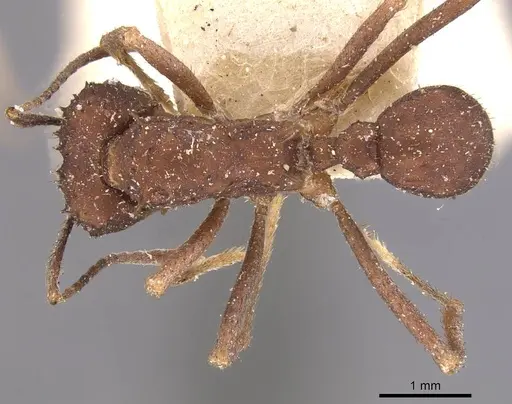
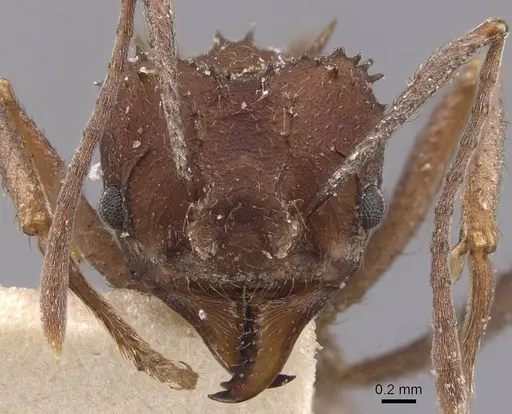
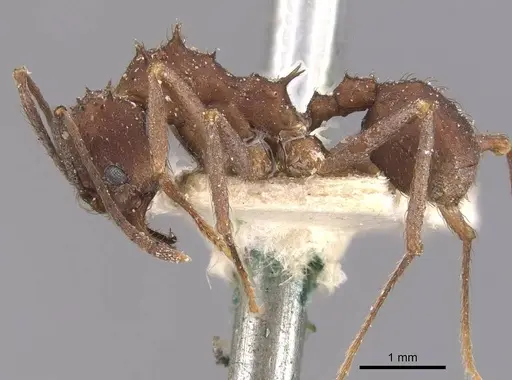
CBUMAGENT41715
View on AntWeb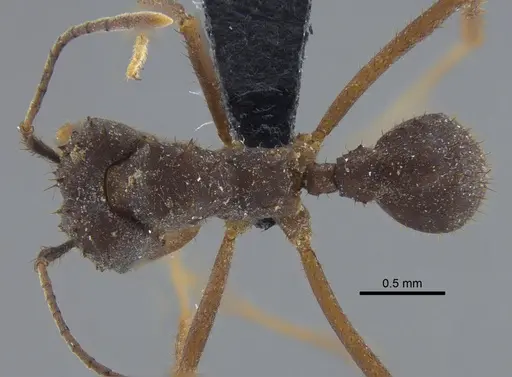
FOCOL0778-1
View on AntWeb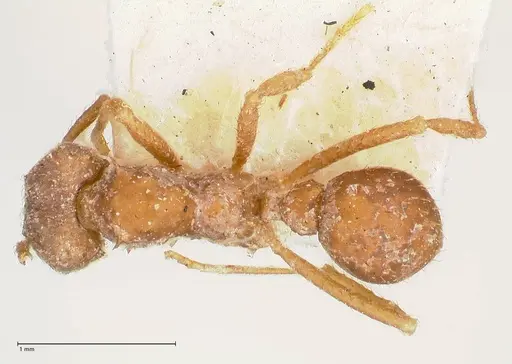
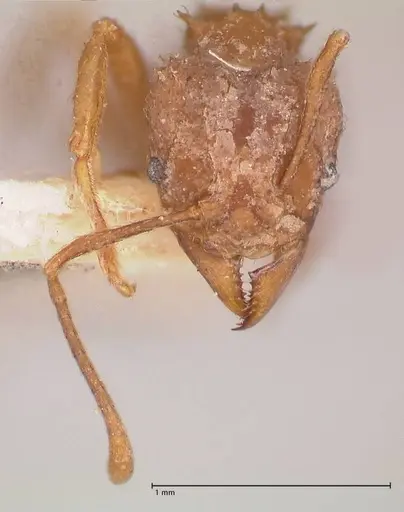
FOCOL0778-2
View on AntWeb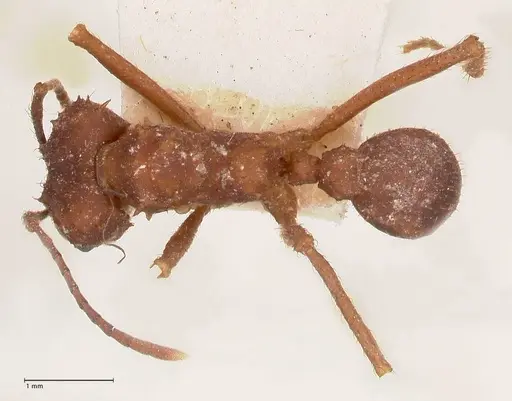
Literature
Loading...Loading products...