

Acromyrmex nigrosetosus
- Scientific Name
- Acromyrmex nigrosetosus
- Tribe
- Attini
- Subfamily
- Myrmicinae
- Author
- Forel, 1908
- Distribution
- Found in 2 countries
Acromyrmex nigrosetosus Overview
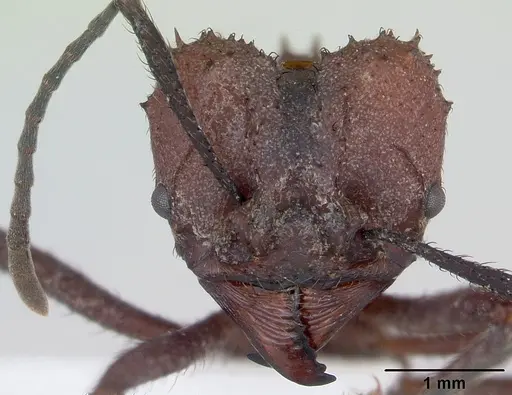
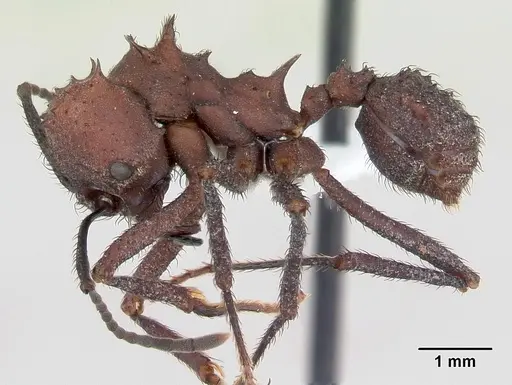
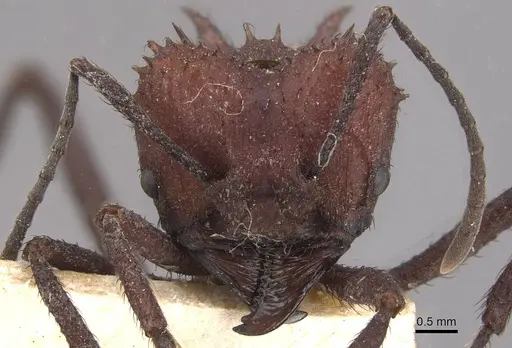
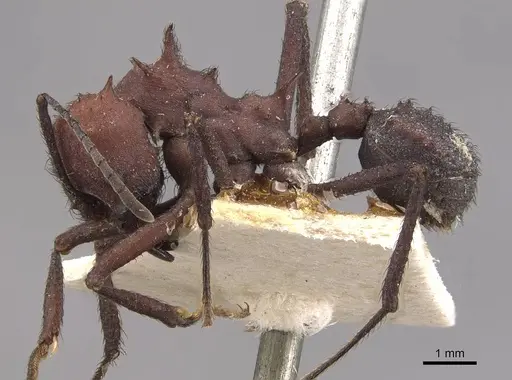
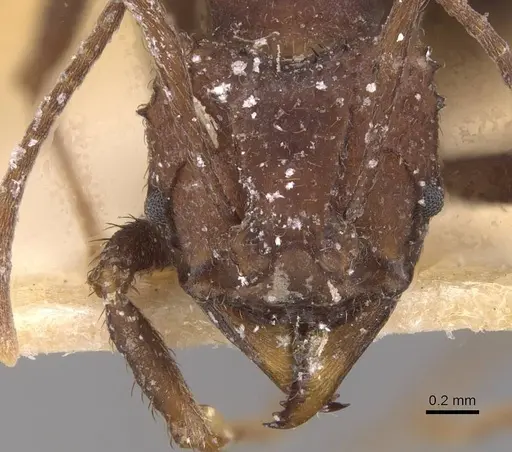
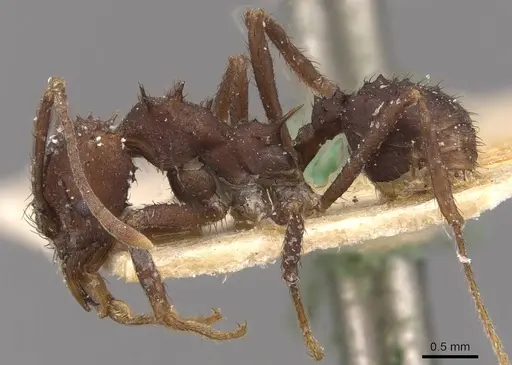
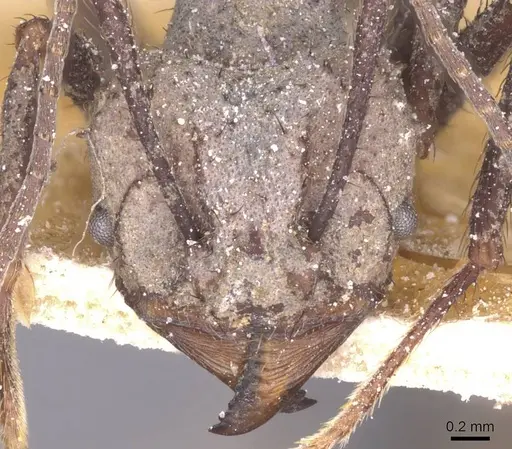
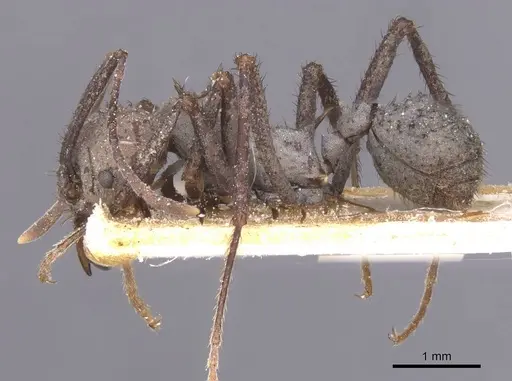
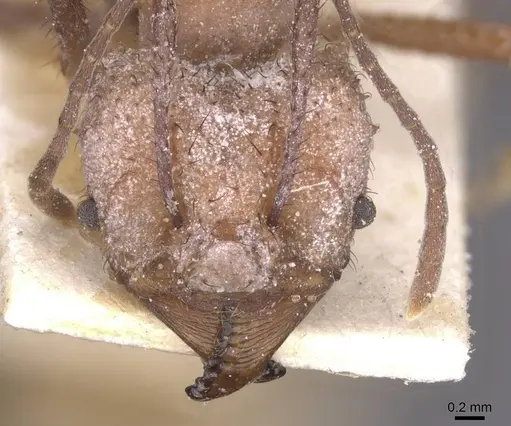
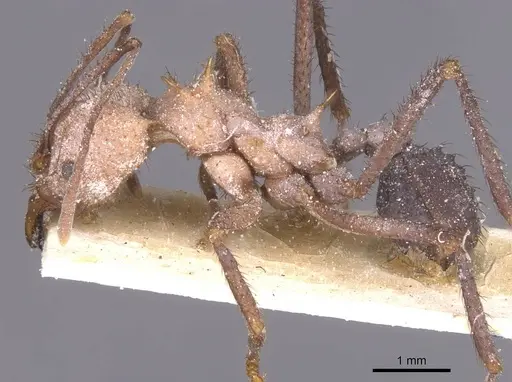
Acromyrmex nigrosetosus is an ant species of the genus Acromyrmex. It is primarily documented in 2 countries , including Brazil, Paraguay. Detailed taxonomic data and occurrence records can be further explored via authoritative databases such as AntWeb or the Global Biodiversity Information Facility (GBIF).
Acromyrmex nigrosetosus
Acromyrmex nigrosetosus is a leaf-cutting ant found in the Cerrado savannas and eucalyptus plantations of South America, with records from Brazil, Argentina, Bolivia, and Paraguay [1][2][3][4]. As members of the Attini tribe, they are fungus-growers, they cut fresh plant material not to eat directly, but to cultivate a specialized fungus garden that serves as their only food source [4]. Workers are ground-dwelling and collected by hand in the wild, suggesting accessible foraging trails [3]. They show particular preference for Eucalyptus urophylla and Eucalyptus camaldulensis plantations over other eucalyptus species [2][5].
Quick Summary
- Difficulty: Expert
- Origin & Habitat: Cerrado savanna biome of Brazil, Argentina, Bolivia, and Paraguay, commonly found in eucalyptus plantations [1][2][3]
- Colony Type: Single-queen colonies (monogyne) based on typical Acromyrmex patterns
- Colony: Monogyne
- Founding: Semi-claustral
- Size & Growth:
- Queen: Unknown, based on Acromyrmex genus patterns, likely 8-12mm
- Worker: Unknown, based on Acromyrmex genus patterns, likely 3-7mm
- Colony: Unknown, similar Acromyrmex species typically reach several thousand workers
- Growth: Moderate to slow, colony growth depends on fungus garden expansion rather than just brood development
- Development: Unknown specifically, estimated 8-12 weeks at 25-28°C based on Attini patterns, though fungus establishment is the critical factor (Timeline assumes successful fungus garden inoculation and maintenance. First workers (nanitics) may emerge faster but are smaller.)
- Antkeeping:
- Temperature: Warm tropical conditions, roughly 24-28°C based on Cerrado climate and Acromyrmex patterns. Avoid drops below 20°C.
- Humidity: High humidity required for fungus cultivation, nest substrate should feel damp but not waterlogged, roughly 70-80% relative humidity with good ventilation to prevent mold.
- Diapause: No, tropical species with year-round activity [4]
- Nesting: Underground fungus gardens with multiple chambers, in captivity requires a specialized fungus garden setup with clean substrate, not standard test tubes or simple formicaria.
- Behavior: Active diurnal foragers with dedicated leaf-cutting trails. Workers cut and carry leaf fragments efficiently. They possess stings but are generally focused on foraging rather than defense. Persistent foragers require excellent escape prevention.
- Common Issues: fungus garden collapse from contamination, incorrect humidity, or temperature fluctuations., providing inappropriate food, they require fresh plant material to grow fungus, not sugar water or protein., mold outbreaks in high-humidity setups without adequate ventilation., escapes due to small worker size and persistent foraging behavior., colony failure during founding if the queen cannot establish initial fungus garden.
Fungus Garden Setup
Acromyrmex nigrosetosus requires a living fungus garden to survive, they do not eat the leaves they collect, but use them to grow a symbiotic fungus that serves as their sole food source [4]. In captivity, you must provide a clean, ventilated chamber with sterile substrate (often a mix of sterilized soil and leaf material) where the ants can cultivate their fungus. The garden must stay humid but not wet, with temperatures stable around 25-28°C. Any contamination from mold or chemicals will kill the fungus and starve the colony. You will see the ants processing leaf fragments into a grayish-white fungal mass, this is their food source and brood chamber combined.
Feeding and Leaf Requirements
These ants need a constant supply of fresh, clean plant material. In the wild, they prefer Eucalyptus urophylla and Eucalyptus camaldulensis over other species [2][5], but in captivity they will accept many non-toxic leaves including bramble, rose, oak, and fruit tree leaves (ensure no pesticides). Rinse leaves thoroughly before offering. Remove old dried leaves promptly to prevent mold. Unlike most ants, they do not need sugar water or protein, the fungus provides all nutrition. Only offer leaves, never feed them honey, insects, or seeds as these can contaminate the fungus garden.
Temperature and Humidity
Coming from the Cerrado and tropical plantations, these ants need warm stable temperatures between 24-28°C [1]. Use a heating cable on one side of the nest to create a gradient, but ensure the fungus garden does not dry out. Humidity must remain high (70-80%) to keep the fungus alive, but you need gentle airflow to prevent stagnant air and mold. Check the garden daily, if it looks dry or crumbly, increase humidity, if it smells musty or shows colorful mold, reduce moisture and improve ventilation immediately.
Colony Founding
While not specifically documented for this species, Attini queens typically practice semi-claustral founding. The queen does not seal herself in, she must leave the nest to forage for leaf material and a starter fungus culture (often carried from her natal colony on her body). In captivity, founding is extremely difficult and rarely successful without established fungus garden material from a mature colony. Most keepers start with an established colony fragment rather than a single queen.
Housing and Nest Design
Standard test tubes and acrylic nests do not work for leaf-cutters. You need a setup that accommodates a fungus garden, typically a box or container with a soil-based substrate, or a specialized Attini nest with humidity control. The outworld must be large enough for foraging trails and leaf storage. Use a fine mesh or Fluon barrier on all openings, these ants are small and determined escape artists. The nest should have multiple chambers to allow the ants to move the fungus if conditions deteriorate in one spot.
Behavior and Foraging
Workers are active during the day, forming distinct foraging trails to collect leaf material [3]. They cut semicircular fragments from leaves and carry them back to the nest. In captivity, provide a large foraging area with branches or structures for them to climb and cut from. They are not typically aggressive toward humans but can sting if threatened. Their primary defense is simply escaping or abandoning compromised garden chambers.
Frequently Asked Questions
Can I keep Acromyrmex nigrosetosus in a test tube?
No. Leaf-cutting ants require a fungus garden to survive, which needs a soil-based substrate and space to grow. Test tubes cannot accommodate the fungus garden or the humidity gradients these ants need.
What do Acromyrmex nigrosetosus eat?
They eat fungus, not the leaves themselves. You must provide fresh, clean leaves (such as bramble, rose, or eucalyptus) which they process to grow their symbiotic fungus garden. Do not feed them sugar water, honey, or insects.
How long until first workers for Acromyrmex nigrosetosus?
The timeline is unknown for this specific species. Based on related leaf-cutting ants, expect roughly 8-12 weeks at 25-28°C, but success depends entirely on the queen establishing a healthy fungus garden first. Founding is difficult and often fails without starter fungus from a mature colony.
Do Acromyrmex nigrosetosus need hibernation?
No. They are tropical ants from the Cerrado region and remain active year-round. They do not require a winter rest period.
Can I keep multiple queens together?
No. Acromyrmex species are typically monogyne (single-queen). Combining multiple queens will result in fighting and colony failure.
Why is my fungus garden dying?
Fungus gardens die from contamination (mold, chemicals, or wrong food), incorrect humidity (too dry or too wet), or temperature stress. Ensure you are using pesticide-free leaves, maintaining 70-80% humidity with ventilation, and keeping temperatures stable around 25-28°C. Remove any moldy sections immediately.
Are Acromyrmex nigrosetosus dangerous?
They can sting but are not aggressive toward humans. Their main concern is escape, they are persistent foragers and can squeeze through small gaps. Use fine mesh barriers and Fluon to contain them.
What leaves should I feed my Acromyrmex nigrosetosus?
In the wild they prefer Eucalyptus urophylla and Eucalyptus camaldulensis [2][5]. In captivity, offer a variety including bramble, rose, oak, and fruit tree leaves. Always ensure leaves are fresh, clean, and free of pesticides. Rinse them before offering.
References

This caresheet is licensed under CC BY-SA 4.0 .
CASENT0173800
View on AntWeb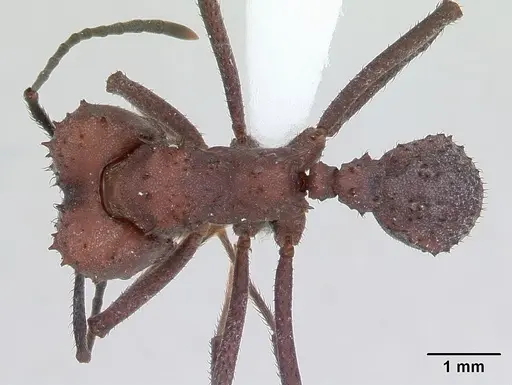
CASENT0173801
View on AntWeb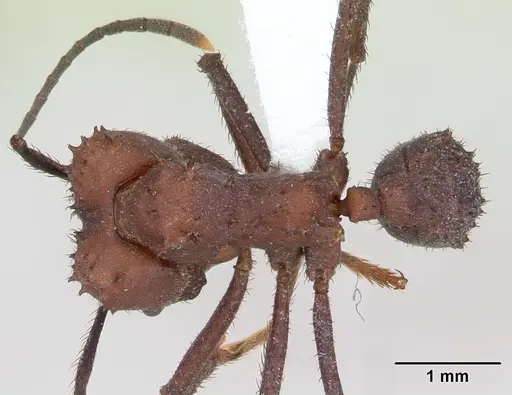
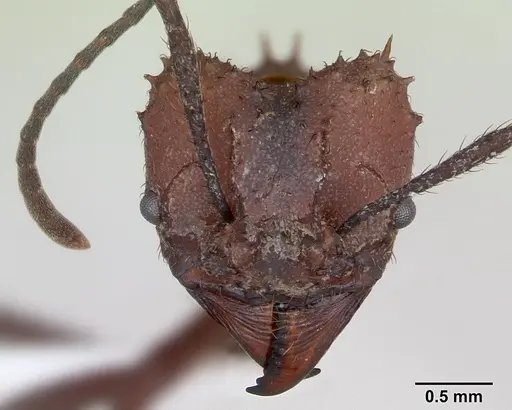
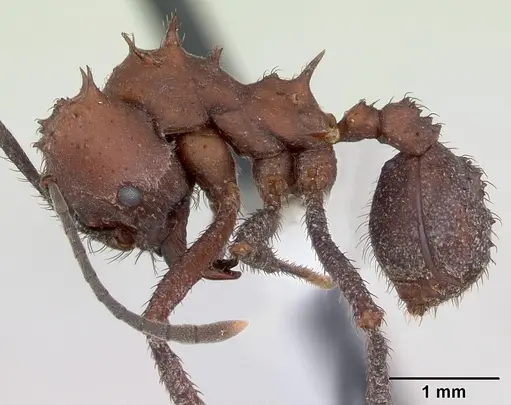
CASENT0904996
View on AntWeb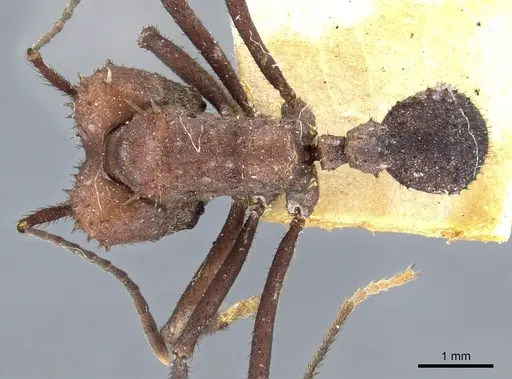
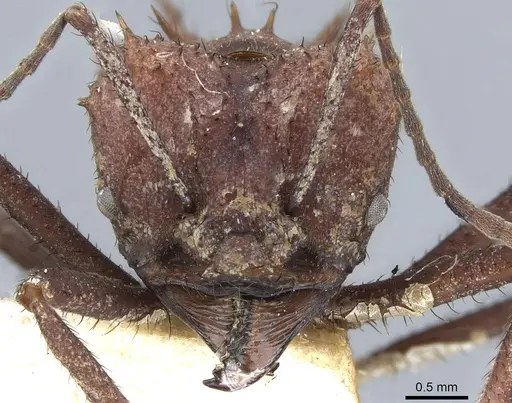
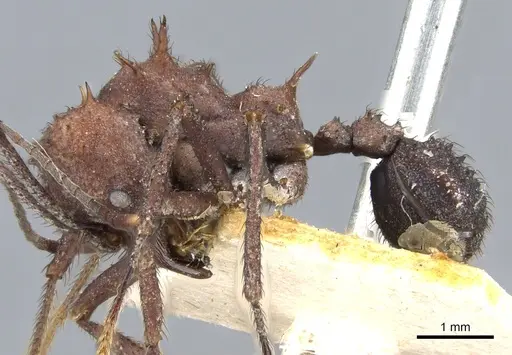
CASENT0909413
View on AntWeb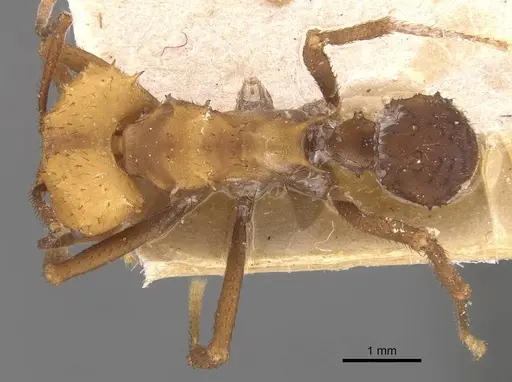
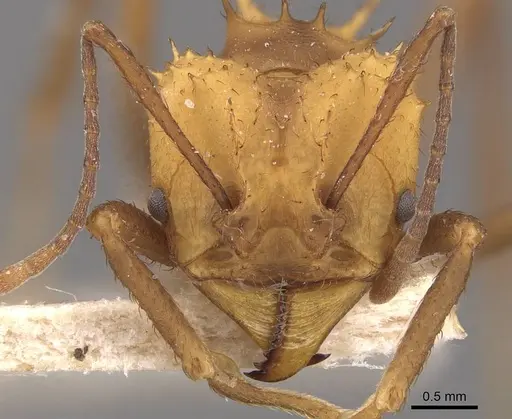
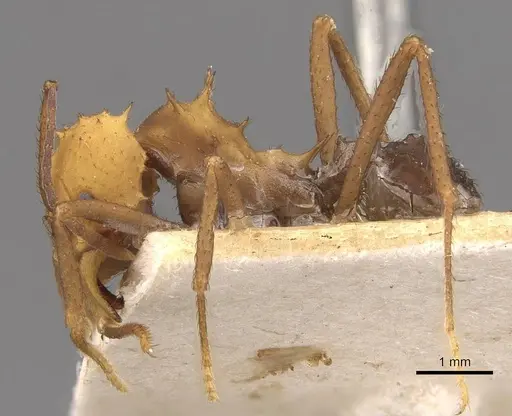
CASENT0909414
View on AntWeb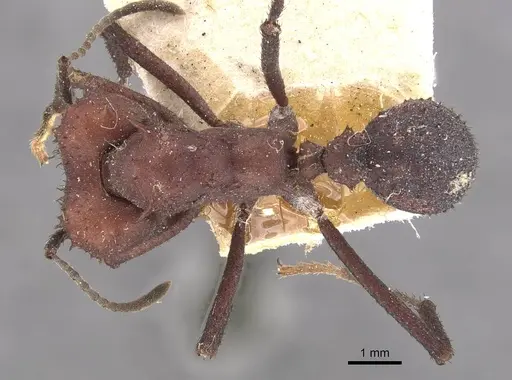
CASENT0909415
View on AntWeb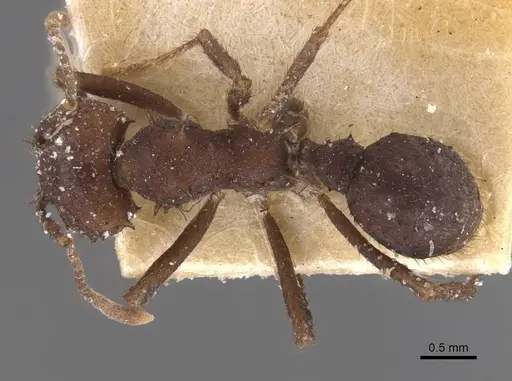
CASENT0912457
View on AntWeb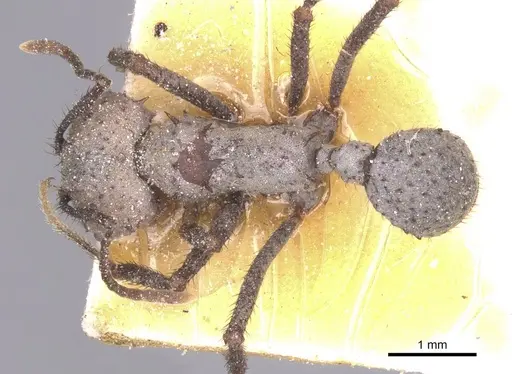
CASENT0912458
View on AntWeb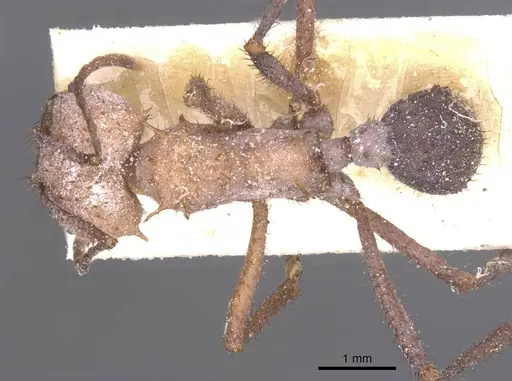
Literature
Loading...Loading products...