

Acromyrmex niger
- Scientific Name
- Acromyrmex niger
- Tribe
- Attini
- Subfamily
- Myrmicinae
- Author
- Smith, 1858
- Distribution
- Found in 3 countries
Acromyrmex niger Overview
Acromyrmex niger is an ant species of the genus Acromyrmex. It is primarily documented in 3 countries , including Argentina, Brazil, Paraguay. Detailed taxonomic data and occurrence records can be further explored via authoritative databases such as AntWeb or the Global Biodiversity Information Facility (GBIF).
Acromyrmex niger
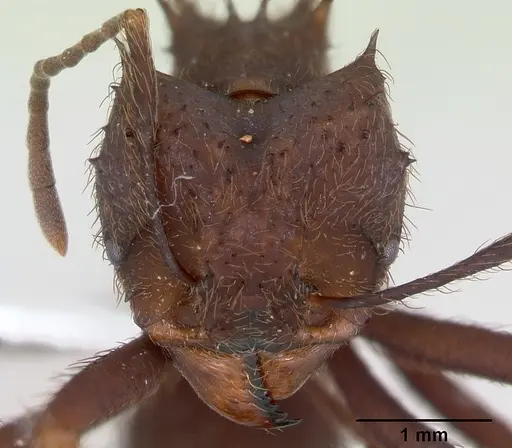
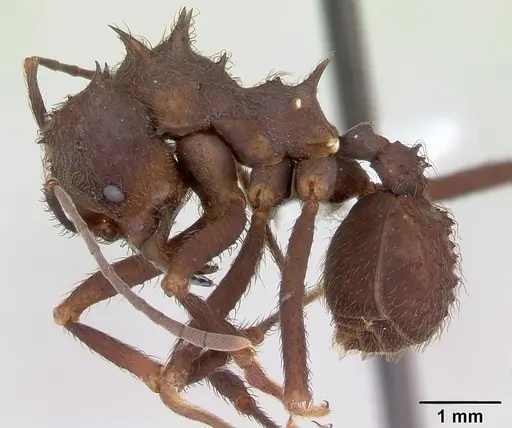
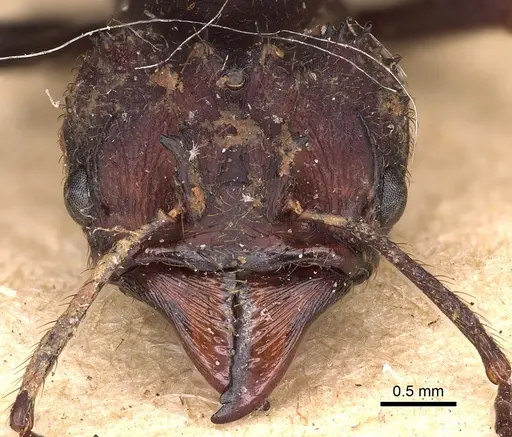
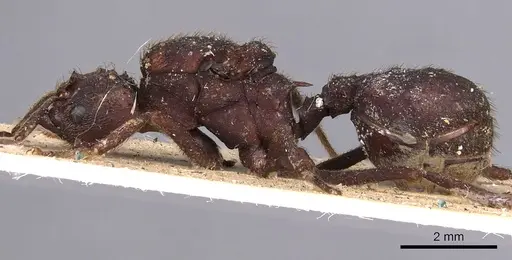
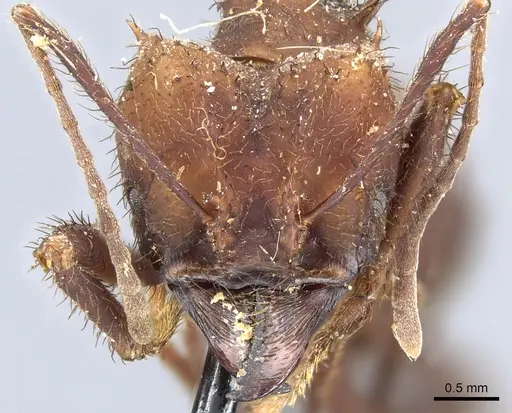
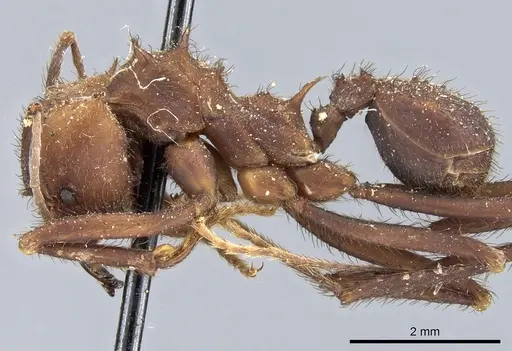
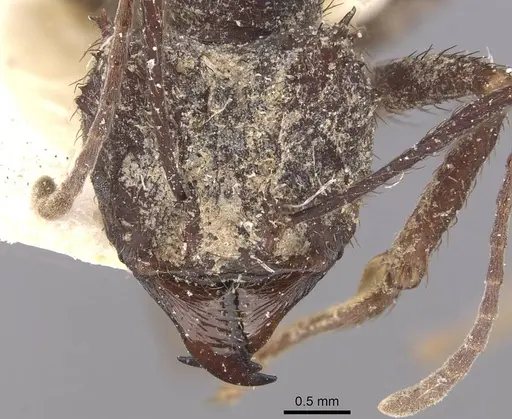
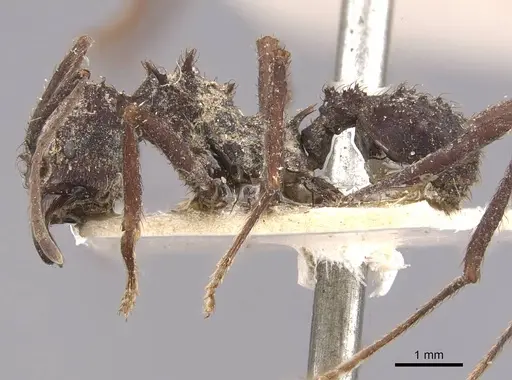
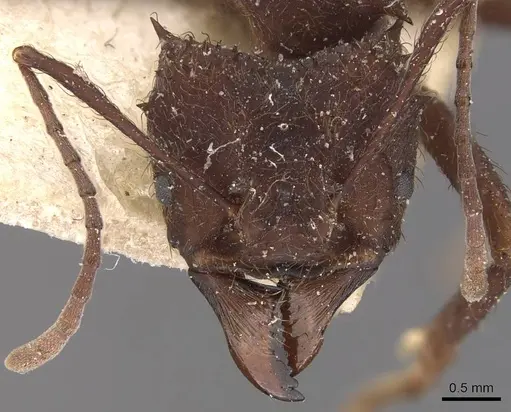
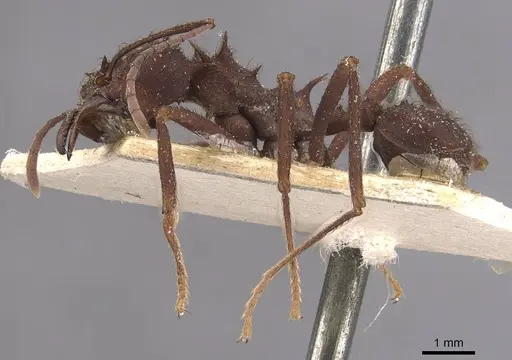
Acromyrmex niger, commonly called quenquém or quenquém mineira in Brazil, is a leaf-cutter ant native to the Atlantic Forest and Cerradão regions of Brazil, Argentina, and Paraguay [1][2][3]. Workers measure about 7 mm and display remarkable color variation, ranging from light brown or yellowish to completely black, sometimes within the same colony [2][1]. Unlike their relatives in the genus Atta, these ants construct inconspicuous subterranean nests without large soil mounds, making them difficult to locate in the wild [2][4]. They cultivate the basidiomycete fungus Leucoagaricus gongylophorus for food, feeding it fresh leaves and plant material [4][5]. When threatened, workers exhibit thanatosis, freezing and playing dead to avoid detection by predators [1].
Quick Summary
- Difficulty: Expert
- Origin & Habitat: Atlantic Forest and Cerradão in Brazil (states of CE, MG, RJ, ES, SP, PR, SC), plus Argentina and Paraguay [1][2][6][3]
- Colony Type: Single-queen (monogyne) colonies
- Colony: Monogyne
- Founding: Semi-claustral
- Size & Growth:
- Queen: Unknown, estimated large based on genus patterns
- Worker: 7 mm [2]
- Colony: Potentially tens of thousands of workers [7]
- Growth: Slow to moderate with high initial mortality [7]
- Development: Unknown, estimated 6-10 weeks based on related leaf-cutter ants (High founding mortality, only about 8% of colonies survive the first year [7])
- Antkeeping:
- Temperature: 24-28°C (warm tropical conditions)
- Humidity: High,70-80% relative humidity with moist substrate essential for fungus garden health
- Diapause: No, tropical species without winter dormancy
- Nesting: Subterranean with fungus garden chamber, requires specialized setup with fungus substrate and separate foraging area [2][4]
- Behavior: Leaf-cutting foragers using trunk trails to harvest vegetation [8], exhibit thanatosis (playing dead) when threatened by predators [1], workers show variable coloration with brown and black morphs present in the same colony [1], primarily cut dicotyledonous plants including eucalyptus, citrus, and cabbage [2][6]
- Common Issues: fungus garden failure is the primary cause of colony death, especially during founding [7]., susceptibility to Escovopsis parasitic fungus requires constant monitoring and maintenance of symbiotic antibiotic bacteria [10]., constant need for fresh vegetation, colonies cannot survive more than a few days without fresh leaves to feed the fungus., difficult to locate wild colonies due to hidden nest entrances without soil mounds [1][2]., high founding mortality rate, expect most attempts to fail in the first year [7].
Nest Architecture and Natural Habitat
In the wild, Acromyrmex niger constructs subterranean nests with nearly invisible entrances that lack the characteristic soil mounds of Atta leaf-cutters [2][4]. Nests are found in Atlantic Forest fragments, both continuous and disturbed, with densities around 0.6-0.7 nests per 1000 m² [1]. They show preference for forested areas over pine plantations, indicating sensitivity to habitat disturbance and altered microclimates [9]. In captivity, you must provide a deep substrate area for the fungus garden with a separate foraging space connected by tubing. The nest should allow for excavation but maintain high humidity.
Fungus Cultivation and Diet
These ants are obligate fungus-farmers, cultivating the basidiomycete Leucoagaricus gongylophorus as their sole food source [4][5]. Workers harvest fresh vegetation, primarily dicotyledonous plants including eucalyptus, citrus, cabbage, apple, peach, and pear trees [6][2]. The fungus garden requires constant maintenance, workers groom the fungus and apply antibiotics produced by symbiotic Pseudonocardia bacteria to protect against the parasitic mold Escovopsis [10]. Without a constant supply of fresh plant material, the fungus garden will die within days, starving the colony.
Colony Founding and Early Growth
Queens are semi-claustral, meaning they must leave the nest to forage for plant material to feed the fungus garden during the founding stage [11]. Founding success is extremely low, in one study only 13 of 154 colonies survived to one year [7]. New keepers should expect high mortality rates and be prepared to attempt founding multiple times. The queen initially raises a small batch of workers (nanitics) who then take over foraging duties. The colony grows slowly at first due to the energy demands of fungus maintenance.
Behavior and Defense
Workers display two distinct color morphs, brown and black, which can appear together on the same foraging trail [1]. When threatened, they exhibit thanatosis, freezing and playing dead to avoid predation [1]. They establish trunk trails for foraging [8]. The species is considered a major pest in eucalyptus and pine plantations in Brazil, causing significant damage to young trees [12][4]. They possess small supraocular spines and do not typically bite or sting humans.
Captive Care Requirements
Maintain temperature around 24-28°C with high humidity (70-80%). Provide a setup with a fungus chamber (often a plastic container with fungus substrate) connected to a foraging area. Offer fresh leaves daily, roses, bramble, and eucalyptus are commonly accepted. Monitor the fungus garden for signs of Escovopsis (white or gray mold) and remove infected sections immediately. Ensure the setup has good ventilation while maintaining humidity to prevent mold growth.
Frequently Asked Questions
Can I keep Acromyrmex niger in a test tube?
No. Unlike many ant species, leaf-cutters require a fungus garden setup from the start. A test tube cannot accommodate the substrate, ventilation, and space needs of the fungus garden [4][5].
What do Acromyrmex niger eat?
They eat a fungus (Leucoagaricus gongylophorus) that they cultivate on fresh leaves and plant material. You must provide fresh vegetation daily, they cannot survive on sugar water or pre-packaged foods alone [4][2].
How long until I get my first workers?
The timeline is uncertain for this specific species, but likely 6-10 weeks at optimal temperatures based on related leaf-cutter ants. However, be aware that founding mortality is extremely high, only about 8% of founding colonies survive the first year in the wild [7].
Do Acromyrmex niger need hibernation?
No. They are a tropical species from Brazil and do not require diapause or winter dormancy.
Are Acromyrmex niger good for beginners?
No. These are expert-level ants requiring specialized fungus garden maintenance, constant fresh food supply, and careful humidity control. The high founding mortality rate makes them unsuitable for beginners [7].
Can I keep multiple queens together?
Not recommended. Acromyrmex niger appears to be monogyne (single queen), and combining queens would likely result in fighting or rejection.
Why is my fungus garden dying?
Fungus garden failure is the most common cause of colony death. Causes include lack of fresh vegetation, Escovopsis parasitic infection, improper humidity, or contamination. Workers produce antibiotics from Pseudonocardia bacteria to fight Escovopsis, but garden fragments may need manual removal if heavily infected [10][7].
References

This caresheet is licensed under CC BY-SA 4.0 .
CASENT0173799
View on AntWeb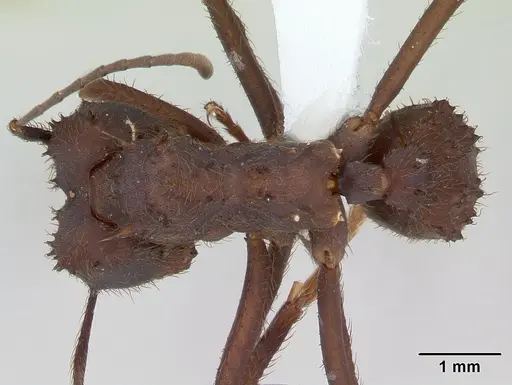
CASENT0900493
View on AntWeb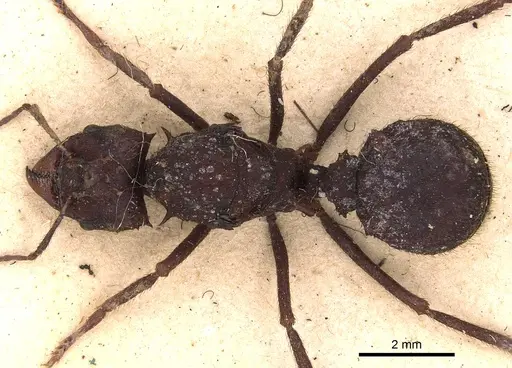
CASENT0904997
View on AntWeb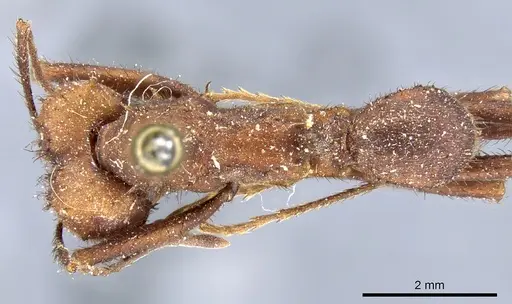
CASENT0909419
View on AntWeb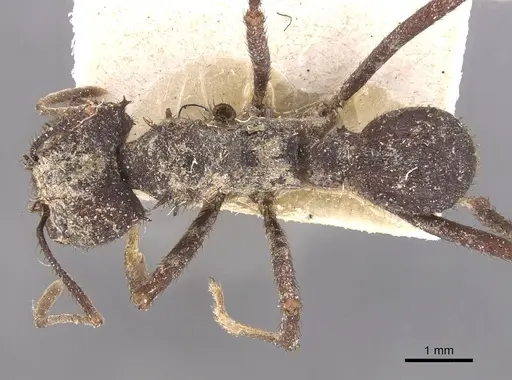
CASENT0909420
View on AntWeb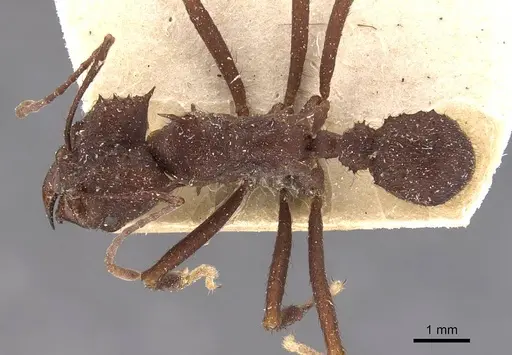
Literature
Loading...Loading products...